
Introduction
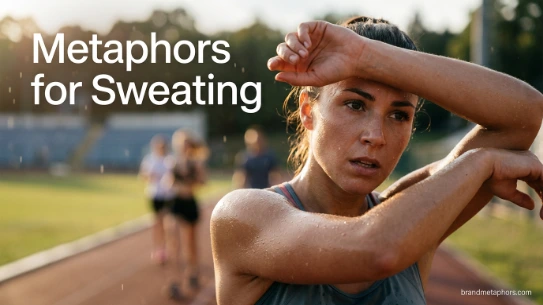
The room feels too warm. A single bead slips down your forehead. Your shirt clings to your back like damp paper, and suddenly every heartbeat seems louder than before. Maybe you are standing under the blazing summer sun. Maybe you are giving a speech in front of strangers. Or maybe you are racing against a deadline that feels impossible to meet. Sweating is more than a physical reaction—it is emotion made visible.
That is why writers, storytellers, comedians, and everyday speakers love using metaphors for sweating. A good metaphor can turn ordinary perspiration into something dramatic, funny, poetic, or deeply human. Instead of simply saying “he was sweating,” you can say “he melted like candle wax under pressure” or “nervousness poured from him like rain from storm clouds.” Suddenly, the image becomes alive.
In writing, metaphors for sweating help create mood, reveal emotion, and paint vivid sensory scenes. They make characters feel real. They also make conversations more colorful and memorable. Whether you are crafting fiction, writing social media captions, improving your creative writing, or simply searching for better expressions, learning these metaphors can sharpen your language beautifully.
This guide explores creative metaphors for sweating, their meanings, examples, emotional tones, and practical ways to use them naturally in daily life and storytelling.
Why Metaphors for Sweating Matter in Writing
Sweating is universal. Everyone has experienced it from heat, fear, stress, embarrassment, or hard work. Because the experience is so familiar, it becomes powerful material for metaphor.
A plain sentence tells. A metaphor shows.
Consider the difference:
- “She was nervous.”
- “She sweated like ice melting beneath a spotlight.”
The second sentence creates tension and imagery instantly.
Metaphors for sweating help writers:
- Build emotional intensity
- Add humor or exaggeration
- Reveal anxiety without directly naming it
- Create realistic physical details
- Make scenes more cinematic
These expressions also work beautifully in speeches, poetry, songs, sports commentary, and social media posts.
In many cultures, sweat symbolizes effort and sacrifice. Phrases like “blood, sweat, and tears” connect perspiration with determination and resilience. In other contexts, sweat represents fear or embarrassment. This emotional flexibility makes sweating metaphors incredibly useful.
Sweating Like a Leaky Faucet
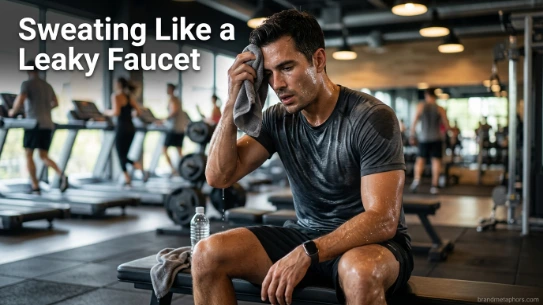
One of the most common metaphors compares sweating to water endlessly dripping from a broken faucet.
Meaning and Emotional Tone
This metaphor suggests nonstop sweating, often caused by stress, heat, or panic. It creates a slightly humorous but vivid image.
Example Sentence
“He stood before the audience sweating like a leaky faucet during the interview.”
Alternative Expressions
- Dripping like a broken pipe
- Pouring like a cracked tap
- Leaking nervousness everywhere
Sensory Details
Imagine tiny droplets gathering at the chin, falling rhythmically onto the floor. The person feels trapped in discomfort, unable to stop the flow.
Mini Storytelling Example
A student waits outside the examination hall. His palms are slick. His notes tremble slightly in his hands. By the time his teacher calls his name, he is sweating like a leaky faucet in a silent room.
This metaphor works especially well in humorous writing and relatable everyday scenes.
Melting Like Ice Under the Sun
This metaphor blends heat and vulnerability into one powerful image.
Meaning and Explanation
It suggests someone is overwhelmed physically or emotionally. The sweat becomes evidence of pressure breaking them down slowly.
Example Sentence
“Under the desert heat, the hikers melted like ice beneath the sun.”
Alternative Ways to Express It
- Dissolving in the heat
- Turning to water under pressure
- Softening like butter on a stove
Emotional Impact
This metaphor feels poetic and visual. It can describe exhaustion, embarrassment, or emotional collapse.
Literary Feel
Writers often use melting imagery to symbolize fragility. In romance novels, a character may “melt” under attention. In suspense stories, someone may melt under interrogation pressure.
Bonus Tip
Use this metaphor in emotional scenes, not just hot weather scenes. It works wonderfully for stage fright, awkward moments, and romantic tension.
Sweating Buckets
This classic expression remains popular because it exaggerates sweating in a memorable way.
Meaning
The person is sweating excessively, almost impossibly.
Example Sentence
“After running uphill for an hour, he was sweating buckets.”
Alternative Phrases
- Sweating rivers
- Drenched like a soaked towel
- Pouring sweat by the gallon
Why It Works
Hyperbole creates humor and emphasis. Nobody literally sweats buckets, but the exaggeration makes the discomfort easy to imagine.
Real-Life Example
Athletes, construction workers, and performers are often described this way after intense physical effort.
Social Media Caption Idea
“Gym session complete. Sweating buckets and questioning my life choices.”
This metaphor is casual, relatable, and excellent for conversational writing.
The Connection Between Sweat and Fear
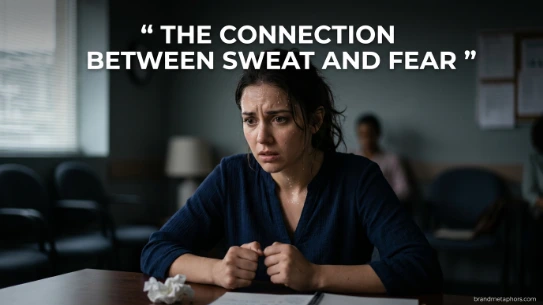
Sweating often reveals hidden emotion before words do. Fear sweat feels different from heat sweat. Writers use metaphors to capture that tension.
Think about phrases like:
- “Cold sweat”
- “Sweat crawling down his spine”
- “Fear poured from him like rainwater”
These expressions transform invisible anxiety into something physical and visual.
In thrillers and horror stories, sweating metaphors create suspense. A detective entering a dark basement might feel “sweat blooming like storm clouds beneath his collar.”
The metaphor gives readers something tangible to experience.
Writing Exercise
Write three sentences describing fear without using the words “afraid” or “nervous.” Use sweat imagery instead.
Example:
“His hands shimmered with sweat as the footsteps drew closer.”
Sweating Like Rain on a Windowpane
This metaphor feels soft, visual, and cinematic.
Meaning
Sweat falls steadily and continuously, similar to raindrops sliding down glass.
Example Sentence
“After the marathon, sweat rolled down her face like rain on a windowpane.”
Alternative Expressions
- Dripping like rainfall
- Sliding like stormwater
- Flowing like monsoon rain
Sensory and Emotional Details
This metaphor creates movement. Readers can almost see the droplets traveling slowly downward.
It works especially well in emotional scenes because rain often symbolizes sadness, release, or struggle.
Creative Writing Prompt
Describe a summer afternoon using rain-based sweating metaphors. Focus on sounds, textures, and movement.
Metaphors for Sweating From Hard Work

Not all sweat symbolizes fear. Sometimes sweat represents discipline, labor, and determination.
Hard-working characters often “wear sweat like armor.”
That metaphor transforms perspiration into a badge of honor.
Common Hard-Work Sweat Metaphors
- Sweat forged his success
- Every drop was a brick in his future
- Sweat watered the seeds of achievement
Example Scenario
A farmer bends beneath the scorching sun. Sweat darkens his shirt, but he keeps moving steadily across the field. His labor becomes a symbol of endurance.
Cultural Meaning
Many cultures connect sweat with dignity and perseverance. Expressions about sweat often celebrate sacrifice and commitment.
Bonus Writing Tip
When writing motivational content, connect sweat to growth instead of discomfort.
For example:
“Success grows best in soil watered by sweat.”
Sweating Like a Snowman in Summer
Humorous metaphors make sweating scenes entertaining and memorable.
Meaning
The person is extremely hot or uncomfortable.
Example Sentence
“In that tiny apartment without air conditioning, I was sweating like a snowman in summer.”
Similar Funny Comparisons
- Sweating like a turkey on Thanksgiving
- Sweating like cheese near a fire
- Sweating like a popsicle in July
Why Readers Love Funny Metaphors
Humor creates connection. Exaggerated comparisons help readers instantly visualize the scene.
Mini Story Example
At his first dance class, Mark spun awkwardly beneath bright lights while trying to follow the instructor. Ten minutes later, he was sweating like a snowman in summer and regretting every life decision that led him there.
Funny metaphors work beautifully in blogs, casual storytelling, and social media captions.
Using Sensory Language With Sweat Metaphors
Strong metaphors become even more powerful when combined with sensory details.
Instead of saying:
“He was sweating heavily.”
Try:
“Salted sweat trickled down his temples, stinging his eyes as heat wrapped around him like a heavy blanket.”
Sensory Elements to Include
Touch
- Sticky skin
- Damp clothes
- Slippery palms
Sight
- Shining foreheads
- Darkened shirts
- Droplets glimmering under light
Sound
- Heavy breathing
- Sweat dripping onto the floor
- Rustling fabric
Smell
- Humid air
- Sharp scent of effort
- Metallic tension
Practice Prompt
Describe a nervous public speaker using all five senses.
This technique deepens immersion and makes metaphors unforgettable.
Sweating Under Pressure: Emotional Metaphors
Pressure-based metaphors are perfect for emotional scenes.
Examples
- “Pressure squeezed sweat from him like water from a sponge.”
- “Anxiety boiled beneath her skin.”
- “Stress steamed from him like smoke from hot pavement.”
Why These Metaphors Work
They connect internal emotion with external physical reaction.
Readers may not fully understand abstract fear, but they understand sweat running down shaking hands.
Real-Life Situations
These metaphors fit:
- Job interviews
- Exams
- First dates
- Sports competitions
- Public speaking
Storytelling Example
The game clock ticked lower. Thousands of fans screamed from the stands. Sweat gathered beneath the quarterback’s helmet like stormwater before a flood.
The metaphor intensifies suspense instantly.
Creative Ways to Use Sweating Metaphors in Daily Life

These metaphors are not limited to novels or poetry. They work in conversations, captions, jokes, and journaling too.
Social Media Examples
- “Sweating buckets after leg day.”
- “Walking outside feels like melting butter.”
- “Currently sweating like iced coffee in the sun.”
Everyday Conversation
Funny metaphors make ordinary stories more entertaining.
Instead of: “It was really hot.”
Try: “I felt like a candle left inside a parked car.”
Journaling Prompt
Describe your most stressful moment using only metaphorical language.
Poetry and Lyrics
Sweat imagery often symbolizes:
- Passion
- Fear
- Hard work
- Desire
- Survival
Musicians and poets frequently connect sweat with emotional intensity.
Interactive Exercises to Practice Sweat Metaphors
Creative language improves through practice. These exercises help develop vivid metaphor skills naturally.
Exercise 1: Finish the Comparison
Complete these sentences creatively:
- “He sweated like…”
- “The heat wrapped around her like…”
- “Fear dripped from him like…”
Exercise 2: Rewrite a Plain Sentence
Original: “She was nervous during the interview.”
Rewrite it using metaphor and sensory imagery.
Exercise 3: Emotion Matching
Create one sweat metaphor for each emotion:
- Fear
- Excitement
- Exhaustion
- Embarrassment
- Determination
Exercise 4: Observation Challenge
Spend five minutes observing weather, movement, or physical effort around you. Turn your observations into metaphors.
Example: “The runners steamed like engines after rain.”
Bonus Tips for Writing Better Metaphors for Sweating
Avoid Overused Comparisons
Some clichés lose impact from repetition.
Instead of always saying: “sweating bullets”
Try fresh imagery: “sweat gathered like nervous secrets.”
Match Tone Carefully
Funny metaphors suit light scenes. Poetic metaphors suit emotional moments. Harsh metaphors suit intense drama.
Use Moderation
Too many metaphors can overwhelm readers. Choose strong images selectively.
Connect Metaphors to Character Personality
A chef may compare sweat to boiling soup. A sailor may compare it to ocean spray. A mechanic may compare it to engine oil.
Personalized metaphors feel authentic.
Read Aloud
Good metaphors sound rhythmic and natural when spoken.
FAQs About Metaphors for Sweating
What is a metaphor for sweating?
A metaphor for sweating compares perspiration to another image or experience without using “like” or “as.” Example: “Nervousness poured from him in rivers.”
Are sweating metaphors useful in creative writing?
Yes. They help create vivid imagery, reveal emotions, and make scenes more immersive for readers.
What emotions can sweating symbolize?
Sweating can symbolize fear, anxiety, embarrassment, passion, exhaustion, determination, or intense pressure.
What is the difference between a metaphor and a simile?
A simile uses “like” or “as,” while a metaphor directly compares two things. “Sweating like rain” is a simile. “His sweat was rain” is a metaphor.
Can sweating metaphors be funny?
Absolutely. Humorous metaphors such as “sweating like a snowman in summer” add personality and entertainment to writing.
Conclusion
Sweating may seem ordinary, but language can transform it into something unforgettable. Through metaphor, a simple drop of perspiration becomes fear sliding down a spine, determination forged beneath the sun, or embarrassment melting across a face. These expressions help readers feel scenes rather than merely observe them.
Whether you are writing fiction, improving your storytelling, crafting social media captions, or simply expanding your vocabulary, metaphors for sweating offer endless creative possibilities. Some are humorous. Others are poetic or intense. Each one adds texture, emotion, and movement to language.
The next time heat rises, nerves strike, or effort leaves your shirt soaked, pause for a moment. Instead of describing sweat plainly, imagine what it resembles. Rain on glass. Melting wax. A leaking faucet. A storm waiting to burst.
That is where vivid writing begins.