
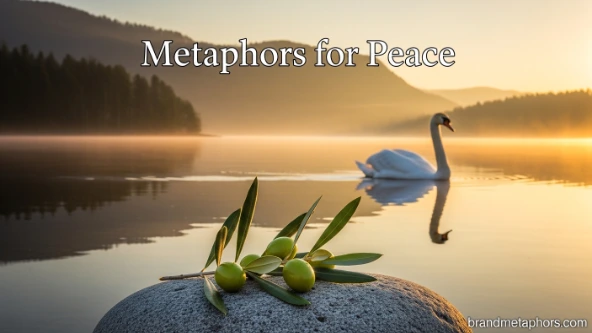
Introduction: The Sound of Still Water
Imagine standing beside a quiet lake just before sunrise. The water barely moves. The wind whispers through the trees. Somewhere in the distance, birds begin their morning songs. For a moment, the world feels softer, lighter, slower. That feeling—that deep exhale of the soul—is what many people call peace.
Yet peace can be difficult to describe directly. It is not always silence. It is not simply the absence of conflict. Sometimes peace feels like warm tea on a cold evening. Sometimes it feels like a steady lighthouse during a storm. Language often reaches for metaphors because peace is emotional, spiritual, and deeply personal.
Metaphors for peace help writers, speakers, students, poets, and everyday people express calmness in vivid and memorable ways. They turn abstract emotions into images we can see, hear, and feel. Whether you are writing poetry, crafting social media captions, journaling, teaching children, or simply searching for comforting words, peaceful metaphors can add beauty and meaning to your expression.
In this article, you’ll explore rich metaphors for peace, their meanings, examples, emotional layers, and creative uses. You’ll also find exercises, storytelling prompts, and practical tips to help you use these metaphors naturally in writing and daily life.
Why Metaphors for Peace Matter in Writing and Life
Peace is one of the most universal human desires. Every culture searches for it. Every heart longs for it. But because peace is invisible, metaphors give it shape.
When someone says, “Her voice was a soft blanket over the room,” you immediately feel comfort. The metaphor paints peace as warmth and safety. It transforms emotion into imagery.
Metaphors for peace can:
- Make writing more emotional and memorable
- Help readers connect with calm experiences
- Add poetic depth to speeches and stories
- Encourage mindfulness and reflection
- Improve creative expression in journals and social posts
Writers often use peaceful imagery to slow the rhythm of a story. Teachers use it to explain emotions to children. Therapists and mindfulness coaches use metaphorical language to guide relaxation and healing.
Even in everyday conversations, peaceful metaphors create gentler communication. Instead of saying, “I feel calm,” someone might say, “My mind feels like still water.” The second phrase carries more texture and emotional depth.
Peace as a Quiet River
One of the most timeless metaphors for peace compares it to a river flowing slowly and steadily.
A peaceful river does not rush. It moves with grace. It bends around obstacles rather than fighting them. This metaphor often symbolizes emotional balance, patience, and acceptance.
Meaning and Symbolism
A river represents movement without chaos. It teaches that peace is not always stillness. Sometimes peace means continuing forward calmly despite difficulties.
Example Sentence
“After forgiving his brother, peace flowed through him like a quiet river under moonlight.”
Alternative Expressions
- Peace drifted through her soul like calm water
- His thoughts moved like a gentle stream
- Serenity rolled over the village like a slow river
Emotional and Sensory Details
This metaphor often evokes:
- Cool air
- Soft water sounds
- Silver moonlight
- Smooth stones beneath bare feet
Mini Storytelling Example
An exhausted traveler sits beside a river after weeks of hardship. He listens to the flowing water and realizes nature never hurries, yet it always reaches its destination. Suddenly, his anxious thoughts begin to soften.
Creative Tip
Use river metaphors when writing about healing, emotional recovery, forgiveness, or spiritual journeys.
Peace as a Warm Blanket
Some metaphors make peace feel physical and comforting. A warm blanket metaphor creates immediate feelings of safety and rest.
Meaning and Explanation
A blanket protects and comforts. Comparing peace to a blanket suggests emotional shelter from stress, fear, or chaos.
Example Sentence
“The quiet snowfall wrapped the town in a blanket of peace.”
Alternative Ways to Express It
- Calm settled over her like soft fabric
- Silence covered the room like velvet
- Peace hugged his heart like winter warmth
Emotional Texture
This metaphor often suggests:
- Safety
- Home
- Comfort
- Emotional healing
Real-Life Connection
People often describe peaceful childhood memories this way: sitting beside grandparents, reading during rainstorms, or falling asleep while hearing gentle music. The “blanket” becomes emotional protection.
Bonus Writing Tip
This metaphor works beautifully in:
- Cozy fiction
- Romantic writing
- Mental wellness content
- Seasonal poetry
Peace as a Lighthouse in the Storm
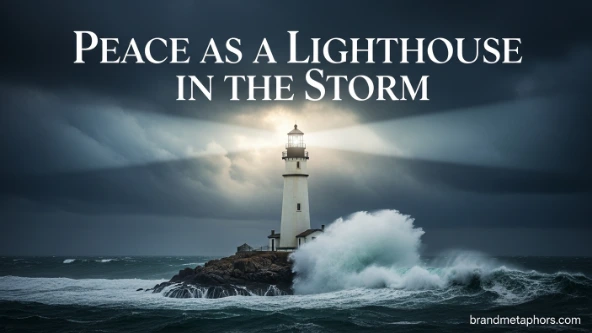
Not all peace means silence. Sometimes peace is strength during chaos. The lighthouse metaphor is especially powerful because it combines calmness with guidance.
Meaning
A lighthouse remains steady even during violent storms. This metaphor suggests inner stability, wisdom, and hope.
Example Sentence
“Her patience became a lighthouse in the middle of our family’s storm.”
Alternative Expressions
- Calm stood like a beacon in darkness
- Peace glowed through the chaos
- His wisdom anchored the frightened crowd
Sensory Details
Imagine:
- Crashing waves
- Dark skies
- Bright rotating light
- Cold ocean wind
The contrast makes the peaceful image stronger.
Literary and Cultural Reference
Lighthouses frequently appear in literature as symbols of hope and emotional direction. Many classic novels use the sea to represent emotional turmoil, while the lighthouse represents peace and purpose.
Creative Use
Use this metaphor when discussing:
- Leadership
- Emotional resilience
- Parenting
- Friendship during difficult times
Peace as an Open Sky
The sky metaphor creates feelings of freedom, spaciousness, and emotional release.
Meaning and Symbolism
An open sky suggests limitless calm. It reminds readers that peace can feel expansive rather than confined.
Example Sentence
“After meditation, her thoughts stretched into an endless blue sky.”
Alternative Ways to Say It
- His mind cleared like clouds after rain
- Peace opened above her like morning skies
- Serenity floated wide and endless
Emotional Effect
This metaphor often creates:
- Mental clarity
- Freedom
- Lightness
- Hopefulness
Interactive Exercise
Take five minutes and complete this sentence:
“Peace feels like the sky because…”
Try writing three different endings. This helps train your mind to think metaphorically.
Bonus Social Media Caption
“Protect your peace like the sky protects the stars.”
Peace as a Garden in Bloom
Gardens are powerful symbols of emotional and spiritual growth. A peaceful mind is often compared to a flourishing garden.
Meaning
Gardens require patience, care, sunlight, and time. Peace also grows slowly through attention and balance.
Example Sentence
“Years of forgiveness turned her heart into a blooming garden.”
Alternative Expressions
- Calm blossomed inside him
- Her soul became fertile ground for joy
- Peace grew quietly like spring flowers
Sensory Elements
This metaphor may include:
- Floral scents
- Morning dew
- Butterflies
- Warm sunlight
Mini Storytelling
A widow spends months planting flowers after loss. At first, the garden is empty soil. Slowly, color returns to the earth—and to her heart. The blooming flowers mirror her healing process.
Writing Tip
Garden metaphors work especially well in:
- Inspirational blogs
- Self-growth writing
- Spiritual reflections
- Healing narratives
Peace as Soft Music
Music has long been connected to emotional harmony. Peaceful metaphors involving music create rhythm and emotional movement.
Meaning and Explanation
Soft music represents emotional balance and harmony between thoughts, emotions, and surroundings.
Example Sentence
“The teacher’s voice drifted through the classroom like gentle piano music.”
Alternative Comparisons
- Peace hummed softly in the background
- Calm moved like a slow violin melody
- Serenity played through the evening air
Emotional Resonance
Music metaphors often suggest:
- Emotional harmony
- Grace
- Relaxation
- Nostalgia
Cultural Connection
Different cultures associate peace with musical instruments:
- Flutes in Eastern traditions
- Harps in spiritual imagery
- Singing bowls in meditation practices
Creative Prompt
Describe a peaceful memory as if it were a song. What instrument would it sound like? What rhythm would it carry?
Peace as Morning Light
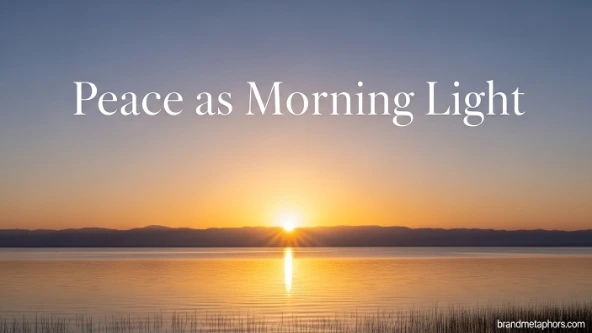
Morning light symbolizes renewal, hope, and fresh beginnings. It is one of the most uplifting metaphors for peace.
Meaning
This metaphor suggests emotional awakening after darkness or hardship.
Example Sentence
“After months of anxiety, peace entered her life like golden morning light.”
Alternative Expressions
- Calm broke through like dawn
- Serenity rose with the sun
- Hope glowed softly across his thoughts
Sensory Experience
Readers may imagine:
- Golden sunlight
- Cool morning air
- Birdsong
- Quiet streets
Emotional Meaning
Morning light metaphors often imply:
- Recovery
- New beginnings
- Emotional clarity
- Spiritual awakening
Writing Advice
Use dawn imagery when transitioning from sadness to hope in stories or poetry.
Peace as a Sleeping Child
This metaphor captures innocence, trust, and complete calmness.
Meaning and Symbolism
A sleeping child symbolizes vulnerability without fear. It reflects deep emotional safety and purity.
Example Sentence
“The village rested in peace like a sleeping child beneath the stars.”
Alternative Ways to Express It
- Calm rested gently over the house
- Silence breathed softly through the night
- Peace slept quietly beside them
Emotional Impact
This metaphor creates tenderness and emotional warmth. It is often used in emotional storytelling or reflective writing.
Real-Life Reflection
Many parents describe watching a sleeping child as one of the purest peaceful moments they experience. The stillness feels sacred.
Bonus Tip
Use this metaphor carefully and sincerely. Overusing sentimental imagery can weaken emotional impact.
Peace as Falling Snow
Snow metaphors create silence and softness. Snow transforms loud landscapes into quiet worlds.
Meaning
Falling snow symbolizes stillness, gentleness, and emotional quiet.
Example Sentence
“Peace descended upon the crowd like slow winter snow.”
Alternative Expressions
- Silence drifted softly through the streets
- Calm settled like snowflakes at dusk
- Serenity covered the moment in white stillness
Sensory Details
This metaphor evokes:
- Crisp cold air
- Muffled sounds
- White landscapes
- Gentle motion
Literary Feeling
Snow often appears in reflective literature because it slows the world visually and emotionally.
Interactive Exercise
Write a paragraph describing peace without using the word “peace.” Use snowfall imagery instead.
How to Create Your Own Metaphors for Peace
Creating original metaphors makes your writing more personal and memorable.
Step 1: Think About How Peace Feels
Ask yourself:
- Does peace feel warm or cool?
- Fast or slow?
- Bright or dark?
- Loud or silent?
Step 2: Connect the Feeling to an Object or Scene
For example:
- Calm feels warm → fireplace metaphor
- Peace feels open → sky metaphor
- Peace feels safe → harbor metaphor
Step 3: Add Sensory Details
Instead of saying: “Peace felt nice.”
Try: “Peace settled into the room like candlelight flickering against old wooden walls.”
Practice Prompt
Complete these:
- Peace is like…
- Serenity moves like…
- Calm sounds like…
Write at least five versions without judging yourself.
Using Peace Metaphors in Social Media, Poetry, and Daily Life

Peaceful metaphors are useful far beyond poetry books. They can enrich daily communication and digital content.
In Social Media Captions
Examples:
- “Protect your peace like a garden.”
- “My soul feels like still water today.”
- “Peace arrived quietly like snowfall.”
In Poetry
Peace metaphors help create atmosphere and emotional rhythm. Pair them with nature imagery for stronger emotional impact.
In Journaling
Instead of writing: “I felt calm today.”
Try: “My thoughts floated like clouds across a summer sky.”
In Conversations
Gentle metaphorical language softens communication:
- “I need a little quiet river energy today.”
- “That moment felt like sunlight after rain.”
Bonus Tip
Keep a “metaphor notebook.” Whenever you encounter peaceful experiences, describe them creatively.
Common Mistakes to Avoid When Writing Peaceful Metaphors
Even beautiful metaphors can become ineffective if overused.
Avoid Clichés Without Personal Detail
Phrases like “calm as a dove” may feel too familiar unless expanded creatively.
Instead try: “Peace perched on her shoulder like a rain-soaked dove finally resting.”
Don’t Mix Too Many Images
Combining unrelated metaphors confuses readers.
Example of confusion: “Peace was a river of sunlight singing through a blanket of stars.”
Choose one central image at a time.
Match Tone Carefully
A peaceful metaphor should fit the emotional atmosphere of your writing.
Use Simplicity
The strongest metaphors are often clear and emotionally honest rather than overly complicated.
FAQs About Metaphors for Peace
What is a metaphor for peace?
A metaphor for peace compares peace to something else in a symbolic or imaginative way, such as a quiet river, soft snowfall, or warm blanket.
Why are metaphors for peace useful?
They help people express calm emotions vividly and emotionally, making writing more engaging and relatable.
Can peace metaphors be used in everyday conversations?
Yes. People often use peaceful imagery naturally in journaling, conversations, social media captions, and motivational writing.
What are some nature metaphors for peace?
Popular examples include:
- Calm water
- Open skies
- Gentle rain
- Blooming gardens
- Falling snow
How can I create original metaphors for peace?
Focus on sensory experiences and emotions. Think about what peace feels like physically or emotionally, then compare it to a meaningful object, scene, or experience.
Conclusion
Peace is difficult to hold in words alone. It is a feeling that slips quietly between breaths, sunsets, and moments of understanding. That is why metaphors matter. They help us touch the invisible.
A river teaches us flow. A lighthouse teaches steadiness. A garden teaches patience. Morning light teaches renewal.
The beauty of metaphors for peace is that they invite readers not just to understand calmness—but to feel it.
Whether you are writing poetry, healing from stress, creating social media content, or simply searching for gentler language, peaceful metaphors can transform ordinary words into emotional experiences.
So the next time life becomes noisy, pause for a moment and ask yourself:
What does peace look like to me?
Maybe it is falling snow. Maybe it is candlelight. . it is the quiet lake at sunrise, waiting patiently beneath the sky.