
Introduction
Picture this: you’re handed a task you’ve been dreading all week. Your mind prepares for struggle, resistance, maybe even frustration. But then—unexpectedly—it flows. No friction, no confusion, no stress. It’s done almost before you realize it began. In moments like these, we instinctively reach for language that captures that feeling: “That was a breeze,” or “It was like walking in the park.”
These phrases aren’t just casual expressions—they’re metaphors. And they reveal something powerful about how we understand ease. We don’t just say something is “easy”; we compare it to smooth paths, light winds, or effortless motions.
Metaphors for “easy” shape how we perceive challenges, communicate experiences, and even influence our confidence. They can soften intimidating tasks or, sometimes, oversimplify real effort. In this article, we’ll explore the richness behind these metaphors—what they mean, how they work, and how you can use them thoughtfully in everyday life. By the end, you won’t just recognize these expressions—you’ll understand the subtle psychology behind them.
What Does “Easy” Really Mean?
At its core, “easy” suggests a lack of resistance. It implies something that doesn’t demand excessive effort, skill, or time. But the concept isn’t as straightforward as it seems. What feels easy to one person may feel overwhelming to another.
Metaphors help bridge this gap by translating abstract ease into shared, sensory experiences. When someone says, “It’s like cutting butter with a warm knife,” they’re inviting you into a physical sensation—smooth, effortless, almost satisfying.
Ease is often relative. A seasoned driver might describe parallel parking as “second nature,” while a beginner might see it as a stressful ordeal. Metaphors normalize these differences by framing ease as something contextual, not absolute.
Understanding this helps us use metaphors more effectively. Instead of dismissing difficulty, we can use these expressions to guide, reassure, or motivate. They become tools of empathy, not just description.
Why We Use Metaphors for Easy
Metaphors simplify communication by connecting unfamiliar tasks to familiar experiences. Instead of explaining how something is easy, we show it through imagery.
When someone says, “It’s a piece of cake,” they’re not describing the task—they’re describing the feeling associated with it: pleasant, simple, enjoyable. This emotional shorthand makes communication quicker and more engaging.
Metaphors also influence mindset. If you approach something thinking it will be “smooth sailing,” you’re more likely to remain calm and confident. On the other hand, if ease is overstated, it can create unrealistic expectations.
There’s also a social aspect. Using metaphors signals shared understanding. It creates connection, making conversations feel more relatable and human.
Ultimately, metaphors for easy aren’t just decorative—they shape perception, expectation, and emotional response.
“A Walk in the Park”: Comfort and Familiarity
The Meaning Behind the Metaphor
When something is described as “a walk in the park,” it suggests comfort, relaxation, and predictability. Parks are associated with calm environments, gentle movement, and no urgency.
Real-Life Scenario
Imagine preparing for an exam you’ve studied for thoroughly. As you sit down to take it, everything feels familiar. Questions align with what you’ve practiced. You might later say, “That test was a walk in the park.”
Deeper Insight
This metaphor emphasizes familiarity over simplicity. The task isn’t necessarily easy by nature—it feels easy because you’re prepared.
It reminds us that ease often comes from repetition and confidence. What once felt difficult becomes natural over time.
“A Piece of Cake”: Effortless Enjoyment
Why Cake?
Cake represents indulgence and pleasure. It’s something people enjoy without struggle. So when a task is “a piece of cake,” it feels almost rewarding rather than demanding.
Example
Finishing a routine assignment at work might feel like a piece of cake if you’ve done similar tasks many times.
Emotional Layer
This metaphor adds a sense of satisfaction. It’s not just easy—it’s enjoyable. That distinction matters because it shifts our attitude from obligation to enthusiasm.
“As Easy as Pie”: Simplicity with Warmth
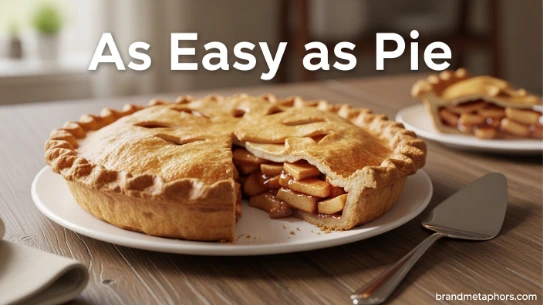
Though similar to “a piece of cake,” “as easy as pie” carries a slightly different tone. It feels homier, more nostalgic.
Interpretation
Pie often evokes comfort, tradition, and simplicity. This metaphor suggests not just ease, but a kind of wholesome straightforwardness.
Application
You might use this phrase when teaching someone something basic, like baking a simple recipe or explaining a fundamental concept.
It softens the experience, making it feel approachable rather than intimidating.
“Smooth Sailing”: Absence of Obstacles
The Core Idea
This metaphor comes from sailing conditions where the water is calm and the journey is uninterrupted.
Scenario
Starting a project and encountering no unexpected issues—everything goes according to plan.
Lesson
“Smooth sailing” emphasizes external conditions. Sometimes ease isn’t about skill—it’s about circumstances aligning in your favor.
It’s a reminder to appreciate moments when things simply work.
“Like Riding a Bike”: Learned Ease
Meaning
This metaphor highlights skills that, once learned, become automatic.
Example
Returning to a hobby after years and finding you can still do it with little effort.
Insight
Ease here comes from memory and practice. It reinforces the idea that effort invested earlier creates ease later.
“A Breeze”: Lightness and Speed
Interpretation
A breeze is gentle, quick, and barely noticeable. Calling something “a breeze” suggests it required minimal effort and time.
Everyday Use
Completing a quick task before lunch and barely noticing the time passing.
Emotional Tone
This metaphor emphasizes lightness. It removes any sense of burden, making the task feel almost invisible.
“Like Butter”: Smooth and Effortless Motion
Meaning
Butter spreads easily, glides smoothly, and offers no resistance.
Scenario
Writing an essay where ideas flow naturally without pauses.
Insight
This metaphor captures the feeling of ease—the physical sensation of smooth progress.
It’s particularly powerful in creative or fluid activities.
“Second Nature”: Effortlessness Through Habit
Explanation
When something becomes second nature, it feels instinctive.
Example
Typing without looking at the keyboard or speaking a language fluently.
Deeper Meaning
This metaphor highlights transformation. What was once learned consciously becomes automatic.
It’s a powerful reminder that ease is often earned.
“No Sweat”: Effort Without Strain
Meaning
Sweat symbolizes effort and exertion. Saying “no sweat” suggests the absence of struggle.
Real-Life Example
Helping a friend with a simple favor and responding, “No sweat.”
Emotional Impact
This metaphor conveys confidence and generosity. It reassures others that the task isn’t a burden.
“Like Falling Off a Log”: Unavoidable Ease
Interpretation
This phrase suggests something is so easy it requires no skill or attention.
Scenario
Performing a very basic task repeatedly.
Insight
It can sometimes carry a dismissive tone, implying that something requires almost no intelligence or effort.
Use it carefully to avoid sounding condescending.
When “Easy” Isn’t Actually Easy
Metaphors can sometimes mislead. Calling something “easy” doesn’t make it so for everyone.
Common Misunderstanding
A teacher might say a concept is “simple,” but students may struggle. This gap can create frustration or self-doubt.
Reflection
Ease is subjective. Metaphors should guide, not invalidate experience.
Recognizing this helps us communicate more thoughtfully.
How Metaphors Shape Mindset
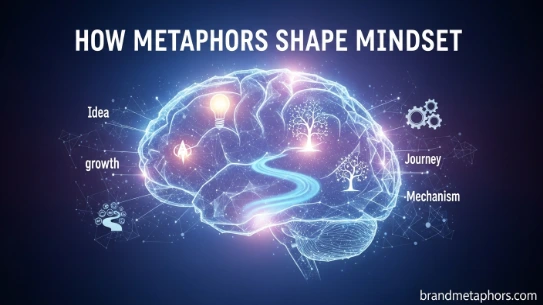
Language influences perception. If you describe a task as easy, you may approach it with more confidence.
Positive Framing
Saying “You’ll get the hang of it—it’s like riding a bike” encourages persistence.
Caution
Overusing “easy” metaphors can minimize real effort. Balance is key.
Metaphors should empower, not pressure.
Using Metaphors for Easy in Everyday Life
In Communication
Use metaphors to explain concepts clearly and engagingly.
In Teaching
They help learners visualize and relate to new ideas.
In Motivation
Framing tasks as manageable can reduce anxiety and increase action.
The key is choosing metaphors that match the listener’s experience.
Creating Your Own Metaphors for Easy
You don’t have to rely on common phrases. Personal metaphors can be even more powerful.
How to Create Them
- Think of something that feels effortless to you
- Connect it to the task
- Keep it simple and vivid
Example
“If feels like scrolling through your favorite app—quick and natural.”
Custom metaphors feel more authentic and memorable.
Conclusion
Metaphors for “easy” do more than decorate language—they shape how we understand effort, challenge, and success. From “a walk in the park” to “smooth sailing,” each expression captures a unique dimension of ease, whether it’s familiarity, enjoyment, or absence of resistance.
But beneath these phrases lies a deeper truth: ease is rarely inherent. It’s often the result of practice, preparation, or perspective. By recognizing this, we can use metaphors more thoughtfully—not to dismiss difficulty, but to make it feel approachable.
When used well, these expressions become tools of clarity and encouragement. They help us connect, teach, and motivate. And perhaps most importantly, they remind us that what feels hard today may one day feel effortless.
FAQs
What are metaphors for easy?
Metaphors for easy are figurative expressions that describe something simple or effortless by comparing it to familiar, low-effort experiences.
Why do people use metaphors instead of just saying “easy”?
Metaphors make communication more vivid, relatable, and emotionally engaging by creating imagery and shared understanding.
Are metaphors for easy always accurate?
No, they are subjective. What feels easy to one person may not be easy for another.
What is the most common metaphor for easy?
“A piece of cake” and “a walk in the park” are among the most widely used metaphors.
Can using “easy” metaphors be harmful?
Yes, if overused or misapplied, they can minimize real challenges and make others feel inadequate.
How can I create my own metaphor for easy?
Think of something effortless in your experience and use it as a comparison for the task you’re describing.
Do metaphors affect mindset?
Yes, they can influence how people perceive tasks, often making them feel more manageable or less intimidating.
When should I avoid using metaphors for easy?
Avoid them when explaining complex topics to beginners, as they may oversimplify and cause confusion.