
Introduction
Imagine standing barefoot on warm soil after a gentle rain. The ground feels alive—soft, steady, and quietly powerful beneath you. You might not think about it often, but the Earth carries everything: your steps, your memories, your struggles, and your growth. What if the ground beneath you isn’t just dirt and rock, but a story waiting to be understood?
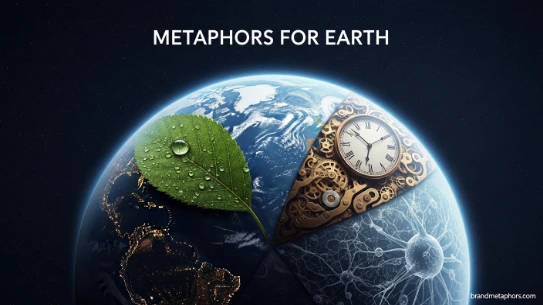
Metaphors for Earth help us see this familiar planet in deeper, more meaningful ways. They transform something physical into something emotional, symbolic, and personal. Whether we think of Earth as a mother, a teacher, or a mirror, these metaphors shape how we connect with the world and with ourselves.
In everyday life, we often overlook the significance of Earth—not just as a place, but as a concept. Exploring metaphors for Earth allows us to rediscover its meaning, reflect on our place within it, and gain insights that extend beyond nature into relationships, growth, and resilience.
Earth as a Mother: Nurture and Unconditional Care
One of the most common metaphors for Earth is that of a mother—steady, nurturing, and endlessly giving. Just as a mother provides food, comfort, and protection, the Earth offers everything necessary for life to exist and flourish.
Think about how crops grow from soil, how rivers nourish communities, and how ecosystems support countless species. This mirrors the quiet sacrifices and care often associated with motherhood.
The Emotional Connection
This metaphor creates a sense of belonging. When people refer to “Mother Earth,” they are not just describing the planet—they are expressing gratitude and responsibility. It invites us to treat the Earth with respect, much like we would care for someone who raised us.
Practical Reflection
Seeing Earth as a mother can influence daily habits. It may encourage more mindful choices—reducing waste, conserving resources, or simply appreciating nature. The metaphor reminds us that taking care of Earth is not optional; it’s a relationship.
Earth as a Home: Safety, Belonging, and Identity
Earth is often described as our home, but this metaphor goes deeper than physical shelter. It reflects a sense of identity, grounding, and emotional security.
Imagine returning home after a long day. There is comfort in familiarity, in knowing where you belong. Earth provides that same sense on a global scale.
Beyond Physical Space
Home is not just walls and roofs—it’s connection. The Earth holds cultures, histories, and personal memories. Each place carries meaning, shaping who we are.
Lessons from This Metaphor
If Earth is our home, how we treat it reflects our values. Neglecting it is like neglecting our own living space. Caring for it becomes a form of self-respect.
Earth as a Teacher: Lessons in Patience and Balance
The Earth teaches without speaking. Seasons change, rivers flow, and mountains stand through centuries. Each element offers a lesson.
A tree, for example, grows slowly. It doesn’t rush, yet it reaches great heights. This teaches patience and persistence.
Learning Through Observation
By observing nature, we learn about balance—how ecosystems function in harmony. Too much or too little of anything disrupts the system.
Real-Life Application
In life, we often struggle with impatience or imbalance. The Earth reminds us that growth takes time and that stability comes from harmony.
Earth as a Mirror: Reflection of Human Behavior
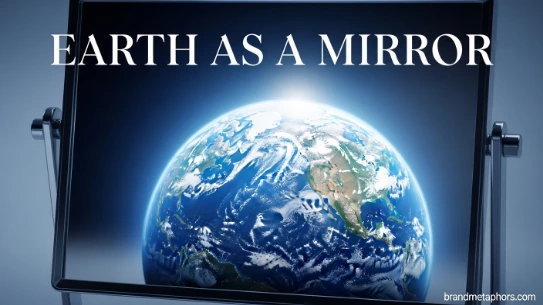
Sometimes, the Earth reflects our actions back to us. Pollution, climate change, and environmental damage are not just problems—they are consequences.
This metaphor suggests that the state of the Earth mirrors the state of humanity.
A Deeper Insight
If the Earth is suffering, it may indicate imbalance in how we live. It encourages reflection: Are we consuming too much? Ignoring long-term effects?
Personal Connection
On a smaller scale, this metaphor can apply to individual life. Just as the Earth reflects collective actions, our environment often reflects our habits and choices.
Earth as a Foundation: Stability and Strength
The Earth is the literal foundation beneath our feet. As a metaphor, it represents stability, reliability, and grounding.
When life feels uncertain, we often seek something solid—something we can depend on. Earth symbolizes that constant support.
Emotional Stability
This metaphor reminds us to build our lives on strong foundations—values, relationships, and principles that can withstand challenges.
Everyday Example
Consider someone who remains calm during chaos. They are often described as “grounded,” drawing directly from this metaphor.
Earth as a Cycle: Renewal and Continuity
Nothing on Earth is static. Seasons change, plants grow and decay, and life continuously renews itself.
This cyclical nature makes Earth a powerful metaphor for renewal and transformation.
Embracing Change
Just as winter leads to spring, difficult phases in life often lead to growth. The Earth teaches that endings are not final—they are part of a cycle.
Practical Lesson
Understanding this metaphor can help people cope with change. Loss, failure, or uncertainty can be seen as transitions rather than permanent states.
Earth as a Garden: Cultivation and Care
Thinking of Earth as a garden emphasizes responsibility. A garden thrives only when it is cared for—watered, nurtured, and protected.
Personal Growth Parallel
Just like a garden, our lives require attention. Neglect leads to disorder, while care leads to growth.
Everyday Scenario
Imagine someone working toward a goal. Their effort is like tending a garden—small actions over time lead to meaningful results.
Earth as a Storybook: Layers of History and Memory
The Earth holds stories in its layers—fossils, landscapes, and ancient formations all tell tales of the past.
Understanding the Past
This metaphor highlights the importance of history. Just as the Earth carries its past, we carry our experiences.
Reflection
By understanding where we come from, we gain clarity about where we are going. The Earth reminds us that every layer has meaning.
Earth as a Balance Scale: Harmony and Equilibrium
Nature operates on balance. Ecosystems depend on harmony between elements.
When Balance is Broken
Too much pollution, deforestation, or resource use disrupts this equilibrium. This metaphor teaches that imbalance leads to consequences.
Life Application
In daily life, balance is equally important—between work and rest, giving and receiving, ambition and contentment.
Earth as a Silent Companion: Presence Without Words
The Earth is always there, quietly supporting life without asking for recognition.
Emotional Insight
This metaphor reflects relationships where presence matters more than words. Sometimes, simply being there is enough.
Relatable Example
Think of sitting in nature during a difficult time. The silence itself can feel comforting, like a companion that understands without speaking.
Earth as a Healer: Restoration and Renewal
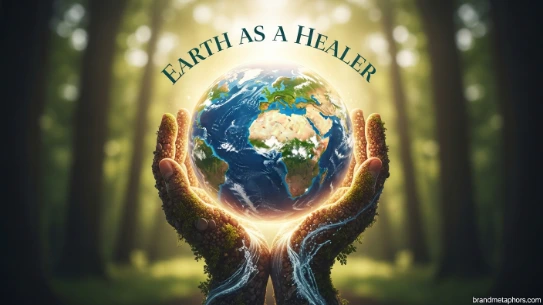
Nature has a way of healing. Fresh air, greenery, and open spaces can calm the mind and restore energy.
The Healing Power
This metaphor highlights Earth’s ability to repair—not only ecosystems but also emotional states.
Practical Use
Spending time outdoors can improve mental well-being. The Earth becomes a source of recovery and peace.
Earth as a Puzzle: Complexity and Interconnection
Everything on Earth is connected. Ecosystems, weather patterns, and life forms all interact in complex ways.
Understanding Interdependence
This metaphor reminds us that actions have ripple effects. Nothing exists in isolation.
Real-Life Lesson
In human life, relationships and systems are interconnected. Understanding this can lead to more thoughtful decisions.
Earth as a Treasure Chest: Hidden Value and Resources
The Earth holds countless resources—minerals, water, and biodiversity.
Appreciating Value
This metaphor encourages appreciation and careful use of resources.
Cautionary Insight
A treasure chest can be emptied if overused. The Earth teaches moderation and responsibility.
Earth as a Journey: Movement and Exploration
Life on Earth is not static—it is a journey filled with discovery.
Personal Growth
This metaphor aligns with the idea that life itself is a journey. The Earth becomes the stage where experiences unfold.
Reflection
Every step taken on Earth contributes to personal growth and understanding.
Conclusion
Metaphors for Earth offer more than creative expression—they provide a deeper way to understand life, relationships, and personal growth. Whether seen as a mother, a teacher, or a foundation, Earth reflects values that shape how we live and interact with the world. These metaphors remind us that the planet is not separate from us; it is deeply connected to our experiences and choices. By viewing Earth through these symbolic lenses, we gain insight into balance, care, and resilience. Ultimately, these perspectives encourage a more mindful and meaningful relationship with the world beneath our feet.
FAQs
What are metaphors for Earth?
Metaphors for Earth are symbolic comparisons that describe the planet in meaningful ways, such as a mother, home, or teacher, to convey deeper understanding.
Why are Earth metaphors important?
They help people connect emotionally and conceptually with the planet, encouraging awareness, reflection, and responsible behavior.
What is the most common metaphor for Earth?
“Mother Earth” is one of the most widely used metaphors, emphasizing care, nurture, and life-giving qualities.
How can metaphors for Earth be used in writing?
They can enhance storytelling, poetry, and essays by adding depth, imagery, and emotional resonance.
Can Earth metaphors apply to personal life?
Yes, many metaphors—like Earth as a garden or teacher—offer lessons about growth, patience, and balance in everyday life.
How do metaphors influence environmental awareness?
They create emotional connections, making people more likely to care about and protect the environment.
Are Earth metaphors universal?
While many are shared globally, different cultures may interpret and express them in unique ways based on traditions and beliefs.