Specter vs Spectre

Specter vs Spectre

Introduction Strong writing is more than correct grammar. It also depends on word choice, descriptive language, and clear expression. Whether you are writing a story, poem, essay, or business document, choosing the right word helps readers understand your message. This is why learning the difference between specter vs spectre is useful for students, writers, and … Read more
Mom vs Mum

Mom vs Mum

Introduction Figurative language makes writing more colorful, memorable, and engaging. Whether you’re writing a story, poem, essay, or everyday message, using descriptive language, metaphors, similes, and vivid expressions helps readers connect with your ideas. Strong vocabulary and the right word choices also improve communication and make your writing sound natural. One common question among students, … Read more

Moose vs Mousse

Moose vs Mousse

Introduction Clear writing begins with choosing the right words. Whether you’re writing a school essay, a creative story, a business email, or a social media post, using accurate vocabulary helps readers understand your message. While figurative language adds color and emotion to writing through metaphors, similes, imagery, and descriptive language, precise word choice ensures your … Read more

Once in a Blue Moon

Once in a Blue Moon

Human language is full of colorful expressions that make communication vivid, emotional, and memorable. One such popular idiomatic phrase describes events that happen extremely rarely and unexpectedly. This article explores its meaning, usage, importance in English communication, and real-life applications in a simple, engaging way for learners and writers. 1. Introduction to Rare Event Expressions … Read more

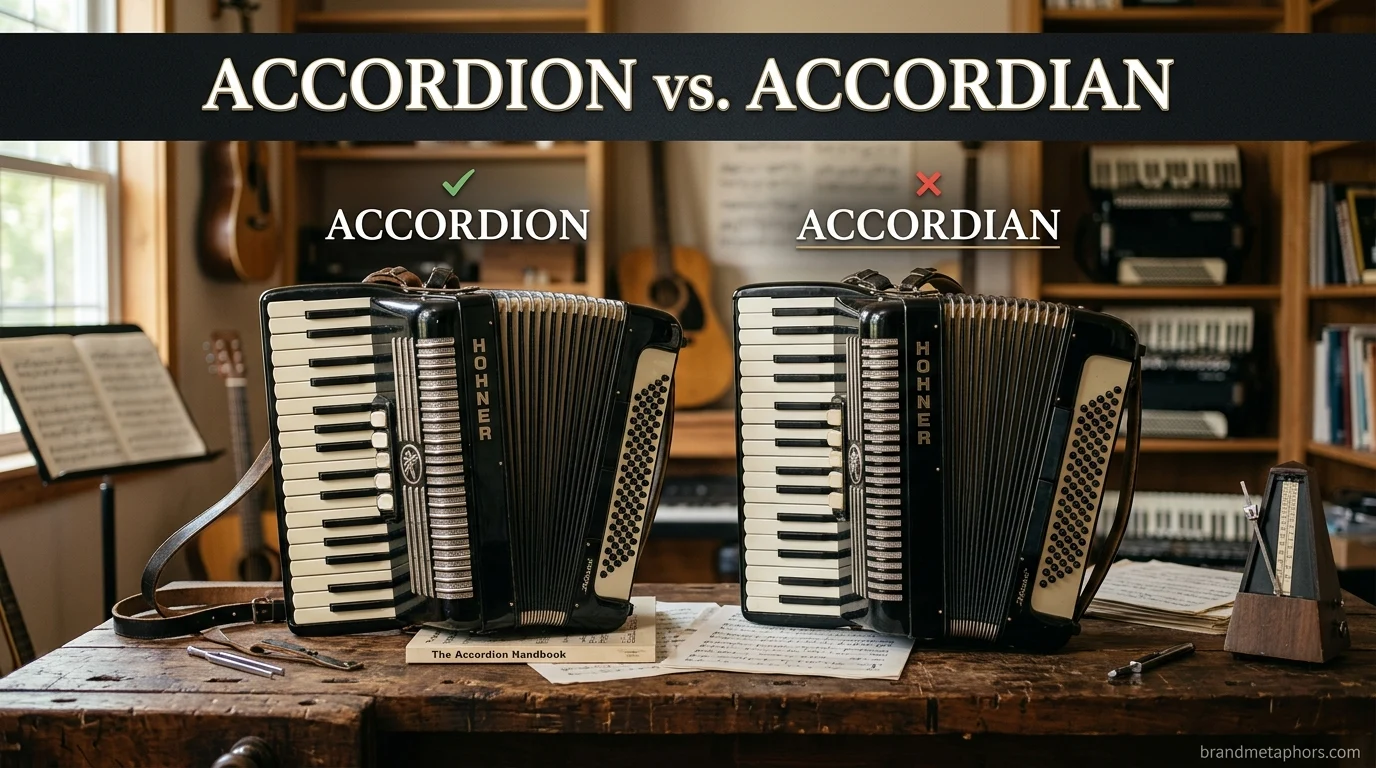
Accordion vs Accordian

Accordion vs Accordian

Introduction: Why Language Precision and Figurative Expression Matter in Writing Strong writing is not only about grammar rules—it is also about clarity, expression, and the ability to shape ideas in ways that readers can easily understand. Whether you are writing essays, stories, or professional content, tools like figurative language, creative writing techniques, and descriptive language … Read more

Fair vs Good

Fair vs Good

Introduction: Why Figurative Language Improves Writing and Communication Language is not just a tool for communication—it is a powerful way to shape perception, emotion, and understanding. When students and writers explore figurative language, creative writing techniques, and descriptive language, they unlock the ability to express ideas more vividly and persuasively. Words like “good,” “fair,” “excellent,” … Read more

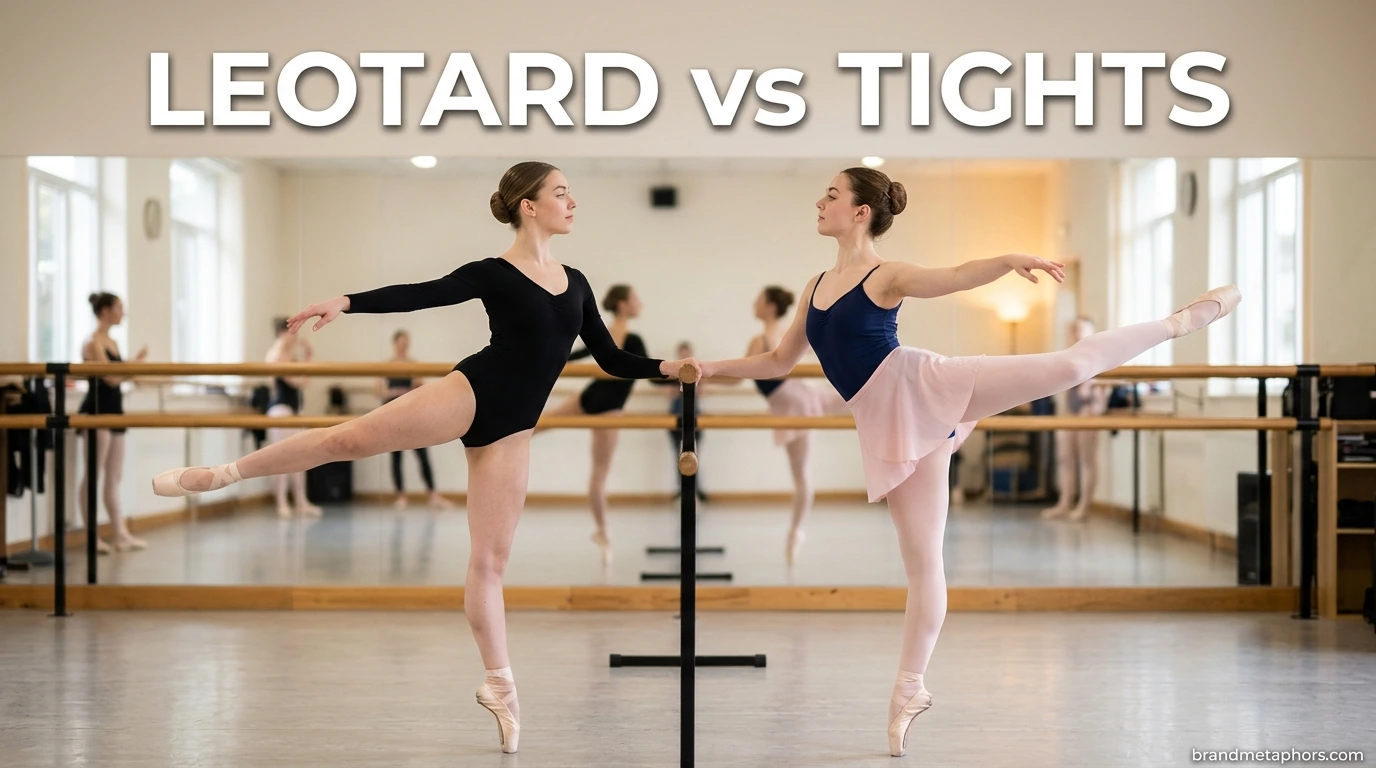
Leotard vs Tights

Leotard vs Tights

1. Introduction: Why Figurative Language Improves Writing and Communication Language is more than just words—it is imagery, rhythm, and emotion combined. When writers use figurative language, they transform simple ideas into vivid mental pictures. This includes tools like similes, metaphors, idioms, descriptive language, and poetic expression, all of which help readers feel the meaning instead … Read more

Much Better

Much Better

Understanding how to express improvement, comparison, and superiority is essential in English communication. One of the most common expressions used in everyday speech, academic writing, and professional communication is “much better.” It appears simple, but its usage carries nuance in tone, grammar, and context. This guide explains its meaning, grammatical structure, alternatives, real-life applications, and … Read more

Receiver vs Reciever

Receiver vs Reciever

1. Introduction: Why Figurative Language Improves Writing and Communication Language is more than just a system of rules—it is a powerful tool for expression, imagination, and communication. When learners explore figurative language, such as metaphors, similes, and descriptive imagery, they begin to understand how words can carry deeper emotional and intellectual meaning beyond their literal … Read more

Foolproof vs Fullproof

Foolproof vs Fullproof

Introduction: Why Language Precision (and Figurative Thinking) Improves Writing Strong writing is not only about grammar—it is about clarity, precision, and expressive control. When students and writers understand subtle differences between similar-looking words, their communication becomes sharper and more professional. At the same time, figurative language plays a powerful role in shaping meaning. Literary devices … Read more