
Introduction
Figurative language makes writing more colorful, memorable, and engaging. Whether you’re writing a story, poem, essay, or everyday message, using descriptive language, metaphors, similes, and vivid expressions helps readers connect with your ideas. Strong vocabulary and the right word choices also improve communication and make your writing sound natural.
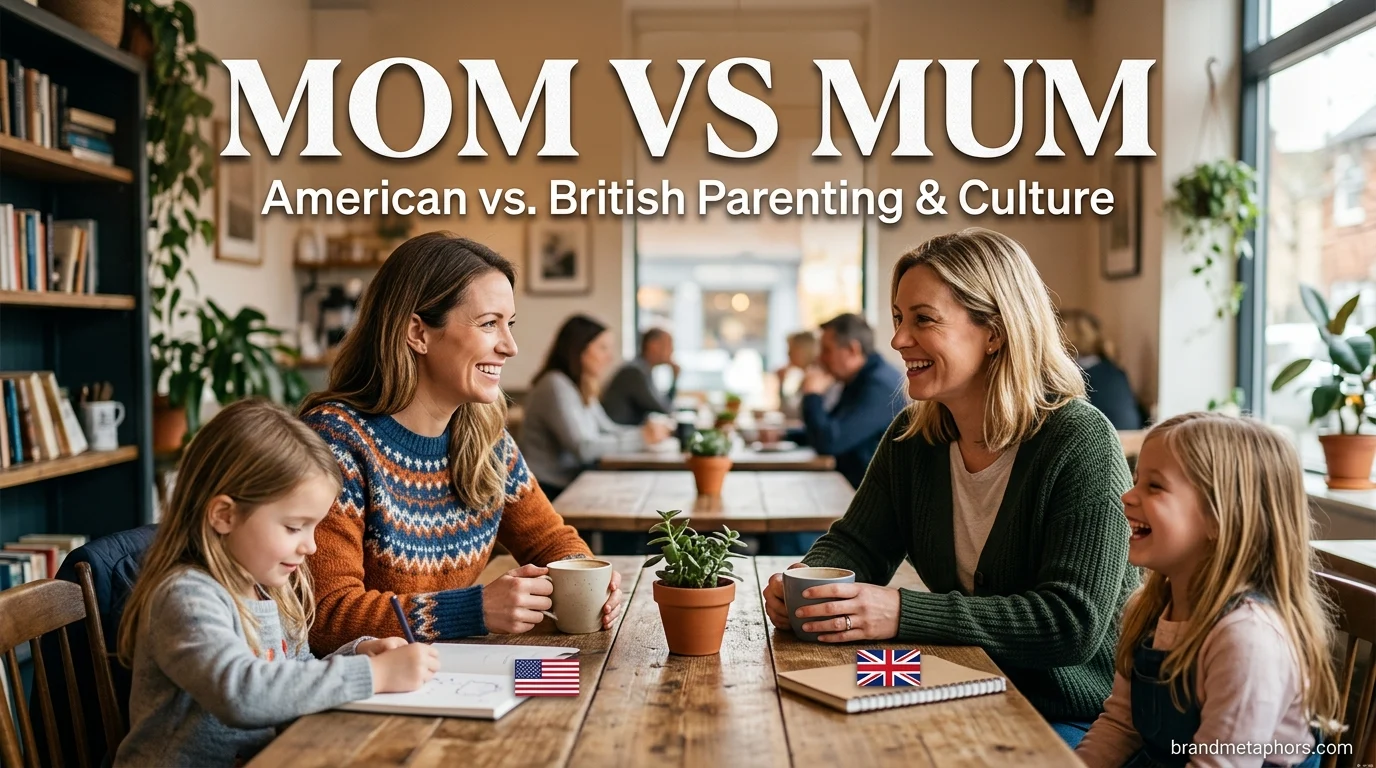
One common question among students, writers, and English learners is mom vs mum. At first glance, these two words seem different, but they actually mean the same thing. The main difference lies in regional English rather than meaning. Understanding when and where to use each spelling helps you write accurately and communicate confidently with people from different English-speaking countries.
This complete guide explains their meanings, differences, pronunciation, examples, writing tips, common mistakes, and much more.
What Do “Mom” and “Mum” Mean?
Both mom and mum are affectionate words for a person’s mother.
They are informal nouns used in everyday conversation instead of the more formal word mother.
Definition
- Mom – The common informal word for “mother” in American English.
- Mum – The common informal word for “mother” in British English and many Commonwealth countries.
Although the spelling changes, the meaning stays exactly the same.
Simple Examples
- My mom made pancakes this morning.
- My mum loves gardening.
- I called my mom after school.
- My mum always remembers birthdays.
Quick Comparison Table
FeatureMomMumMeaningMotherMotherEnglish VarietyAmerican EnglishBritish EnglishAustraliaRareVery commonCanadaCommonAlso used in some areasNew ZealandRareCommonFormalNoNoEveryday SpeechYesYesPronunciation/mɑm//mʌm/
Key Point: Choose the version that matches the variety of English you are writing.
The History Behind the Two Words
The words developed naturally as children learned to speak.
Simple sounds like ma, mum, and mama are among the easiest for babies to pronounce. Many languages have similar words because these sounds develop early.
Over time:
- American English adopted mom.
- British English favored mum.
- Other English-speaking countries mostly followed British usage.
Neither spelling is newer or more correct than the other.
Regional Usage Around the World
Different countries prefer different spellings.
United States
Almost everyone says mom.
Examples:
- I bought flowers for my mom.
- Mom is cooking dinner.
United Kingdom
Most people use mum.
Examples:
- My mum works in London.
- Mum is waiting outside.
Australia
Australians almost always say mum.
Example:
- My mum loves the beach.
New Zealand
“Mum” is the standard choice.
Canada
Canadian English uses both forms.
Many Canadians use mom, while others use mum, depending on family tradition and regional influence.
South Africa
“Mum” appears more often because of British influence.
Grammar Rules and Correct Usage
Both words function exactly the same way in grammar.
As a Noun
- My mom is a teacher.
- My mum enjoys reading.
As Direct Address
- Mom, can you help me?
- Mum, where are my shoes?
Possessive Form
- My mom’s advice helped me.
- My mum’s cake tastes amazing.
Plural Form
- Soccer moms
- Busy mums
Grammar never changes because of the spelling.
Sentence Examples for Everyday English
Family Conversations
- Mom, I’m home.
- Mum, dinner smells wonderful.
- My mom helped with homework.
- My mum packed my lunch.
School Writing
- My mom encourages me to study.
- My mum always supports my education.
- My mom attended the meeting.
- My mum volunteered at school.
Workplace Conversations
- I’ll call my mom later.
- My mum is visiting next week.
- My mom enjoys traveling.
- My mum likes painting.
Storytelling
- Mom smiled as the children laughed.
- Mum hugged her son before school.
- Mom waved from the porch.
- Mum welcomed everyone home.
When Should You Use “Mom” or “Mum”?
Choosing the right word depends on your audience.
Use “Mom” When:
- Writing American English
- Creating content for U.S. readers
- Following American spelling rules
- Writing American fiction
Use “Mum” When:
- Writing British English
- Writing for UK schools
- Creating Australian content
- Following British spelling
Either Is Fine When
- Quoting someone’s speech
- Writing dialogue
- Referring to someone’s personal preference
Consistency matters more than the choice itself.
Creative Writing and Descriptive Language
Word choice shapes the tone of creative writing.
Consider these examples.
Neutral
My mom smiled.
More Descriptive
My mom smiled like sunshine after a storm.
This sentence includes a simile example.
Another example:
My mum was the lighthouse guiding our family.
This is a metaphor example because she is compared directly to a lighthouse.
Figurative Language Examples
Simile
- Mom was as patient as a saint.
- Mum was as gentle as falling snow.
Metaphor
- My mom is my anchor.
- My mum is the heart of our home.
Personification
- Mum’s love wrapped around me like a warm blanket.
- Mom’s kindness opened every closed door.
Hyperbole
- My mom has told me a million times.
- Mum waited forever.
These literary devices make writing stronger and more memorable.
Tone Usage: Choosing the Right Style
The words create a warm and friendly tone.
Informal
- Mom, can you drive me?
- Mum, I’m hungry.
Emotional
- I miss my mom every day.
- My mum always believed in me.
Narrative
- Mom opened the old photo album.
- Mum laughed at childhood memories.
Formal Writing
In academic writing, use mother instead.
Example:
- The child’s mother attended the meeting.
Common Expressions and Related Meanings

Here are common expressions using these words.
ExpressionMeaningMom knows bestMothers often give wiseadvice.Like mother, like daughterChildren resembleparents.Soccer momA parent who drives children to activities.Stay-at-home mumA mother caring for children full-time.
Idiom Meaning
Many family-related idioms include the word mother instead of mom or mum, but all express family relationships and wisdom.
Examples:
- Mother knows best.
- Necessity is the mother of invention.
Learning idioms helps improve vocabulary enhancement and language fluency.
Common Mistakes Students Make
Mistake 1
Using both spellings in one article.
❌ My mom loves tea because my mum drinks it every morning.
✔ My mom loves tea because she drinks it every morning.
OR
✔ My mum loves tea because she drinks it every morning.
Mistake 2
Thinking one spelling is wrong.
Both spellings are correct.
Mistake 3
Changing spelling randomly
Stay consistent.
Mistake 4
Using informal language in formal reports.
Instead of:
“My mom attended the meeting.”
Use:
“My mother attended the meeting.”
Mistake 5
Confusing pronunciation
Although pronunciation differs slightly, both refer to the same person.
Writing Skills and Vocabulary Enhancement
Learning regional vocabulary makes your English stronger.
Here are similar regional differences.
American EnglishBritish EnglishMomMumColorColourFavoriteFavouriteApartmentFlatTruckLorryVacationHolidayCookieBiscuit
Recognizing these differences improves reading, writing, and editing skills.
Tips for Better Writing
- Stay consistent.
- Know your audience.
- Match spelling to the country.
- Read books from different English-speaking regions.
- Practice writing daily.
Practice Exercises
Exercise 1
Choose the correct word.
- My _____ baked cookies.
- _____, where is my backpack?
- My _____ enjoys gardening.
Answers:
American English:
- mom
- Mom
- mom
British English:
- mum
- Mum
- mum
Exercise 2
Rewrite for British English.
“My mom picked me up after school.”
Answer:
“My mum picked me up after school.”
Exercise 3
Rewrite for American English.
“My mum loves gardening.”
Answer:
“My mom loves gardening.”
Exercise 4
Identify the figurative language.
“My mom is the sunshine of my life.”
Answer:
Metaphor.
Exercise 5
Complete the sentence.
“My mum is as kind as ______.”
Possible answers:
- an angel
- spring sunshine
- a warm blanket
- a caring friend
Frequently Asked Questions
1. Is “mom” or “mum” correct?
Both are correct. The choice depends on the variety of English you are using.
2. Which spelling does America use?
American English uses mom almost exclusively.
3. Which spelling does Britain use?
British English prefers mum.
4. Are they pronounced the same?
No. Their pronunciation differs slightly, but both mean “mother.”
5. Can I mix both spellings?
No. Choose one style and use it consistently throughout your writing.
Final Comparison Table
QuestionAnswerSame meaning?YesSame grammar?YesSame pronunciation?Slightly differentAmerican spellingMomBritish spellingMumFormal alternativeMotherEveryday conversationYesAcademic writingUsually use “mother”
Conclusion
Understanding mom vs mum is less about meaning and more about regional English. Both words express love, respect, and family connection, but each belongs to a different spelling tradition. American English favors mom, while British English, Australian English, and several other varieties prefer mum.
For students, writers, and English learners, the key is consistency. Match your spelling to your audience, use mother in formal situations when appropriate, and enrich your writing with descriptive language, comparison examples, similes, metaphors, and other literary devices. Building awareness of regional vocabulary not only improves writing skills but also strengthens communication across cultures. As you continue learning English, paying attention to small differences like these will make your writing more natural, polished, and effective.