
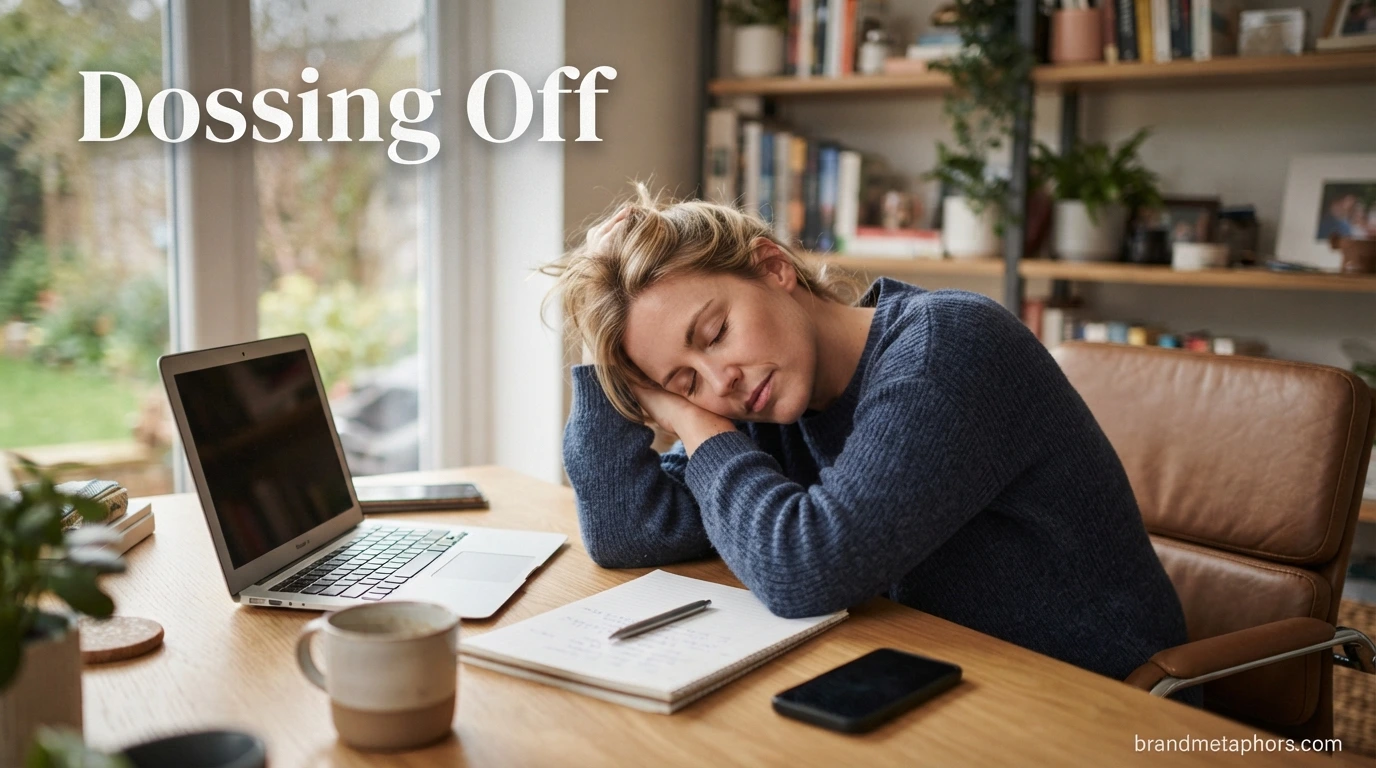
Have you ever been sitting in a classroom, during a meeting, or while watching TV when your eyes suddenly became heavy? Before you realized it, you had fallen asleep for just a few moments. This common experience is often described with the phrase dossing off.
Many people confuse this expression with other sleep-related terms like dozing off, nodding off, or falling asleep. Understanding what it means and when to use it can improve both your English vocabulary and your communication skills.
In this guide, you’ll learn the meaning of this expression, why people suddenly become sleepy, common situations where it happens, similar phrases, practical examples, and useful tips to prevent unwanted sleep. Whether you’re an English learner, student, writer, or simply curious, this article explains everything in simple language.
What Does This Expression Mean?
The phrase refers to falling asleep for a short time, usually without planning to. It often happens when someone feels very tired, relaxed, or bored.
Unlike going to bed for the night, this kind of sleep is usually brief and unexpected.
Simple definition
It means:
- Falling into a light sleep for a few minutes
- Becoming sleepy and drifting into sleep
- Losing awareness because of tiredness
Example sentences
- I almost fell asleep during the long lecture.
- Grandpa drifted into a light nap while reading the newspaper.
- She nodded off on the bus after a long day at work.
- The baby quickly fell asleep in the stroller.
Where Did This Phrase Come From?
The word doss has long been used in British English. It originally referred to sleeping, especially in a temporary place or cheap lodging.
Over time, people began using the expression to describe someone who unexpectedly slips into a short sleep.
Today, you’ll hear similar expressions more often, such as:
- Doze off
- Nod off
- Drift off
- Fall asleep
- Take a quick nap
Although the wording may differ, the basic idea remains the same—a short, light sleep.
Common Reasons People Suddenly Fall Asleep
Many things can make a person become sleepy during the day.
Lack of sleep
The most common cause is not getting enough rest at night.
Long working hours
Working late or spending many hours studying can leave your body exhausted.
Boring activities
Listening to a long speech or sitting through a quiet meeting may make your eyelids heavy.
Comfortable surroundings
Warm rooms, soft chairs, and quiet environments encourage sleepiness.
Physical exhaustion
Hard exercise or physically demanding work can make you tired enough to drift into sleep.
Medical conditions
Sometimes constant daytime sleepiness may be caused by:
- Sleep apnea
- Insomnia
- Narcolepsy
- Depression
- Certain medications
If someone frequently falls asleep during normal daily activities, it may be wise to speak with a healthcare professional.
Different Types of Short Sleep
Not every brief sleep happens in the same way.
TypeDescriptionExampleAccidental sleepHappens without planningFalling asleep during classPower napA short planned restSleeping for 20 minutes after lunchMicrosleepLasts only a few secondsClosing your eyes while drivingLight napEasy to wake fromSleeping on the couchDeep napLonger and more refreshingSleeping for about an hour
Understanding these types helps explain why people sometimes wake up feeling refreshed while others wake up feeling confused.
Situations Where People Often Become Sleepy
This can happen almost anywhere.
At school
Students may become sleepy during long lessons, especially after staying up late.
Example:
Jake nearly fell asleep during history because he studied until midnight.
At work
Long meetings and computer work can reduce alertness.
Example:
The afternoon presentation made several employees struggle to stay awake.
While traveling
Cars, buses, trains, and airplanes often make people sleepy because of steady movement.
Example:
She slept briefly on the train ride home.
Watching television
Relaxing on the couch often leads to an unexpected nap.
Reading books
Reading in a quiet room before bedtime commonly causes sleepiness.
Similar Expressions and Their Meanings

English offers many ways to describe falling asleep.
ExpressionMeaningCommon UseDoze offFall asleep brieflyEveryday conversationNod offBriefly sleep while sittingInformal speechDrift offSlowly fall asleepGentle descriptionFall asleepBegin sleepingGeneral useTake a napSleep for a short planned timeEveryday EnglishSnoozeSleep lightlyInformalCatnapVery short napInformal
Knowing several expressions makes your English sound more natural.
Examples in Everyday Life
Here are some realistic situations.
Example 1
Maria stayed awake until 2 a.m. finishing homework. The next morning, she almost fell asleep during math class.
Example 2
After working a twelve-hour shift, David relaxed on the sofa and quickly drifted into a short nap.
Example 3
The gentle sound of rain made the baby fall asleep within minutes.
Example 4
An elderly passenger nodded off during the long bus journey.
Example 5
The dog stretched out near the fireplace and quietly went to sleep.
These examples show how common short periods of sleep are in daily life.
Benefits of Short Naps
Although unexpected sleep can sometimes be embarrassing, planned short naps can be very helpful.
Improved concentration
A brief rest helps your brain focus better afterward.
Better memory
Studies suggest that short naps help people remember new information.
Increased energy
Many people feel refreshed after sleeping for 15–20 minutes.
Reduced stress
Rest allows the body and mind to relax.
Better mood
Even a short break can improve patience and emotional balance.
Main benefits
- Sharper thinking
- Better learning
- More energy
- Improved mood
- Less mental fatigue
When Unexpected Sleep Can Be Dangerous
There are situations where falling asleep can cause serious problems.
While driving
Even a few seconds of sleep can lead to accidents.
Operating machinery
Workers using heavy equipment must remain fully alert.
During important tasks
Sleeping during exams, interviews, or business meetings can create problems.
Warning signs of dangerous tiredness
- Heavy eyelids
- Frequent yawning
- Blurry vision
- Difficulty concentrating
- Missing parts of conversations
If these signs appear while driving, stop safely and rest before continuing.
Tips to Stay Awake and Alert
If you often become sleepy during the day, these habits may help.
Get enough sleep
Most teenagers need around 8–10 hours of sleep, while many adults benefit from about 7–9 hours.
Drink water
Dehydration can increase feelings of tiredness.
Move around
Standing up and stretching improves blood flow.
Eat healthy meals
Avoid eating very large meals before studying or working.
Reduce screen time before bed
Bright screens can make it harder to sleep at night.
Keep your room bright
Natural light helps your body stay awake.
Follow a regular schedule
Going to bed and waking up at the same time each day improves sleep quality.
Quick checklist
- Sleep enough every night
- Exercise regularly
- Eat balanced meals
- Stay hydrated
- Take short breaks
- Limit caffeine late in the day
- Maintain a healthy bedtime routine
Common Mistakes English Learners Make
People learning English sometimes confuse similar expressions.
Mistake 1
Incorrect: He slept off during class.
Correct: He fell asleep during class.
Mistake 2
Incorrect: She napped off.
Correct: She took a nap.
Mistake 3
Incorrect: I slept while reading accidentally.
Better: I drifted off while reading.
Tip
Choose expressions based on the situation.
- Planned rest → Take a nap
- Short unexpected sleep → Doze off
- Slowly entering sleep → Drift off
- General sleeping → Fall asleep
How Writers Use This Expression

Authors often use sleep-related expressions to make scenes feel more realistic.
For example:
- A tired detective slowly falls asleep at his desk.
- A child drifts into sleep while listening to a bedtime story.
- An exhausted traveler closes their eyes during a train ride.
These descriptions help readers picture the scene clearly and connect with the characters.
Frequently Asked Questions
1. Does this phrase mean sleeping for a long time?
No. It usually refers to a short and light period of sleep.
2. Is it the same as taking a nap?
Not exactly. A nap is usually planned, while this type of sleep often happens unexpectedly.
3. Is the expression formal?
It is mainly informal and commonly used in everyday conversation.
4. What is the difference between “doze off” and “nod off”?
Both describe brief sleep. “Nod off” often suggests someone’s head drops slightly while sitting.
5. Can children experience this?
Yes. Children may briefly fall asleep when they are very tired.
6. Is daytime sleep always unhealthy?
No. Short planned naps can improve energy and concentration. Constant unwanted sleepiness, however, may need medical attention.
7. Why do people fall asleep while reading?
Reading in a quiet, comfortable place relaxes the brain, especially when someone is already tired.
8. How can I avoid becoming sleepy during work or school?
Get enough sleep, stay hydrated, take short movement breaks, eat healthy foods, and keep your study or work area bright.
Conclusion
Falling asleep unexpectedly for a few moments is something almost everyone experiences. It often happens because of tiredness, lack of sleep, boredom, or a comfortable environment. While a short planned nap can improve focus, energy, and mood, unwanted sleep during driving, work, or school can create safety risks and affect performance.
Learning the meaning of this expression, understanding when it is appropriate to use, and recognizing similar phrases like doze off, nod off, and drift off can strengthen your English vocabulary and make your conversations sound more natural. By building healthy sleep habits and recognizing the signs of fatigue, you can stay alert, communicate more confidently, and enjoy better overall well-being.