
1. Introduction: Why Figurative Language Improves Writing and Communication
Language is more than just words—it is imagery, rhythm, and emotion combined. When writers use figurative language, they transform simple ideas into vivid mental pictures. This includes tools like similes, metaphors, idioms, descriptive language, and poetic expression, all of which help readers feel the meaning instead of just reading it.
For students, writers, and English learners, mastering figurative language improves writing skills, vocabulary enhancement, and creative expression. Instead of saying “She is strong,” a writer might say, “She is a rock in a storm,” which adds depth and emotion.
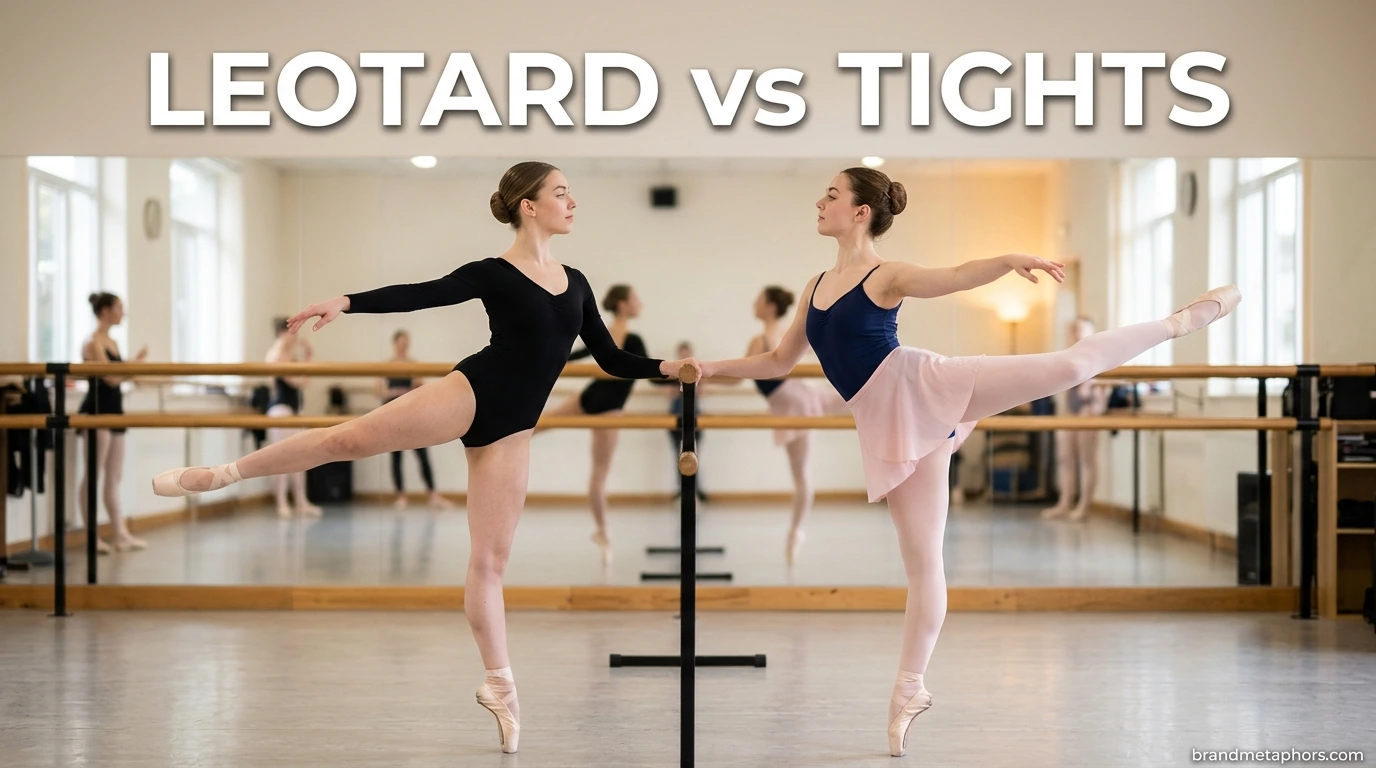
Even simple vocabulary topics—like clothing terms—can become powerful learning tools. For example, understanding leotard vs tights is not just about fashion; it also helps learners build descriptive language, compare objects, and practice sentence construction in real-life contexts.
This article explains both terms in detail while also showing how they can be used in creative writing, comparison examples, and figurative expression.
2. Understanding the Core Meanings
What is a Leotard?
A leotard is a tight-fitting one-piece garment that covers the torso and is commonly worn in:
- Ballet
- Gymnastics
- Dance performances
- Aerobics or fitness routines
It leaves the arms and legs mostly exposed (though some styles include sleeves).
What are Tights?
Tights are close-fitting stretch garments that cover:
- The legs
- Sometimes the waist to the toes
They are often worn under skirts, dresses, or performance costumes and are common in:
- Ballet
- Theater performances
- Fashion layering
Simple Meaning Comparison:
- Leotard = Upper body + torso coverage (one-piece)
- Tights = Leg coverage (sometimes full lower body)
3. Key Differences Between Leotard and Tights
Understanding differences helps improve comparison writing skills, especially for students learning English.
Main Differences:
- Structure: Leotard is one piece; tights are separate garments.
- Coverage: Leotard covers torso; tights cover legs.
- Use: Leotard is often worn alone or with tights.
- Function: Leotard supports upper-body movement; tights support leg aesthetics and flexibility.
Writing Tip:
When comparing items, always use transition words like:
- “however”
- “on the other hand”
- “in contrast”
- “whereas”
These improve academic writing and coherence.
4. Usage Contexts in Real Life
Ballet and Dance
In ballet, dancers typically wear a leotard paired with tights. This combination allows:
- Full flexibility
- Clean body lines
- Professional stage appearance
Gymnastics
Gymnasts wear leotards for:
- Comfort during flips and jumps
- Safety and mobility
Fashion and Performance
Tights may be styled with dresses or costumes for:
- Theatrical expression
- Fashion layering
- Visual aesthetics
Example Sentence:
- The dancer wore a black leotard with pink tights, moving like a brushstroke across a canvas.
5. Figurative Language and Creative Expression
Clothing items like leotards and tights can be powerful tools in figurative writing. Writers often use them to create imagery, symbolism, or emotional depth.
Metaphor Example:
- The leotard was her second skin, shaping her confidence on stage.
Simile Example:
- Her tights clung to her legs like silk threads woven by invisible hands.
Idiomatic Expression:
While there is no common idiom directly related, writers may create expressive phrases such as:
- “Dressed for movement” (meaning ready for action or performance)
Why This Matters:
Using clothing in figurative writing helps build:
- Imagery
- Emotional tone
- Creative storytelling
6. Quick Comparison Table
FeatureLeotardTightsTypeOne-piece garmentSeparate leg garmentCoverageTorso + sometimes armsLegs (sometimes waist-down)UseDance, gymnastics, fitnessBallet, fashion, layeringFunctionUpper body flexibilityLeg support & aestheticsStyle RoleBase costume pieceComplementary layer
7. Sentence Examples for Learning
Basic Sentences:
- The gymnast wore a red leotard.
- She paired her tights with a blue dress.
Intermediate Sentences:
- The dancer adjusted her leotard before stepping onto the stage.
- Her tights shimmered under the stage lights.
Advanced / Descriptive Sentences:
- Wrapped in a sleek leotard and soft tights, she moved with the grace of flowing water.
- The stage belonged to her, each movement sculpted by fabric and light.
These examples help improve sentence structure, vocabulary, and descriptive language.
8. Creative Writing Applications
In creative writing, everyday objects become symbols.
Symbolism Ideas:
- Leotard → discipline, performance, control
- Tights → flexibility, elegance, flow
Mini Story Example:
She stood backstage, adjusting her leotard. The tights hugged her legs like silent encouragement. The music began, and she stepped forward—not as a girl, but as a story in motion.
Writing Skill Tip:
Use sensory details:
- Touch (soft, tight, stretchy)
- Movement (stretching, bending, flowing)
- Visual imagery (colors, shine, stage lights)
9. Common Mistakes Learners Make
1. Confusing the Two Items
Some learners think tights and leotards are the same. They are not.
2. Overusing Simple Vocabulary
Instead of “nice tights,” use:
- elegant tights
- shimmering tights
- flexible performance tights
3. Weak Sentence Construction
Avoid:
- She wear leotard and tights.
Use:
- She wore a fitted leotard paired with smooth, flexible tights.
4. Ignoring Context
Always mention where or why clothing is used (dance, gym, fashion).
10. When to Use and When to Avoid These Terms
As to Use:
- Describing dance or gymnastics outfits
- Writing performance scenes
- Fashion or costume descriptions
- Academic comparisons in English learning
When to Avoid:
- Casual everyday conversation where detail is unnecessary
- Over-describing in simple writing tasks
- Using technical terms in unclear contexts
Writing Tip:
Match your vocabulary to your audience level.
11. Vocabulary Enhancement & LSI Phrases

To improve SEO writing and language skills, use related semantic phrases:
Related Terms:
- dancewear
- athletic costume
- performance outfit
- flexible fabric
- stage attire
- movement clothing
LSI Keywords:
- figurative language in writing
- creative writing techniques
- comparison examples in English
- descriptive vocabulary
- literary devices examples
- metaphor and simile practice
- sentence building exercises
Why This Helps:
Using LSI terms improves:
- Search engine visibility (SEO)
- Writing depth
- Reader engagement
12. Exercises for Students
Exercise 1: Sentence Completion
Complete the sentence:
- The dancer wore a ______ that made her movement look like ______.
Exercise 2: Comparison Writing
Write 3 sentences comparing leotards and tights using:
- “however”
- “in contrast”
- “whereas”
Exercise 3: Figurative Language Practice
Turn these into metaphors:
- tight clothing
- dance outfit
- stage costume
Exercise 4: Vocabulary Upgrade
Replace basic words:
- nice → ______
- good → ______
- soft → ______
Exercise 5: Short Paragraph
Write a 5–6 sentence paragraph describing a dancer using both leotard and tights.
13. FAQs
1. What is the main difference between leotard and tights?
A leotard covers the upper body, while tights cover the legs.
2. Are leotards and tights always worn together?
Not always, but they are commonly paired in dance and gymnastics.
3. Can tights be worn as fashion clothing?
Yes, tights are often used in fashion layering with dresses or skirts.
4. Why do dancers wear leotards?
They allow flexibility, comfort, and clean movement visibility.
5. Are these terms useful for English learning?
Yes, they help improve descriptive writing, vocabulary, and comparison skills.
Conclusion
Understanding clothing terms like leotards and tights goes beyond fashion—it strengthens English learning, especially in descriptive writing, comparison techniques, and creative expression. When learners explore such vocabulary, they also develop a deeper understanding of figurative language, literary devices, and sentence structure.
By practicing comparisons, using metaphors, and writing descriptive sentences, students can transform simple words into powerful communication tools. Whether in academic writing or storytelling, mastering these concepts enhances clarity, creativity, and confidence in English.