
Introduction: Why Figurative Language Improves Writing and Communication
Language is not just a tool for communication—it is a powerful way to shape perception, emotion, and understanding. When students and writers explore figurative language, creative writing techniques, and descriptive language, they unlock the ability to express ideas more vividly and persuasively. Words like “good,” “fair,” “excellent,” or “average” may seem simple, but each carries subtle emotional and contextual differences that can completely change meaning in writing.
Understanding evaluation words is especially important in academic writing, storytelling, reviews, and everyday communication. Even a slight shift in vocabulary can change tone, clarity, and reader interpretation. This is where comparing descriptive terms becomes essential for improving writing skills, vocabulary enhancement, and communication accuracy.
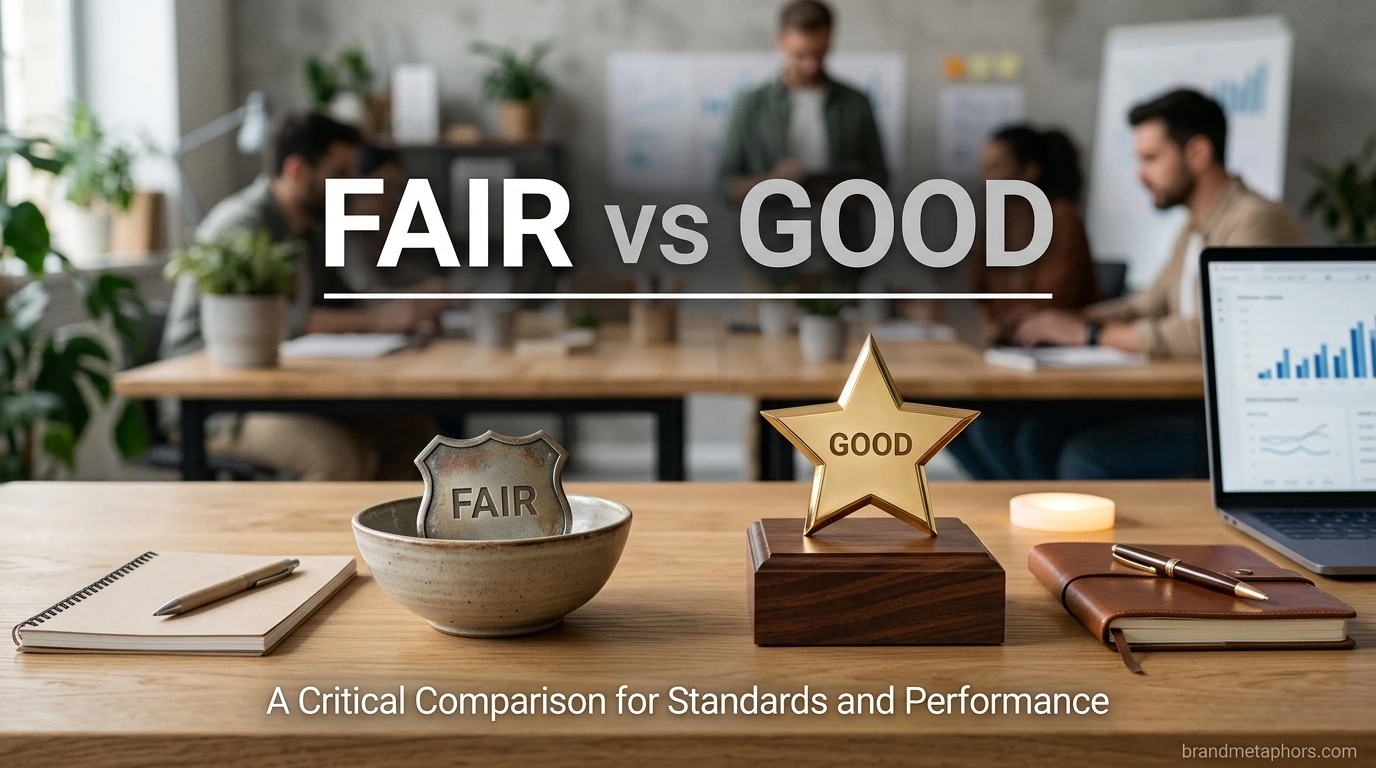
One common confusion among English learners is how to interpret fair vs good in different contexts. While both are positive or neutral evaluative adjectives, they differ in intensity, tone, and usage depending on context. This article breaks down their meanings, examples, and correct applications in detail.
1. Basic Meaning of “Fair” in English
The word “fair” is a flexible adjective in English with multiple meanings depending on context. It is often used to describe something that is average, reasonable, or acceptable, but not outstanding.
Key meanings of “fair”:
- Moderate quality (neither bad nor excellent)
- Just or unbiased (in moral contexts)
- Reasonable or acceptable standard
Example sentences:
- The meal was fair, but not impressive.
- The teacher gave a fair evaluation of all students.
- His performance in the test was fair considering the difficulty level.
In descriptive language, “fair” often sits in the middle range of evaluation, making it useful in balanced or neutral assessments.
2. Basic Meaning of “Good” in English
“Good” is a widely used adjective that expresses positive quality, approval, or satisfaction. It is stronger than “fair” and implies a higher standard.
Key meanings of “good”:
- Above average quality
- Pleasant or satisfactory
- Morally right or beneficial
Example sentences:
- She did a good job on the assignment.
- The movie was really good and engaging.
- He is a good person with kind behavior.
In creative writing and communication, “good” helps express approval and positivity clearly and directly.
3. fair vs good: Core Differences Explained
Understanding the difference between these two words helps learners improve writing precision and tone control.
Comparison Table:
FeatureFairGoodIntensityModerate / neutralPositive / strongerEmotional toneBalanced / slightly weakPositive / approvingUsage contextEvaluation, neutralityPraise, approvalQuality levelAverage to acceptableAbove averageWriting toneFormal, analyticalGeneral, positive
Simple explanation:
- “Fair” = acceptable but not impressive
- “Good” = clearly positive and satisfying
4. Figurative Language and Descriptive Usage in Context
In figurative language and literary devices, both words can take on deeper meanings depending on tone and context.
Examples in figurative expressions:
- “The results were fair like a cloudy morning”—suggests mediocrity.
- “Her voice was good like warm sunlight”—suggests positivity and comfort.
Creative writing application:
Writers use these adjectives to shape mood:
- “Fair” creates realism, restraint, or neutrality
- “Good” adds warmth, encouragement, or praise
This makes them important tools in poetic expression, storytelling, and descriptive writing.
5. Sentence Examples for Better Understanding
Using “fair”:
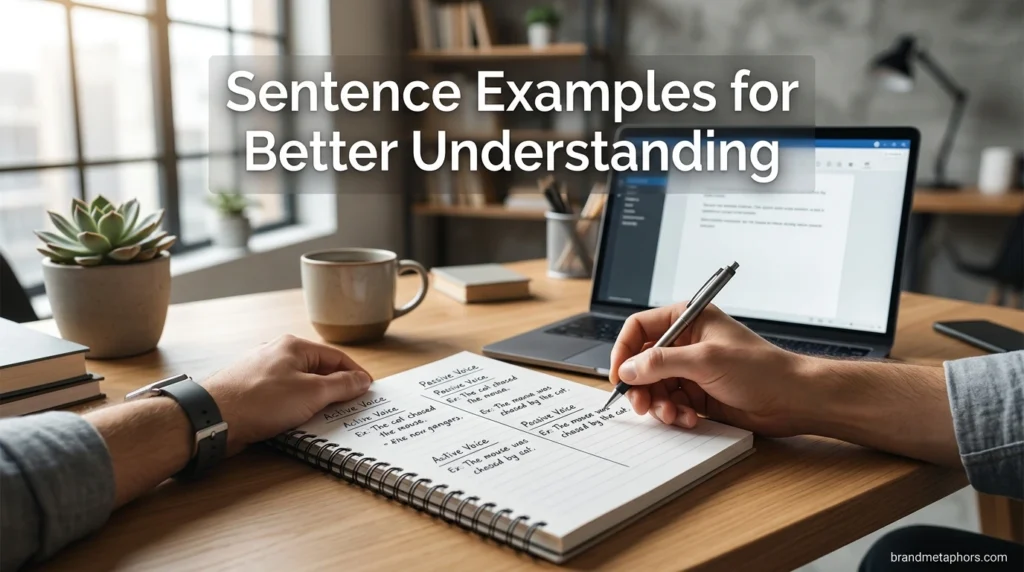
- The review of the product was fair but honest.
- His explanation was fair enough for beginners.
- The weather today is fair, not too hot or cold.
Using “good”:
- The student gave a good answer in class.
- It was a good experience overall.
- She has a good understanding of grammar rules.
Mixed comparison:
- His writing is fair, but his ideas are good.
- The service was fair, though the food was good.
These examples help learners see how tone changes meaning.
6. Tone and Context Usage in Writing Skills
Tone plays a crucial role in deciding whether to use “fair” or “good.”
When to use “fair”:
- Academic evaluation
- Objective reviews
- Balanced criticism
- Analytical writing
When to use “good”:
- Positive feedback
- Encouragement
- Informal communication
- Creative writing
Writing skill insight:
Choosing the right adjective improves clarity and strengthens communication effectiveness in essays, reports, and storytelling.
7. When to Use “Fair” and When to Avoid It
Use “fair” when:
- You want to sound neutral
- You are giving balanced judgment
- You are avoiding emotional bias
Avoid “fair” when:
- You want to strongly praise something
- You need energetic or enthusiastic tone
- You are writing persuasive content
Example:
- Weak: The performance was fair (if you mean it was excellent)
- Better: The performance was good or excellent
8. When to Use “Good” and When to Avoid It
Use “good” when:
- You want to express approval
- You are giving positive feedback
- You are describing satisfying experiences
Avoid “good” when:
- You need precise evaluation (use “excellent,” “average,” etc.)
- You want stronger emotional impact
- You are writing formal grading reports
Example:
- Weak: The research is good (if it is outstanding)
- Better: The research is excellent or outstanding
9. Common Mistakes English Learners Make
Many learners misuse these words due to translation habits or lack of context understanding.
Common mistakes:
- Using “fair” to mean “very good”
- Overusing “good” in all contexts
- Confusing emotional tone levels
- Ignoring context in academic writing
Correction examples:
- Incorrect: The exam was fair (meaning excellent)
- Correct: The exam was good or excellent
- Incorrect: His result was good but actually average
- Correct: His result was fair
10. Creative Writing and Figurative Expression Practice
Writers can use both words to enhance poetic expression and storytelling depth.
Simile examples:
- Her performance was fair like a calm gray sky.
- His effort was good like a rising sun.
Metaphor examples:
- Fair work is a quiet river—steady but unremarkable.
- Good work is a blooming garden—alive and promising.
Literary device insight:
These comparisons enhance imagery and emotional depth in writing.
11. Exercises for Students and Learners
Exercise 1: Choose the correct word
Fill in the blanks with “fair” or “good”:
- The teacher gave a ______ evaluation.
- She did a ______ job on the project.
- His performance was only ______, not excellent.
- The food was really ______.
Exercise 2: Rewrite sentences
Improve the sentences:
- The essay is fair.
- The movie is good.
Exercise 3: Create your own sentences
Write 3 sentences using “fair” and 3 using “good.”
Answer guidance:
- Fair = neutral evaluation
- Good = positive evaluation
12. Quick Comparison Table and Final Summary

Summary Table:
AspectFairGoodMeaningAverage / neutralPositive / satisfyingToneBalancedAppreciativeUsageFormal evaluationGeneral praiseStrengthModerateStronger positivity
Final insight:
Both words are essential in English vocabulary. “Fair” helps maintain neutrality, while “good” expresses approval and positivity. Understanding the difference improves vocabulary enhancement, communication clarity, and writing skills.
Conclusion
Mastering subtle differences in English adjectives like “fair” and “good” is essential for students, writers, and English learners. These words may seem simple, but they play a powerful role in shaping tone, meaning, and emotional impact in communication.
By learning how to use them correctly in figurative language, creative writing, and academic contexts, learners can significantly improve their descriptive language skills and writing precision. Whether you are writing essays, stories, or professional content, choosing the right word can make your message clearer and more effective.
FAQs
1. What is the main difference between fair and good?
“Fair” means average or acceptable, while “good” means positive and above average.
2. Is fair positive or negative?
It is neutral—neither strongly positive nor negative.
3. Can fair mean just or unbiased?
Yes, in moral contexts, “fair” means just and impartial.
4. Is good stronger than fair?
Yes, “good” expresses a higher level of quality than “fair.”
5. Can I use good in formal writing?
Yes, but in formal evaluation, more precise words like “excellent” or “satisfactory” are often preferred.