

English can be tricky. A small change in word order can change how a sentence sounds. One common example is the difference between when I can and when can I. Many students, writers, and English learners mix them up because both phrases contain the same words.
Learning the correct use of these expressions helps improve writing, speaking, and communication. It also strengthens grammar skills, vocabulary, and sentence structure. Whether you are writing essays, stories, emails, or creative pieces with figurative language, understanding these patterns makes your English sound natural and clear.
This guide explains the meanings, uses, examples, mistakes, exercises, and writing tips related to these two expressions.
Understanding the Basic Difference
The main difference is sentence structure.
PhraseFunctionExampleWhen I canStatement or clauseI will call you when I can.When can IDirect questionWhen can I call you?
When I can is usually part of a larger sentence.
When can I is used to ask a question.
Examples
- I will visit you when I can.
- I will help when I can.
- She will arrive when she can.
Questions:
- When can I visit you?
- When can I start?
- When can I leave?
What Does “When I Can” Mean?
This phrase means at the time that I am able to do something.
It shows ability, possibility, or availability.
Sentence Examples
- I will answer your email when I can.
- I will finish the project when I can.
- We will meet when I can arrange the schedule.
- I will explain everything when I can.
Meaning in Context
If someone says:
“I will call you when I can.”
They mean:
“I will call you as soon as I am able.”
The exact time is not known yet.
What Does “When Can I” Mean?
This phrase is used to ask about the correct time, opportunity, or permission to do something.
Sentence Examples
- When can I start the course?
- When can I submit my assignment?
- When can I speak to the manager?
- When can I use the computer?
Meaning in Context
If a student asks:
“When can I submit my homework?”
The student wants to know the appropriate time for submission.
Why Word Order Matters in English

English uses different word orders for statements and questions.
Statement Structure
Subject + Verb
Example:
- I can help.
- She can come.
- They can leave.
Question Structure
Question Word + Helping Verb + Subject
Example:
- When can I help?
- When can she come?
- When can they leave?
This change may seem small, but it is essential for correct grammar.
Quick Comparison Table
FeatureWhen I CanWhen Can ITypeClauseQuestionPurposeShows ability or availabilityAsks about time or permissionPunctuationUsually part of a sentenceEnds with a question markExampleI will return when I can.When can I return?ToneInformativeCurious or seeking information
Using These Expressions in Everyday Conversations
These phrases appear often in daily communication.
At School
When I can
- I will study when I can.
- I will finish the report when I can.
When can I
- When can I take the test?
- When can I meet the teacher?
At Work
When I can
- I will send the file when I can.
- I will review the document when I can.
When can I
- When can I start the project?
- When can I take a break?
At Home
When I can
- I will clean my room when I can.
- I will cook dinner when I can.
When can I
- When can I watch television?
- When can I use the car?
Using These Phrases in Creative Writing
Good writers use natural sentence patterns to create smooth and engaging text.
Narrative Example
Sarah looked at the clock. She wanted to call her friend. She whispered, “I will call her when I can.”
Later she asked her mother, “When can I use the phone?”
Notice how one phrase makes a statement while the other asks a question.
Benefits in Creative Writing
These expressions help writers:
- Build realistic dialogue
- Improve storytelling
- Create believable characters
- Strengthen sentence variety
- Enhance writing skills
Connection With Figurative Language
While these phrases are grammatical structures, they often appear alongside figurative language.
Figurative language makes writing vivid and memorable.
Metaphor Example
“My thoughts were a storm, and I would explain them when I can.”
Simile Example
“I waited like a patient traveler until I could speak when I can.”
Personification Example
“The clock seemed to whisper, ‘When can I move faster?'”
Idiom Example
“I’ll get back to you when I can because I’m swamped right now.”
Using descriptive language with correct grammar creates stronger writing.
Literary Devices and Poetic Expression
Writers often combine proper grammar with literary devices.
Alliteration
“When can I wander westward?”
Imagery
“When I can, I will stand beneath the golden sunset and watch the waves dance.”
Symbolism
A character asking “When can I leave?” may symbolize a desire for freedom.
Hyperbole
“When I can finally rest, it will feel like a thousand years of sleep.”
Correct grammar helps literary devices shine more clearly.
Common Mistakes Learners Make
Many English learners confuse statements and questions.
Mistake 1
❌ I will tell you when can I come.
✅ I will tell you when I can come.
Mistake 2
❌ Please let me know when can I start.
✅ Please let me know when I can start.
Mistake 3
❌ I don’t know when can I leave.
✅ I don’t know when I can leave.
Why These Are Wrong
In indirect questions, English uses statement word order.
Correct:
- I know when I can go.
- She asked when she could come.
Not:
- I know when can I go.
- She asked when could she come.
When to Use Each Expression
Use “When I Can” When:
- Making a statement
- Expressing future availability
- Talking about ability
- Giving reassurance
Examples:
- I’ll help when I can.
- I’ll visit when I can.
- I’ll answer when I can.
Use “When Can I” When:
- Asking a direct question
- Seeking permission
- Asking about timing
- Requesting information
Examples:
- When can I begin?
- When can I enter?
- When can I call?
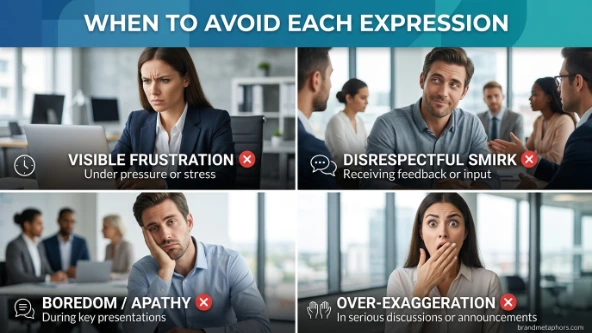
When to Avoid Each Expression
Avoid “When I Can”
Do not use it when asking a direct question.
❌ When I can start?
✅ When can I start?
Avoid “When Can I”
Do not use it inside indirect questions.
❌ I wonder when can I start.
✅ I wonder when I can start.
❌ Tell me when can I leave.
✅ Tell me when I can leave.
Vocabulary Enhancement Through Practice
Learning related words improves understanding.
Useful Words
WordMeaningAbilityPower to do somethingPermissionApproval to do somethingAvailabilityBeing free to do somethingOpportunityA suitable time to actTimingChoosing the right momentPossibilitySomething that may happen
Example Sentences
- My availability is limited today.
- I need permission to enter.
- This opportunity may not return.
- Timing is important in communication.
Practice Exercises
Exercise 1: Choose the Correct Phrase
- I will visit you _____.
- _____ submit the application?
- Tell me _____ leave.
- _____ start the meeting?
- I will answer _____.
Answers
- when I can
- when can I
- when I can
- when can I
- when I can
Exercise 2: Correct the Mistakes
- I wonder when can I arrive.
- Tell me when can I begin.
- When I can leave?
- She asked when can she come.
Correct Answers
- I wonder when I can arrive.
- Tell me when I can begin.
- When can I leave?
- She asked when she could come.
Advanced Sentence Examples
Formal Writing
- I will respond when I can provide complete information.
- Please inform me when I can attend the meeting.
Academic Writing
- Students should submit assignments when they can access the online portal.
- The researcher asked when she could conduct the interview.
Professional Communication
- I will review the proposal when I can.
- When can I expect the final report?
Casual Communication
- I’ll text you when I can.
- When can I come over?
Tips for Better Writing and Communication
Keep Question Structure Correct
Always place the helping verb before the subject in direct questions.
Example:
- When can I start?
Learn Indirect Questions
Use statement order inside indirect questions.
Example:
- I wonder when I can start.
Read More Examples
Books, articles, and conversations help reinforce correct patterns.
Practice Daily
Create five sentences using each phrase.
Focus on Clarity
Simple sentence structures often communicate ideas best.
Frequently Asked Questions
1. Is “when I can” a complete sentence?
Usually no. It is often a clause that needs another part.
Example:
- I will help when I can.
2. Is “when can I” always a question?
Yes. It is used to ask about timing, permission, or opportunity.
Example:
- When can I leave?
3. Why is “I wonder when can I go” incorrect?
Because indirect questions use statement word order.
Correct:
- I wonder when I can go.
4. Can these phrases be used in formal writing?
Yes. Both are common in academic, professional, and formal communication.
5. How can I remember the difference?
Think of a simple rule:
- Question = When can I
- Statement = When I can
Conclusion
Understanding the difference between when I can or when can I is an important step toward mastering English grammar. Although the phrases contain the same words, they serve different purposes. One is used in statements and clauses, while the other is used in direct questions.
Using them correctly improves communication, writing skills, vocabulary enhancement, and overall fluency. Whether you are creating essays, stories, emails, or creative writing pieces filled with metaphor examples, simile examples, idiom meaning, poetic expression, and descriptive language, correct sentence structure helps your message stay clear and effective.
Practice these patterns often. Read examples carefully. Over time, choosing the correct phrase will become natural, making your English more accurate, confident, and professional.