Restrictive Modifier

Restrictive Modifier
Have you ever read a sentence that felt confusing because you weren’t sure which person or thing the writer meant? Often, the problem comes from missing or incorrect modifiers. Learning how these word groups work can make your writing much clearer and easier to understand. Whether you’re a student, teacher, content writer, or English learner, … Read more

Apposed vs Opposed

Apposed vs Opposed

Introduction Strong writing is more than correct grammar. It also uses figurative language, descriptive vocabulary, and precise word choices to make ideas memorable. Whether you are writing essays, stories, emails, or poems, selecting the right word helps readers understand exactly what you mean. A single misplaced word can completely change the meaning of a sentence. … Read more

Dammit vs Damnit

Dammit vs Damnit

Introduction Words have power. The right word can make a story exciting, a conversation more natural, or a piece of creative writing more emotional. That is why understanding language, spelling, and figurative language is important for every student, writer, and English learner. Figurative language helps people express emotions in colorful and memorable ways. Whether you … Read more

Specter vs Spectre

Specter vs Spectre

Introduction Strong writing is more than correct grammar. It also depends on word choice, descriptive language, and clear expression. Whether you are writing a story, poem, essay, or business document, choosing the right word helps readers understand your message. This is why learning the difference between specter vs spectre is useful for students, writers, and … Read more

Mom vs Mum

Mom vs Mum

Introduction Figurative language makes writing more colorful, memorable, and engaging. Whether you’re writing a story, poem, essay, or everyday message, using descriptive language, metaphors, similes, and vivid expressions helps readers connect with your ideas. Strong vocabulary and the right word choices also improve communication and make your writing sound natural. One common question among students, … Read more

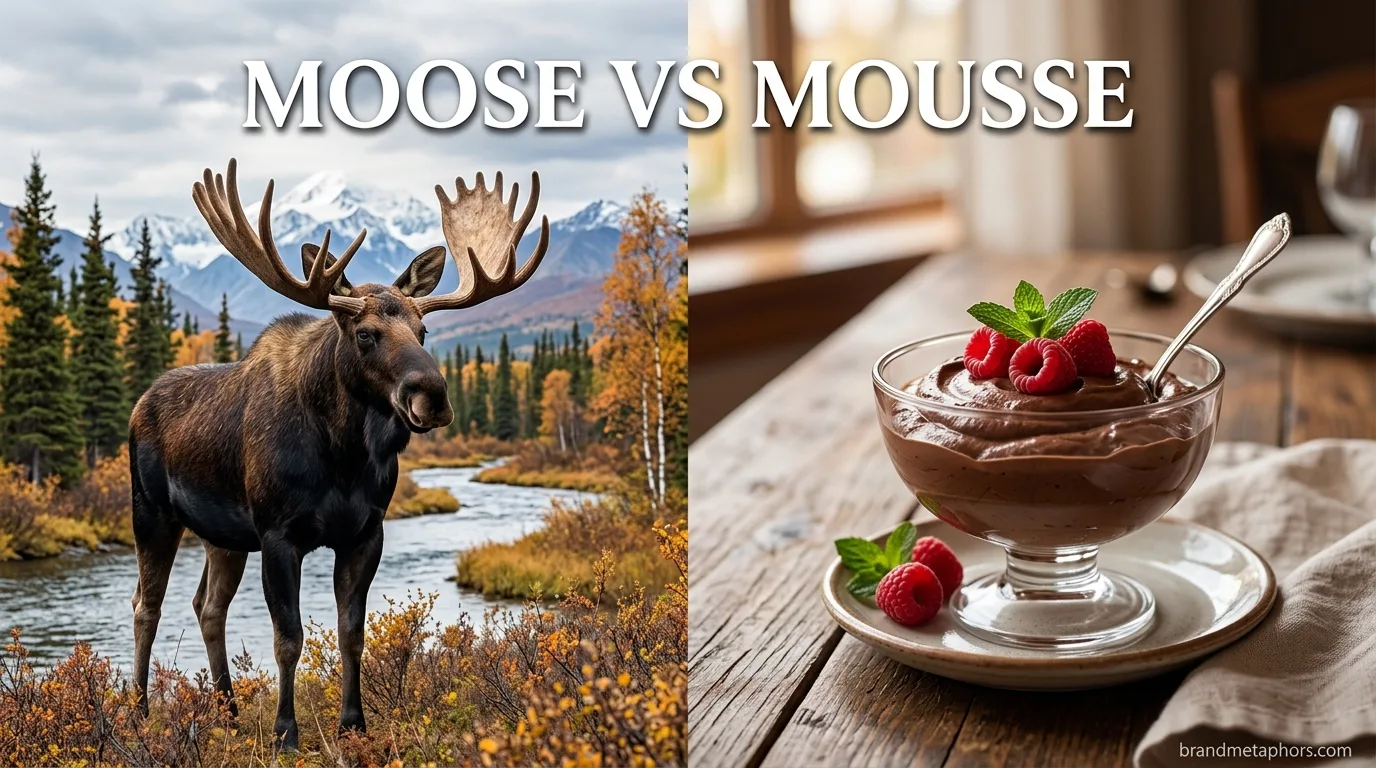
Moose vs Mousse

Moose vs Mousse

Introduction Clear writing begins with choosing the right words. Whether you’re writing a school essay, a creative story, a business email, or a social media post, using accurate vocabulary helps readers understand your message. While figurative language adds color and emotion to writing through metaphors, similes, imagery, and descriptive language, precise word choice ensures your … Read more

Once in a Blue Moon

Once in a Blue Moon

Human language is full of colorful expressions that make communication vivid, emotional, and memorable. One such popular idiomatic phrase describes events that happen extremely rarely and unexpectedly. This article explores its meaning, usage, importance in English communication, and real-life applications in a simple, engaging way for learners and writers. 1. Introduction to Rare Event Expressions … Read more

Accordion vs Accordian

Accordion vs Accordian

Introduction: Why Language Precision and Figurative Expression Matter in Writing Strong writing is not only about grammar rules—it is also about clarity, expression, and the ability to shape ideas in ways that readers can easily understand. Whether you are writing essays, stories, or professional content, tools like figurative language, creative writing techniques, and descriptive language … Read more

Fair vs Good

Fair vs Good

Introduction: Why Figurative Language Improves Writing and Communication Language is not just a tool for communication—it is a powerful way to shape perception, emotion, and understanding. When students and writers explore figurative language, creative writing techniques, and descriptive language, they unlock the ability to express ideas more vividly and persuasively. Words like “good,” “fair,” “excellent,” … Read more

Leotard vs Tights

Leotard vs Tights

1. Introduction: Why Figurative Language Improves Writing and Communication Language is more than just words—it is imagery, rhythm, and emotion combined. When writers use figurative language, they transform simple ideas into vivid mental pictures. This includes tools like similes, metaphors, idioms, descriptive language, and poetic expression, all of which help readers feel the meaning instead … Read more