
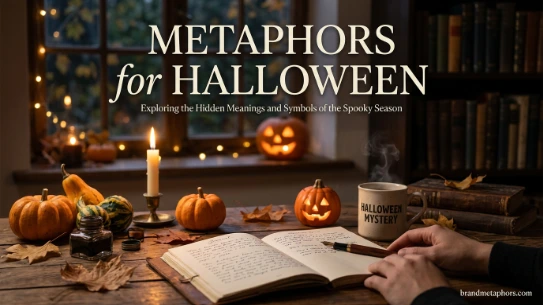
Introduction (The Night When Shadows Speak)
Halloween arrives like a slow whisper through the dark. Streets that once felt familiar suddenly seem different. A paper ghost swings from a porch light. A carved pumpkin grins like it knows a secret. Children move from house to house, dressed as things they are not, while adults watch with a strange mix of joy and nostalgia. For one night, the world becomes a stage where fear is playful, darkness is safe, and imagination takes control.
But Halloween is more than costumes and candy. It is full of hidden meanings. The language of Halloween is not just spoken—it is felt through metaphors. A shadow becomes a story. A mask becomes identity. A candle in a pumpkin becomes hope inside darkness. These metaphors help us understand fear, change, memory, and even joy in a deeper way.
This article explores “metaphors for Halloween” in a simple and meaningful way. It shows how spooky images reflect real human emotions and life lessons. Once we understand these metaphors, Halloween is no longer just a holiday—it becomes a mirror of the human mind.
1. Halloween as a Mirror of Hidden Selves
Halloween works like a mirror that shows parts of us we usually hide. People wear masks, costumes, and makeup, but these are not just for fun. They reflect emotions, dreams, and identities that stay quiet most of the year.
A shy person may dress as a loud superhero. A serious adult may become a playful cartoon character. In this way, Halloween becomes a safe space to explore “other selves.” It is like opening a door inside the mind and letting different versions of “you” step out for a while.
Hidden Meaning in Costumes
Costumes act as metaphors for identity. A vampire may represent power or control. A ghost may represent memory or loss. A witch may reflect independence or misunderstood strength. These meanings are not fixed, but they help us think deeper about who we are.
In everyday life, we also wear invisible masks—at work, with friends, or online. Halloween simply makes this idea visible. It reminds us that identity is flexible, not fixed.
2. The Pumpkin as a Symbol of Inner Light
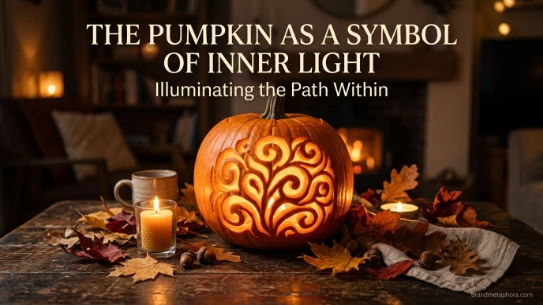
The glowing pumpkin is one of the strongest Halloween metaphors. On the outside, it looks carved, empty, even broken. But inside, a candle burns brightly.
This simple image teaches a powerful lesson: even when life feels carved by hardship, there is still light inside.
The Lesson of the Jack-o’-Lantern
The jack-o’-lantern shows that beauty can come from imperfection. A cracked pumpkin still shines. In the same way, people who have faced challenges often carry deep strength.
The flickering candle inside the pumpkin also represents hope. It is not a strong light, but it is enough to guide the way in darkness. Halloween uses this image to show that even small light matters when everything feels uncertain.
3. Darkness as a Space for Imagination
In Halloween, darkness is not only scary—it is creative. It is a blank canvas where imagination grows. Shadows on walls become shapes. Wind sounds become voices. Trees look like moving figures.
Fear and Creativity Together
Darkness is a metaphor for the unknown. Humans naturally fear what they cannot see. But Halloween transforms that fear into storytelling. Instead of running from darkness, we play with it.
Children imagine monsters under beds, but on Halloween, those monsters are invited out as costumes. This changes fear into fun. It teaches that imagination can reshape how we feel about uncertainty.
4. Ghosts as Memory and the Past
Ghosts in Halloween stories are not just scary figures. They are often metaphors for memory, regret, and the past that refuses to disappear.
A ghost walking through a house may represent something unresolved in life—an old memory, a broken relationship, or an unfinished story.
Why Ghosts Stay With Us
Ghosts symbolize how the past lingers in the mind. Even when time moves forward, memories sometimes “haunt” us. Halloween gives this feeling a shape we can understand.
Instead of fearing ghosts, we can see them as reminders. They tell us that the past is part of who we are, but it does not control the present.
5. Masks as Freedom and Escape
Masks are central to Halloween. They hide the face, but they also reveal something deeper. A mask allows a person to become someone else, even if only for one night.
The Double Meaning of Masks
A mask is both hiding and revealing. It hides identity but reveals desire. Someone who feels shy may feel bold behind a mask. Someone who feels ordinary may feel special.
In daily life, people often hide emotions to fit in. Halloween flips this idea. It allows hiding to become freedom instead of restriction.
Masks teach us that identity is not one fixed thing. It can change, shift, and grow.
6. Candles as Hope in Uncertainty
A candle in Halloween decorations often represents safety in darkness. It is small, but powerful. It pushes back the night, even if only a little.
The Soft Power of Light
The candle flame is a metaphor for hope. It does not destroy darkness; it simply exists within it. This is an important lesson. Not all problems are solved by removing darkness. Sometimes, we simply learn to carry light within it.
In Halloween imagery, candles guide lost spirits, protect homes, and create warmth. This reflects human need for comfort during uncertain times.
7. Spiders and Webs as Connection and Control
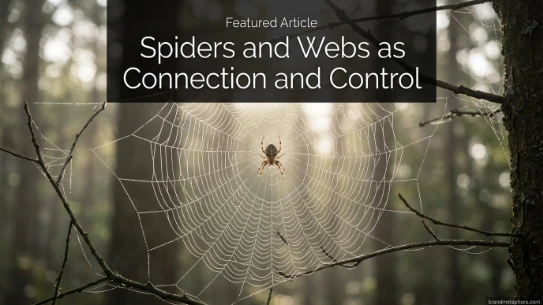
Spiders and webs appear often in Halloween decorations. At first, they seem creepy. But they also carry deep meaning.
Webs as Life Patterns
A spider’s web is a structure of connection. Every thread is linked. If one part breaks, the whole structure changes.
This becomes a metaphor for life. Our actions connect with others. Relationships, choices, and events form a web of experience.
Spiders also represent patience. They wait quietly, building their world step by step. Halloween uses this image to reflect both fear and respect for natural design.
8. Costumes as Transformation of Reality
Costumes are not just clothing. They are transformation tools. They change how people see themselves and how others see them.
Becoming “Other”
On Halloween, a person can become anything—a monster, a hero, an animal, or even a concept like death or time. This transformation is symbolic. It shows that human identity is not fixed.
Emotional Freedom in Disguise
Costumes allow emotional freedom. A person can act differently without judgment. This creates a safe space for exploration of personality.
In real life, we also transform depending on roles—student, parent, worker. Halloween simply makes this transformation visible and playful.
9. Monsters as Fear Made Visible
Monsters in Halloween stories represent fear. They give shape to things we cannot easily explain—fear of failure, fear of change, fear of the unknown.
Why We Create Monsters
Humans often turn invisible fears into visible forms. A monster under the bed is easier to imagine than “fear of uncertainty.”
Halloween monsters help people face fear in a controlled way. Once fear has a shape, it becomes less powerful.
Monsters also remind us that fear is part of life, not something to avoid completely.
10. Candy as Reward and Childhood Joy
Candy is one of the most joyful parts of Halloween. But it also carries symbolic meaning.
Sweetness as Reward
Candy represents reward after effort. Children go door to door, and in return, they receive treats. This simple exchange becomes a metaphor for life: effort often leads to reward.
Candy also symbolizes childhood happiness. It reflects simplicity, joy, and shared celebration.
Even in adulthood, candy during Halloween brings back memories of innocence and excitement.
11. Autumn Leaves as Change and Letting Go
Halloween happens in autumn, a season filled with falling leaves. These leaves are powerful metaphors for change.
The Beauty of Letting Go
Leaves change color and fall naturally. This process shows that change is not always loss—it can also be beauty.
In life, letting go of old habits, relationships, or phases can feel difficult. But autumn reminds us that endings are part of natural cycles.
Halloween uses this seasonal imagery to connect death, change, and renewal in a gentle way.
12. Night as the Stage of Transformation
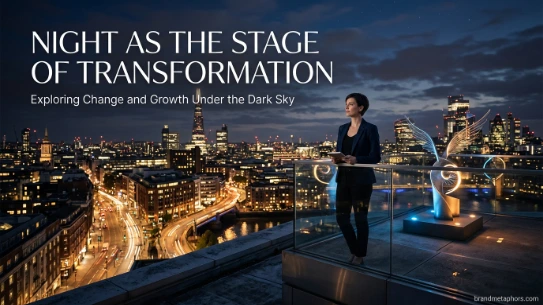
Night is the background of Halloween. Without night, Halloween would lose its mystery.
Night as Freedom from Routine
Night removes clarity and replaces it with imagination. Shapes blur, sounds change, and the world feels different.
In this darkness, transformation becomes possible. People act differently, think differently, and feel differently.
Night is a metaphor for unknown possibilities. It shows that not everything needs to be fully understood to be meaningful.
Conclusion
Halloween is not just a night of costumes and candy. It is a world full of metaphors that reflect human life in simple, powerful ways. Masks show identity. Ghosts show memory. Candles show hope. Darkness shows imagination. Each symbol teaches something about fear, change, and self-discovery.
When we look closely, Halloween becomes less about fear and more about understanding. It shows that what we call “spooky” often hides emotional truth. The shadows we see outside are often reflections of thoughts inside us.
In the end, Halloween reminds us that life itself is a mix of light and dark, fear and joy, reality and imagination. And in that mix, we learn to understand ourselves a little better.