
Introduction (Vivid Opening)
Step outside on a winter morning and the world feels different in a quiet, almost magical way. The air bites at your skin, your breath turns visible, and every sound seems softer, as if the earth itself is holding its breath. Streets that once felt busy now look slower, wrapped in a pale, still light. You pull your clothes tighter and suddenly become aware of every small sensation—the crunch of frost under your shoes, the sting of cold on your fingers, the warmth of your breath escaping into the air like smoke.
Cold weather is more than just a temperature change. It shapes how we feel, how we think, and even how we speak. That is why we often use metaphors for cold weather to describe emotions, life situations, and inner experiences. We say someone has a “cold heart,” or that a situation feels “icy.” These expressions help us understand feelings that are otherwise hard to explain.
In this article, we will explore powerful and creative metaphors for cold weather, uncovering how they reflect emotions, life lessons, and human experiences in meaningful ways.
Why Cold Weather Inspires Strong Metaphors
Cold weather is one of the most expressive natural experiences humans share. Unlike heat, which often feels active and overwhelming, cold feels still, quiet, and reflective. This stillness makes it perfect for metaphorical thinking.
When people face emotional distance, loneliness, or change, they often compare it to cold weather. Why? Because cold naturally creates separation. People move closer together, animals hide, and nature slows down. These behaviors mirror how humans act during emotional withdrawal or difficult times.
Cold also affects the senses. It numbs touch, slows movement, and changes how we see the world. Because of this, it becomes a powerful symbol for emotional numbness or clarity, depending on context.
In literature and everyday speech, cold weather becomes a language of feeling. It helps express what words alone sometimes cannot. Whether describing sadness, calmness, or resilience, cold weather metaphors give shape to invisible emotions and make abstract thoughts easier to understand.
“Winter Is a Blanket of Silence”
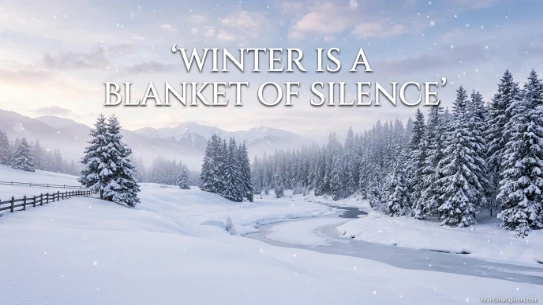
Winter is often described as a blanket of silence because everything feels covered, softened, and quiet. Snow absorbs sound, turning loud environments into peaceful spaces. Even busy cities seem to pause under the weight of cold air.
This metaphor suggests both comfort and isolation. A blanket usually brings warmth, but when paired with winter, it becomes something cold and still. It wraps the world in calmness, but also in separation from movement and noise.
Emotional Meaning
This metaphor is often used to describe emotional quietness. A person going through grief or reflection may feel like they are under a “blanket of silence,” where thoughts are heavy but words are few.
Real-Life Connection
Imagine waking up early after snowfall. The streets are empty, and everything feels paused. That stillness becomes almost emotional, like the world is resting. This is the feeling the metaphor tries to capture.
Winter’s silence is not empty—it is full of unspoken thoughts, waiting moments, and quiet reflection.
“Breath Turns to Smoke in the Air”
One of the most striking images of cold weather is seeing your breath turn visible. In metaphors, this becomes a symbol of fleeting thoughts, fragile communication, or temporary existence.
When we say “words turn to smoke,” it suggests that communication is brief and disappears quickly. Cold air makes breath visible for a moment, then it vanishes. This reflects how some emotions or ideas are expressed but not held for long.
In storytelling, this metaphor often represents vulnerability. You can see life leaving the body in small clouds of breath, reminding us of how delicate human presence can feel in harsh environments.
It can also symbolize honesty. In cold weather, there is no hiding breath—it reveals itself. Similarly, truth can feel exposed in difficult situations.
This metaphor connects physical experience with emotional reality, making something as simple as breathing feel meaningful and symbolic.
“Cold Weather as Emotional Distance”
Cold weather is often used to describe emotional distance between people. When relationships become strained, we say things like “things turned cold” or “there is coldness between them.”
H3: Cold Silence in Relationships
In relationships, silence can feel colder than words. When communication stops, emotional warmth disappears, leaving behind tension and uncertainty.
H3: The Ice Wall Effect
Sometimes people describe emotional distance as an “ice wall.” This suggests something strong, solid, and difficult to break. It represents barriers built from misunderstanding or hurt.
Coldness in this metaphor is not about temperature but about connection. It reflects how warmth in human relationships depends on communication, empathy, and care.
When that warmth fades, interactions feel distant and difficult, like walking through winter without protection.
“The World Turns into Glass”
Frozen landscapes often look like they are made of glass. Ice covers trees, roads, and rivers, creating a shiny but fragile surface. This leads to metaphors where cold weather represents fragility and beauty at the same time.
When we say “the world turned into glass,” it suggests something that is visually stunning but delicate. One wrong step could break the stillness.
This metaphor can also represent emotional vulnerability. People may appear strong on the outside but feel fragile underneath, like frozen glass waiting to crack.
Cold weather teaches us that beauty and danger can exist together. Ice sparkles under sunlight, but it also demands caution. This balance makes the metaphor powerful in describing life situations where things look calm but require careful handling.
“Time Slows Down in the Cold”
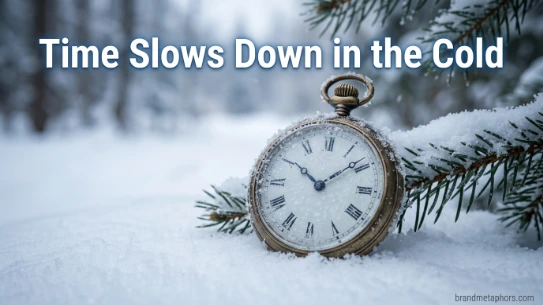
Cold weather often changes how we experience time. Days feel longer, movements feel slower, and even thoughts seem to stretch. This creates the metaphor of time itself slowing down.
H3: Waiting Feels Heavier
Standing in the cold while waiting for something makes every second feel longer. This physical experience becomes emotional language for patience or boredom.
H3: Reflection in Slow Moments
Slower time also allows reflection. Cold environments often encourage people to think deeply, as external activity decreases.
This metaphor is often used in storytelling to describe moments of pause in life—times when progress feels delayed but reflection becomes possible. Cold weather becomes a symbol of stillness that forces awareness of the present moment.
“Cold Weather as a Test of Strength”
Cold weather is often seen as a challenge that must be endured. Because of this, it becomes a metaphor for resilience, discipline, and endurance in life.
When people say “facing the cold,” they may refer not only to weather but also to difficult life situations. Cold demands preparation—warm clothing, shelter, and mental strength.
This metaphor reflects the idea that hardship builds character. Just as the body learns to survive low temperatures, people learn to adapt emotionally and mentally during tough times.
Cold weather becomes a teacher, showing that survival requires effort, awareness, and persistence. It is not just about enduring discomfort but also about growing through it.
“The Sky Becomes a Heavy Ceiling”
In cold weather, the sky often looks lower, heavier, and gray. This creates the metaphor of the sky acting like a heavy ceiling pressing down on the world.
H3: Emotional Weight
This image is often used to describe sadness or pressure. A heavy sky reflects heavy emotions, where everything feels weighed down.
H3: Lack of Escape
A ceiling also suggests limitation. There is no open space above, symbolizing feeling trapped or restricted in life situations.
This metaphor connects weather with emotional experience, showing how environmental changes influence human perception of mood and mental state.
“Cold as a Memory Trigger”
Cold weather often brings back memories. Certain smells, sounds, or sensations can remind people of past winters, childhood moments, or lost experiences.
Cold becomes a trigger for memory because it creates strong sensory impressions. The feeling of freezing air or the sight of frost can instantly connect someone to the past.
This metaphor suggests that cold weather holds emotional archives. It stores moments that resurface when the temperature drops again.
For many people, winter is not just a season but a journey through memory. It reminds us that emotions are often tied to sensory experiences.
“Survival Language: Cold as a Living Opponent”
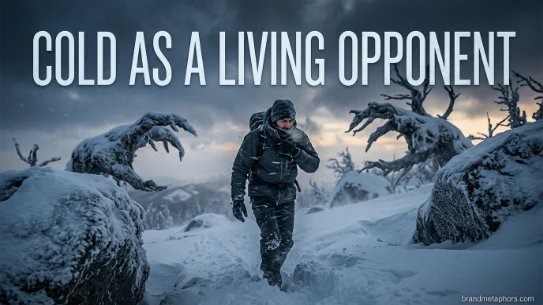
In extreme situations, cold weather is described as an opponent or even a living force. People talk about “fighting the cold” or “beating the cold.”
H3: Cold as Resistance
This metaphor gives cold an active role, as if it pushes back against human survival efforts.
H3: Human Determination
It also highlights human strength, showing how people adapt, build shelter, and protect themselves.
Cold becomes something to overcome, not just experience. It represents challenge, struggle, and determination in the face of natural forces.
“Warmth Becomes a Treasure”
In cold weather, warmth feels more valuable than ever. A warm room, hot drink, or simple sunlight becomes deeply appreciated.
This creates a metaphor where warmth equals treasure. It is something earned, protected, and cherished.
Cold weather teaches contrast. Without cold, warmth would not feel as meaningful. This metaphor shows how difficulty enhances appreciation for comfort.
In life, this idea applies to happiness as well. We often value good moments more after experiencing hard ones.
“Finding Beauty in Cold Landscapes”
Cold weather also brings beauty—snow-covered fields, frozen lakes, and sparkling frost. These scenes create metaphors of purity, calmness, and renewal.
Cold landscapes often symbolize a fresh start. Snow covers imperfections, creating a clean surface that feels new and untouched.
This metaphor suggests that even difficult or harsh conditions can create beauty. It encourages people to look beyond discomfort and find meaning in quiet moments.
Cold weather, in this sense, is not only about hardship but also about wonder.
Conclusion
Metaphors for cold weather help us understand more than just temperature. They reveal how deeply nature influences human emotions, thoughts, and language. From silence and emotional distance to resilience and memory, cold weather becomes a mirror for inner experiences.
It teaches us that stillness can be meaningful, that hardship can build strength, and that even quiet moments carry emotional depth. Whether describing relationships, personal struggles, or peaceful reflection, cold weather metaphors give us a powerful way to express what we feel but cannot always say.
In the end, cold is not just something we endure—it is something that shapes how we see ourselves and the world around us.