
Introduction (The World Through Green Eyes)
Imagine standing in the middle of a quiet field just after rain. The air feels fresh, the ground smells alive, and every blade of grass seems to glow with a soft, gentle energy. Green is everywhere—on leaves, in distant trees, and even in the way hope quietly settles in your heart. It is not just a color; it is a feeling, a symbol, and a story that humans have carried for centuries.
But why does green speak so deeply to us? Why do we say “green with envy,” “green light,” or “green growth”? These expressions are not random. They are metaphors that help us understand life, emotions, nature, and even success. Metaphors for green connect the physical world with human experience in powerful ways.
In this article, we will explore the many layers of green as a metaphor. From nature and emotions to money, psychology, and culture, green carries meanings that shape how we think and speak. By the end, you will see green not just as a color—but as a language of life itself.
1. The Meaning of Green in Metaphors
Green is often used as a bridge between the physical world and human imagination. When we say something is “green,” we are rarely just talking about color. Instead, we are describing life, energy, or emotion hidden inside an idea.
Metaphors for green often represent beginnings, freshness, and natural flow. For example, a “green idea” might mean something new and undeveloped. A “green path” may symbolize a journey that is still growing and full of possibilities. These metaphors help us understand things that are not physical, like thoughts or emotions, by connecting them to something we can see in nature.
Green also suggests balance. It sits in the middle of warm and cool colors, which makes it a symbol of harmony. In language, this balance becomes a way to describe calm situations or steady progress. Green metaphors are simple, but they carry deep meaning because they connect life, growth, and understanding in one image.
2. Green as a Symbol of Nature and Life
Green is the most natural color for human eyes. It covers forests, fields, and plants—everything that gives life to Earth. Because of this, green is strongly linked to nature in metaphors.
When we say “green earth,” we are not just describing soil or plants. We are talking about life itself. Green becomes a symbol of breathing, growing, and existing in harmony with the world. A “green forest of ideas” might mean a place full of creativity and growth.
H3: Everyday Nature Metaphors
- “Green fields of opportunity” → chances waiting to be explored
- “Green roots” → strong connection to origin or family
- “Green canopy of life” → protection and natural shelter
These expressions show how green connects human life to nature. It reminds us that we are part of something larger, always growing and changing like the plants around us.
3. Green and the Idea of Growth
One of the strongest metaphors for green is growth. Just like plants grow from seeds into full trees, green represents development in human life.
When someone is “green,” it often means they are inexperienced. But this is not negative. It suggests potential. A “green learner” is someone who is just beginning their journey. With time, care, and experience, that person grows—just like a plant reaching toward sunlight.
H3: Growth in Real Life
Think of a student learning a new skill. At first, they may struggle, make mistakes, and feel unsure. But this “green stage” is necessary. It is the foundation of mastery. Without being green, there is no growth.
Green metaphors remind us that every expert was once a beginner. Growth takes time, patience, and nurturing—just like nature itself.
4. Green and Jealousy: The “Green-Eyed” Emotion
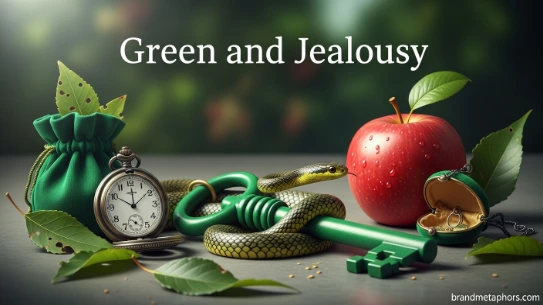
Not all green metaphors are peaceful. Some carry strong emotional weight. One of the most famous is “green with envy.”
This expression suggests jealousy so strong it almost changes a person’s color. It shows how powerful emotions can feel physical. When someone is “green with envy,” they are overwhelmed by comparison or desire.
H3: Emotional Interpretation
- Green = imbalance in emotions
- Green = inner discomfort
- Green = longing for what others have
This metaphor is interesting because it transforms emotion into color. Instead of saying “I feel jealous,” the phrase paints a picture. It makes emotion visible, helping us understand feelings that are otherwise hard to explain.
Green here becomes a warning—too much comparison can make the mind uneasy and restless.
5. Green in Culture and Symbolism
Different cultures interpret green in unique ways. In many societies, green represents life and renewal. In others, it symbolizes wealth or even spirituality.
For example, in some traditions, green is associated with sacred spaces and peaceful energy. It represents a connection between humans and higher meaning. In other contexts, green can symbolize fertility and abundance.
Green metaphors in culture often reflect values:
- Life and growth
- Peace and harmony
- Prosperity and renewal
Because of these meanings, green is used in celebrations, clothing, and symbols across the world. It acts as a universal language of life and hope, even though its interpretations may vary.
6. Green in Literature and Storytelling
Writers often use green metaphors to bring emotion into stories. A “green valley” may symbolize safety, while a “green wilderness” might represent unknown paths.
In literature, green is rarely just decoration. It becomes a tool to show meaning. A character walking through a green forest might be entering a phase of discovery or healing.
Green can also represent innocence. A “green child” in a story might suggest purity and lack of experience, ready to learn from the world.
Through storytelling, green becomes a silent narrator, helping readers feel the world instead of just reading about it.
7. Green in Everyday Expressions
We use green metaphors more often than we realize. In daily language, green appears in business, travel, learning, and emotions.
H3: Common Expressions
- “Green light” → permission to proceed
- “Greenhorn” → a beginner
- “Green thumb” → skill in gardening
- “Green space” → peaceful natural area
These expressions are simple but powerful. A “green light” is especially interesting—it turns a color into permission. It shows how humans connect visual signals with actions.
Green metaphors in daily life make communication easier and more vivid. Instead of long explanations, a single word carries meaning, emotion, and direction.
8. Green and Psychology: Calmness and Balance
Psychologically, green has a calming effect on the human mind. It is often linked to relaxation, balance, and emotional healing.
When people see green environments, they tend to feel less stressed. This is why parks, gardens, and natural spaces are designed with greenery. In metaphorical language, green becomes a symbol of mental peace.
A “green mind” might represent someone who is calm and emotionally stable. A “green moment” may refer to a peaceful break from stress.
Green metaphors in psychology show that color is not just visual—it is emotional. It can shape how we feel, think, and respond to life.
9. Green in Business and Money
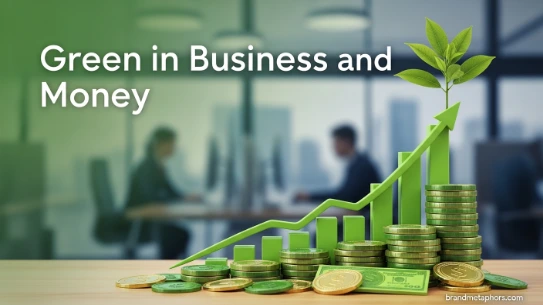
In financial language, green is strongly linked to money and success. In some countries, currency notes are green, which strengthens this association.
A “green investment” may refer to environmentally friendly business. “Going green” in business often means adopting sustainable practices.
H3: Business Interpretations
- Green = profit and growth
- Green = sustainability
- Green = new opportunities
Here, green metaphors connect money with responsibility. It is not just about earning, but also about growing wisely and protecting resources.
10. Green and Environmental Awareness
One of the most important modern meanings of green is sustainability. “Going green” means protecting the environment and reducing harm to nature.
Green metaphors in this area are powerful because they connect action with responsibility. A “green future” represents a world where humans live in balance with nature.
This meaning encourages people to think beyond themselves. It reminds us that every action affects the Earth. Green becomes a symbol of care, responsibility, and long-term thinking.
11. Green as Hope and Healing
Green often represents emotional recovery. After difficult times, people describe feeling “green again,” meaning renewed and hopeful.
This metaphor comes from nature’s cycle. After winter, green returns in spring. This cycle becomes a symbol of healing.
Green reminds us that no matter how hard life becomes, renewal is possible. Just like plants regrow after storms, humans also recover with time.
12. Misunderstandings of Green Metaphors
Sometimes, green metaphors are misunderstood. For example, “green” can mean inexperienced, but it is not meant as an insult. It simply describes a stage of learning.
Another misunderstanding is thinking green only means nature or environment. In reality, green has many meanings—emotion, money, growth, and balance.
Understanding context is key. A green metaphor changes meaning depending on where and how it is used. This flexibility makes it powerful but also confusing if not interpreted carefully.
Conclusion
Green is more than a color—it is a language of meaning. Through metaphors, it becomes a symbol of life, growth, emotion, and transformation. It can represent beginnings, like a young learner, or deep ideas like environmental care and emotional healing. Green also reflects human feelings, from calmness to jealousy, showing how complex and flexible language can be.
By understanding metaphors for green, we learn to see the world in richer ways. We begin to notice how nature, emotion, and thought are connected through simple images. Green teaches us that life is always growing, always changing, and always full of possibility. In every shade of green, there is a story waiting to be understood.
FAQs
What does “green” mean in metaphors?
Green in metaphors usually represents growth, nature, new beginnings, or freshness. It can also symbolize emotions like envy or calmness depending on context.
Why is green associated with growth?
Green is linked to plants and nature, which grow naturally. This makes it a strong symbol for development, learning, and progress.
What does “green with envy” mean?
It means feeling strong jealousy or desire for something someone else has. It is an emotional metaphor, not a literal one.
Is green always a positive symbol?
Not always. While it often represents life and growth, it can also symbolize jealousy or inexperience depending on usage.
What does “green light” mean in language?
It means permission to proceed or start something. It comes from traffic signals and is widely used in business and daily speech.
How is green used in psychology?
Green is linked to calmness, balance, and emotional healing. It is often used to create peaceful environments.
What does “going green” mean?
It means adopting environmentally friendly habits and protecting nature for a sustainable future.