
Introduction
Have you ever felt your heart beat faster when something good is about to happen? Maybe it was the moment before opening a gift, waiting for important news, or seeing someone you deeply care about after a long time.
In those seconds, excitement doesn’t just stay in the mind—it spreads through the whole body. Words often fall short when we try to describe that feeling. That is why we use metaphors for excited emotions.
Metaphors help us turn invisible feelings into clear, vivid images. Instead of simply saying “I am excited,” we say things like “I have butterflies in my stomach” or “I feel like fireworks are going off inside me.” These comparisons make emotions easier to understand and share.
In real life, excitement shapes how we experience success, relationships, goals, and even small daily joys. Understanding how to describe it better not only improves communication but also deepens emotional awareness.
In this article, we will explore powerful and creative metaphors for excitement and uncover what they reveal about human emotion in simple, relatable ways.
1. The Feeling of Excitement in Everyday Life
Excitement is one of the most energetic human emotions. It appears in both big moments and small ones. A child waiting for a birthday cake, a student before exam results, or a worker hearing about a promotion—all feel the same inner spark.
At its core, excitement is a mix of joy, anticipation, and energy. It makes time feel slower and the heart feel faster. People often describe it as something they can feel physically, not just mentally. Hands may shake, breathing may quicken, and thoughts may race.
H3: Everyday Triggers of Excitement
- Waiting for good news
- Meeting someone special
- Starting something new
- Achieving a goal
These moments show that excitement is not rare. It is part of daily life. But because it feels so strong, we need creative language to express it. That is where metaphors become powerful tools. They help us connect emotion with imagination, making the feeling more understandable and relatable to others.
2. Why We Use Metaphors for Excitement
Human emotions are complex. Excitement, in particular, is hard to explain with plain words. Saying “I feel excited” gives information, but it does not create an image in the listener’s mind. Metaphors solve this problem by turning feelings into pictures.
When someone says, “I feel like a fire is burning inside me,” we immediately understand the intensity. We can almost see it. This is why metaphors are used in poetry, storytelling, and everyday speech.
Metaphors also help people connect emotionally. They make communication richer and more expressive. Instead of simply telling, we show.
H3: What Metaphors Do for Emotion
- Turn feelings into visual images
- Make emotions easier to understand
- Add depth to communication
- Help people feel connected
Excitement is not a quiet emotion—it is loud, bright, and active. That is why it is often compared to fire, light, movement, or energy. These comparisons help capture something that cannot be measured but can be deeply felt.
3. Fire in the Chest: Burning Excitement

One of the most powerful metaphors for excitement is fire inside the chest. It suggests heat, movement, and unstoppable energy. When someone is excited, they often feel warmth spreading through their body, especially in the chest area.
This metaphor works because fire is alive. It grows, spreads, and demands attention. Just like excitement, it is hard to ignore and hard to control.
H3: Real-Life Example
Imagine waiting for your dream job interview results. Your chest feels warm, your thoughts are restless, and you cannot sit still. It feels like something is burning inside—but in a good way.
Fire metaphors also show intensity. A small spark can turn into a flame, just like small excitement can grow into overwhelming joy. This comparison helps us understand how emotions build up inside us and take over our focus.
4. A Spark in the Mind: Sudden Excitement
Sometimes excitement does not grow slowly—it appears instantly. This is often described as a “spark in the mind.” A spark is quick, bright, and surprising.
This metaphor is useful when describing sudden ideas, surprises, or happy news. It shows how quickly emotions can change.
H3: Example Scenarios
- Hearing a surprise announcement
- Getting a sudden invitation
- Finding unexpected success
A spark also suggests potential. It can grow into something bigger, just like excitement can turn into motivation or action. This metaphor highlights the beginning of emotional energy before it becomes full joy.
A spark in the mind shows that excitement often starts with a single moment that changes everything in seconds.
5. Racing Train Energy: Fast-Moving Excitement
Excitement often feels like something moving too fast to stop. That is why a racing train is a powerful metaphor. A train once it starts cannot easily slow down. It moves forward with force and direction.
When people are excited, their thoughts often race ahead. They imagine future outcomes, plan actions, or replay possibilities again and again.
H3: Emotional Meaning of the Train Metaphor
- Fast thoughts
- Strong momentum
- Difficulty staying still
For example, before a vacation, a person may feel like their mind is already at the destination. Even though their body is still, their thoughts are moving quickly ahead.
This metaphor shows how excitement creates mental speed. It turns calm thinking into fast-moving imagination, like a train rushing toward something wonderful.
6. A Balloon Rising: Light and Floating Excitement
Excitement is not always intense or loud. Sometimes it feels light, soft, and uplifting. The metaphor of a balloon rising captures this perfectly.
A balloon floats upward naturally, gently, and freely. It represents joy that lifts a person’s mood.
H3: Situations Where This Fits
- Receiving good compliments
- Small achievements
- Positive surprises
This metaphor shows that excitement can be peaceful too. It does not always burn or rush—it can also lift and float. A balloon rising represents hope, happiness, and emotional lightness.
It also suggests freedom. Just like a balloon is not heavy, excited people often feel free from stress or worry for a moment.
7. Electricity Running Through the Body
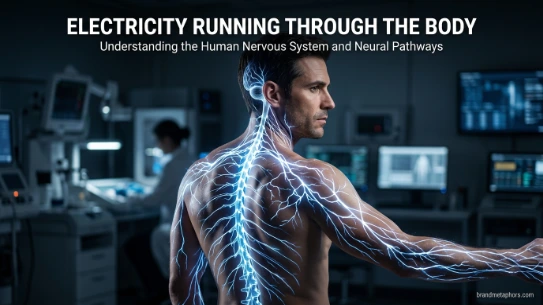
Another strong metaphor for excitement is electricity. It suggests sudden energy moving through every part of the body.
Electricity is fast, powerful, and uncontrollable. It mirrors how excitement can feel like a shock or surge.
H3: Example Experience
When someone hears surprising good news, they might feel a “jolt” or “rush” instantly. Their body becomes alert, and their senses feel sharper.
This metaphor is useful because it shows movement inside the body. Excitement is not just emotional—it is physical. Electricity captures that full-body reaction in a simple image.
It also explains why excited people find it hard to stay calm or still.
8. Sunshine After Rain: Gentle Excitement
Sometimes excitement feels calm and comforting, like sunshine after rain. This metaphor describes a peaceful kind of happiness that arrives after waiting or difficulty.
Sunlight after rain feels warm, clean, and refreshing. It brings relief and joy at the same time.
H3: Emotional Meaning
- Relief after stress
- Happiness after struggle
- Hope after uncertainty
For example, after a long period of hard work, receiving good results feels like stepping into warm sunlight. This type of excitement is not loud—it is steady and soothing.
This metaphor reminds us that excitement can also be gentle and healing, not just energetic or intense.
9. Roller Coaster Emotions: Ups and Downs of Excitement
Excitement is not always stable. It often comes with nervousness, fear, and anticipation. That is why a roller coaster is a perfect metaphor.
A roller coaster moves up slowly, drops suddenly, and rises again. It reflects emotional highs and lows.
H3: Emotional Pattern
- Anticipation before an event
- Sudden emotional rise
- Nervous waiting
- Joyful release
For example, waiting for exam results can feel like a roller coaster. One moment you are hopeful, the next moment anxious.
This metaphor shows that excitement is not a single feeling—it is a journey of changing emotions packed into a short time.
10. Fireworks Inside the Heart
Fireworks represent celebration, color, and sudden bursts of light. When used as a metaphor for excitement, they show emotional explosion.
This feeling is bright, loud, and joyful. It happens when something very special occurs.
H3: Example Moments
- Winning a competition
- Seeing a loved one after long time
- Achieving a lifelong dream
Fireworks also show variety. Just like fireworks explode in different colors, excitement can appear in many forms—happiness, pride, relief, or love.
This metaphor captures the beauty and intensity of emotional celebration in a powerful way.
11. Butterfly Storm in the Stomach
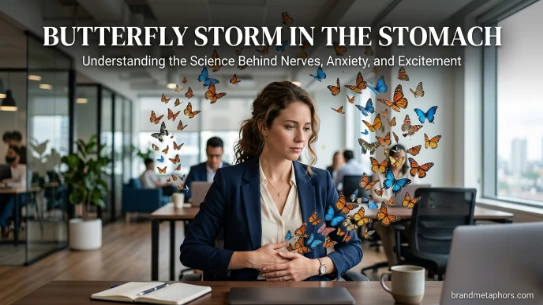
One of the most common metaphors for excitement is “butterflies in the stomach.” It describes a fluttery, nervous energy inside the body.
Butterflies are light and unpredictable. A “storm” of butterflies suggests strong emotional movement.
H3: When This Happens
- Before speaking in public
- Before meeting someone important
- Before a big event
This metaphor mixes nervousness and excitement together. It shows that excitement is not always comfortable. Sometimes it feels shaky, but still positive.
It is one of the most relatable emotional expressions because almost everyone has felt it at some point.
12. Ocean Wave Surge: Powerful Emotional Flow
Excitement can also feel like a wave in the ocean. Waves are strong, rising, and powerful. They move with natural force.
When excitement builds, it can feel like a wave growing bigger inside, ready to rise.
H3: Emotional Characteristics
- Gradual build-up
- Strong peak moment
- Natural release
For example, waiting for a long-awaited celebration can feel like standing near the ocean, watching a wave grow closer and stronger.
This metaphor shows that excitement is natural. It comes, rises, and flows like water, reminding us that emotions are part of life’s rhythm.
Conclusion
Excitement is a powerful human emotion that touches both the mind and body. It can feel like fire, electricity, sunshine, or even waves in the ocean. Because it is so rich and complex, metaphors for excited feelings help us understand and express it more clearly.
Each metaphor gives a different view—some show speed, some show warmth, and others show lightness or intensity. Together, they reveal that excitement is not one simple feeling but a collection of emotional experiences.
By using these metaphors in daily language, we not only communicate better but also connect more deeply with our emotions and with others. Excitement becomes easier to recognize, appreciate, and share, making life feel more expressive and alive.