

The carnival lights flickered like restless thoughts. A man laughed too loudly at nothing, a woman danced barefoot in the rain, and somewhere in the middle of the noise, someone whispered, “This is crazy.” But what did they really mean?
The word “crazy” is often used to describe chaos, excitement, emotional intensity, unpredictability, obsession, or behavior that feels beyond ordinary limits. Yet plain language sometimes fails to capture the electricity of those moments. That’s where metaphors come alive. A powerful metaphor can turn confusion into imagery, transforming emotions into storms, fireworks, spinning clocks, or runaway trains.
Metaphors for crazy are useful in storytelling, poetry, social media captions, songwriting, and everyday conversation. They help writers create vivid emotional scenes and allow speakers to communicate energy and intensity without sounding repetitive. Whether you want to describe joyful madness, emotional overload, chaotic situations, or eccentric personalities, the right metaphor can make your words unforgettable.
In this guide, you’ll explore imaginative metaphors for crazy, their meanings, emotional tones, example scenarios, and creative ways to use them in writing and daily life. Along the way, you’ll also discover exercises, storytelling prompts, and bonus tips to sharpen your creative expression.
Why Metaphors for Crazy Make Writing More Powerful
Saying someone is “crazy” is simple. Saying their thoughts were “a tornado trapped inside a glass jar” paints an image readers can feel.
Metaphors work because they activate imagination. Instead of labeling emotion, they transform it into something visible, sensory, and memorable. Writers often use metaphors for crazy to show:
- Emotional overwhelm
- Wild excitement
- Unpredictable behavior
- Passion or obsession
- Chaos and confusion
- Reckless energy
- Intense creativity
A metaphor gives emotional texture to a sentence. It invites readers into the experience instead of merely describing it.
Compare these:
- “He looked crazy.”
- “His mind spun like a carnival ride with broken brakes.”
The second line creates movement, sound, tension, and mood all at once.
The Tornado Mind Metaphor
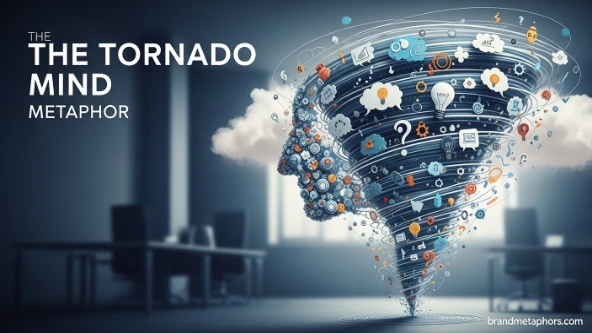
One of the most powerful metaphors for crazy is comparing the mind to a tornado.
Meaning and Emotional Tone
A tornado represents violent movement, disorder, unpredictability, and unstoppable force. This metaphor often describes racing thoughts or emotional chaos.
Example Sentence
“Her thoughts swirled like a tornado tearing through a quiet town.”
Alternative Expressions
- A storm loose in the skull
- A hurricane behind the eyes
- A whirlwind of panic
Sensory Details
This metaphor feels loud and fast. Readers may imagine roaring wind, flying debris, and spinning confusion.
Mini Storytelling Example
A college student sits at a desk before finals. Coffee cups pile up beside scattered notes. Outside, the world is calm, but inside her head, ideas crash into one another like roofs ripped from houses in a storm.
That’s the emotional power of the tornado metaphor.
Creative Tip
Use weather metaphors when describing emotional instability or overwhelming situations. Storm imagery instantly creates tension.
A Circus Without a Ringmaster
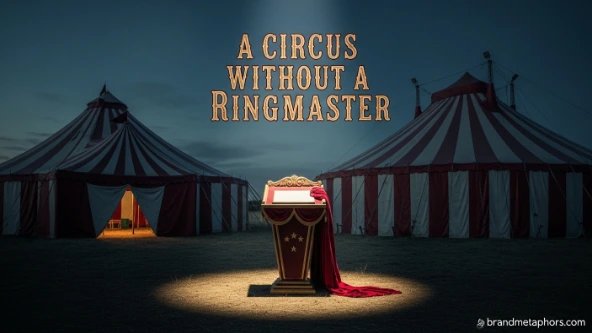
Chaos becomes even more vivid when compared to a circus with nobody in control.
Meaning and Explanation
This metaphor suggests confusion, noise, unpredictability, and complete disorder. It works well for messy workplaces, dramatic families, or overwhelmed minds.
Example Sentence
“My brain felt like a circus without a ringmaster—clowns crashing into lions while trumpets screamed in every direction.”
Alternative Ways to Express It
- A parade gone wrong
- A carnival of confusion
- A theater of chaos
Cultural and Literary Connection
Circuses often symbolize spectacle and disorder in literature and film. They combine excitement with unease, making them perfect imagery for emotional chaos.
Emotional Texture
This metaphor can feel humorous, dark, or unsettling depending on context.
Bonus Writing Tip
Add sensory details:
- Smell of popcorn
- Bright flashing lights
- Screeching music
- Chaotic movement
The more sensory detail you include, the more alive the metaphor becomes.
Crazy as a Firework Factory Explosion
Some forms of “crazy” feel explosive rather than chaotic.
Meaning
This metaphor captures sudden emotional intensity, excitement, passion, or dramatic behavior.
Example Sentence
“The party erupted like a firework factory exploding under the stars.”
Alternative Expressions
- Sparks flying everywhere
- Emotional fireworks
- A sky bursting into color
Real-Life Example
Think about moments when emotions become too big to contain:
- A championship victory
- A shocking confession
- A wild celebration
- Falling deeply in love
These moments feel explosive, colorful, and overwhelming.
Emotional Impact
Unlike storm metaphors, firework imagery often feels energetic and beautiful rather than destructive.
Social Media Caption Idea
“My life lately? A firework factory with no safety rules.”
The Broken Compass Metaphor
Sometimes crazy doesn’t look loud. Sometimes it feels lost.
Meaning
A broken compass symbolizes confusion, disorientation, or emotional instability.
Example Sentence
“After the breakup, his mind became a broken compass spinning without direction.”
Alternative Expressions
- Lost at sea
- Drifting without a map
- Wandering through mental fog
Emotional Tone
This metaphor feels quieter and more emotional than explosive metaphors.
Mini Storytelling Scene
A traveler stands alone at a crossroads at midnight. Every sign points somewhere different. The stars are hidden. Even the compass refuses to choose a direction.
That image mirrors emotional confusion beautifully.
Writing Tip
Use navigation metaphors when characters feel emotionally lost rather than wildly chaotic.
The Monkey on a Trampoline Metaphor
Some metaphors for crazy lean into humor.
Meaning
This metaphor describes hyperactivity, silliness, restlessness, or erratic energy.
Example Sentence
“He bounced around the office like a monkey on a trampoline after three energy drinks.”
Alternative Ways to Say It
- A squirrel in a pinball machine
- A popcorn kernel in hot oil
- A puppy chasing fireworks
Why Humor Works
Funny metaphors soften emotional intensity and make writing entertaining. They work especially well in:
- Casual blogs
- Social posts
- Dialogue
- Comedy writing
Bonus Tip
Unexpected comparisons make metaphors memorable. Readers rarely forget unusual imagery.
A Train Without Brakes
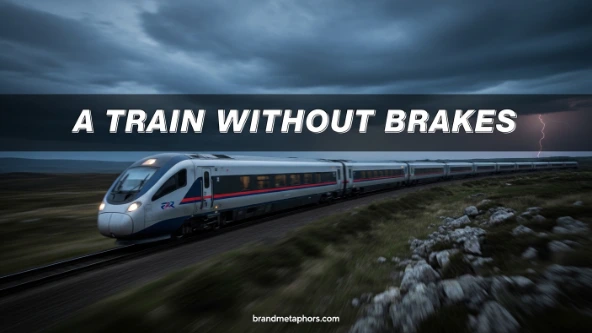
This is one of the strongest metaphors for uncontrollable behavior.
Meaning
A runaway train symbolizes momentum that cannot be stopped.
Example Sentence
“His anger became a train without brakes racing downhill in the dark.”
Emotional Power
This metaphor creates:
- Danger
- Speed
- Loss of control
- Fear
Alternative Expressions
- A rocket off course
- A falling domino chain
- An avalanche gaining speed
Literary Use
Writers often use movement metaphors to create urgency. Trains, cars, and speeding vehicles naturally increase tension.
Interactive Exercise
Think of an emotion you experienced recently:
- Excitement
- Panic
- Jealousy
- Joy
Now compare it to a moving object:
- A speeding motorcycle
- A drifting boat
- A crashing airplane
Write one sentence using the comparison.
The Maze of Mirrors Metaphor
Some forms of crazy involve distorted perception.
Meaning
A maze of mirrors symbolizes confusion, self-doubt, illusion, or mental overwhelm.
Example Sentence
“Anxiety turned her thoughts into a maze of mirrors where every reflection looked wrong.”
Emotional Tone
This metaphor feels psychological and introspective.
Sensory Imagery
Readers may imagine:
- Endless reflections
- Twisted hallways
- Flickering lights
- Disorientation
Cultural References
Mirror mazes appear in carnivals, mystery stories, and psychological films because they symbolize fractured identity and confusion.
Writing Strategy
Use mirror imagery when exploring:
- Inner conflict
- Anxiety
- Self-perception
- Identity struggles
Crazy as a Volcano Ready to Erupt
Some emotions stay hidden until suddenly exploding.
Meaning
A volcano metaphor represents suppressed intensity.
Example Sentence
“He looked calm, but inside he was a volcano seconds from eruption.”
Alternative Expressions
- Pressure building underground
- Boiling beneath the surface
- Lava behind a smile
Emotional Effect
This metaphor creates suspense because readers sense danger approaching.
Real-Life Application
People often use this metaphor for:
- Hidden anger
- Emotional burnout
- Sudden breakdowns
- Passion finally released
Bonus Creative Tip
Volcano imagery works beautifully in dramatic fiction because it combines silence and danger.
The Radio Playing Every Station at Once
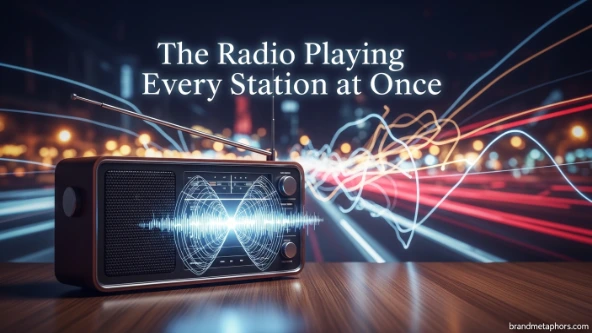
Modern life often feels mentally overwhelming.
Meaning
This metaphor captures overstimulation and scattered thinking.
Example Sentence
“My thoughts sounded like a radio playing every station at once.”
Alternative Versions
- A browser with a thousand tabs open
- Static in the brain
- A choir screaming different songs
Why It Feels Relatable
In today’s fast-moving digital world, mental overload is familiar. This metaphor feels modern and emotionally accessible.
Social Media Example
“My brain today = 47 tabs open and music playing from somewhere unknown.”
Writing Tip
Modern metaphors connect strongly with younger audiences because they reflect daily experiences.
The Puppet with Tangled Strings
This metaphor explores emotional helplessness.
Meaning
A puppet with tangled strings symbolizes lack of control, confusion, or emotional exhaustion.
Example Sentence
“She moved through the week like a puppet with tangled strings.”
Emotional Tone
This metaphor feels sad, vulnerable, and human.
Alternative Expressions
- A marionette in knots
- A dancer forgetting the steps
- A machine missing pieces
Mini Storytelling Moment
Imagine a puppet hanging backstage after a performance. Its strings are twisted tightly together. It cannot dance anymore, even if the music starts.
That image instantly communicates emotional burnout.
Writing Strategy
Use softer metaphors like this for emotional depth rather than dramatic chaos.
Creative Exercises to Practice Metaphors for Crazy
The best way to improve metaphor writing is through playful experimentation.
Exercise 1: Compare Emotions to Nature
Choose an emotion and compare it to:
- Weather
- Oceans
- Fire
- Mountains
- Animals
Example: “Her excitement was a wildfire racing through dry grass.”
Exercise 2: Build a Crazy Metaphor from Objects
Pick a random object:
- Clock
- Blender
- Balloon
- Elevator
- Chessboard
Now connect it to emotion.
Example: “My thoughts were a blender full of alarms and broken memories.”
Exercise 3: Rewrite Plain Sentences
Turn simple statements into vivid metaphors.
Plain: “He was nervous.”
Metaphorical: “He shook like a candle flame trapped near an open window.”
Practice this daily to strengthen creative thinking.
Bonus Tips for Using Metaphors in Writing and Daily Life
Keep Metaphors Fresh
Avoid overused phrases when possible. Readers remember originality.
Instead of:
- “Crazy as a fox”
Try:
- “Like lightning trapped in human skin.”
Match Tone Carefully
Different metaphors create different moods.
MoodBest Metaphor TypeFunnyAnimals, circus imageryDarkStorms, broken machinesEmotionalOceans, mirrorsDramaticVolcanoes, explosions
Use Sensory Language
Strong metaphors involve:
- Sound
- Color
- Movement
- Texture
- Temperature
Example: “His thoughts crackled like overheated wires.”
Don’t Overcrowd Your Writing
Too many metaphors can confuse readers. Let powerful images breathe.
One strong metaphor often works better than five weak ones.
Use Metaphors in Social Media
Creative metaphors make captions memorable.
Examples:
- “Running on caffeine and chaos.”
- “My brain is a browser with haunted tabs.”
- “Today feels like glitter inside a tornado.”
Frequently Asked Questions About Metaphors for Crazy
What are metaphors for crazy?
Metaphors for crazy are imaginative comparisons used to describe chaos, emotional intensity, confusion, unpredictability, or wild behavior without using the literal word “crazy.”
Why are metaphors useful in writing?
Metaphors make writing vivid and emotional. They help readers visualize feelings and connect more deeply with descriptions and stories.
Can metaphors for crazy be funny?
Yes. Humorous metaphors like “a squirrel in a pinball machine” or “a monkey on a trampoline” add entertainment and personality to writing.
What’s the difference between a metaphor and a simile?
A metaphor directly compares two things:
- “Her mind was a tornado.”
A simile uses “like” or “as”:
- “Her mind spun like a tornado.”
How can I create original metaphors?
Combine emotions with unexpected images. Think about movement, sound, weather, animals, or objects that resemble the feeling you want to describe.
Conclusion
Metaphors for crazy transform ordinary language into unforgettable imagery. They capture emotional storms, explosive excitement, restless thoughts, and chaotic energy in ways plain words cannot. Whether you describe a mind as a runaway train, a circus without a ringmaster, or a volcano waiting to erupt, metaphors allow readers to feel the emotion instead of merely understanding it.
The beauty of metaphor lies in its flexibility. It can be poetic, humorous, dramatic, dark, or deeply emotional. A single imaginative comparison can turn a simple sentence into something cinematic and alive.
As you experiment with metaphors, pay attention to the world around you. Storms, machines, animals, fireworks, mirrors, oceans, and music all contain emotional symbolism waiting to become language. Creativity grows when observation meets imagination.
So the next time life feels chaotic, thrilling, overwhelming, or gloriously out of control, don’t just call it crazy. Turn it into a tornado, a fireworks explosion, or a carnival spinning under midnight lights. That’s where memorable writing begins.