
Introduction: When Blood Becomes a Story, Not Just a Substance
It begins with a single drop—bright, startling, almost unreal against skin or stone. In that instant, blood stops being just biology and becomes something else entirely: a story, a warning, a symbol, a memory. Across literature, film, poetry, and myth, blood has never been just “blood.” It is life itself spilling into meaning.
We speak of it as fire, ink, river, bond, and burden. We fear it, honor it, and interpret it in countless ways depending on culture and emotion. In writing, metaphors for blood are especially powerful because they carry both physical intensity and emotional depth. They can represent sacrifice, ancestry, violence, love, survival, or even guilt.
This article explores rich, creative metaphors for blood, how they work, and how you can use them in writing, storytelling, and expressive communication. You’ll also find practical exercises, storytelling inspiration, and tips to bring these metaphors alive in your own creative work.
Blood as a River: The Flow of Life and Continuity
One of the most enduring metaphors for blood is the idea of it as a river. This comparison appears in poetry, mythology, and even modern fiction.
Meaning and Explanation
When blood is described as a river, it emphasizes:
- Continuous movement
- Life-giving force
- Connection between parts of the body or generations
- Emotional undercurrent beneath human experience
It suggests that life flows within us just like water flows through land.
Example Sentence or Scenario
“His blood ran like a river beneath fragile skin, carrying every memory of survival through his trembling body.”
Alternative Expressions
- “Stream of life”
- “Crimson current”
- “River of vitality”
Sensory and Emotional Detail
Imagine warmth moving under the skin like a hidden tide. In moments of fear or excitement, the “river” quickens, rushing louder in the mind than in the veins.
Mini Storytelling Moment
In an old folktale, warriors believed their ancestors lived in their blood like rivers flowing through generations. When one warrior fell in battle, they said his river returned to the sea of his forefathers.
Blood as Ink: Writing Memory on the Body
Blood as ink is a striking metaphor often used in dark poetry, war narratives, and symbolic storytelling.
Meaning and Explanation
This metaphor suggests that blood:
- Records pain or history
- Marks irreversible experiences
- Writes identity onto the body or world
Just as ink cannot be erased easily, blood implies permanence.
Example Sentence or Scenario
“The wound opened like a broken pen, spilling ink that wrote his story on the earth.”
Alternative Expressions
- “Crimson ink of fate”
- “Body-written history”
- “Red script of survival”
Literary Reference Style Insight
Gothic literature often uses blood-as-ink imagery to suggest that violence leaves permanent psychological writing on a person’s identity.
Emotional Layer
There is something haunting about this metaphor: it turns pain into language and injury into expression.
Blood as Fire: Energy, Anger, and Passion
Blood is frequently compared to fire in both poetic and everyday language.
Meaning and Explanation
This metaphor highlights:
- Heat and intensity
- Emotional extremes (anger, passion, courage)
- Sudden bursts of energy
Blood becomes not just liquid but flame moving through the body.
Example Sentence or Scenario
“His blood burned like fire when he heard the insult, rising before reason could stop it.”
Alternative Expressions
- “Burning life-force”
- “Flame in the veins”
- “Liquid fire of emotion”
Cultural Insight
Many ancient cultures associated blood with the element of fire, believing strong emotions physically heated the body through blood movement.
Interactive Prompt
Write a short sentence describing anger without using the words “angry” or “mad,” but instead use blood-fire imagery.
Blood as a Chain: Family, Ancestry, and Connection
One of the most common metaphors in language is “blood ties,” but it can be expanded creatively into chains, threads, or bridges.
Meaning and Explanation
This metaphor represents:
- Family bonds
- Heritage and ancestry
- Emotional or genetic connection
It suggests that people are linked through invisible but unbreakable connections.
Example Sentence or Scenario
“We are bound not by choice, but by chains of blood that stretch back through forgotten names.”
Alternative Expressions
- “Crimson thread of ancestry”
- “Blood-linked legacy”
- “Chain of inherited memory”
Storytelling Element
In many epic traditions, heroes struggle not just against enemies but against their bloodline—suggesting destiny is tied to inherited identity.
Emotional Detail
This metaphor can feel both comforting and restrictive, depending on the narrative tone.
Metaphor #1 Deep Dive: Blood as a Red Ocean
Let’s explore a fully developed metaphor that combines scale, emotion, and symbolism.
Meaning and Explanation
Blood as a “red ocean” suggests:
- Vastness and overwhelm
- Collective suffering or sacrifice
- Immensity of emotion or conflict
Example Sentence
“The battlefield turned into a red ocean where silence floated like broken ships.”
Alternative Expressions
- “Sea of crimson”
- “Ocean of life and loss”
- “Tide of sacrifice”
Mini Story
A poet once described war not as individual deaths, but as a single red ocean swallowing all identities. In that ocean, no one was a soldier—only waves of forgotten stories.
Creative Exercise
Rewrite a scene of emotional intensity (anger, grief, or victory) using ocean imagery tied to blood.
Metaphor #2 Deep Dive: Blood as a Clock
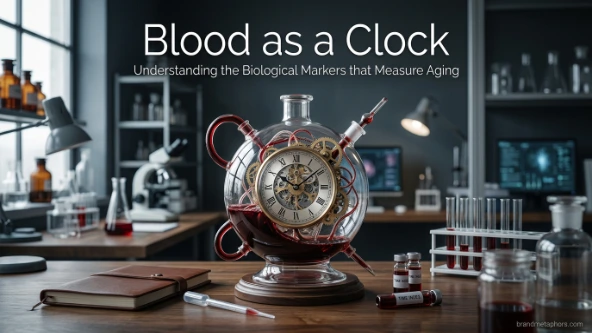
This is a more modern and psychological metaphor.
Meaning and Explanation
Blood as a clock represents:
- Time running through life
- Aging and mortality
- Biological rhythm (heartbeat as ticking)
Example Sentence
“His blood ticked like a clock he could not stop, counting down moments he never understood.”
Alternative Expressions
- “Heartbeat timer”
- “Crimson timekeeper”
- “Inner ticking pulse”
Emotional Layer
This metaphor introduces urgency. It reminds readers that life is measured internally, not just by external clocks.
Interactive Exercise
Describe a moment of anxiety using time-based blood imagery (without using the word “time”).
Metaphor #3 Deep Dive: Blood as a Price or Currency
Blood is often symbolically treated as something “spent” or “paid.”
Meaning and Explanation
This metaphor highlights:
- Sacrifice
- Cost of survival or freedom
- Value of human life in extreme situations
Example Sentence
“Freedom was not given; it was bought in blood no one could repay.”
Alternative Expressions
- “Price of crimson”
- “Life paid in drops”
- “Currency of sacrifice”
Cultural Insight
This idea appears in war literature and historical narratives where blood represents the ultimate cost of change.
Mini Storytelling
A village remembers its independence not in dates, but in the idea that “the soil was purchased with blood,” turning land into memory.
Creative Prompt
Write a short paragraph describing something valuable (love, freedom, trust) as if it had a price paid in symbolic blood.
How to Use Blood Metaphors in Writing and Storytelling
Blood metaphors can elevate writing when used carefully and purposefully.
Tips for Writers
- Match metaphor to emotion (fire for anger, river for calm intensity)
- Avoid overuse—blood imagery is powerful when sparing
- Combine sensory details (heat, motion, color, pressure)
- Use cultural symbolism to deepen meaning
Social Media Usage
- Short poetic captions work best: “Running on borrowed blood and broken dreams”
- Use metaphor sparingly for impact
- Pair with visual storytelling (dark, red, contrast imagery)
Daily Life Expression
Metaphors can even help describe emotions:
- Stress = “my blood is moving too fast”
- Exhaustion = “my blood feels heavy”
- Excitement = “my blood is awake”
Interactive Writing Practice: Build Your Own Blood Metaphor
Try this creative exercise:
- Choose an emotion: fear, love, anger, grief, joy
- Choose a form: river, fire, ink, ocean, clock, chain
- Combine them into a sentence
Example: “Grief moved through me like a slow river of blood that refused to dry.”
Challenge yourself to write three different metaphors using different forms.
Bonus Tips: Making Blood Metaphors More Powerful
- Use contrast (soft emotion + violent imagery)
- Keep language simple but symbolic
- Anchor metaphor in physical sensation
- Avoid clichés unless reworked creatively
- Blend metaphor with action for storytelling depth
A strong metaphor should feel like something you didn’t just read—but something you felt.
Conclusion
Blood is more than biology in human imagination—it is language, memory, and symbol. Whether it flows like a river, burns like fire, writes like ink, or counts like a clock, it carries meanings far beyond the physical body.
Metaphors for blood allow writers to explore life’s most intense themes: survival, identity, sacrifice, and connection. When used thoughtfully, they transform ordinary description into emotional experience.
The next time you write, don’t just mention blood—let it speak, move, burn, and remember.
FAQs: Metaphors for Blood
1. Why are blood metaphors so common in writing?
Because blood is deeply tied to life, emotion, and survival, making it a powerful symbol across cultures.
2. What is the most common metaphor for blood?
“Blood as life” or “blood as river” are among the most frequently used.
3. Can blood metaphors be used in modern writing?
Yes, especially in poetry, fiction, and creative storytelling—they remain highly impactful.
4. How do I avoid overusing blood metaphors?
Use them sparingly and only when they enhance emotional or symbolic meaning.
5. Are blood metaphors cultural?
Yes, interpretations vary widely across cultures, mythology, and literature traditions.