Full Proof or Foolproof

Full Proof or Foolproof
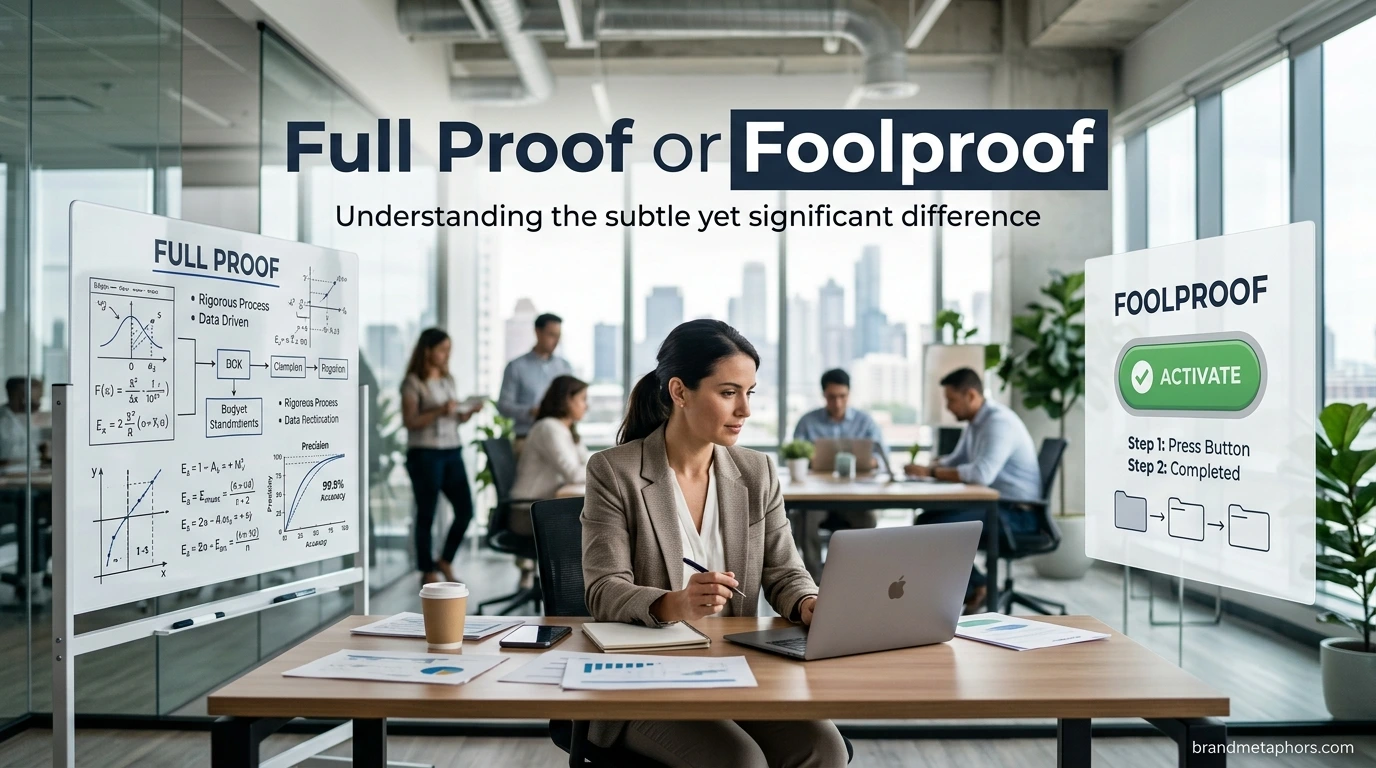
Have you ever written “full proof” and wondered whether it was correct? You are not alone. Many English learners, students, writers, and even professionals confuse this phrase with another similar-looking expression. The mistake happens because the words sound almost the same in everyday speech. However, only one form is correct in standard English. Understanding the … Read more

It Was a Pleasure Meeting You

It Was a Pleasure Meeting You

Meeting someone for the first time often ends with a polite farewell. One of the most common expressions people use is “it was a pleasure meeting you.” This simple sentence shows respect, warmth, and appreciation after a conversation. Whether you meet someone during a job interview, a business event, a networking session, or a casual … Read more

Continual vs Continuous

Continual vs Continuous

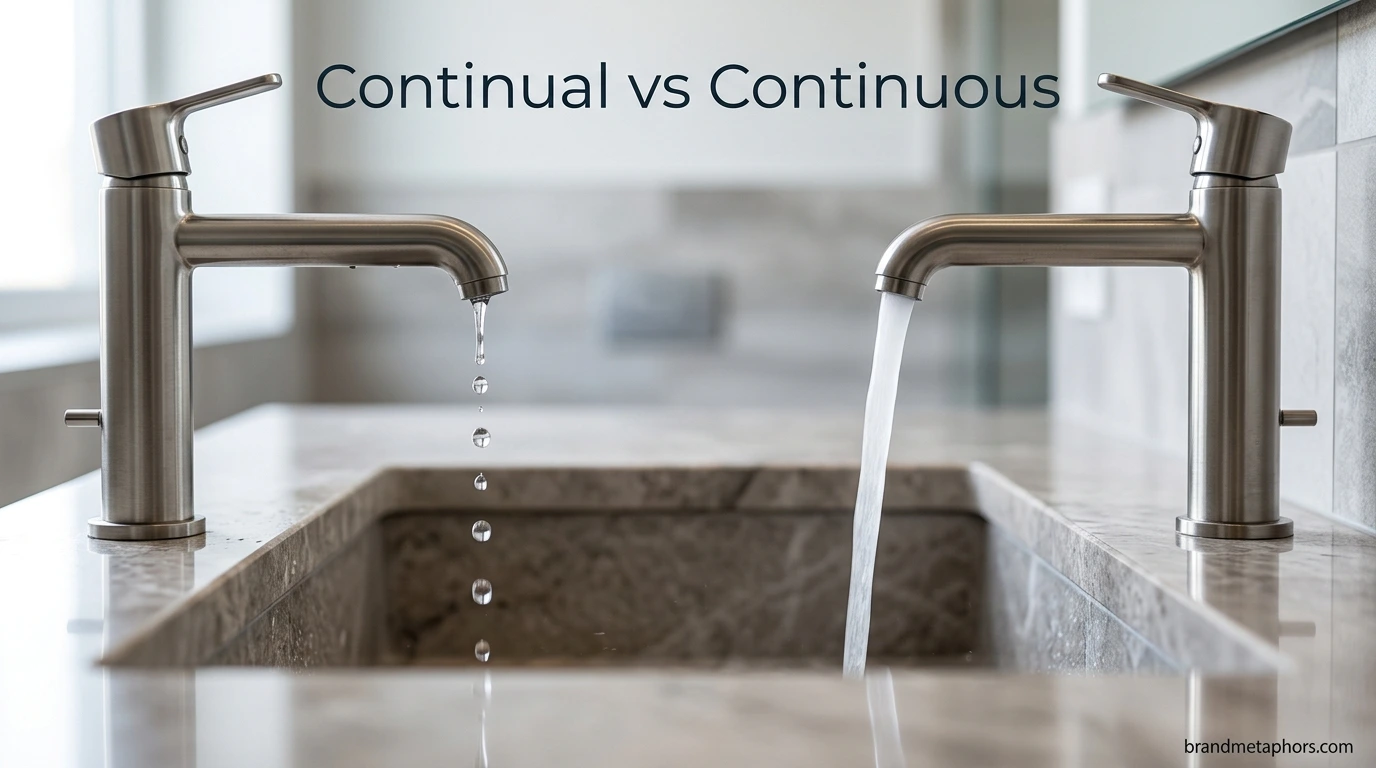
Introduction Strong writing is not only about using correct grammar. It is also about choosing the right words for the right situation. Whether you are writing a school essay, a business email, a poem, or a story, your word choice shapes your message. This is why learning the difference between commonly confused words is an … Read more

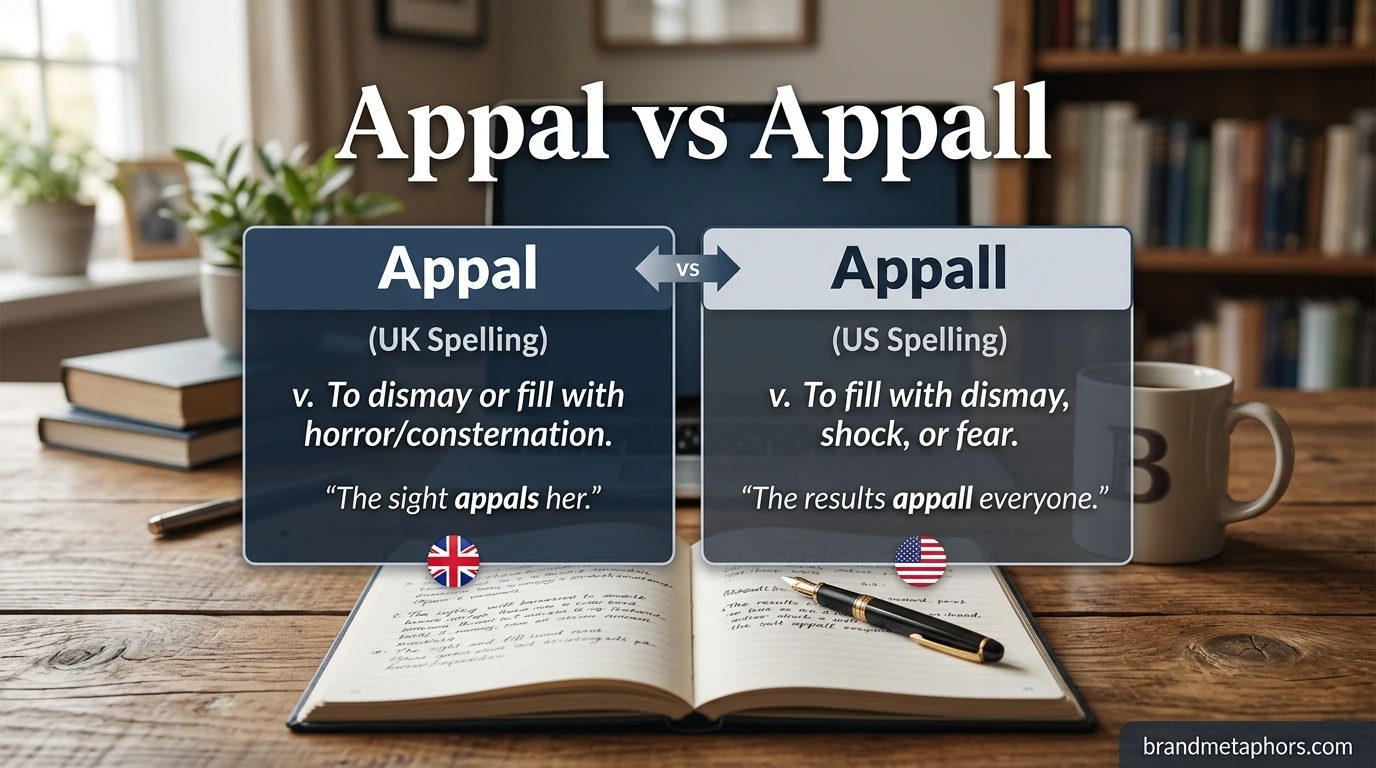
Appal vs Appall

Appal vs Appall

Introduction: Why Figurative Language Makes Writing More Powerful Words are the building blocks of communication. The better you understand them, the clearer and more engaging your writing becomes. Whether you are a student, writer, blogger, or English learner, choosing the correct word can make a big difference. Figurative language helps writers create vivid pictures, express … Read more

Tear vs Tare

Tear vs Tare

Introduction Strong writing is more than using correct grammar—it is about choosing the right words to express ideas clearly and effectively. Whether you are writing essays, stories, emails, or professional documents, understanding similar-looking words helps improve accuracy and confidence. Figurative language, descriptive language, and carefully selected vocabulary also make communication more engaging. Literary devices such … Read more

Non-Finite Verbs

Non-Finite Verbs

Learning English grammar becomes much easier when you understand how verbs work in different situations. While most learners are familiar with action words that show tense, many struggle with verb forms that do not indicate time. These special verb forms appear in almost every sentence, whether you’re reading books, writing essays, or having conversations. Understanding … Read more

Hi There Meaning

Hi There Meaning

Introduction Figurative language makes writing more engaging, expressive, and memorable. Whether you are writing essays, stories, emails, speeches, or everyday conversations, choosing the right words helps you connect with readers and listeners. While greetings may seem simple, understanding their meanings, tone, and context is an important part of effective communication. One of the most common … Read more

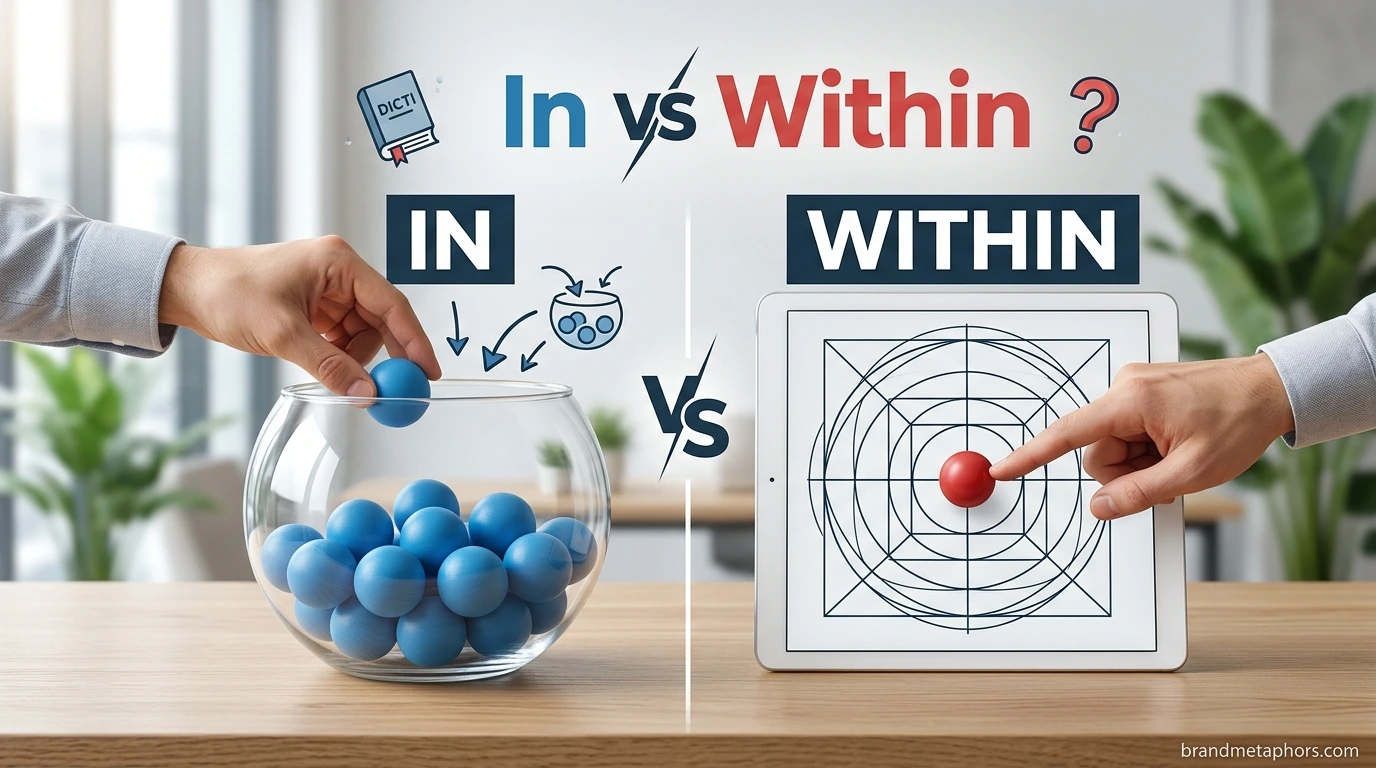
In vs Within

In vs Within

Introduction: Why Figurative Language and Precise Word Choice Matter Strong writing depends on choosing the right words for the right situation. Whether you are writing an academic essay, a business email, a creative story, or a social media post, your vocabulary shapes how readers understand your ideas. One of the most common areas of confusion … Read more

First Priority Meaning

First Priority Meaning

In daily life, people often say, “This should come before everything else.” That idea points to the most important task, goal, need, or responsibility at a given time. In simple words, it is the thing that deserves your attention before other tasks because it has the highest value, urgency, or impact. This topic matters because … Read more