Dry Snitching

Dry Snitching

Introduction Imagine you’re chatting with friends, telling a funny story about the weekend. Without realizing it, you mention who skipped work, who broke a rule, or who secretly planned something. Everyone suddenly goes quiet. Someone says, “You just exposed them.” That moment perfectly illustrates dry snitching. The phrase has become increasingly popular on social media, … Read more


Booze vs Boos

Booze vs Boos

Booze vs Boos Words that sound alike can easily confuse even experienced writers. One small spelling mistake can completely change the meaning of a sentence. This is why learning the difference between commonly confused words helps students, writers, and English learners become more confident communicators. Understanding these differences also improves your use of figurative language, … Read more

Restrictive Modifier

Restrictive Modifier

Have you ever read a sentence that felt confusing because you weren’t sure which person or thing the writer meant? Often, the problem comes from missing or incorrect modifiers. Learning how these word groups work can make your writing much clearer and easier to understand. Whether you’re a student, teacher, content writer, or English learner, … Read more

Specter vs Spectre

Specter vs Spectre

Introduction Strong writing is more than correct grammar. It also depends on word choice, descriptive language, and clear expression. Whether you are writing a story, poem, essay, or business document, choosing the right word helps readers understand your message. This is why learning the difference between specter vs spectre is useful for students, writers, and … Read more

Mom vs Mum

Mom vs Mum

Introduction Figurative language makes writing more colorful, memorable, and engaging. Whether you’re writing a story, poem, essay, or everyday message, using descriptive language, metaphors, similes, and vivid expressions helps readers connect with your ideas. Strong vocabulary and the right word choices also improve communication and make your writing sound natural. One common question among students, … Read more

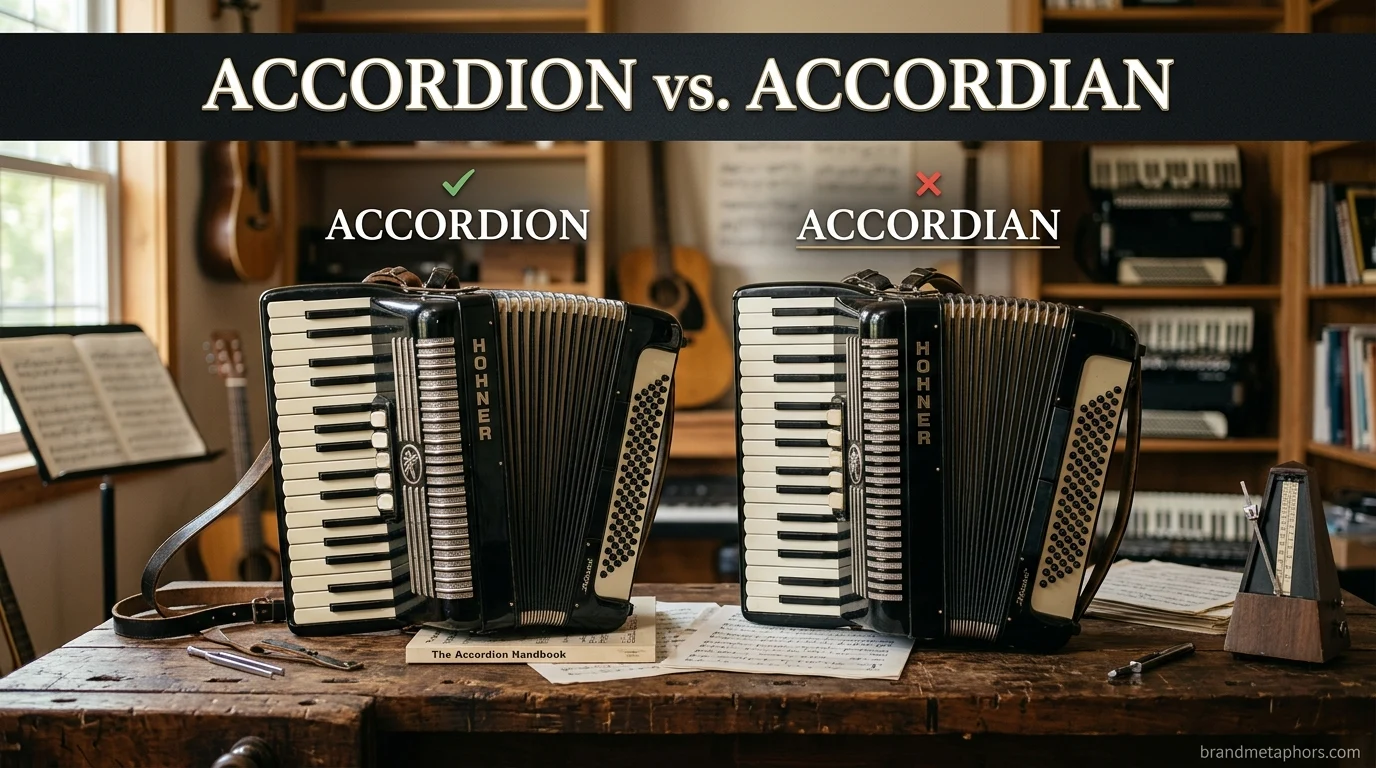
Accordion vs Accordian

Accordion vs Accordian

Introduction: Why Language Precision and Figurative Expression Matter in Writing Strong writing is not only about grammar rules—it is also about clarity, expression, and the ability to shape ideas in ways that readers can easily understand. Whether you are writing essays, stories, or professional content, tools like figurative language, creative writing techniques, and descriptive language … Read more

Much Better

Much Better

Understanding how to express improvement, comparison, and superiority is essential in English communication. One of the most common expressions used in everyday speech, academic writing, and professional communication is “much better.” It appears simple, but its usage carries nuance in tone, grammar, and context. This guide explains its meaning, grammatical structure, alternatives, real-life applications, and … Read more

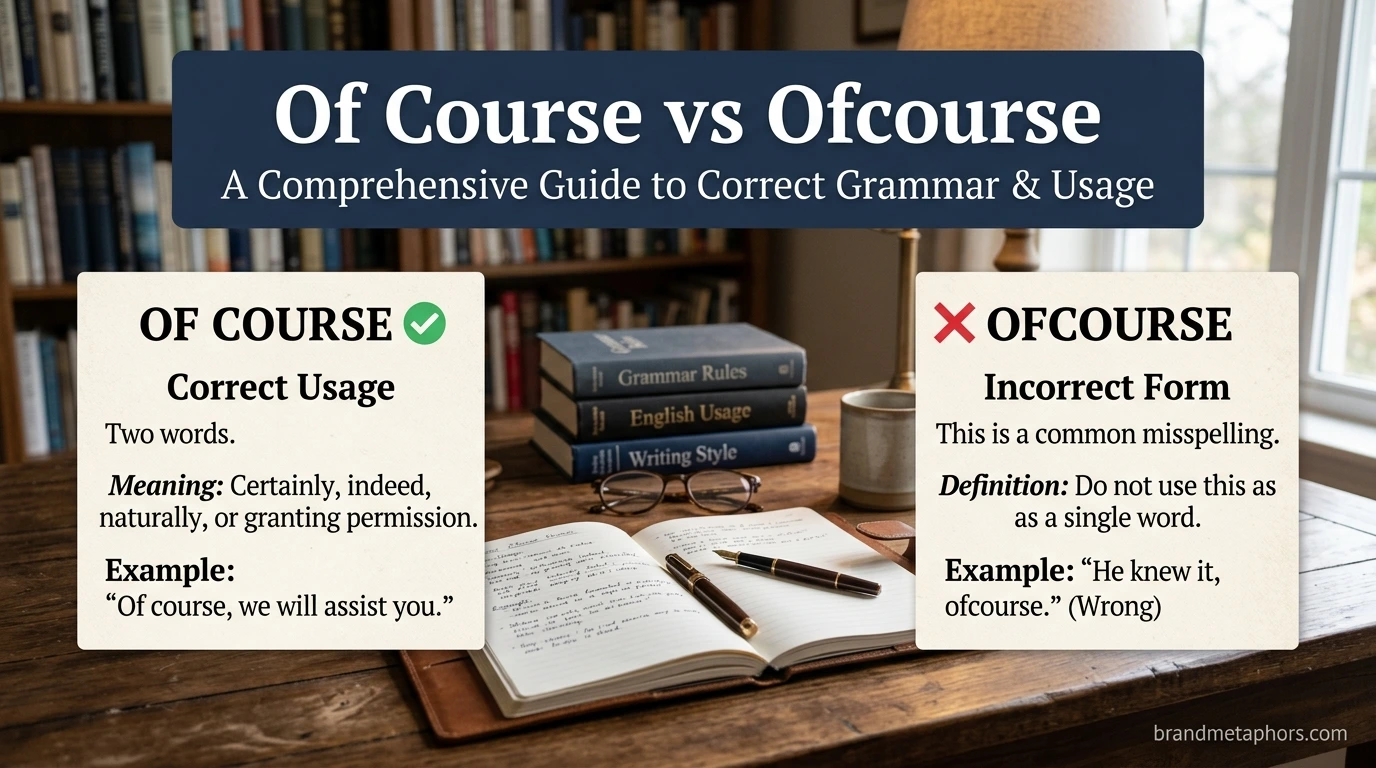
Of Course vs Ofcourse

Of Course vs Ofcourse

Introduction: Why Language Precision and Expression Matter in Writing Strong writing is not only about correct grammar—it is also about clarity, tone, and expression. Whether you are writing essays, creative stories, professional emails, or academic assignments, your choice of words shapes how your message is received. This is where figurative language, descriptive language, and precise … Read more

Run Like the Wind

Run Like the Wind

Have you ever heard someone say, “She can run like the wind“? The phrase creates a powerful picture of speed, freedom, and effortless movement. It is one of the most common English idioms used in everyday conversation, books, sports, and creative writing. Whether you are an English learner, student, teacher, or writer, understanding this expression … Read more

Having vs Having Had

Having vs Having Had

Introduction Strong writing is not only about choosing the right words but also about using grammar correctly. Whether you are learning English, improving your creative writing, or developing better communication skills, understanding verb forms helps you express ideas with accuracy and confidence. Writers often focus on figurative language, descriptive language, literary devices, and poetic expression … Read more