Let One’s Hair Down

Let One’s Hair Down

English is full of colorful expressions that say more than the exact words. Idioms are a big part of natural speaking and writing because they add personality, emotion, and cultural meaning. One such popular expression is let one’s hair down. It is common in spoken English, informal writing, storytelling, and even daily conversation among friends, … Read more
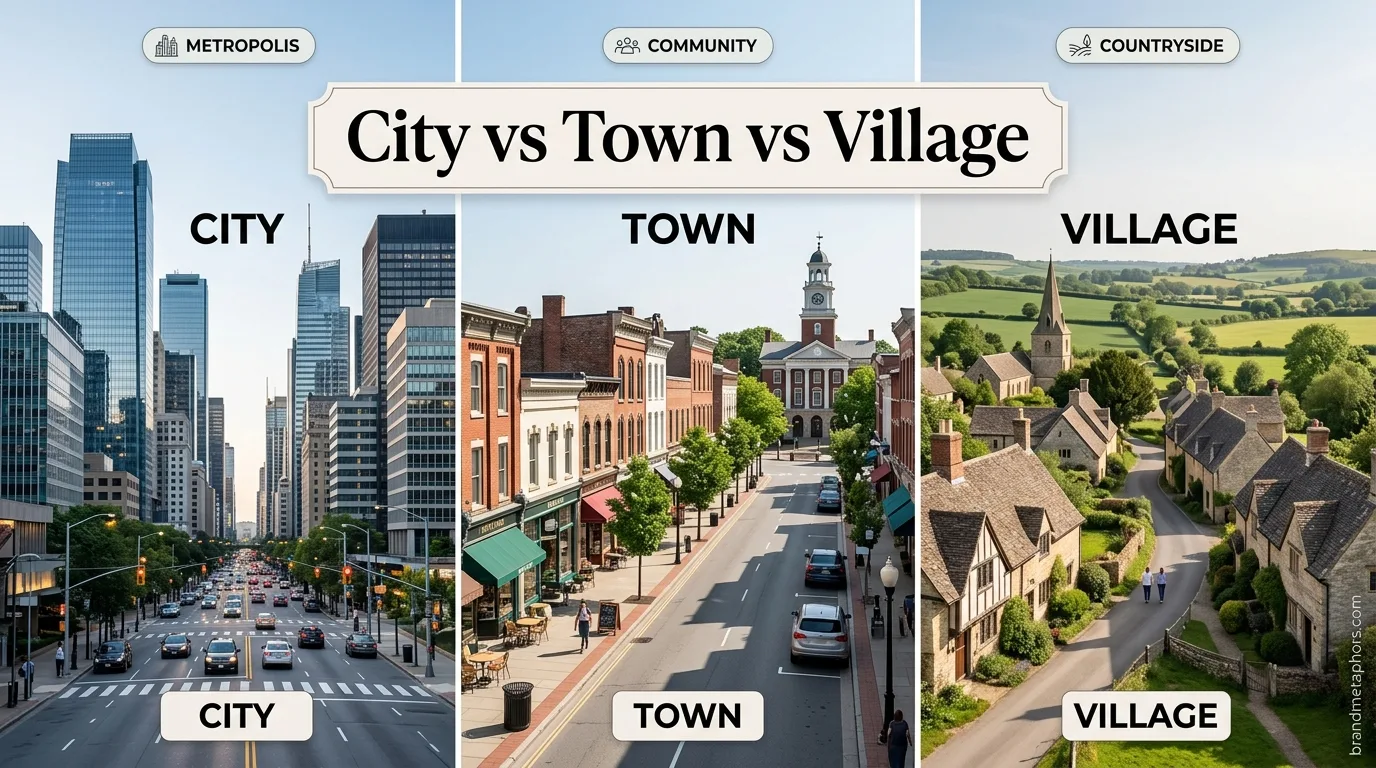
City vs Town vs Village

City vs Town vs Village

Introduction Good writing helps people share ideas clearly. One way to improve writing is by using descriptive language, figurative language, and comparison examples. These writing tools make sentences more interesting and easier to understand. Whether you are a student, writer, or English learner, knowing how to compare places accurately can improve your writing skills and … Read more

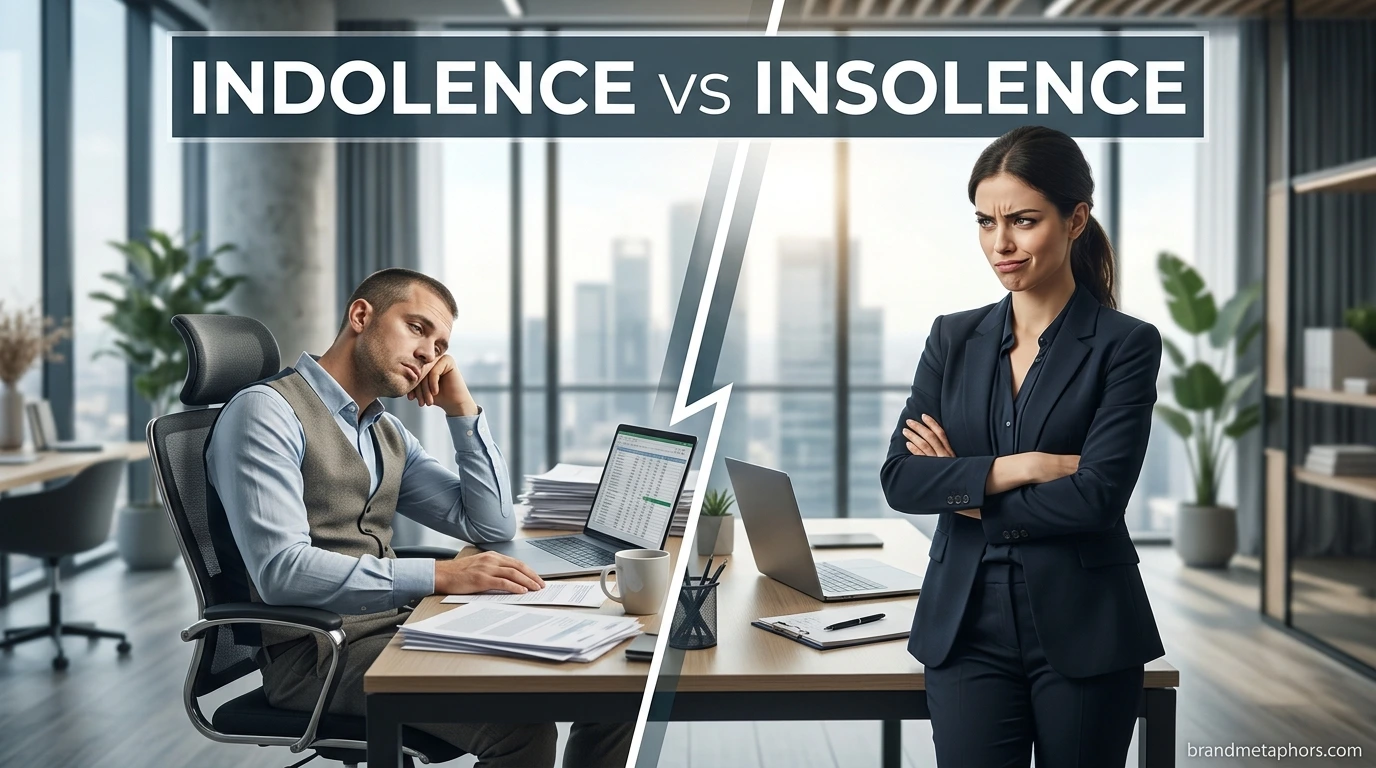
Indolence vs Insolence

Indolence vs Insolence

Language becomes more powerful when we understand the exact meaning of words and use them correctly. Good vocabulary helps students, writers, and English learners express ideas clearly and avoid confusion. Whether you are writing essays, stories, poems, emails, or conversations, choosing the right word improves communication and writing quality. Many English words look or sound … Read more

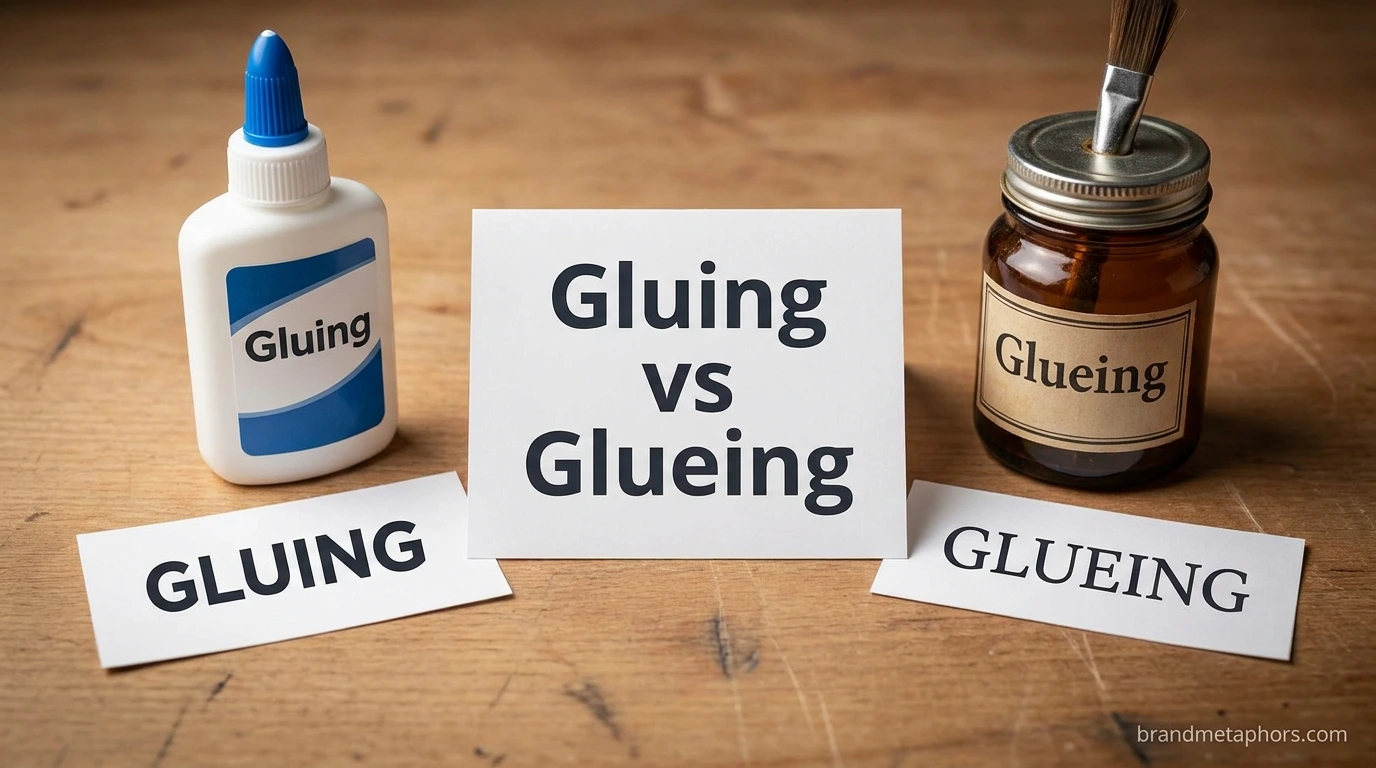
Gluing vs Glueing

Gluing vs Glueing

Introduction Good writing is more than putting words together. It is about choosing the right words, using correct spelling, and expressing ideas clearly. Whether you are a student, writer, or English learner, understanding spelling differences can improve your writing skills and communication. At the same time, strong writing often uses figurative language, descriptive language, literary … Read more

Pajamas vs Pyjamas

Introduction: Why Figurative Language and Word Choice Matter Good writing is more than putting words together. It involves choosing the right vocabulary, using descriptive language, and understanding how words work in different contexts. Whether you are a student, writer, or English learner, knowing the differences between similar words improves communication and writing skills. Language becomes … Read more

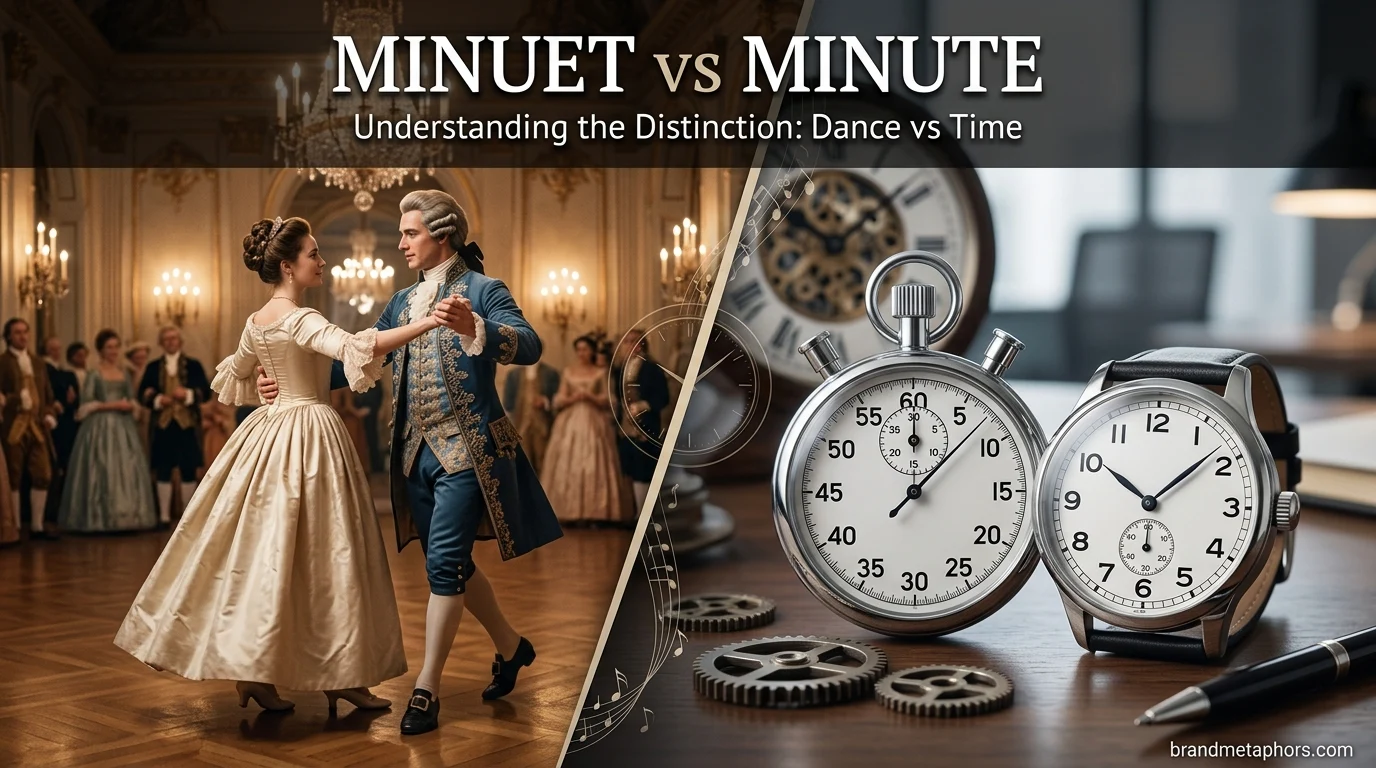
Minuet vs Minute

Minuet vs Minute

Language becomes more powerful when writers understand how words work in different contexts. Whether you are writing essays, poems, stories, emails, or academic papers, choosing the right word improves clarity and style. Strong vocabulary, descriptive language, figurative language, and creative writing techniques help readers understand ideas more effectively. One pair of words that often confuses … Read more

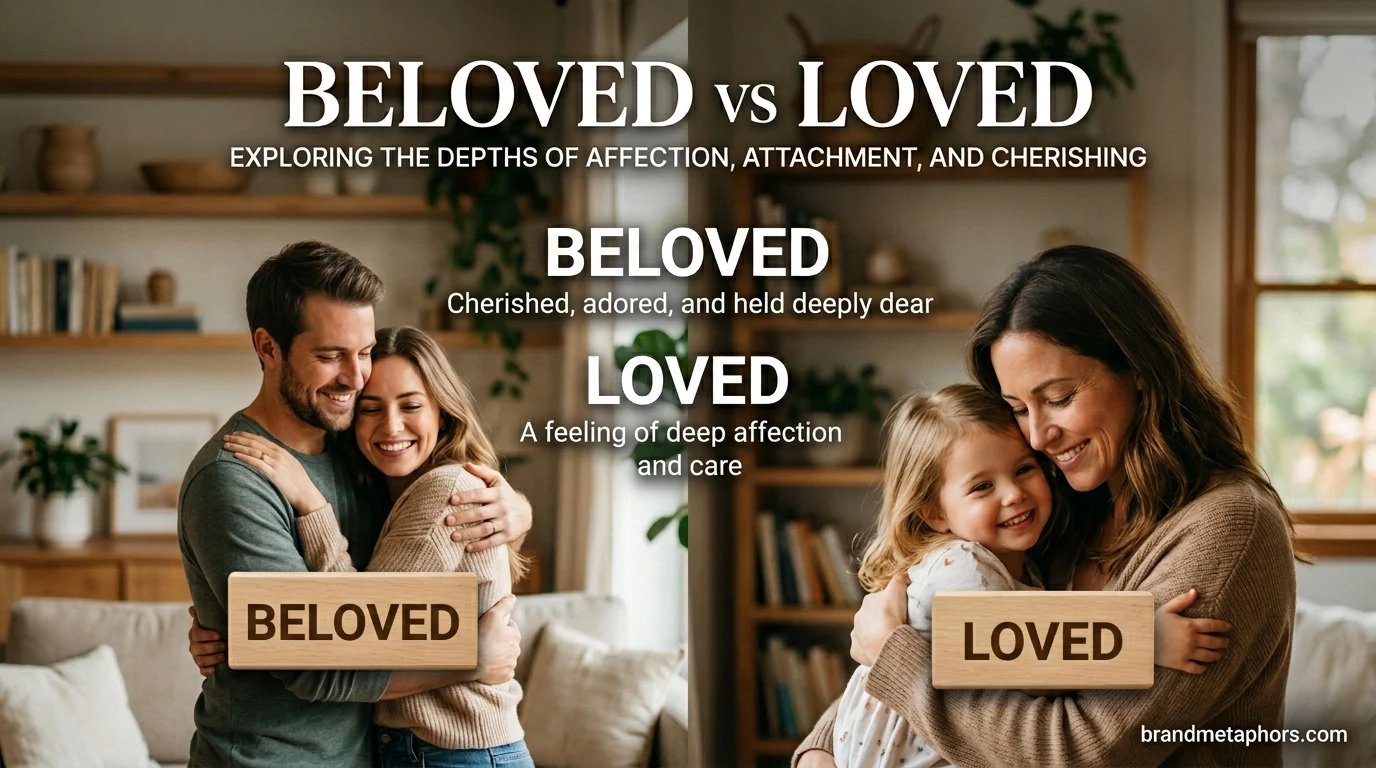
Beloved vs Loved

Beloved vs Loved

Introduction Words have power. The way we choose words can change the emotion, tone, and meaning of our writing. Whether you are a student, writer, or English learner, understanding word differences helps improve communication and writing skills. One common question is the difference between beloved vs loved. Both words express affection, care, and emotional connection, … Read more

Proved or Proven

Proved or Proven

Introduction English can be confusing because many words have more than one correct form. One common example is proved and proven. Many students, writers, and English learners wonder which word is correct and when each one should be used. Understanding the difference between these two forms can improve writing skills, strengthen grammar accuracy, and enhance … Read more

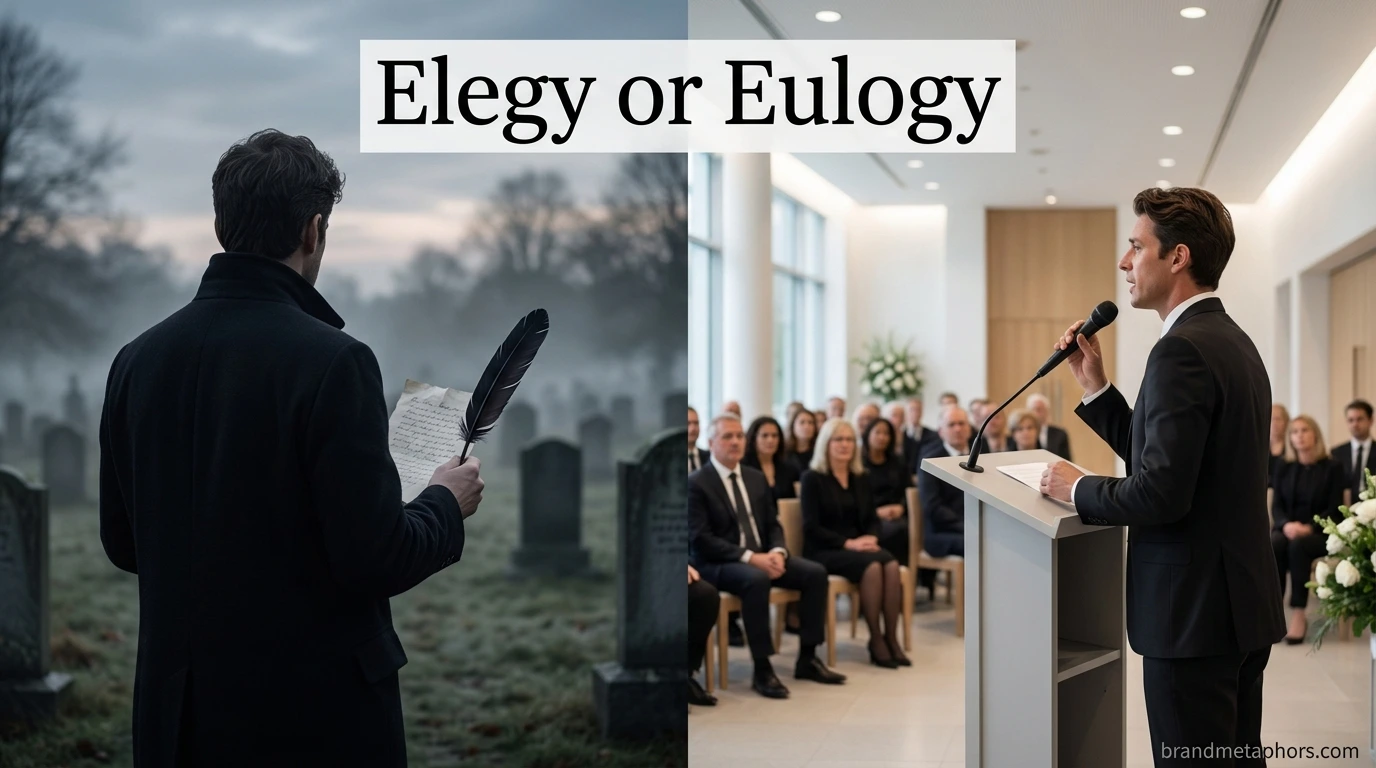
Elegy or Eulogy

Elegy or Eulogy

Figurative language makes writing more powerful, emotional, and memorable. It helps writers express feelings, ideas, and experiences in creative ways. Whether you are writing poetry, speeches, essays, or stories, understanding literary terms improves communication and writing skills. One common area of confusion is elegy or eulogy. These two words are related to remembering someone who … Read more

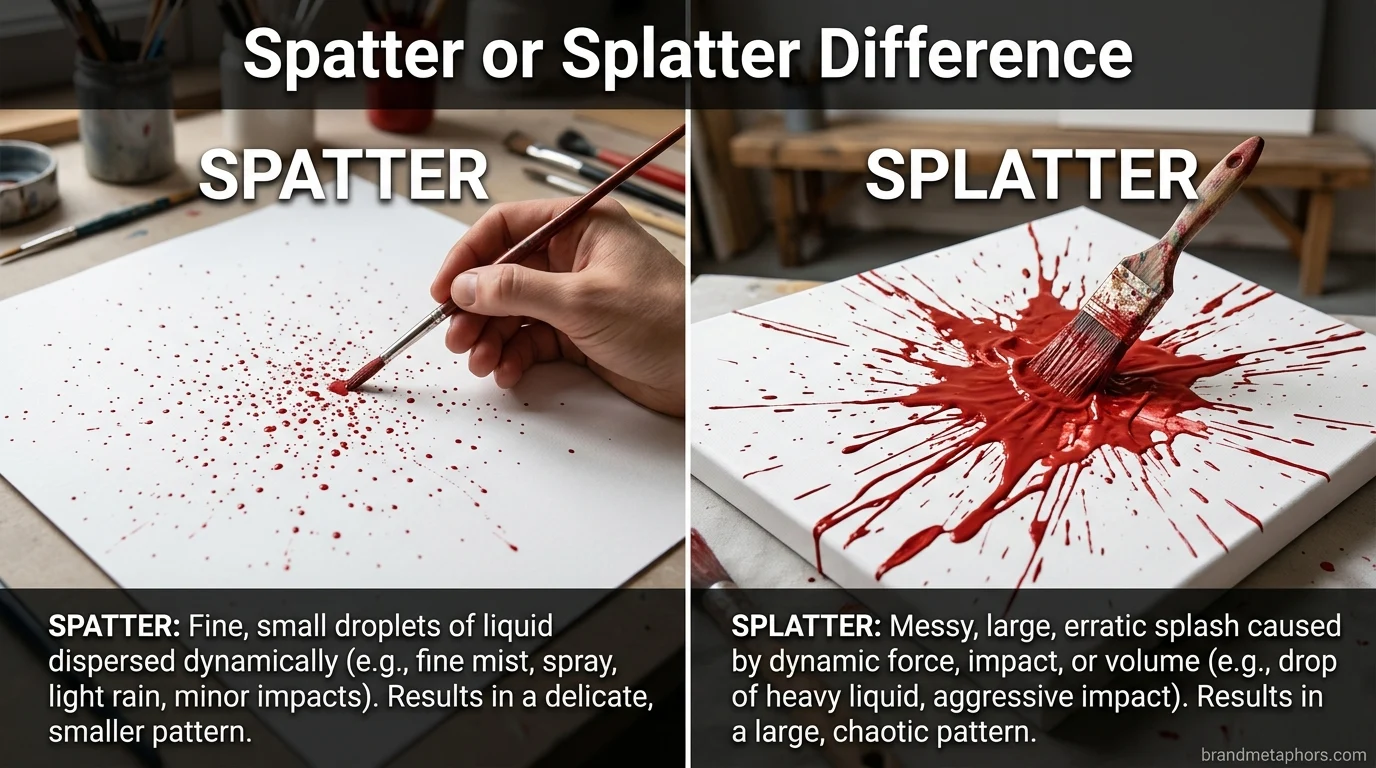
Spatter or Splatter Difference

Spatter or Splatter Difference

Introduction Good writing is more than using correct grammar. It is about creating clear images in the reader’s mind. Writers often use figurative language, descriptive language, similes, metaphors, and other literary devices to make their work more engaging. However, choosing the right word is just as important as using creative expressions. One common confusion in … Read more