Happy Holiday or Happy Holidays

Happy Holiday or Happy Holidays

Introduction Words have the power to make people feel welcome, respected, and appreciated. Whether you are writing a greeting card, sending an email, posting on social media, or speaking with friends, choosing the right holiday greeting helps you communicate clearly. Learning the difference between happy holiday or happy holidays also improves your writing skills. It … Read more
Talking Out of the Side of Your Mouth

Talking Out of the Side of Your Mouth

Introduction Have you ever heard someone say one thing but act in a completely different way? Or perhaps you’ve met a person who constantly avoids giving a direct answer while trying to satisfy everyone. English has a colorful expression for this behavior. This popular idiom describes someone who speaks in an indirect, dishonest, or contradictory … Read more

Sais vs Says

Sais vs Says

Introduction Figurative language makes writing more vivid, memorable, and engaging. Whether you are reading a novel, writing an essay, creating poetry, or improving your everyday communication, understanding language helps you express ideas with clarity and confidence. Strong vocabulary, correct grammar, and accurate word choice are the foundation of effective writing. One common point of confusion … Read more

Polite vs Courteous

Polite vs Courteous

Introduction: Why Figurative Language Makes Writing More Powerful Words shape how people see us. Whether you are writing an email, telling a story, speaking in class, or creating a poem, choosing the right word helps you express the exact meaning you want. This is why learning vocabulary is more than memorizing definitions. It is about … Read more

Blow This Popsicle Stand

Blow This Popsicle Stand

Introduction English is full of colorful expressions that make conversations more interesting. Some phrases sound strange at first, but once you know their meaning, they become easy to remember. One of these playful expressions is blow this popsicle stand. If you hear someone say it, don’t imagine a real popsicle shop exploding. Instead, the speaker … Read more

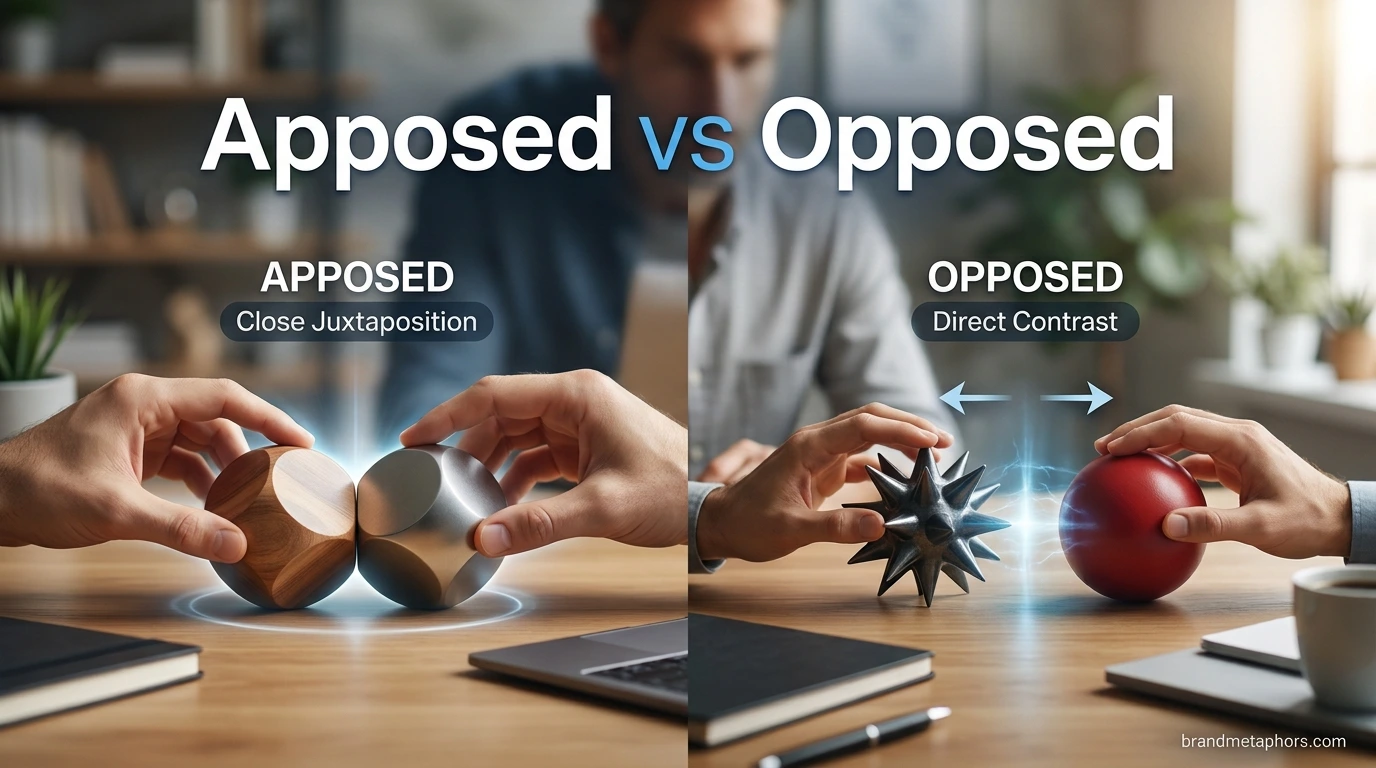
Apposed vs Opposed

Apposed vs Opposed

Introduction Strong writing is more than correct grammar. It also uses figurative language, descriptive vocabulary, and precise word choices to make ideas memorable. Whether you are writing essays, stories, emails, or poems, selecting the right word helps readers understand exactly what you mean. A single misplaced word can completely change the meaning of a sentence. … Read more

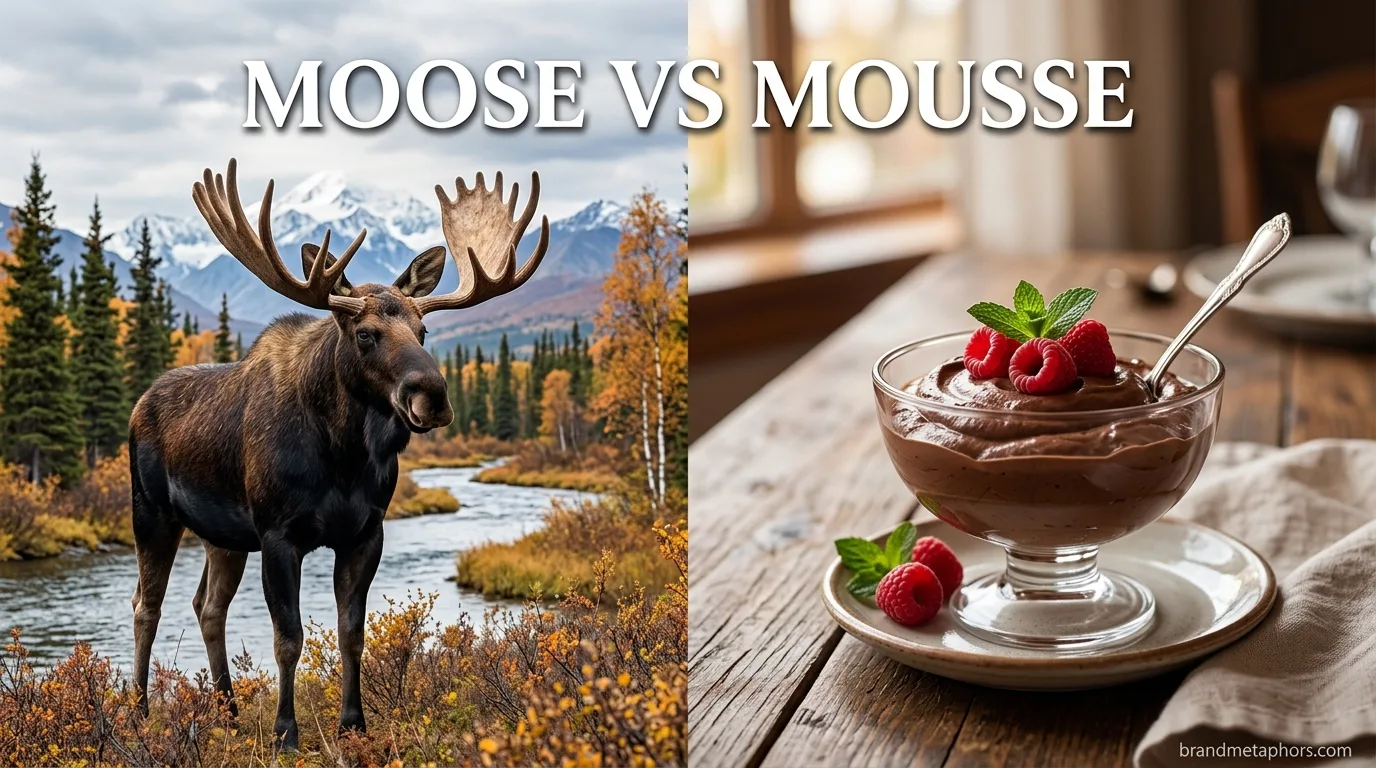
Moose vs Mousse

Moose vs Mousse

Introduction Clear writing begins with choosing the right words. Whether you’re writing a school essay, a creative story, a business email, or a social media post, using accurate vocabulary helps readers understand your message. While figurative language adds color and emotion to writing through metaphors, similes, imagery, and descriptive language, precise word choice ensures your … Read more

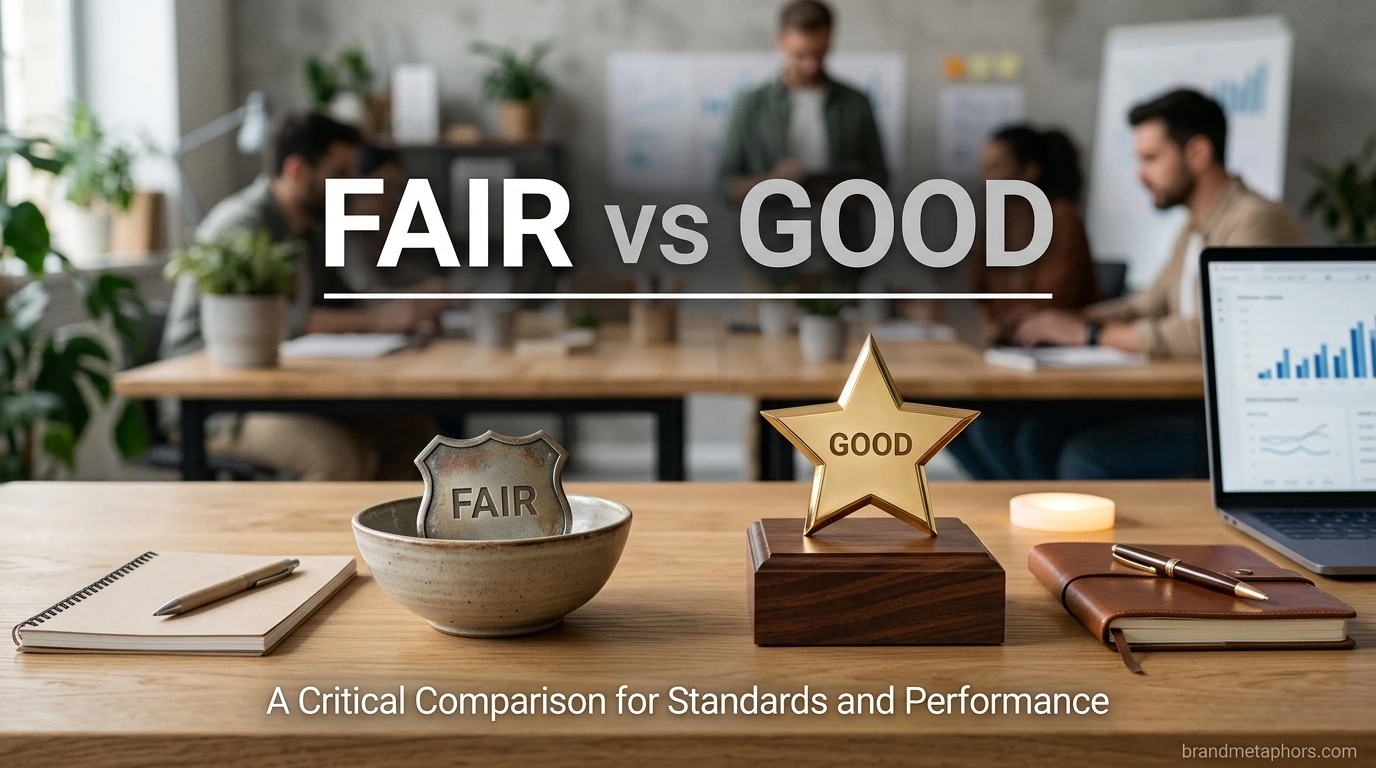
Fair vs Good

Fair vs Good

Introduction: Why Figurative Language Improves Writing and Communication Language is not just a tool for communication—it is a powerful way to shape perception, emotion, and understanding. When students and writers explore figurative language, creative writing techniques, and descriptive language, they unlock the ability to express ideas more vividly and persuasively. Words like “good,” “fair,” “excellent,” … Read more

Receiver vs Reciever

Receiver vs Reciever

1. Introduction: Why Figurative Language Improves Writing and Communication Language is more than just a system of rules—it is a powerful tool for expression, imagination, and communication. When learners explore figurative language, such as metaphors, similes, and descriptive imagery, they begin to understand how words can carry deeper emotional and intellectual meaning beyond their literal … Read more

Patron vs Benefactor

Patron vs Benefactor

1. Introduction: Why Figurative Language Improves Writing and Communication Figurative language is one of the most powerful tools in English writing. It helps writers move beyond plain meaning and create emotional depth, vivid imagery, and memorable expression. Through devices like metaphor, simile, idiom, and descriptive language, ideas become more engaging and easier to understand. For … Read more