
Introduction: When Darkness Learns to Speak
A silent room. A flickering streetlight outside the window. A person sitting awake at 2 a.m., carrying thoughts too heavy for ordinary language. Some emotions refuse to fit neatly into plain sentences. Pain, despair, hopelessness, and emotional exhaustion often arrive like storms without names. That is why people turn to metaphor.
Metaphors for suicide are not meant to glorify suffering or romanticize tragedy. Instead, they help writers, readers, counselors, and everyday people describe emotional experiences that can feel impossible to explain directly. A metaphor can transform overwhelming feelings into imagery that others can understand with empathy and care.
In literature, poetry, music, and everyday conversation, people have long used symbolic language to discuss emotional collapse, isolation, and the longing to escape pain. These metaphors can create emotional connection, encourage deeper conversations about mental health, and help writers approach difficult subjects with sensitivity.
This article explores thoughtful and respectful metaphors for suicide and emotional despair. You will discover vivid examples, alternative expressions, creative exercises, storytelling ideas, and practical writing tips. Whether you are a writer crafting realistic dialogue, a student studying symbolism, or someone seeking language for complex emotions, these metaphors can help communicate difficult inner experiences with honesty and compassion.
Why Metaphors Matter When Discussing Pain
Some emotions are too intense for direct language. Saying “I feel hopeless” may communicate sadness, but it often fails to capture the crushing emotional weight someone experiences during deep despair. Metaphors bridge that gap.
When someone says, “It feels like I’m drowning,” listeners instantly understand urgency, panic, and exhaustion. The image becomes emotional shorthand.
Metaphors matter because they:
- Make invisible emotions easier to visualize
- Create emotional connection between speaker and listener
- Add depth and realism to writing
- Encourage compassionate understanding
- Help people discuss difficult feelings indirectly
Writers especially rely on metaphors to portray emotional complexity. In novels and films, characters rarely announce their inner pain directly. Instead, authors show cracked mirrors, sinking ships, dying stars, or dark tunnels.
These images linger because they speak to universal human experiences.
Still, discussing suicide through metaphor requires care. Language should never encourage self-harm or portray death as beautiful or heroic. Responsible metaphors focus on emotional states rather than romantic outcomes.
A thoughtful metaphor shines light into darkness instead of decorating it.
Metaphors for Suicide as Emotional Exhaustion
One of the most common metaphorical themes is exhaustion. Emotional suffering often feels less like drama and more like carrying unbearable weight for too long.
Example 1: “A Candle Burning at Both Ends”
Meaning
This metaphor describes someone emotionally depleted, overwhelmed, or consumed by pressure.
Example Sentence
“She felt like a candle burning at both ends, glowing brightly while disappearing inch by inch.”
Alternative Expressions
- Running on empty
- A battery drained to zero
- A machine overheating
- A fading lantern in the wind
Emotional Details
This image evokes heat, fragility, and gradual disappearance. It reflects emotional burnout rather than sudden destruction.
Mini Storytelling Example
A university student studies through the night, works two jobs, ignores sleep, and hides panic attacks behind smiles. Eventually, the metaphorical flame becomes too weak to keep burning.
This metaphor works well in poetry, memoirs, reflective essays, and mental health discussions because it communicates fatigue without graphic imagery.
Water and Ocean Metaphors for Despair
Water imagery appears constantly in literature about grief, depression, and emotional collapse. Oceans symbolize depth, unpredictability, and power.
Example 2: “Drowning in Darkness”
Meaning
This metaphor describes feeling trapped beneath overwhelming emotions.
Example Sentence
“He smiled during conversations, but inside he felt like he was drowning in darkness.”
Alternative Ways to Express It
- Pulled under by waves
- Lost at sea
- Sinking beneath the surface
- Swept away by a storm
Sensory Details
Readers can almost feel cold water pressing against the chest, limiting breath and movement.
Literary Connection
Classic literature frequently uses oceans as emotional symbols. In many tragic novels, storms mirror internal turmoil.
Writing Tip
When using water metaphors, avoid repetition. Instead of constantly mentioning drowning, vary imagery with tides, currents, fog, rain, or storms.
Creative Exercise
Write five sentences describing emotional struggle using only weather or water imagery. Avoid directly mentioning sadness.
Example: “The tide kept pulling farther from shore, carrying every hopeful thought with it.”
This exercise strengthens symbolic writing skills while encouraging emotional subtlety.
Darkness and Shadow Metaphors in Literature
Darkness is one of the oldest emotional metaphors in human storytelling. Shadows often represent fear, grief, loneliness, or emotional numbness.
Example 3: “Walking Through a Tunnel Without End”
Meaning
This metaphor captures hopelessness and the inability to see improvement ahead.
Example Sentence
“Every morning felt like walking through a tunnel without end, searching for light that never appeared.”
Alternative Expressions
- Lost in a maze of shadows
- Trapped in endless night
- Wandering through fog
- Living beneath heavy clouds
Emotional Impact
Darkness metaphors feel universal because nearly everyone understands fear of isolation and uncertainty.
Cultural Reference
Many films and novels use tunnels symbolically. Characters often emerge into daylight after emotional growth or healing.
Important Balance
If you write about dark themes, include moments of humanity or connection. Even a tiny light in the metaphorical tunnel can shift the emotional tone from hopelessness toward resilience.
Fire Metaphors for Inner Pain and Collapse
Fire can symbolize destruction, anger, emotional overload, or silent suffering. Unlike water metaphors, which suggest helplessness, fire metaphors often imply intense emotional pressure.
Example 4: “A House Burning From the Inside”
Meaning
This metaphor describes hidden emotional damage invisible to outsiders.
Example Sentence
“From the outside he looked calm, but inside he felt like a house burning from the inside.”
Alternative Expressions
- Smoldering quietly
- Ashes beneath the skin
- Sparks in dry grass
- Flames hidden behind walls
Sensory Layer
Fire imagery introduces heat, smoke, suffocation, and destruction. It creates urgency.
Real-Life Reflection
People experiencing emotional pain often appear functional publicly while struggling privately. This metaphor captures that invisible conflict.
Bonus Writing Tip
Combine fire imagery with contrast.
Example: “She laughed loudly at dinner while smoke filled the hidden rooms of her mind.”
Contrast deepens emotional impact.
Metaphors for Feeling Trapped or Stuck
Another major theme in discussions of despair is entrapment. People may feel emotionally cornered, isolated, or unable to escape painful circumstances.
Example 5: “A Bird in a Locked Cage”
Meaning
This metaphor represents emotional confinement and loss of freedom.
Example Sentence
“He felt like a bird trapped inside a locked cage, wings beating against invisible bars.”
Alternative Expressions
- Stuck in quicksand
- Buried beneath stone
- Chained to silence
- Frozen in place
Emotional Effect
Entrapment metaphors create tension because readers instinctively want freedom for the trapped figure.
Storytelling Example
A character stays silent about depression because they fear judgment from family or friends. Every unspoken thought becomes another bar in the cage.
Interactive Exercise
Describe a stressful situation using prison imagery, but avoid direct words like trapped or prison.
Example Prompt: “What objects, sounds, or textures could symbolize emotional confinement?”
Exercises like this improve symbolic thinking for fiction and poetry.
Nature Metaphors for Emotional Decline
Nature changes with seasons, making it a powerful source for emotional metaphors. Falling leaves, dying flowers, and winter landscapes often symbolize grief or emotional emptiness.
Example 6: “A Tree Losing Leaves in Winter”
Meaning
This metaphor reflects emotional depletion, loneliness, or fading hope.
Example Sentence
“She felt like a tree losing leaves in winter, stripped bare by invisible winds.”
Alternative Ways to Express It
- A garden without sunlight
- Wilted flowers in dry soil
- Frost covering green fields
- A forest after wildfire
Poetic Quality
Nature metaphors feel softer and more reflective than violent imagery. They are especially effective in lyrical writing.
Literary Reference
Poets throughout history have connected winter with emotional hardship and spring with renewal.
Creative Exercise
Write a paragraph connecting emotional states to seasons.
Questions to Explore:
- What does emotional winter look like?
- What sounds belong to emotional spring?
- What colors represent hope?
This practice develops emotional imagery naturally.
Broken Object Metaphors and Emotional Fragility
Objects often symbolize the human mind or heart. Cracks, shattered glass, and broken clocks communicate vulnerability.
Example 7: “A Cracked Mirror”
Meaning
This metaphor represents fractured identity, damaged self-image, or emotional instability.
Example Sentence
“Every criticism felt like another crack spreading across the mirror she used to recognize herself.”
Alternative Expressions
- A shattered vase
- A clock missing gears
- Torn pages from a book
- A bridge collapsing slowly
Emotional Texture
Broken-object imagery feels intimate because it reflects damage to something once whole.
Writing Tip
Specific details make metaphors memorable.
Instead of: “His heart was broken.”
Try: “His thoughts rattled like cracked glass inside a moving box.”
Specific imagery creates stronger emotional resonance.
Symbolic Metaphors in Poetry, Music, and Film
Art often addresses difficult emotions through symbolism rather than direct explanation.
Songs describe fading lights. Poems mention empty rooms. Films show storms, abandoned houses, or long roads disappearing into fog.
These symbols allow audiences to emotionally interpret suffering without explicit statements.
Example 8: “An Empty Stage After the Music Ends”
Meaning
This metaphor symbolizes emotional emptiness, isolation, or feeling forgotten.
Example Sentence
“After everyone left, his mind felt like an empty stage after the music ends.”
Alternative Expressions
- A silent theater
- Echoes in an abandoned hallway
- A radio without signal
- A city after midnight rain
Cultural Reflection
Artists often use silence and emptiness to portray loneliness because absence itself becomes emotionally powerful.
Bonus Tip for Writers
Use sensory contrast.
A noisy environment paired with emotional emptiness creates strong tension.
Example: “The crowded party sounded distant, like applause from another universe.”
Using Sensitive Metaphors Responsibly
Writing about suicide and emotional despair requires empathy and responsibility.
Here are important guidelines for thoughtful communication:
Avoid Romanticizing Pain
Do not portray suffering as glamorous, poetic destiny, or beautiful tragedy.
Focus on Emotion, Not Harm
Metaphors should describe emotional experiences rather than methods or graphic details.
Include Human Connection
Stories become more compassionate when they include support, friendship, therapy, understanding, or hope.
Use Balanced Imagery
Darkness feels more meaningful when contrasted with warmth, kindness, or possibility.
Think About Audience Impact
Some readers may personally struggle with mental health challenges. Gentle wording matters.
Helpful Alternative Themes
Instead of glorifying death, explore:
- Isolation
- Emotional exhaustion
- Healing
- Recovery
- Human resilience
- The importance of support systems
Thoughtful language can create understanding without causing harm.
If you or someone you know is struggling emotionally, reaching out to a trusted person or mental health professional can make a meaningful difference.
Creative Writing Prompts Using Emotional Metaphors
Writers often improve metaphor skills through experimentation. These prompts encourage emotional storytelling while practicing symbolism.
Prompt 1: The Storm Inside
Write about a character whose emotions are represented entirely through weather.
Questions to Consider:
- Is the storm loud or silent?
- Does rain symbolize grief or cleansing?
- When does sunlight appear?
Prompt 2: The Empty House
Describe loneliness through the image of an abandoned home.
Include:
- Sounds
- Smells
- Light and shadow
- Forgotten objects
Prompt 3: The Last Train
Imagine someone waiting at an empty station late at night.
What does the train symbolize? Hope? Escape? Fear?
Prompt 4: Seasons of the Heart
Write four short paragraphs representing emotional states as seasons.
Prompt 5: The Cracked Window
Describe emotional pain through objects in a room rather than direct explanation.
These exercises help writers create emotional depth while strengthening descriptive skills.
Bonus Tips for Using Metaphors in Writing and Social Media
Metaphors are powerful tools beyond novels and poetry. They can improve captions, speeches, journaling, and personal reflection.
Keep Metaphors Fresh
Avoid clichés when possible.
Instead of: “Dark as night.”
Try: “Silence hung over the room like dust in an abandoned attic.”
Match Tone Carefully
A serious topic deserves respectful language.
Use Sensory Details
Readers remember imagery they can hear, smell, touch, or visualize.
Don’t Overload Sentences
Too many metaphors at once can confuse readers.
Blend Simplicity With Emotion
The strongest metaphors are often clear and relatable.
Social Media Example
Instead of posting: “I’m exhausted.”
Someone might write: “Lately, my mind feels like a phone battery that never charges past 5%.”
The metaphor instantly communicates emotional fatigue.
Journaling Tip
Use metaphors to explore feelings privately.
Prompt: “If my emotions looked like a landscape today, what would it be?”
This can encourage reflection and emotional awareness.
Finding Hope Beyond Dark Metaphors
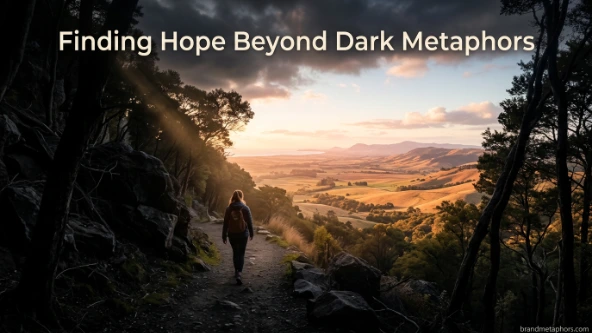
Even the darkest stories often contain small moments of light.
In literature, storms eventually quiet. Winter gives way to spring. Broken bridges can be rebuilt. Candles can be relit.
These hopeful metaphors matter because they remind readers that emotional pain is not always permanent.
A person may feel lost in darkness today yet still discover support, healing, connection, and meaning tomorrow.
Writers can acknowledge despair honestly while also recognizing resilience.
A powerful metaphor does not trap someone inside suffering forever. Instead, it creates understanding and opens emotional conversation.
Sometimes the most important image is not the storm itself, but the distant lighthouse guiding someone safely through it.
Frequently Asked Questions
1. What are metaphors for suicide used for?
Metaphors for suicide are often used in literature, poetry, therapy discussions, and emotional writing to describe despair, hopelessness, or emotional exhaustion indirectly and symbolically.
2. Why do writers use metaphors instead of direct language?
Metaphors help communicate complex emotions more vividly. They create emotional imagery that readers can understand and feel deeply.
3. Are dark metaphors harmful?
They can be harmful if they romanticize self-harm or glorify suffering. Responsible metaphors focus on emotional experiences with empathy and care.
4. What are common themes in emotional metaphors?
Common themes include darkness, storms, drowning, broken objects, winter, cages, fire, and fading light.
5. How can I write emotional metaphors effectively?
Use sensory details, avoid clichés, focus on specific imagery, and balance emotional intensity with clarity and compassion.
Conclusion
Metaphors for suicide and emotional despair exist because human pain is often difficult to explain directly. Through storms, fading candles, cracked mirrors, frozen winters, and endless tunnels, people try to give shape to feelings that otherwise remain invisible.
Used responsibly, these metaphors can build empathy, deepen storytelling, and encourage meaningful conversations about emotional struggles. They allow writers and readers to explore difficult subjects with nuance, humanity, and emotional honesty.
The most memorable metaphors are not simply dark. They are truthful. They reveal vulnerability while reminding us that understanding and connection still matter.
After all, even in literature’s darkest forests, there is usually a path, a lantern, or a distant sunrise waiting somewhere beyond the trees.