
Introduction
A storm rolls across the sea. Waves crash against a small wooden boat while frightened fishermen cling to the edges. In the middle of the chaos stands a calm figure, steady as a lighthouse in the dark. That image has lived in human hearts for centuries. People have searched for words to describe the comfort, power, love, and mystery they see in Jesus. Yet plain language often feels too small. That is where metaphors come alive.
Metaphors for Jesus help people understand spiritual truths through vivid pictures and emotional connections. Instead of only saying “Jesus is loving,” writers and speakers compare Him to a shepherd, a light, a bridge, or living water. These images make faith feel personal and memorable. They also enrich storytelling, poetry, sermons, prayers, and everyday conversation.
In literature and culture, metaphors have always carried deep meaning. They paint ideas in colors the heart can feel. Whether you are a student, writer, teacher, believer, or simply curious about symbolic language, learning metaphors for Jesus can deepen both creativity and understanding.
This article explores meaningful and poetic metaphors for Jesus, their symbolism, examples, and practical ways to use them in writing and daily life.
Why Metaphors for Jesus Matter
Metaphors Make Spiritual Ideas Easier to Understand
Faith can feel abstract. Metaphors turn invisible ideas into images people can picture clearly. Saying “Jesus is the light in darkness” instantly creates emotion and understanding.
A child may not grasp theology, but they understand what light means in a dark room.
Metaphors Create Emotional Connection
Words filled with imagery stay in memory longer. A metaphor touches both the mind and the heart.
For example:
- “Jesus is an anchor in troubled waters.”
- “Jesus is bread for the hungry soul.”
These phrases carry comfort and hope.
Metaphors Strengthen Writing and Speaking
Writers, speakers, and content creators use metaphors to make messages powerful and engaging. They add rhythm, beauty, and depth to communication.
Alternative expressions include:
- Savior as a shelter
- Christ as a guiding star
- Jesus as a healing river
Jesus as the Good Shepherd
Meaning of the Shepherd Metaphor
One of the most famous metaphors for Jesus is the Good Shepherd. A shepherd protects, guides, and cares for sheep. This metaphor shows love, patience, and leadership.
In ancient times, shepherds stayed close to their flocks day and night. They defended them from danger and led them toward green pastures.
Example Scenario
A person feeling lost in life may say:
“Jesus became my shepherd when I wandered through confusion.”
The sentence paints a picture of guidance and safety.
Alternative Ways to Express It
- Guardian of wandering hearts
- Keeper of the flock
- Gentle guide through valleys
Emotional and Sensory Details
Imagine dusty hills at sunset, sheep resting quietly, and a shepherd carrying a lantern through the fading light. The image feels peaceful and protective.
Mini Storytelling Example
A teacher once told her students that faith is like hearing a familiar voice in a crowded storm. Just as sheep recognize their shepherd, people seek the voice that leads them home.
Jesus as the Light of the World
Why Light Is a Powerful Symbol
Darkness often represents fear, confusion, or hopelessness. Light symbolizes truth, safety, and hope.
Calling Jesus “the Light of the World” means He brings clarity and direction to human lives.
Example Sentence
“In the darkest season of grief, Jesus became a candle that would not go out.”
This metaphor feels warm and comforting.
Alternative Expressions
- Beacon in the night
- Morning sunrise
- Eternal flame of hope
Literary and Cultural References
Writers throughout history have connected light with divine wisdom. Paintings, hymns, and poems often show glowing skies or shining candles to symbolize Christ.
Creative Writing Tip
Use light imagery in emotional scenes:
- Lanterns
- Fireflies
- Sunrises
- Stars
- Golden windows in storms
These details make spiritual writing vivid.
Jesus as Living Water
Understanding the Water Metaphor
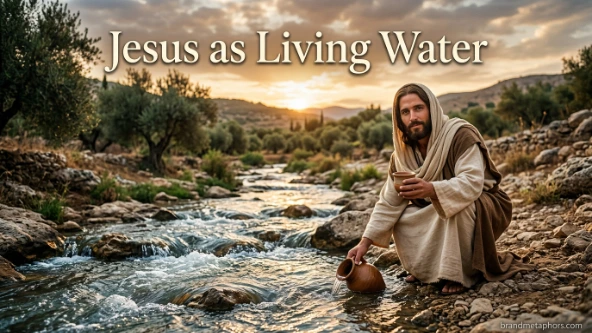
Water gives life. Without it, nothing survives. Calling Jesus “Living Water” suggests spiritual renewal, peace, and nourishment.
This metaphor especially connects with people feeling emotionally exhausted.
Example Scenario
“After years of emptiness, her faith felt like cool water in a dry desert.”
The contrast between dryness and refreshment creates strong imagery.
Alternative Ways to Express It
- River of peace
- Fountain of mercy
- Rain upon thirsty soil
Sensory Imagery
Picture cracked earth after drought. Then imagine rain falling softly, filling rivers and bringing flowers back to life.
That emotional transformation gives this metaphor power.
Bonus Tip for Social Media Writing
Short water metaphors work beautifully in captions:
- “Grace flows like a river.”
- “Hope never runs dry.”
- “Faith refreshes the soul.”
Jesus as the Bread of Life
Meaning Behind Bread Imagery
Bread represents nourishment and survival. For centuries, bread was a daily necessity. Calling Jesus the Bread of Life means He sustains spiritual life.
Example Sentence
“His words fed my spirit when my heart felt empty.”
This metaphor links hunger with emotional need.
Alternative Expressions
- Food for the soul
- Heavenly nourishment
- Sacred feast of hope
Real-Life Connection
Many families gather around tables to share bread and conversation. That feeling of togetherness strengthens this metaphor emotionally.
Mini Storytelling
A grandfather once told his grandson, “People can survive with food alone for a while, but the soul also hungers for kindness, truth, and hope.”
That simple lesson mirrors the Bread of Life metaphor beautifully.
Jesus as the Door
The Symbolism of a Door
Doors represent opportunity, safety, and transition. When Jesus is called “the Door,” it suggests access to peace, salvation, and new beginnings.
Example Scenario
“When fear trapped him in darkness, Jesus became the open door to freedom.”
This image feels hopeful and liberating.
Alternative Expressions
- Gateway to grace
- Entrance to peace
- Open path through fear
Writing Tip
Door metaphors work well in stories about change, healing, or personal growth.
Use details like:
- Creaking hinges
- Golden light through cracks
- A hand turning the handle
These small touches create cinematic imagery.
Jesus as the Vine
Meaning of the Vine Metaphor
A vine connects branches and helps them grow. This metaphor teaches connection, dependence, and spiritual growth.
Without the vine, branches wither.
Example Sentence
“Separated from faith, he felt like a branch drying in the sun.”
The comparison feels natural and emotional.
Alternative Ways to Say It
- Root of spiritual growth
- Source of life
- Gardener of the soul
Sensory Details
Imagine green vineyards stretching across hillsides under warm sunlight. The image suggests life, abundance, and connection.
Cultural References
Vineyards appear often in art, songs, and ancient storytelling. They symbolize patience, harvest, and renewal.
Jesus as the Cornerstone
Understanding the Cornerstone Metaphor
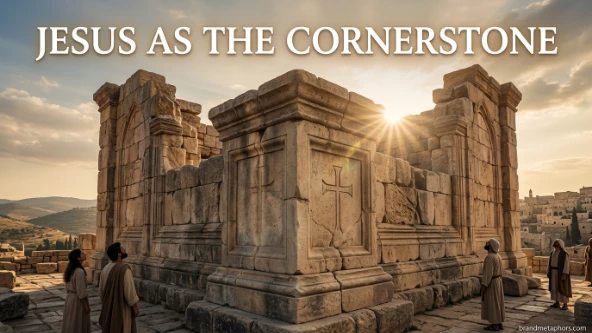
A cornerstone supports the structure of a building. It keeps everything steady and aligned.
Calling Jesus the Cornerstone means He is the foundation of faith and purpose.
Example Scenario
“When life shook around her, faith became the stone beneath her feet.”
This metaphor creates stability and strength.
Alternative Expressions
- Foundation of hope
- Rock of truth
- Steady ground in storms
Emotional Imagery
Picture an old stone building surviving fierce winds for generations because its foundation never moved.
That enduring strength makes the metaphor memorable.
Bonus Writing Tip
Stone and foundation metaphors work especially well in motivational writing and speeches.
Jesus as the Lamb
Why the Lamb Symbol Matters
A lamb symbolizes innocence, gentleness, and sacrifice. This metaphor carries deep emotional and spiritual meaning.
Example Sentence
“The Lamb walked silently through suffering to bring peace to others.”
The image feels soft yet powerful.
Alternative Ways to Express It
- Gentle sacrifice
- Innocent redeemer
- Quiet symbol of mercy
Sensory and Emotional Details
Imagine soft wool, silent fields, and calm eyes. Then contrast that gentleness with human cruelty and sacrifice. The emotional tension deepens the metaphor.
Literary Connection
Many poems and hymns use lamb imagery to represent purity and compassion.
Jesus as the Lion
The Strength Behind the Lion Metaphor
While some metaphors focus on gentleness, the lion symbolizes courage, authority, and victory.
This balance shows both compassion and strength.
Example Scenario
“When injustice rose like thunder, Jesus stood like a lion unafraid.”
The imagery feels bold and heroic.
Alternative Expressions
- King of courage
- Roaring defender
- Mighty protector
Sensory Imagery
Picture golden eyes, thunderous roars, and fearless movement across wild plains. The metaphor radiates power.
Writing Tip
Lion metaphors fit dramatic scenes, inspirational speeches, and themes of bravery.
Jesus as the Anchor
Why Anchor Metaphors Feel Comforting
Anchors keep ships steady during storms. Life often feels uncertain, and this metaphor represents stability during hardship.
Example Sentence
“When anxiety tossed her thoughts like waves, faith became her anchor.”
The comparison feels relatable and calming.
Alternative Expressions
- Harbor in storms
- Steady weight of hope
- Safe place in chaos
Mini Storytelling Example
A sailor once said the ocean teaches people humility. Storms arrive without warning, but an anchor offers security when everything else moves.
That image perfectly captures emotional resilience.
Social Media and Poetry Tip
Anchor metaphors work beautifully in short reflective writing:
- “Hold fast to hope.”
- “Grace keeps me grounded.”
- “Peace in the storm.”
Creative Exercises for Using Metaphors for Jesus
Exercise 1: Create Your Own Nature Metaphor
Think about nature elements:
- Mountains
- Rivers
- Rain
- Trees
- Stars
Ask yourself:
“How could this represent comfort, hope, strength, or guidance?”
Example:
“Jesus is the sunrise after endless rain.”
Exercise 2: Write a Personal Reflection
Complete this sentence:
“In my hardest moment, Jesus felt like…”
Try using sensory language and emotions.
Exercise 3: Use Metaphors in Daily Writing
Practice adding metaphors to:
- Journals
- Poems
- Sermons
- Instagram captions
- Speeches
This strengthens creativity and emotional expression.
Bonus Challenge
Write three fresh metaphors without using common symbols like light or shepherd.
Examples:
- Compass
- Bridge
- Fireplace
- Song in silence
Tips for Writing Strong Metaphors for Jesus

Keep Imagery Simple
The best metaphors are clear and relatable.
Instead of complicated wording, use familiar experiences.
Good example:
“Jesus is a lighthouse in fog.”
Less effective example:
“Jesus is the metaphysical embodiment of existential navigation.”
Simple images connect faster.
Use Sensory Language
Readers remember sights, sounds, and textures.
Include details like:
- Warm rain
- Flickering candles
- Cold winds
- Quiet footsteps
Avoid Mixing Too Many Metaphors
Too many comparisons can confuse readers.
Stay focused on one image at a time.
Connect Emotion to Imagery
Strong metaphors combine visual pictures with emotional truth.
For example:
“His kindness felt like a blanket on a freezing night.”
That sentence carries comfort readers can feel instantly.
Metaphors for Jesus in Literature and Culture
Poetry and Hymns
Christian poetry and hymns often use symbolic imagery.
Popular metaphors include:
- Rock of Ages
- Bright Morning Star
- Prince of Peace
These phrases remain memorable because they combine rhythm and emotion.
Art and Paintings
Religious paintings frequently portray Jesus as:
- A shepherd with sheep
- A radiant light
- A lamb
- A king
Visual symbolism strengthens emotional understanding.
Modern Media and Writing
Even modern films, novels, and social posts use symbolic language inspired by biblical metaphors.
Writers continue adapting ancient imagery into modern storytelling.
Conclusion
Metaphors for Jesus do more than decorate language. They help people see faith through vivid images that feel personal and alive. A shepherd guiding lost sheep, a light piercing darkness, an anchor holding steady in storms — these symbols stay in memory because they connect truth with emotion.
Whether you are writing poetry, preparing a sermon, creating social media captions, or simply reflecting on spiritual ideas, metaphors can deepen meaning and strengthen expression. They invite readers to feel rather than only understand.
The beauty of metaphor lies in its ability to transform ordinary words into living pictures. Through these images, faith becomes something people can imagine, experience, and remember long after the page is closed.
So the next time you search for words about hope, grace, or guidance, look beyond plain description. Sometimes the heart understands truth best through symbols, stories, and light-filled imagery.
FAQs
What are metaphors for Jesus?
Metaphors for Jesus are symbolic comparisons that describe His qualities through vivid imagery, such as light, shepherd, bread, or anchor.
Why are metaphors important in Christianity?
Metaphors make spiritual truths easier to understand, remember, and emotionally connect with in daily life and worship.
What is the most common metaphor for Jesus?
One of the most common metaphors is “The Good Shepherd,” symbolizing guidance, protection, and care.
How can writers use metaphors for Jesus creatively?
Writers can use nature, light, water, storms, and everyday objects to create fresh spiritual imagery in poems, stories, and reflections.
Can metaphors for Jesus be used in social media content?
Yes. Short metaphors like “light in darkness” or “anchor in storms” work well for captions, inspirational posts, and reflective writing.