
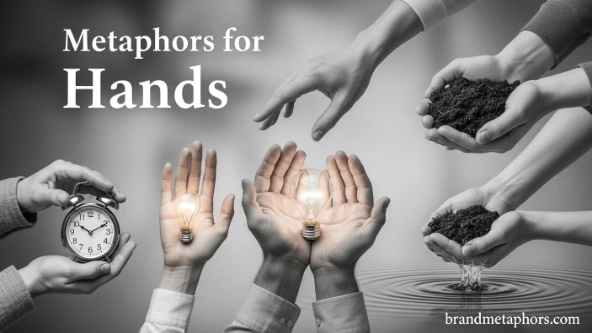
The Language Hidden in Our Hands
A Quiet Gesture That Says Everything
A grandmother folds rough hands around a warm cup of tea. A surgeon steadies trembling fingers before an operation. A child reaches upward, trusting someone unseen to catch them. Hands speak before words ever arrive. They comfort, build, destroy, protect, welcome, and remember.
That is why metaphors for hands feel so powerful in writing and everyday speech. Hands are not just body parts. They become symbols of love, labor, control, creativity, danger, and connection. When writers compare hands to roots, maps, cages, or wings, they turn ordinary gestures into emotional images readers can almost feel.
Learning hand metaphors can improve storytelling, poetry, speeches, captions, journaling, and even casual conversation. A simple phrase like “her hands were tired birds” paints a richer picture than saying “she was exhausted.” Metaphors give emotion a shape.
In this article, you will explore vivid metaphors for hands, discover meanings behind them, practice using them creatively, and learn how to make your writing more expressive. From literary inspiration to social media tips, these examples will help your words leave fingerprints on the reader’s imagination.
Why Metaphors for Hands Matter in Writing
Hands Carry Emotion Without Speaking
Hands often reveal feelings people try to hide. Nervous hands shake. Loving hands linger. Angry hands clench. Because of this emotional power, writers use hand metaphors to deepen scenes and create memorable imagery.
A metaphor transforms a plain description into something alive.
Instead of writing:
“His hands were old.”
You could write:
“His hands were weathered tree bark.”
Suddenly the reader imagines texture, age, hardship, and endurance.
Metaphors Make Writing Visual
Readers remember images more than facts. Hand metaphors create pictures in the mind instantly. They can make a poem softer, a story darker, or dialogue more emotional.
Writers also use these metaphors to:
- Show personality
- Reveal hidden emotions
- Build atmosphere
- Add poetic rhythm
- Create symbolic meaning
Hands Exist in Every Culture and Story
Across cultures, hands symbolize work, prayer, healing, friendship, and power. Ancient paintings, religious stories, and classic literature all use hands as symbols of humanity itself.
Think about expressions like:
- “Helping hand”
- “Hands of time”
- “Blood on his hands”
- “Safe in your hands”
These phrases survive because hands connect deeply to human experience.
Hands as Symbols of Strength and Hard Work
Hands Like Iron Tools
One popular metaphor compares hardworking hands to tools forged from iron or steel.
Meaning and Explanation
This metaphor suggests resilience, endurance, and relentless effort. It often describes laborers, farmers, mechanics, or anyone shaped by struggle.
Example Sentence
“His hands were iron hammers, pounding life into stubborn soil.”
Alternative Expressions
- Hands like stone
- Steel fingers
- Hammered palms
- Hands carved from oak
Emotional or Sensory Detail
These metaphors create a rough, gritty feeling. Readers can almost sense cracked skin and aching muscles.
Mini Storytelling Example
Imagine a fisherman pulling heavy nets before sunrise. Salt dries on his wrists while cold wind cuts through the harbor air. Saying “his hands were anchors” immediately gives emotional weight to the scene.
Writing Tip
Use strong textures when describing hardworking hands:
- Rough
- Burned
- Calloused
- Dust-covered
- Splintered
These details strengthen the metaphor naturally.
Gentle Hand Metaphors for Love and Comfort
Hands as Warm Blankets
Soft or loving hands often become metaphors for safety and peace.
Meaning and Explanation
These metaphors suggest emotional shelter, care, tenderness, and trust.
Example Sentence
“Her hands were warm blankets around my frightened heart.”
Alternative Ways to Express It
- Hands like feathers
- Hands like candlelight
- Velvet hands
- Hands like soft rain
Emotional Detail
Gentle hand metaphors create warmth. Readers may associate them with childhood memories, affection, or healing moments.
Literary and Cultural Reference
Many romantic poems compare hands to flowers, silk, or moonlight. In art and cinema, holding hands often represents emotional closeness more strongly than dialogue.
Real-Life Example
Think about a nurse adjusting a blanket in a hospital room or a parent brushing hair away from a child’s face. These small gestures carry enormous emotional meaning.
Dark and Dangerous Metaphors for Hands
Hands as Weapons or Shadows
Not all hand metaphors feel comforting. Some represent fear, control, guilt, or violence.
Meaning and Explanation
Dark hand metaphors create tension and emotional intensity. Writers often use them in thrillers, horror stories, or dramatic scenes.
Example Sentence
“His hands were snakes tightening around every conversation.”
Alternative Expressions
- Clawed hands
- Shadow hands
- Hands like chains
- Fingers of fire
Emotional Effect
These metaphors can make readers uneasy instantly.
Mini Storytelling Scene
A politician smiles during a speech, but the narrator notices “his hands were puppeteer strings pulling invisible fear through the crowd.” The metaphor adds suspicion and psychological depth.
Bonus Writing Tip
Use darker metaphors sparingly. Too many intense comparisons can overwhelm readers. One strong metaphor often works better than five dramatic ones.
Creative Metaphors for Artists and Makers
Hands as Paintbrushes of the Soul
Artists, musicians, bakers, and creators often receive imaginative hand metaphors because their hands bring ideas into reality.
Meaning and Explanation
These metaphors symbolize creativity, imagination, and transformation.
Example Sentence
“Her hands were paintbrushes coloring silence with music.”
Alternative Expressions
- Hands like sculptor’s fire
- Fingers of imagination
- Hands as storytellers
- Hands weaving dreams
Sensory Detail
Creative hand metaphors often include colors, textures, sound, or movement.
Real-Life Inspiration
Watch a pianist moving across keys or a potter shaping wet clay. Their hands seem to think independently, almost magically.
Writing Prompt
Describe someone cooking dinner without directly mentioning food. Focus only on the movement of their hands and use one metaphor to capture emotion.
Example:
“His hands danced through steam like old jazz melodies.”
Nature-Inspired Metaphors for Hands
Hands Like Roots, Rivers, and Wings
Nature metaphors make descriptions feel organic and emotional.
Meaning and Explanation
Natural imagery connects hands to life, growth, freedom, or decay.
Example Sentence
“Her fingers were roots clinging to fading memories.”
Alternative Expressions
- River hands
- Branch-like fingers
- Wings of comfort
- Hands like autumn leaves
Emotional Effect
Nature metaphors often feel poetic and reflective. They work beautifully in emotional writing and literary fiction.
Three Powerful Nature Metaphors
Hands as Roots
Suggests stability, family, tradition, or attachment.
Hands as Rivers
Represents movement, healing, time, or emotional flow.
Hands as Wings
Suggests hope, freedom, protection, or escape.
Bonus Creativity Exercise
Choose one season and compare hands to something connected to it.
Examples:
- Winter hands like frozen branches
- Summer hands glowing like sunlight
- Autumn hands crumbling like dry leaves
Metaphors for Old Hands and Aging
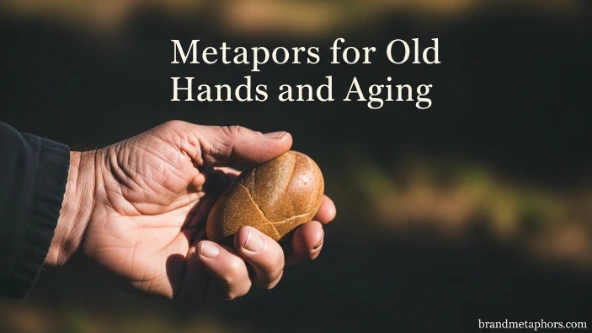
Hands as Maps of Time
Aging hands carry visible stories. Wrinkles, veins, scars, and slow movements inspire many emotional metaphors.
Meaning and Explanation
These metaphors represent memory, survival, wisdom, and passing time.
Example Sentence
“His hands were faded maps leading back to forgotten years.”
Alternative Ways to Express It
- Clockwork hands
- Weathered pages
- Ancient roots
- Time-carved hands
Emotional Tone
These metaphors often feel nostalgic and bittersweet.
Literary Connection
Classic novels frequently describe elderly hands to symbolize lives filled with experience. The image of trembling hands can communicate vulnerability more deeply than direct explanation.
Real-Life Reflection
Think of a grandparent sewing quietly near a window. Their hands may move slowly, but every wrinkle tells a story.
Spiritual and Symbolic Hand Metaphors
Hands as Light, Prayer, or Destiny
Spiritual metaphors often transform hands into symbols of faith or guidance.
Meaning and Explanation
These comparisons suggest hope, healing, divine protection, or fate.
Example Sentence
“Her hands were lanterns guiding broken souls through darkness.”
Alternative Expressions
- Hands of mercy
- Sacred hands
- Hands like morning light
- Fingers woven with prayer
Emotional Detail
Spiritual hand metaphors create calmness and emotional depth.
Cultural References
Religious paintings frequently focus on open hands to symbolize blessing, forgiveness, or surrender. Across cultures, hands raised upward often represent hope.
Writing Tip
Avoid forcing overly dramatic spiritual imagery. Simplicity often feels more genuine and powerful.
Funny and Unusual Metaphors for Hands
Playful Comparisons That Make Readers Smile
Not every metaphor needs to sound serious or poetic. Funny metaphors add personality and charm.
Meaning and Explanation
Humorous metaphors create memorable descriptions and make writing feel more relatable.
Example Sentence
“My hands were slippery fish during the nervous handshake.”
Alternative Expressions
- Sausage fingers
- Monkey hands
- Popcorn hands
- Spider fingers
Emotional Effect
Funny metaphors lighten the tone and create connection with readers.
Social Media Caption Ideas
- “My hands are tiny tornadoes in the kitchen.”
- “Coffee first. My hands still buffering.”
- “These hands deserve a vacation.”
Bonus Tip for Everyday Writing
Humorous metaphors work wonderfully in:
- Instagram captions
- Text messages
- Personal blogs
- Casual storytelling
- Children’s writing
Interactive Exercises for Practicing Hand Metaphors
Exercise One: Emotion Through Hands
Choose an emotion and describe hands without naming the emotion directly.
Examples:
- Fear
- Joy
- Loneliness
- Anger
- Excitement
Practice Prompt
Write one sentence beginning with:
“Her hands were…”
Try to make readers guess the feeling.
Exercise Two: Compare Hands to Objects
Look around your room and pick three random objects.
Examples:
- Candle
- Rope
- Glass
- Pillow
- Clock
Now compare hands to each object creatively.
Example
“His hands were clocks ticking impatiently against the table.”
Exercise Three: Memory and Storytelling
Think about someone important in your life.
Describe their hands using sensory details:
- Texture
- Temperature
- Movement
- Shape
Then create one metaphor that captures their personality.
Example
“My mother’s hands were stitched quilts holding our family together.”
Bonus Tips for Using Hand Metaphors Effectively
Keep Metaphors Fresh
Avoid clichés unless you give them a new twist.
Instead of:
“Helping hands”
Try:
“Hands that stitched broken afternoons together.”
Match the Mood
Gentle metaphors fit emotional scenes. Sharp metaphors fit tense moments.
Use Sensory Details
Strong metaphors appeal to touch, sight, sound, or temperature.
Examples:
- Ice-cold fingers
- Velvet palms
- Sandpaper hands
- Trembling fingertips
Use Metaphors in Social Media
Short poetic metaphors perform beautifully online.
Examples:
- “Hands full of dreams.”
- “My hands remember what my heart forgets.”
- “Built with tired hands and stubborn hope.”
Read Poetry for Inspiration
Poets often create extraordinary hand imagery. Reading poetry improves metaphor skills naturally.
Using Hand Metaphors in Fiction and Poetry
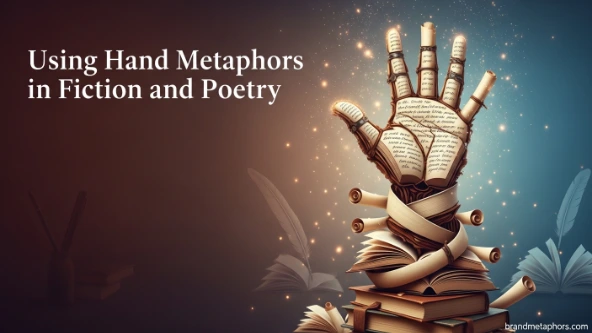
Building Emotional Scenes
Hand metaphors can quietly reveal character emotions without direct explanation.
Instead of saying:
“She felt nervous.”
You could write:
“Her hands fluttered like trapped birds beneath the table.”
The second version creates movement and emotional tension.
Creating Symbolism
Hands can symbolize:
- Control
- Freedom
- Guilt
- Connection
- Creativity
- Sacrifice
A writer may repeat hand imagery throughout a story to strengthen themes.
Example from Daily Life
A baker kneading dough every morning may symbolize patience and care. A boxer wrapping bruised fists may symbolize resilience.
Small details become meaningful through metaphor.
Common Mistakes When Writing Metaphors for Hands
Overcomplicating the Image
Some writers add too many layers.
Confusing example:
“His hands were storm clouds exploding through iron rivers of memory.”
The image becomes difficult to follow.
Mixing Unrelated Imagery
Choose metaphors that fit together naturally.
Good:
“Her hands were autumn leaves trembling in cold wind.”
Less effective:
“Her hands were rockets swimming through butter.”
Using Too Many Metaphors Together
One vivid metaphor often creates stronger impact than several crowded comparisons.
Forgetting Emotion
A metaphor should create feeling, not just decoration.
Always ask:
- What emotion does this image create?
- Does it fit the character or scene?
- Will readers visualize it clearly?
FAQs About Metaphors for Hands
What are metaphors for hands?
Metaphors for hands compare hands to other objects, emotions, or ideas to create vivid imagery. They help writers express feelings, personality, or atmosphere more creatively.
Why do writers use hand metaphors?
Writers use hand metaphors because hands naturally symbolize emotion, action, connection, and identity. These metaphors make descriptions more visual and memorable.
What is an example of a metaphor for hands?
One example is:
“Her hands were soft feathers calming every fear.”
This metaphor suggests gentleness and comfort.
Can hand metaphors be used in everyday writing?
Yes. Hand metaphors work well in stories, poems, captions, speeches, journaling, and even casual conversation. They add personality and emotional depth.
How can I create my own hand metaphors?
Start by thinking about emotion, texture, or movement. Then compare hands to something readers recognize, such as nature, objects, weather, or animals.
Example:
“His hands were tangled vines refusing to let go.”
Conclusion
Hands carry more than movement. They carry memory, love, labor, fear, hope, and identity. That is why metaphors for hands feel deeply human. A single comparison can transform an ordinary sentence into something emotional and unforgettable.
Whether you describe hands as roots, wings, storms, feathers, or lanterns, the best metaphors reveal something hidden beneath the surface. They invite readers not just to see the image, but to feel it.
The next time you write a poem, caption, journal entry, or story scene, pause and notice the hands around you. Watch how they move. Watch what they reveal without speaking. Somewhere inside those gestures is a metaphor waiting to be discovered.