
Introduction (150–200 words)
Stand in front of a mirror on an ordinary morning. The world outside is already moving—honking traffic, hurried footsteps, notifications lighting up phones—but for a brief moment, everything narrows to the reflection staring back at you. Your hair frames that reflection like a living border, shifting slightly with every breath. It might be neatly combed, wildly tangled, freshly cut, or left completely natural. Yet in every form, it quietly speaks.
Hair is more than strands growing from the scalp. Across cultures, literature, and everyday life, it becomes a powerful metaphor for identity, freedom, strength, memory, and change. We describe emotions through it, judge first impressions by it, and even express rebellion or belonging through how it is worn.
Understanding metaphors for hair is not just about language—it is about how humans interpret themselves and others. These metaphors help us make sense of identity, transformation, and emotional states in deeply relatable ways. In this article, we will explore hair as a symbol through different perspectives, uncovering how something so ordinary becomes a mirror of human experience.
Hair as a Crown of Identity
Hair is often described as a “crown,” symbolizing dignity, identity, and personal power. Unlike a physical crown made of metal or jewels, this one is alive, growing, and constantly changing.
In everyday life, people use hairstyles to express who they are. A carefully styled haircut might signal professionalism, while natural curls or long flowing hair might express individuality. Even when unspoken, hair becomes a visual introduction before words are exchanged.
Emotional Significance
For many, hair holds emotional weight tied to memory. A certain style might remind someone of their teenage years, a loved one, or a significant life event. Losing or changing hair can feel like altering part of one’s identity.
Social Interpretation
Society often attaches meaning to hair without realizing it. Clean, styled hair may be associated with discipline, while unconventional styles might be seen as bold or rebellious. These interpretations shape first impressions instantly.
Ultimately, the metaphor of hair as a crown reminds us that identity is not fixed—it is worn, shaped, and expressed daily through something deeply personal.
Hair as a River of Time
Hair grows quietly, almost invisibly, yet it carries the passage of time in its length and texture. Like a river, it moves forward continuously, marking change without pause.
A child’s soft, short hair slowly becomes thicker and longer. Gray strands eventually appear, signaling maturity and life experience. Without needing words, hair tells a story of aging and transformation.
Memory in Strands
People often associate hair with specific life phases. A long braid might remind someone of school days, while a sharp haircut could represent a fresh start after hardship.
Time and Transformation
Just as rivers carve landscapes over time, hair reflects the slow shaping of a person’s life. Every cut, color, or change becomes a symbolic marker of transition.
Hair, in this sense, becomes a silent diary. It does not speak, but it records.
Hair as Threads of Emotion
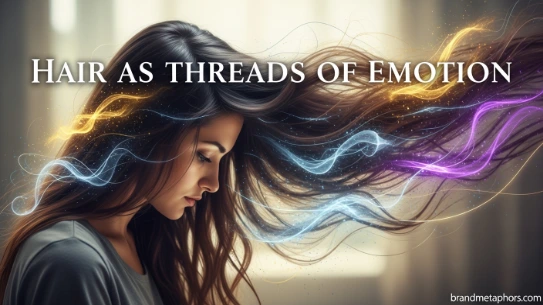
Emotions are often described through hair metaphors: “pulling your hair out” for stress, “letting your hair down” for freedom, or “hair standing on end” for fear.
These expressions reveal how closely hair is tied to emotional experience.
Stress and Overwhelm
When someone says they are “tearing their hair out,” it reflects intense frustration. The metaphor suggests emotions so strong they feel physically uncontrollable.
Relief and Freedom
On the other hand, “letting your hair down” symbolizes relaxation and emotional release. It suggests removing restrictions and embracing comfort.
Hair becomes a physical extension of emotional states, making invisible feelings visible.
Hair as a Symbol of Freedom
Across many cultures, loose hair represents freedom and openness. When hair is tied tightly, it can symbolize control, discipline, or restriction. When it flows freely, it reflects liberation.
Cultural Expressions
In literature and art, women releasing their hair often symbolize breaking societal constraints. Similarly, warriors or performers letting their hair flow may represent power or wild energy.
Personal Freedom
On an individual level, changing a hairstyle can feel like reclaiming control. Cutting hair after a stressful period or growing it long as a form of self-expression can symbolize personal autonomy.
Fur, in this metaphor, becomes a banner of freedom that moves with every step.
Hair as Weather of the Mind
Hair is often compared to weather—unpredictable, expressive, and ever-changing. Just like weather reflects atmospheric conditions, hair can mirror internal states.
Emotional Weather Patterns
Frizzy, messy hair might represent chaos or emotional turbulence, while smooth, neat hair can symbolize calmness or clarity. These comparisons are not literal but deeply symbolic.
Changing Conditions
Just as weather shifts from calm skies to storms, hair changes with mood, environment, and care. Humidity, stress, or joy can all seem to influence how it behaves.
This metaphor reminds us that humans, like nature, are not static. We shift, react, and transform continuously.
Hair as a Language Without Words
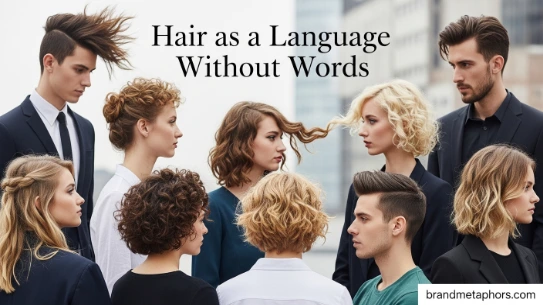
Hair communicates silently. Without speaking, it can express personality, culture, profession, and mood.
Nonverbal Communication
A bold haircut might signal confidence. A traditional style may reflect cultural roots. Even messy hair can suggest a busy or relaxed lifestyle.
Social Messaging
People often interpret hair unconsciously. In professional settings, neat hairstyles might be associated with reliability, while creative styles may signal innovation.
Fur becomes a language everyone reads but few consciously acknowledge.
Hair as Roots and Identity Connection
Hair is often metaphorically linked to roots, connecting individuals to their heritage, ancestry, and cultural identity.
Cultural Roots
Traditional hairstyles in many cultures carry historical meaning. They reflect community identity and shared history.
Personal Roots
On a personal level, people sometimes return to natural hair after years of styling or coloring, symbolizing reconnection with their authentic selves.
Fur, like roots, anchors identity while still allowing growth.
Hair as Armor and Protection
Hair can also be seen as a form of natural armor, offering psychological and symbolic protection.
Physical and Emotional Shield
Long or thick hair can feel like a shield, creating a sense of privacy or safety. Even styling choices like covering or tying hair can represent emotional boundaries.
Inner Strength
Some people use their hairstyle as a source of confidence. It becomes part of how they face the world, like invisible armor supporting self-esteem.
In this metaphor, hair is not just decoration—it is defense.
Hair as Creativity and Art
Hair is one of the most expressive personal canvases. It can be shaped, colored, cut, and styled endlessly, making it a form of living art.
Personal Expression
From bold colors to intricate braids, hair allows people to experiment with identity without permanent consequences.
Artistic Identity
Stylists often view hair as sculpture, shaping it into forms that reflect imagination and creativity.
Fur becomes a medium where identity and art merge.
Hair as Memory Keeper
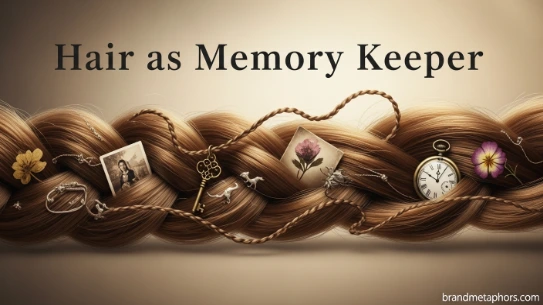
Hair often holds emotional memories long after moments have passed. A single strand can remind someone of a specific time, place, or feeling.
Sentimental Value
People sometimes keep locks of hair from childhood, relationships, or meaningful events. These strands become physical memory tokens.
Emotional Triggers
Certain hairstyles or textures can instantly bring back forgotten emotions or experiences.
Fur becomes a quiet archive of human life.
Hair as Change and Renewal
Hair constantly grows and sheds, making it a natural symbol of renewal and transformation.
Cycles of Growth
Hair never stays the same. It grows, falls, and regrows, reflecting life’s cycles of endings and beginnings.
Symbolic Reinvention
Changing hairstyles often marks new phases in life—new jobs, relationships, or personal growth.
Hair reminds us that change is not only natural but continuous.
Hair as a Social Mirror
Fur reflects how society sees and shapes individuals. It often becomes a mirror of cultural expectations and social norms.
Standards and Expectations
Different societies value different hair textures, lengths, or styles, shaping how individuals present themselves.
Breaking Norms
When people challenge these expectations, hair becomes a tool of resistance and self-definition.
Hair reflects both society’s influence and individual defiance.
Conclusion
Hair is far more than a physical feature—it is a living metaphor that carries layers of meaning about identity, emotion, culture, and change. Through it, we understand ourselves and others in ways that go beyond appearance. Whether seen as a crown of identity, a river of time, or a form of silent language, hair reflects the complexity of human experience.
It grows, shifts, and transforms just as people do, quietly recording moments of growth, struggle, and renewal. In every strand lies a reminder that identity is not fixed but constantly evolving.
By understanding these metaphors, we begin to see hair not just as something we style or maintain, but as a symbolic extension of who we are—fluid, expressive, and deeply human.
FAQs
What are common metaphors used for hair?
Hair is often described as a crown, river, armor, or language, symbolizing identity, time, protection, and expression.
Why is hair used as a metaphor in literature?
Hair is visible, personal, and changeable, making it an effective symbol for emotions, identity, and transformation.
What does “letting your hair down” mean metaphorically?
It means relaxing, being free, or expressing yourself without restraint or social pressure.
How does hair symbolize identity?
Hair reflects personal choices, culture, and emotional states, making it a strong representation of identity.
Can hair represent emotions?
Yes, expressions like “hair standing on end” or “pulling your hair out” connect hair to fear, stress, and emotional intensity.
Why is hair linked to freedom?
Loose or natural hair often symbolizes openness, independence, and breaking away from restrictions.
How does hair reflect personal change?
Because it grows and can be cut or styled, hair naturally represents transformation and new beginnings.