Afflict vs Inflict

Afflict vs Inflict

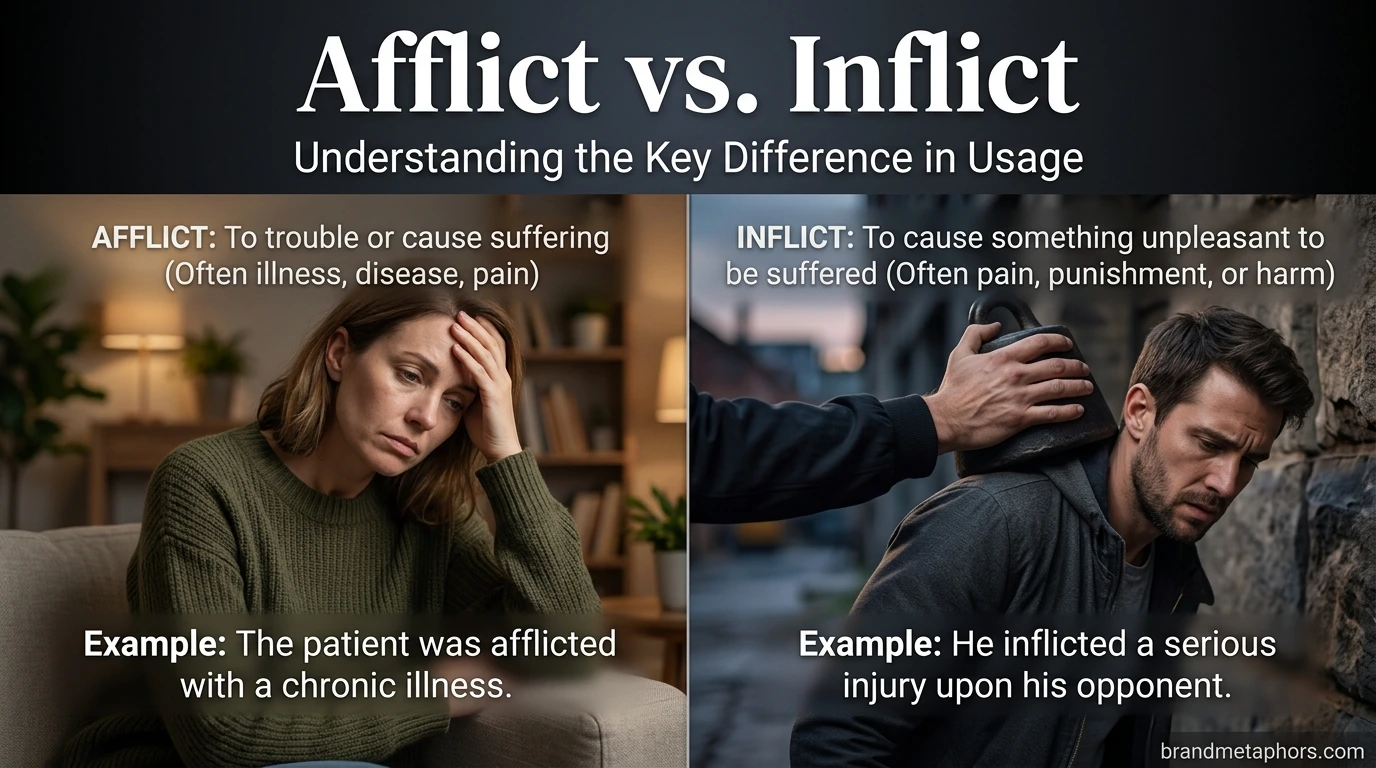
Introduction Good writing is more than using long words. It is about choosing the right word for the right situation. This is where figurative language, descriptive vocabulary, and precise word choice become important. Whether you are writing a school essay, a story, a poem, or a professional email, selecting accurate words helps readers understand your … Read more
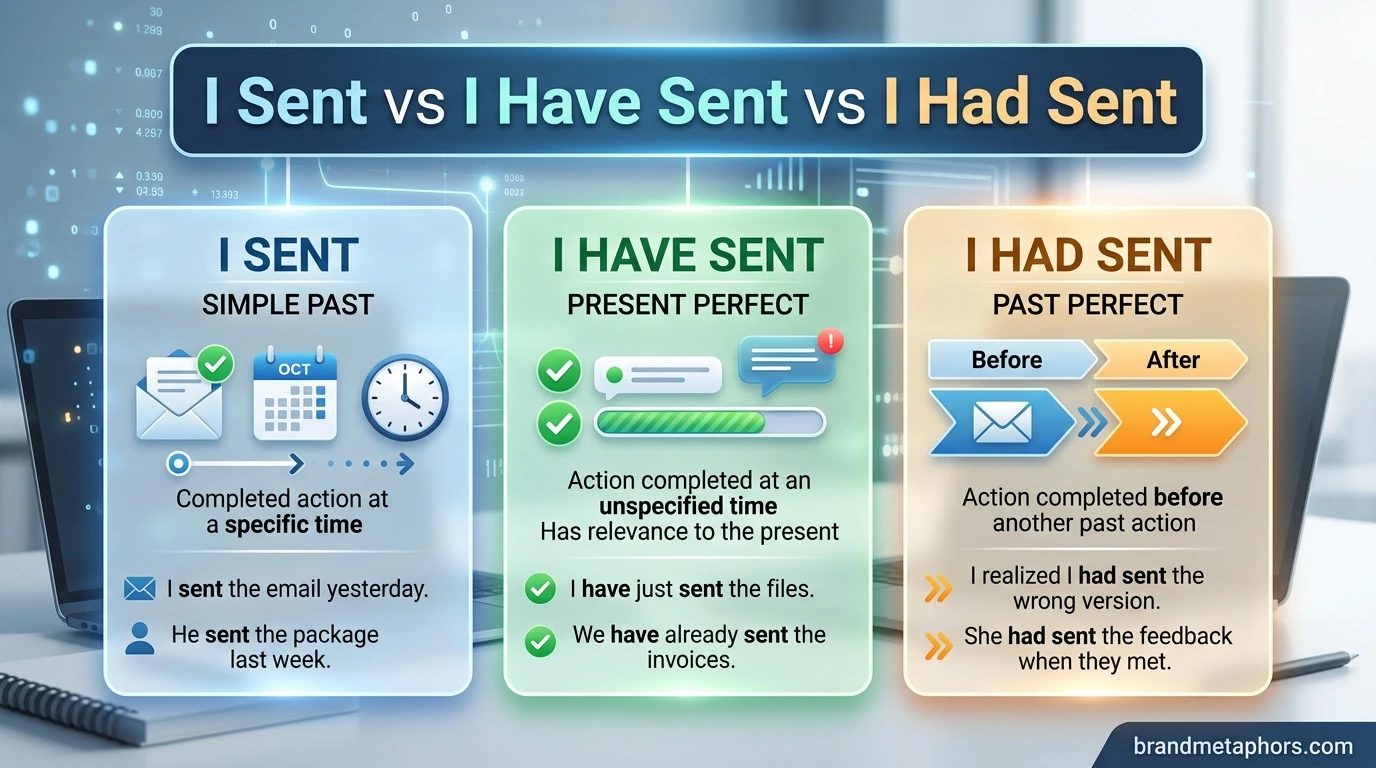
I Sent vs I Have Sent vs I Had Sent

I Sent vs I Have Sent vs I Had Sent

Introduction Good writing is not only about using the right words—it is also about using the right grammar at the right time. Whether you are writing a school essay, sending an email, creating a story, or speaking in everyday conversations, choosing the correct verb tense helps your message become clear and professional. Figurative language, such … Read more

Substantive vs Substantial

Substantive vs Substantial

Writing becomes stronger when you choose the right words. Whether you are writing an essay, a story, an email, or a poem, vocabulary plays a big role in making your ideas clear. Figurative language, descriptive language, literary devices, simile examples, metaphor examples, and poetic expression all help bring writing to life. However, even the best … Read more

Klutz Meaning

Klutz Meaning

Have you ever watched someone accidentally drop their phone, spill a drink, trip over nothing, and then laugh at themselves? Chances are, someone jokingly called that person a certain informal name. This popular English word is commonly used to describe people who seem unusually clumsy or accident-prone. Many English learners come across this expression in … Read more

No Difference vs No Different

No Difference vs No Different

Good writing is not only about grammar. It is also about choosing the right words to express ideas clearly and naturally. Writers often use figurative language, descriptive language, similes, metaphors, and other literary devices to make their writing more interesting. These techniques help readers picture ideas, understand emotions, and stay engaged. However, even the most … Read more

Root vs Route

Root vs Route

Introduction Strong writing is not only about using correct grammar. It is also about choosing the right words. When you understand the meaning of similar-looking words, your writing becomes clearer, more engaging, and easier to understand. Good vocabulary also helps you enjoy figurative language, including metaphors, similes, idioms, and other literary devices that make stories … Read more

Progressive Tenses

Progressive Tenses

Learning English grammar becomes much easier when you understand how to describe actions that are happening, were happening, or will be happening. Continuous verb forms help speakers express actions in progress rather than completed actions. Whether you’re writing essays, having conversations, or preparing for exams, mastering these forms makes your English sound more natural and … Read more

For God’s Sake

For God’s Sake

Have you ever heard someone say, “For God’s sake, hurry up!” or “For God’s sake, stop arguing!”? This common English expression appears in movies, books, conversations, and everyday speech. Some people use it to show frustration, while others say it to express surprise, urgency, or strong emotion. However, many English learners wonder whether this phrase … Read more

Rancor vs Rancour

Introduction Strong writing is more than using long or difficult words. Great writers know how to choose the right word for the right situation. They also understand how figurative language, descriptive language, metaphors, similes, and other literary devices make writing more vivid and meaningful. Whether you are writing a school essay, a story, a poem, … Read more

Anywhere or Any Where

Anywhere or Any Where

Introduction Good writing is more than using correct grammar. It is also about choosing the right words to express ideas clearly and naturally. Writers, students, and English learners often improve their communication by learning vocabulary, figurative language, descriptive language, and common grammar rules. Literary devices such as metaphors, similes, idioms, and poetic expressions make writing … Read more