
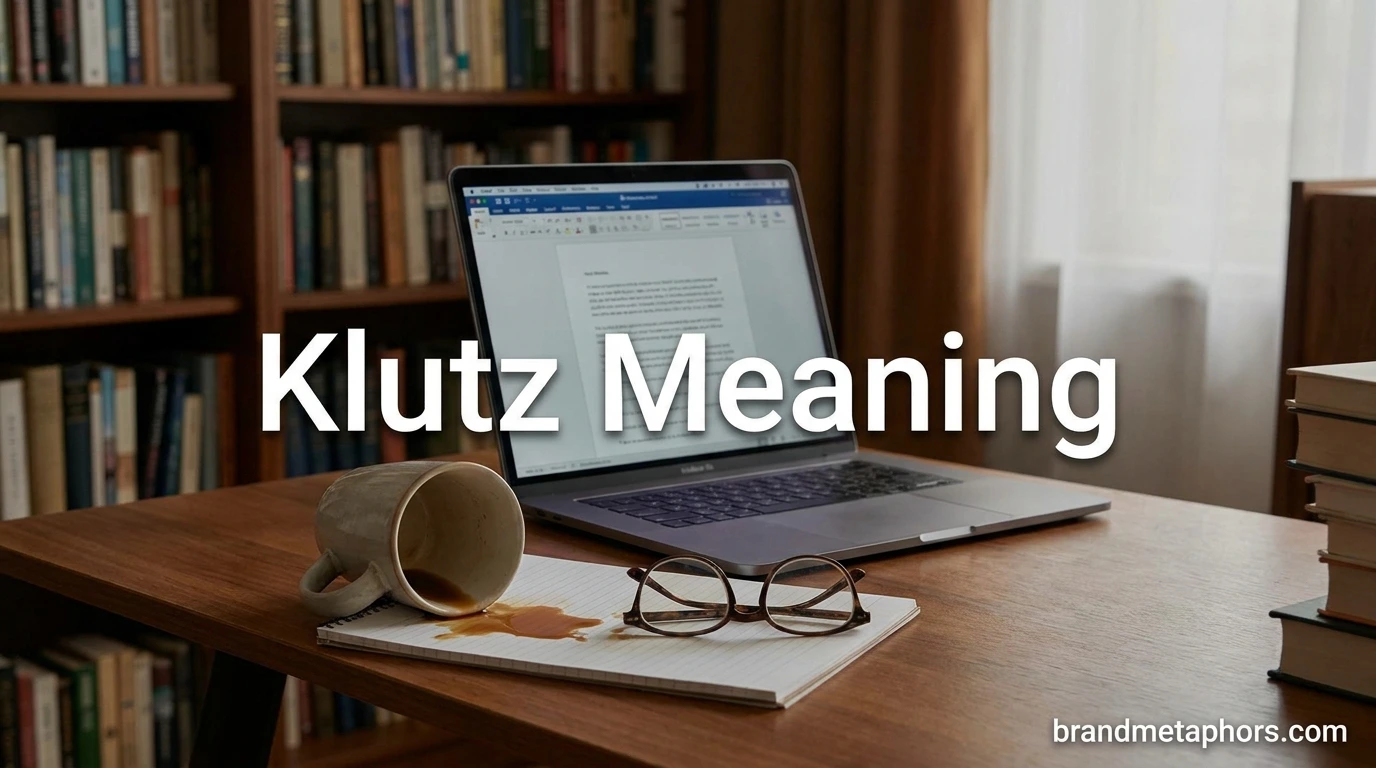
Have you ever watched someone accidentally drop their phone, spill a drink, trip over nothing, and then laugh at themselves? Chances are, someone jokingly called that person a certain informal name. This popular English word is commonly used to describe people who seem unusually clumsy or accident-prone.
Many English learners come across this expression in movies, books, social media, and everyday conversations but aren’t always sure what it really means. Is it rude? Is it funny? Can you use it in formal writing? Does it describe a personality or just someone’s actions?
This guide answers all those questions in simple language. You’ll learn the definition, history, common uses, examples, synonyms, differences from similar words, and practical tips for using this expression naturally. Whether you’re a student, writer, or English learner, this article will help you understand the term with confidence.
What Does This Word Mean?
It refers to a person who is unusually clumsy or awkward. Someone described this way often drops things, bumps into objects, trips while walking, or has small accidents more often than others.
The word usually describes harmless physical clumsiness rather than a lack of intelligence.
Simple Definition
A person who:
- Frequently drops objects
- Trips or stumbles
- Spills food or drinks
- Breaks things by accident
- Appears physically awkward
Easy Example
- Sarah knocked over her coffee, dropped her keys, and walked into the door. Her friends laughed and called her a clumsy person.
The description is often playful and affectionate rather than insulting.
Origin and History
The term comes from Yiddish, a language historically spoken by many Jewish communities in Central and Eastern Europe.
Originally, it referred to someone who was awkward or foolish. Over time, English speakers adopted the word, and today it mostly describes physical clumsiness.
It became especially popular in American English during the 20th century and now appears frequently in:
- TV shows
- Movies
- Novels
- Social media
- Everyday conversations
Although informal, it is widely recognized by native speakers.
Characteristics of a Clumsy Person
Someone fitting this description often shares several habits or behaviors.
Common Signs
- Trips over small objects
- Drops phones or keys
- Breaks dishes accidentally
- Walks into furniture
- Spills drinks
- Misses catches while playing sports
- Bumps into people
- Struggles with balance
Emotional Traits
Many accident-prone people are also:
- Friendly
- Funny
- Relaxed
- Self-aware
- Able to laugh at themselves
Being physically awkward does not mean someone is careless or unintelligent.
Different Types of Clumsiness

Not every awkward person behaves the same way.
TypeDescriptionExamplePhysicalTrips, falls, drops objectsFalling on stairsSocialFeels awkward around peopleSaying the wrong thing accidentallyAthleticPoor coordination in sportsMissing an easy catchTemporaryCaused by tiredness or illnessDropping items after little sleepSituationalHappens in unfamiliar placesBumping into furniture after moving
Some people are naturally less coordinated, while others experience awkward moments only occasionally.
When People Use This Word
It is commonly used in casual conversations.
Friends
“My brother is always dropping his phone.”
Family
“My daughter is adorable, but she’s very accident-prone.”
School
“The whole class laughed when Jake knocked over his water bottle.”
Workplace
In professional settings, people usually avoid using this word unless everyone is joking comfortably.
Formal alternatives include:
- Uncoordinated
- Accident-prone
- Awkward
- Careless (only if appropriate)
Example Sentences
Here are natural examples.
Everyday Conversation
- She dropped her sandwich again.
- My cousin keeps walking into doors.
- He spilled coffee on his laptop yesterday.
- I’m so awkward with glass cups.
- Everyone laughed when I tripped over my own shoes.
Friendly Humor
- “Don’t hand me the expensive vase.”
- “I’m famous for dropping my phone.”
School Example
“The student accidentally knocked over three paint jars during art class.”
Sports Example
“He isn’t lazy—he just lacks coordination.”
Synonyms and Similar Words
English offers many words with similar meanings.
Common Synonyms
- Clumsy
- Awkward
- Accident-prone
- Ungraceful
- Uncoordinated
- Butterfingers
- Bungler (in certain contexts)
- Fumbler
Comparison Table
WordMeaningFormalityClumsyGeneral lack of coordinationNeutralAwkwardSocial or physical discomfortNeutralAccident-proneFrequently has accidentsFormalButterfingersOften drops thingsInformalUngracefulLacks smooth movementFormalUncoordinatedPoor physical controlFormal
Each carries slightly different shades of meaning, so choose the one that best fits your sentence.
Is It Offensive?
Usually, no.
Its meaning depends on tone and relationship.
Usually Acceptable
- Between friends
- Family conversations
- Comedy
- Self-description
Possibly Hurtful
- Bullying
- Mocking someone’s disability
- Insulting strangers
- Professional criticism
Always consider the person’s feelings before using playful labels.
Why Do Some People Seem More Clumsy?
There are many possible reasons.
Natural Coordination
Some people simply have slower motor coordination.
Growth Stages
Children often become awkward during growth spurts.
Fatigue
Lack of sleep affects balance and attention.
Stress
Anxiety can make people:
- Drop things
- Forget movements
- Lose concentration
Distractions
Looking at a phone while walking increases accidents.
Medical Reasons
Occasionally, repeated falls or poor coordination may result from medical conditions affecting:
- Vision
- Balance
- Muscles
- Nerves
If clumsiness suddenly becomes severe, professional medical advice is important.
Popular Culture and Everyday Humor
Movies and television often include lovable characters who are physically awkward.
These characters:
- Create funny moments
- Make stories relatable
- Show that nobody is perfect
- Teach audiences to laugh at small mistakes
Many famous comedy scenes involve someone:
- Slipping on a wet floor
- Dropping food
- Breaking dishes
- Falling while dancing
Because almost everyone experiences embarrassing accidents sometimes, audiences easily connect with these characters.
Tips for Avoiding Everyday Accidents
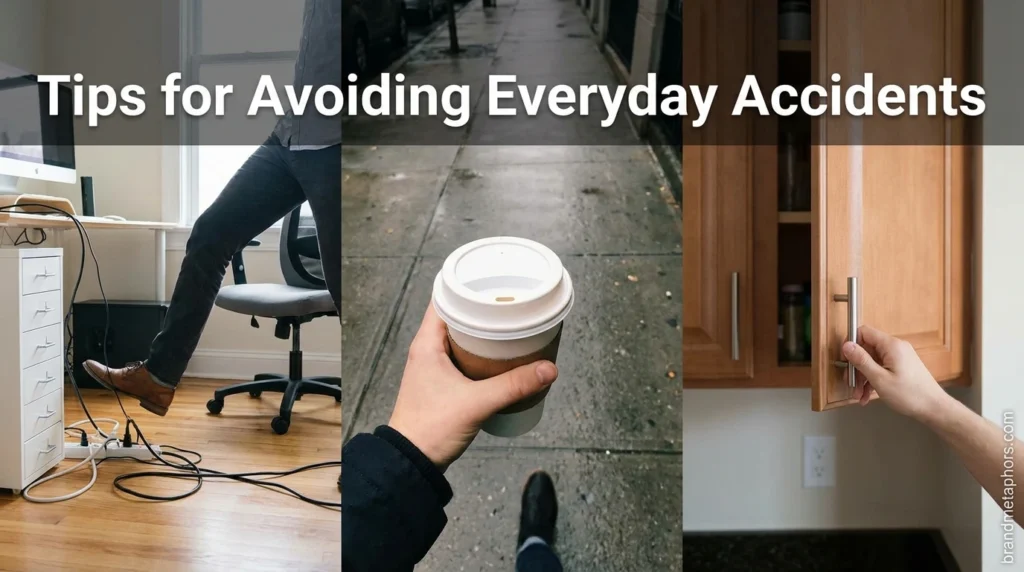
Although everyone has awkward moments, a few simple habits can reduce them.
Improve Awareness
- Walk slowly in crowded places.
- Watch where you’re going.
- Keep your hands free.
Organize Your Space
- Remove clutter.
- Store fragile items safely.
- Clean spills quickly.
Improve Coordination
- Practice balance exercises.
- Stretch regularly.
- Play activities that improve hand-eye coordination.
Stay Healthy
- Get enough sleep.
- Drink enough water.
- Wear comfortable shoes.
Small daily habits often prevent many accidental mishaps.
Common Mistakes English Learners Make
Here are several misunderstandings.
Thinking It Means “Stupid”
Incorrect.
It mainly refers to physical awkwardness.
Using It in Formal Writing
Avoid using it in:
- Business reports
- Academic essays
- Professional emails
Instead, write:
- Uncoordinated
- Accident-prone
- Physically awkward
Using It for Every Mistake
One accident doesn’t make someone clumsy.
Repeated awkward behavior is usually implied.
Why Learning Informal Vocabulary Matters
Understanding everyday expressions helps learners:
- Follow movies more easily
- Understand jokes
- Read novels confidently
- Speak naturally
- Improve listening skills
- Build vocabulary
- Sound more fluent
Native speakers often use informal words in conversation, making them valuable additions to your vocabulary.
Frequently Asked Questions
1. What does this word mean?
It describes someone who is unusually clumsy, awkward, or frequently involved in small accidents.
2. Is it an insult?
Usually not. Among friends and family, it is often playful. However, tone matters, and it can sound insulting if used to embarrass someone.
3. Can I use it in formal writing?
No. Formal alternatives like uncoordinated or accident-prone are better choices.
4. Is someone described this way unintelligent?
No. Physical awkwardness has nothing to do with intelligence.
5. What is the difference between this word and “clumsy”?
The informal term is more conversational and often humorous, while clumsy works in both casual and formal situations.
6. Can children be described this way?
Yes. Many children are naturally less coordinated as they grow.
7. Is it only about dropping things?
No. It can also include tripping, bumping into objects, spilling drinks, or other accidental mishaps.
8. What are the best synonyms?
Common alternatives include clumsy, awkward, accident-prone, butterfingers, ungraceful, and uncoordinated.
Conclusion
Understanding klutz meaning helps you recognize one of the most common informal words in everyday English. It refers to someone who is physically clumsy, accident-prone, or awkward in movement. Although it is usually playful and humorous, context and tone are important to ensure it isn’t hurtful.
Learning expressions like this improves your vocabulary, helps you understand movies and conversations, and makes your English sound more natural. By knowing its definition, origin, examples, synonyms, and proper usage, you can confidently recognize and use this everyday term in the right situations. Whether you’re a student, writer, or English learner, mastering informal vocabulary is another step toward fluent and confident communication.