Unorganized vs Disorganized

Unorganized vs Disorganized
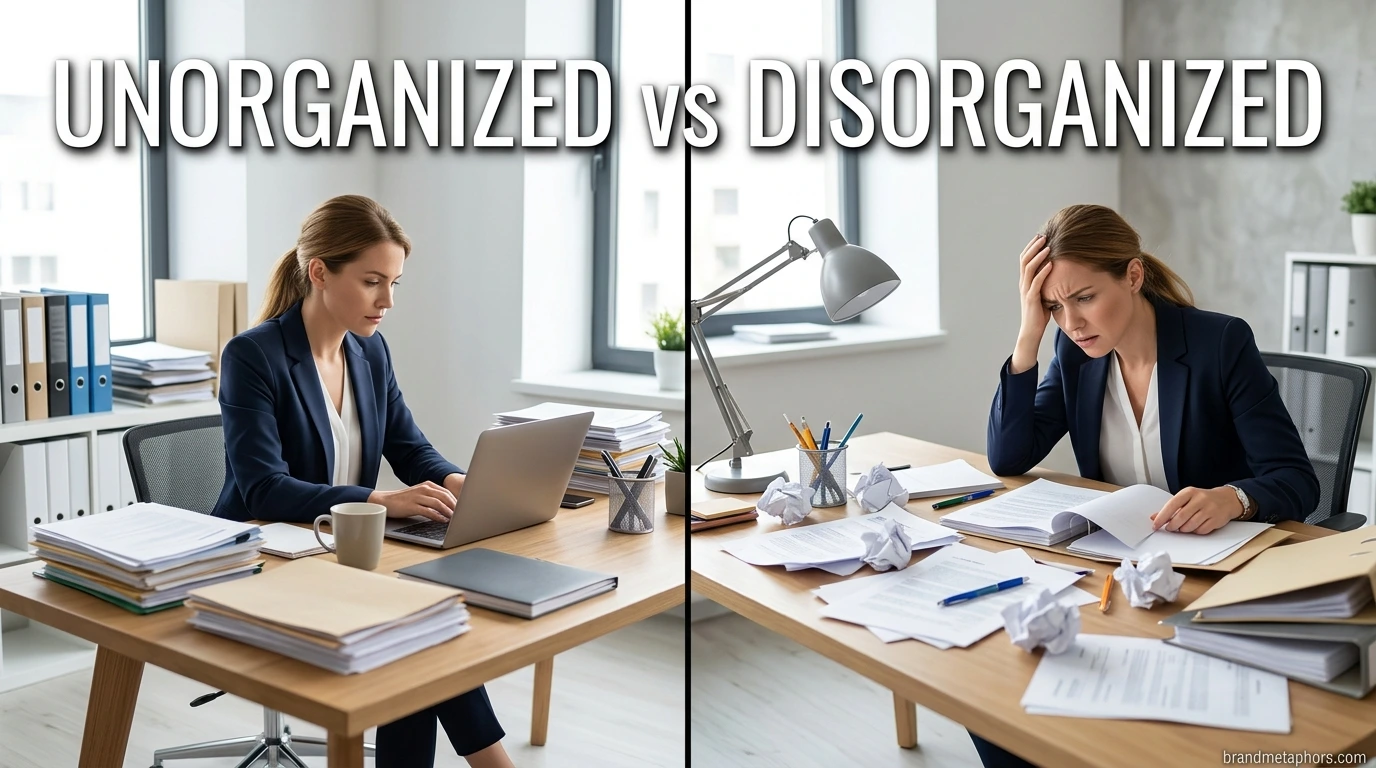
Introduction Strong writing is more than correct grammar. It also depends on choosing the right words for the right situation. Whether you are writing a school essay, a business email, a story, or a social media post, using precise vocabulary makes your ideas easier to understand. Figurative language, descriptive language, similes, metaphors, and other literary … Read more
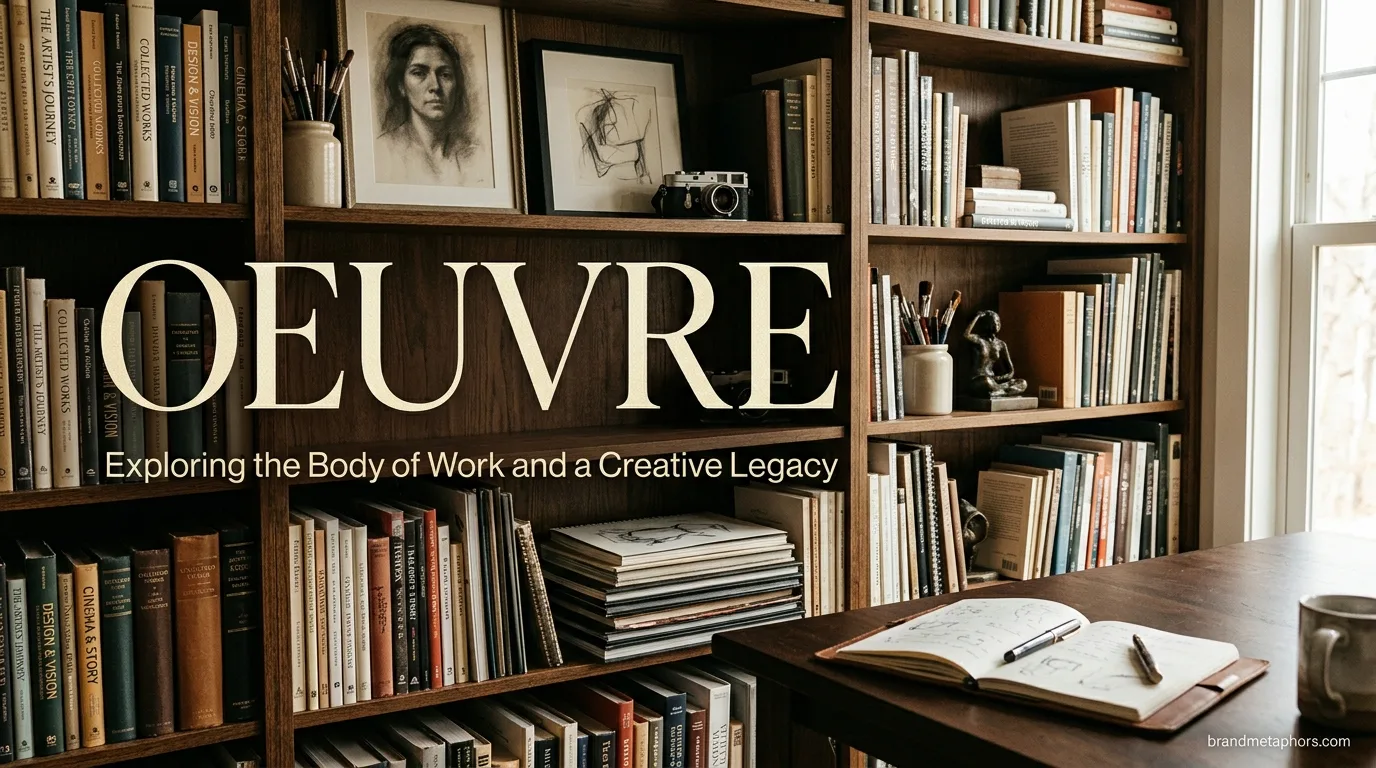

Oeuvre

Oeuvre

Have you ever heard someone say, “This novel is one of the author’s finest works,” or “The artist’s complete body of work changed modern painting”? In many cases, there is a single word that describes all the creative work produced by one person: oeuvre. This elegant French word often appears in literature, art, film, music, … Read more

These Days

These Days

Have you ever noticed how people often begin a sentence by talking about the present without mentioning an exact date? Native English speakers do this all the time in conversations, emails, news articles, and social media. One of the most common expressions they use helps describe what is happening in the current period of life … Read more

Dammit vs Damnit

Dammit vs Damnit

Introduction Words have power. The right word can make a story exciting, a conversation more natural, or a piece of creative writing more emotional. That is why understanding language, spelling, and figurative language is important for every student, writer, and English learner. Figurative language helps people express emotions in colorful and memorable ways. Whether you … Read more

Once in a Blue Moon

Once in a Blue Moon

Human language is full of colorful expressions that make communication vivid, emotional, and memorable. One such popular idiomatic phrase describes events that happen extremely rarely and unexpectedly. This article explores its meaning, usage, importance in English communication, and real-life applications in a simple, engaging way for learners and writers. 1. Introduction to Rare Event Expressions … Read more

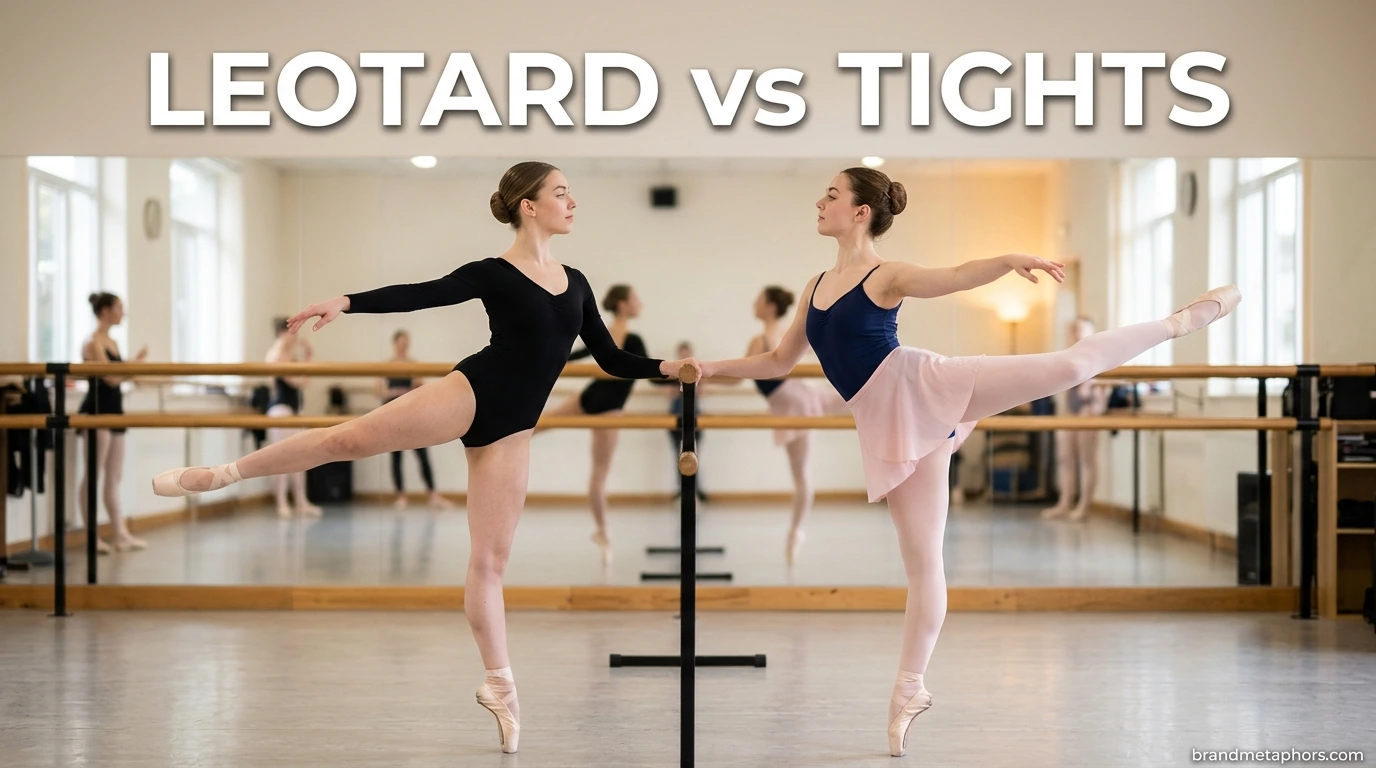
Leotard vs Tights

Leotard vs Tights

1. Introduction: Why Figurative Language Improves Writing and Communication Language is more than just words—it is imagery, rhythm, and emotion combined. When writers use figurative language, they transform simple ideas into vivid mental pictures. This includes tools like similes, metaphors, idioms, descriptive language, and poetic expression, all of which help readers feel the meaning instead … Read more

Foolproof vs Fullproof

Foolproof vs Fullproof

Introduction: Why Language Precision (and Figurative Thinking) Improves Writing Strong writing is not only about grammar—it is about clarity, precision, and expressive control. When students and writers understand subtle differences between similar-looking words, their communication becomes sharper and more professional. At the same time, figurative language plays a powerful role in shaping meaning. Literary devices … Read more

24 Hours’ Notice

24 Hours’ Notice

Whether you are quitting a job, canceling an appointment, ending a lease, or scheduling a meeting, you may hear someone ask for 24 hours’ notice. It is one of the most common phrases in workplaces, schools, healthcare, and everyday life. But what does it actually mean? Is it a legal requirement? When should you give … Read more

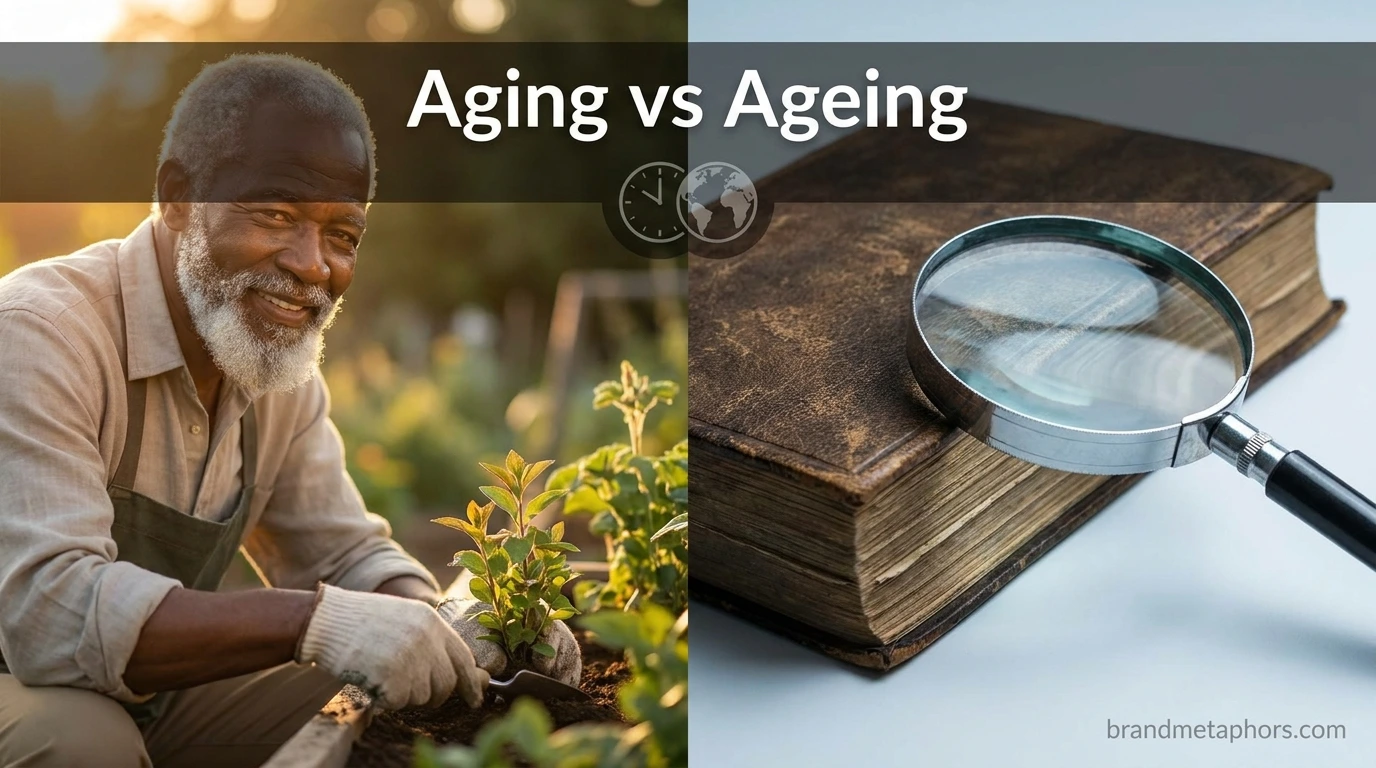
Aging vs Ageing

Aging vs Ageing

Introduction Good writing is more than correct grammar. It also uses clear vocabulary, descriptive language, and figurative language to make ideas easier to understand. Whether you are writing an essay, a story, an email, or a blog post, choosing the right words helps readers connect with your message. Creative writing often includes literary devices, simile … Read more

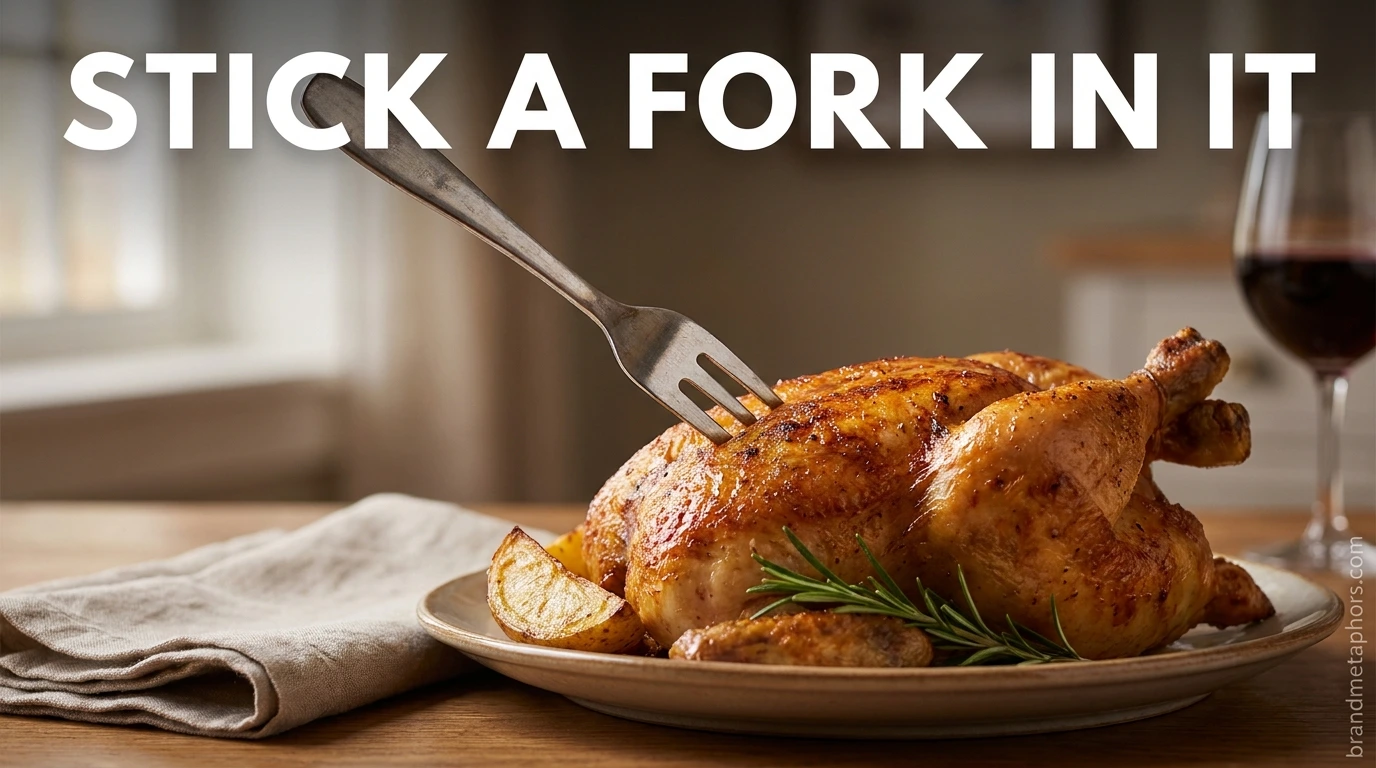
Stick a Fork in It

Stick a Fork in It

Introduction English is full of colorful expressions that make conversations more interesting. Some phrases paint a clear picture even though they do not mean exactly what the words say. One popular example is stick a fork in it. You may hear someone say this after a sports game, during a business meeting, or while talking … Read more