
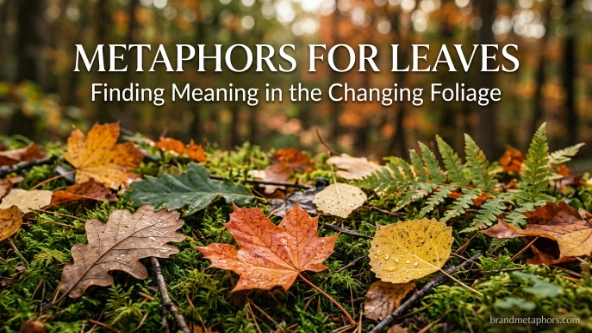
There is something almost magical about the sound of leaves. A single leaf drifting through autumn air can feel like a whispered goodbye. A canopy of green leaves glowing under summer sunlight can resemble stained glass in a forest cathedral. Even the crunch beneath your shoes on a cold evening carries emotion—memory, nostalgia, movement, time.
Leaves are more than parts of trees. In writing, poetry, storytelling, and everyday conversation, they become symbols of growth, fragility, transformation, and renewal. Writers often use metaphors for leaves to create atmosphere, deepen emotion, or paint vivid imagery that lingers in the reader’s mind long after the sentence ends.
Whether you are crafting poetry, improving descriptive writing, creating social media captions, or simply searching for beautiful language, leaf metaphors can enrich your words with texture and feeling. A leaf can become a dancer, a flame, a letter from nature, or even a fragile clock measuring the passing seasons.
In this guide, you’ll discover imaginative metaphors for leaves, creative examples, literary inspiration, writing prompts, and practical tips for using these comparisons naturally. By the end, you’ll have a forest full of ideas ready to rustle through your writing.
Why Metaphors for Leaves Matter in Writing
Leaves appear in nearly every landscape and season, making them deeply relatable symbols. Because they change color, fall, regrow, and move with the wind, they naturally represent emotion and transformation.
Writers use leaf metaphors to express:
- Change and transition
- Fragility and mortality
- Hope and renewal
- Freedom and movement
- Beauty in ordinary moments
For example:
- The leaves were tiny green butterflies clinging to the branches.
- Autumn leaves burned like scattered embers across the lawn.
These comparisons immediately create imagery readers can feel and see.
Leaves are especially powerful because they connect human emotion to nature. A lonely person may feel like “a leaf torn from its branch.” A hopeful character may resemble “fresh spring leaves reaching for light.”
That emotional connection is what makes these metaphors memorable.
Leaves as Symbols of Change and Transformation
One of the most common themes linked to leaves is transformation. Leaves change with the seasons, making them natural metaphors for personal growth and life transitions.
Example Metaphors
1. Leaves as Burning Embers
Meaning: Passion, fading beauty, or endings.
Example Sentence: The autumn leaves glowed like dying embers beneath the evening sky.
Alternative Expressions:
- Flames of the forest
- Ashes of summer
- Nature’s fading fire
Sensory Detail: Imagine the sharp scent of cold air mixed with smoky orange light.
2. Leaves as Pages in Time
Meaning: Memories, history, or passing years.
Example Sentence: Each falling leaf was a page torn from the calendar of the year.
Alternative Expressions:
- Nature’s diary
- Pages of the seasons
- Time drifting downward
Mini Storytelling Example: An elderly woman watches leaves fall outside her kitchen window while remembering childhood autumns spent gathering apples with her father.
3. Leaves as Travelers
Meaning: Wandering, freedom, uncertainty.
Example Sentence: The leaves danced across the road like restless travelers searching for home.
Alternative Expressions:
- Wind-driven wanderers
- Tiny nomads
- Drifting souls
These metaphors work beautifully in poetry, reflective essays, and emotional storytelling.
Beautiful Nature Metaphors for Green Leaves
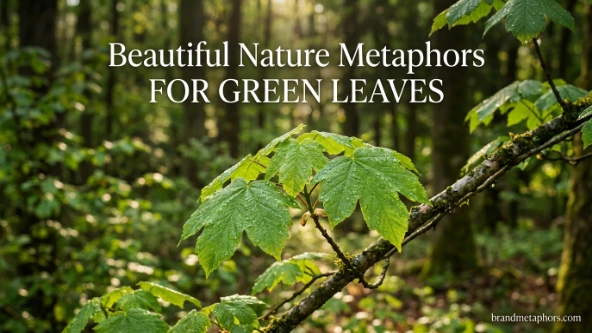
Green leaves often symbolize life, vitality, and hope. They represent beginnings and abundance.
Leaf Metaphors for Spring and Growth
Leaves as Emerald Coins
Meaning: Richness and natural abundance.
Example Sentence: The branches overflowed with emerald coins sparkling after the rain.
Leaves as Tiny Hands
Meaning: Reaching, yearning, or connection.
Example Sentence: The young leaves stretched toward the sunlight like eager little hands.
Leaves as Whispering Secrets
Meaning: Mystery and quiet beauty.
Example Sentence: The leaves whispered secrets to the wind all afternoon.
Literary Reference: Many romantic poets, including William Wordsworth, used nature imagery to connect emotion and landscape. Rustling leaves frequently symbolized hidden thoughts or spiritual connection.
Autumn Leaf Metaphors That Feel Warm and Poetic
Autumn creates some of the richest leaf imagery in literature. Red, gold, and orange leaves naturally resemble fire, sunsets, and fading light.
Powerful Fall Leaf Comparisons
Leaves as Gold Coins
Meaning: Treasure, beauty, fleeting value.
Example Sentence: The sidewalk shimmered with golden leaves like scattered treasure.
Leaves as Dancers
Meaning: Grace, movement, joy.
Example Sentence: The leaves twirled through the wind like ballerinas on a stage.
Leaves as Forgotten Letters
Meaning: Nostalgia and memory.
Example Sentence: Brown leaves gathered in the corners of the yard like forgotten letters from summer.
Emotional Layer: This metaphor works especially well in reflective or melancholic writing.
Metaphors for Falling Leaves and Letting Go
Falling leaves often symbolize endings, release, grief, or acceptance.
Emotional Leaf Metaphors
Leaves as Tears
Meaning: Sadness or emotional release.
Example Sentence: The leaves fell silently like tears from the trees.
Leaves as Farewells
Meaning: Goodbyes and closure.
Example Sentence: Each drifting leaf felt like a quiet farewell from autumn.
Leaves as Fragile Clocks
Meaning: Time passing quickly.
Example Sentence: The falling leaves were fragile clocks counting down the season.
Real-Life Reflection: Many people connect autumn leaves with childhood memories, aging, or moments of transition. That emotional familiarity gives these metaphors universal power.
Creative Metaphors for Leaves in Poetry
Poets often use leaves to create rhythm, mood, and symbolism.
Poetic Leaf Comparisons
Leaves as Butterflies
Meaning: Delicacy and freedom.
Example Sentence: Yellow leaves fluttered through the air like sleepy butterflies.
Leaves as Pieces of Sky
Meaning: Wonder and beauty.
Example Sentence: Silver leaves shimmered like fragments of moonlit sky.
Leaves as Applause
Meaning: Celebration and sound.
Example Sentence: The rustling leaves applauded the arrival of the storm.
Bonus Poetry Tip
Combine multiple senses for stronger imagery:
- Sight: glowing leaves
- Sound: whispering leaves
- Touch: crisp leaves
- Smell: earthy autumn leaves
This technique makes descriptions immersive instead of flat.
Cultural and Literary Meanings of Leaves
Leaves appear in myths, literature, and spiritual traditions around the world.
In many cultures:
- Green leaves symbolize rebirth
- Falling leaves symbolize mortality
- Olive leaves symbolize peace
- Laurel leaves symbolize victory
In Japanese poetry, falling leaves often reflect impermanence and beauty. Traditional haiku frequently use seasonal leaves to suggest emotional depth with very few words.
Example-inspired line:
Leaves drifted across the river— autumn carrying another year away.
These subtle images can communicate emotion more powerfully than direct explanation.
How to Create Your Own Metaphors for Leaves
You do not need to copy existing metaphors. Some of the best comparisons come from personal observation.
A Simple Strategy
Ask yourself:
- What do the leaves look like?
- How do they move?
- What emotion do they create?
- What memory do they remind you of?
Then compare them to something unexpected.
Example Process
Observation: Leaves spinning in strong wind.
Possible Metaphors:
- Tiny helicopters
- Lost dancers
- Scattered confetti
- Nervous birds
3 Creative Tips for Better Leaf Metaphors
1. Use Emotion
A metaphor becomes stronger when it reflects feeling.
Instead of:
- Leaves fell everywhere.
Try:
- Leaves drifted down like exhausted dreams.
2. Use Motion
Leaves rarely stay still.
Describe:
- fluttering
- spiraling
- trembling
- gliding
- scattering
3. Use Unexpected Comparisons
Avoid only using “fire” or “gold.”
Try:
- leaves as broken umbrellas
- leaves as sleepy fish
- leaves as stained-glass windows
Unexpected imagery captures attention.
Interactive Exercises to Practice Leaf Metaphors
Creativity grows through practice. These exercises can help sharpen your descriptive writing.
Exercise 1: The Five-Sense Challenge
Describe leaves using all five senses.
Example:
- Sight: glowing amber
- Sound: soft crackling
- Smell: damp earth
- Touch: crisp and brittle
- Taste: smoky autumn air
This creates layered imagery.
Exercise 2: Emotion Matching
Match an emotion to a leaf image.
EmotionLeaf ImageJoyLeaves dancing in sunlightSadnessWet leaves stuck to pavementHopeTiny green leaves after rainFearLeaves rattling in dark wind
Now write one sentence for each.
Exercise 3: Social Media Caption Practice
Turn a metaphor into an Instagram caption.
Examples:
- Autumn leaves are proof that change can still be beautiful.
- Drifting through life like a leaf in October.
- Golden leaves, cold air, quiet thoughts.
These short metaphors work well for captions and journals.
Using Leaf Metaphors in Stories and Everyday Writing
Leaf metaphors are useful beyond poetry. They can improve:
- Fiction
- Journaling
- Speeches
- Blog writing
- School essays
- Social media posts
Example in Fiction
The boy stood beneath the oak tree while leaves spiraled around him like memories refusing to settle.
This instantly creates mood and atmosphere.
Example in Personal Writing
This year changed me the way autumn changes leaves—slowly, beautifully, and completely.
Example in Everyday Speech
- “I’m turning over a new leaf.”
- “She blew through town like leaves in the wind.”
Nature metaphors make communication more vivid and emotional.
Bonus Tips for Writing Better Nature Metaphors
Avoid Overusing Clichés
Common comparisons like “leaves like fire” can still work, but try adding fresh details.
Instead of:
- Leaves burned like fire.
Try:
- Leaves glowed like lanterns floating through fog.
Keep the Tone Consistent
Gentle metaphors fit emotional scenes. Energetic metaphors fit action scenes.
Soft Example:
- Leaves drifted like lullabies.
Energetic Example:
- Leaves attacked the road like tiny storms.
Use Seasonal Contrast
Spring leaves suggest hope. Winter leaves suggest absence. Autumn leaves suggest transition.
Matching season to emotion strengthens symbolism.
Famous Inspirations for Leaf Imagery
Many famous writers used leaf imagery beautifully.
Robert Frost often connected nature with emotional reflection and human choices. Emily Dickinson used small natural details to express deep feeling. Matsuo Bashō captured seasonal emotion through simple imagery.
Reading nature poetry can inspire your own comparisons and expand your vocabulary.
25 Quick Metaphors for Leaves
Here are quick ideas you can use immediately:
- Leaves are green flames
- Leaves are paper butterflies
- Leaves are drifting memories
- Leaves are nature’s confetti
- Leaves are tiny dancers
- Leaves are stained glass
- Leaves are fading stars
- Leaves are golden rain
- Leaves are whispers in the wind
- Leaves are floating feathers
- Leaves are scattered coins
- Leaves are forest applause
- Leaves are sleeping birds
- Leaves are fragile clocks
- Leaves are painted tears
- Leaves are wandering souls
- Leaves are scraps of sunlight
- Leaves are nature’s handwriting
- Leaves are tiny sails
- Leaves are soft footsteps
- Leaves are spinning dreams
- Leaves are flickering candles
- Leaves are autumn’s orchestra
- Leaves are drifting lanterns
- Leaves are pages from the sky
Use them as inspiration and adapt them to your own voice.
Conclusion
Leaves may seem ordinary at first glance, but in language they become extraordinary. They can symbolize change, hope, memory, beauty, loneliness, freedom, or renewal—all through a single vivid comparison.
The best metaphors for leaves do more than describe appearance. They create feeling. They allow readers to hear the rustle of branches, smell the cold autumn air, and remember moments from their own lives.
Whether you are writing poetry, fiction, captions, essays, or journal entries, leaf metaphors can add emotional depth and unforgettable imagery to your words. Observe nature carefully, experiment with fresh comparisons, and let your imagination move as freely as leaves in the wind.
Sometimes the smallest things in nature carry the biggest stories.
FAQs About Metaphors for Leaves
1. What are metaphors for leaves?
Metaphors for leaves are creative comparisons that describe leaves as something else to create vivid imagery or emotional meaning. For example, “leaves are golden coins” or “leaves are drifting butterflies.”
2. Why are leaves commonly used in poetry?
Leaves symbolize change, seasons, life cycles, and emotions. Their movement, colors, and fragility make them powerful poetic symbols.
3. What do falling leaves symbolize?
Falling leaves often represent endings, letting go, aging, transformation, or the passage of time.
4. How can I create original metaphors for leaves?
Observe the leaves carefully and think about their color, movement, texture, and emotional effect. Then compare them to unexpected objects, feelings, or experiences.
5. Can leaf metaphors be used in everyday writing?
Yes. Leaf metaphors work beautifully in stories, journaling, speeches, social media captions, and even casual conversation because they make language more vivid and memorable.