
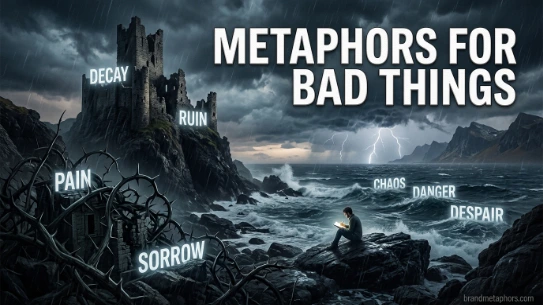
When Darkness Walks Into the Room
The power flickers. A glass slips from someone’s hand. Rain taps the window like nervous fingers, and suddenly the mood in the room changes. We all know that feeling. Bad things rarely arrive with trumpets or warning signs. Sometimes they creep in quietly, like smoke under a door. Other times they crash into life like a wrecking ball.
That is why metaphors matter.
When people struggle to explain pain, chaos, fear, disappointment, or heartbreak, plain language often feels too small. Metaphors give shape to emotions that otherwise feel invisible. They turn suffering into storms, mistakes into chains, and betrayal into poison. Through metaphor, we can speak about difficult experiences in ways that feel vivid, human, and deeply relatable.
In writing, conversation, poetry, storytelling, and even social media captions, metaphors for bad things help create emotional impact. They make readers feel the tension instead of simply reading about it. A strong metaphor can turn an ordinary sentence into something unforgettable.
This guide explores powerful metaphors for bad things, how to use them creatively, and how they can strengthen your writing. Along the way, you will find examples, storytelling ideas, exercises, and practical tips to make your language richer and more expressive.
Why Metaphors for Bad Things Feel So Powerful
Bad experiences are emotional by nature. Because of that, people instinctively describe them through imagery instead of facts.
Think about these phrases:
- “My anxiety was a storm cloud.”
- “The argument became a wildfire.”
- “Failure felt like sinking in quicksand.”
None of these are literal. Yet each one instantly creates emotion and atmosphere.
Metaphors work because they connect inner feelings to familiar physical experiences. Readers understand storms, darkness, poison, and fire. By linking emotions to those images, writers create deeper understanding.
Three Reasons These Metaphors Work
1. They create instant emotion
A sentence like “He was sad” feels flat. But “Grief sat on his chest like a stone” feels heavy and memorable.
2. They make abstract feelings visible
Fear, regret, and shame are invisible emotions. Metaphors turn them into objects or forces people can imagine.
3. They improve storytelling
Good metaphors add texture, atmosphere, and personality to writing.
The Storm Metaphor: Chaos and Emotional Turmoil
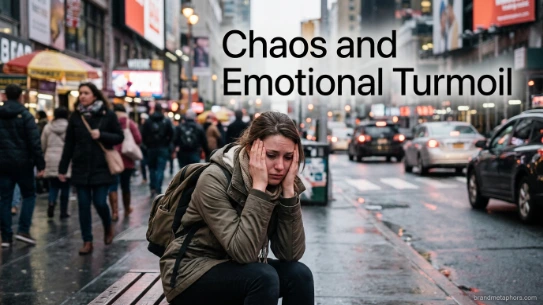
Storms are among the oldest metaphors for bad things. They represent destruction, uncertainty, and emotional overwhelm.
A storm can symbolize:
- Depression
- Conflict
- Tragedy
- Anxiety
- Sudden life changes
Example Metaphors
- “Her anger rolled through the house like thunder.”
- “The divorce became a hurricane that uprooted everything.”
- “Stress gathered above him like dark clouds.”
Meaning and Emotional Impact
Storm imagery creates movement and tension. Readers can almost hear the wind and feel the rain. This sensory detail makes emotional scenes stronger.
Alternative Ways to Express It
- Tempest
- Tornado
- Monsoon
- Thundercloud
- Lightning strike
Mini Storytelling Example
A businessman loses his company after years of effort. Instead of writing, “He felt devastated,” you could say:
“The collapse hit him like a storm at sea, tearing apart every map he trusted.”
Suddenly, the emotion feels cinematic.
Bonus Writing Tip
Use storms for moments of emotional escalation. They work especially well in novels, poetry, speeches, and dramatic social media captions.
Fire as a Metaphor for Destruction
Fire is beautiful, but it is also terrifying. That contrast makes it a powerful metaphor for bad situations.
Fire often symbolizes:
- Rage
- War
- Addiction
- Destructive gossip
- Out-of-control problems
Example Metaphors
- “Rumors spread like wildfire.”
- “Jealousy burned through their friendship.”
- “His temper was a house fire waiting for oxygen.”
Why This Metaphor Works
Fire grows quickly. Once it spreads, it becomes difficult to stop. That mirrors many real-life problems.
Alternative Expressions
- Inferno
- Flames
- Burning wreckage
- Scorched earth
- Smoldering ruin
Cultural Reference
In many myths and stories, fire represents both destruction and rebirth. Ancient cities burned. Forests turned to ash. Yet new growth eventually emerged.
That dual meaning gives fire metaphors emotional depth.
Example Scenario
Imagine a toxic workplace:
“The office tension smoldered beneath polite smiles until one angry email set the entire place ablaze.”
Readers can immediately picture the emotional explosion.
Darkness and Shadows: Metaphors for Fear and Sadness
Darkness is one of the most universal metaphors for bad things. Humans naturally fear what they cannot see.
Darkness can symbolize:
- Depression
- Evil
- Loneliness
- Uncertainty
- Grief
Example Metaphors
- “She wandered through a tunnel of grief.”
- “Fear followed him like a shadow.”
- “The news cast darkness over the family.”
Sensory and Emotional Details
Darkness metaphors work because they create atmosphere. Readers imagine silence, coldness, and isolation.
Alternative Phrases
- Black cloud
- Endless night
- Shadowy pit
- Eclipse
- Dim hallway
Literary Reference
In classic literature, darkness often represents moral struggle. In Joseph Conrad’s Heart of Darkness, darkness becomes a symbol of corruption and human cruelty.
Bonus Tip for Writers
Combine darkness with sensory details:
- “The room felt heavy with shadow.”
- “Silence dripped through the house like cold rain.”
This layering creates richer imagery.
Poison as a Metaphor for Toxic People and Situations
Poison metaphors are sharp and emotionally intense. They suggest hidden damage that spreads slowly.
Poison can symbolize:
- Toxic relationships
- Manipulation
- Negative thoughts
- Betrayal
- Corruption
Example Metaphors
- “His lies poisoned the group.”
- “Bitterness seeped into her heart like venom.”
- “The friendship became toxic water.”
Why Poison Imagery Feels Strong
Unlike explosions or storms, poison often works quietly. That subtle danger makes it emotionally realistic.
Alternative Ways to Say It
- Venom
- Acid
- Infection
- Toxic fumes
- Corrosion
Real-Life Example
A manipulative friend may not openly attack someone. Instead:
“Her compliments carried poison beneath the sugar.”
That sentence instantly reveals emotional danger.
Social Media Writing Tip
Poison metaphors work well in emotional quotes and captions because they are short, visual, and dramatic.
Chains and Cages: Metaphors for Feeling Trapped
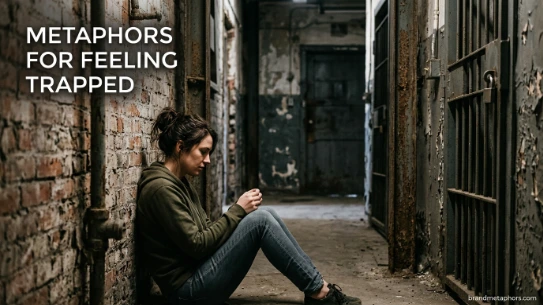
Sometimes bad things do not explode. They imprison.
Chains and cages symbolize:
- Addiction
- Fear
- Debt
- Controlling relationships
- Emotional limitations
Example Metaphors
- “Anxiety wrapped around him like chains.”
- “She lived inside a cage of expectations.”
- “Regret became a prison.”
Emotional Meaning
These metaphors emphasize restriction and helplessness.
Alternative Expressions
- Shackles
- Prison walls
- Locked room
- Iron bars
- Tight ropes
Mini Storytelling Example
A student forced into a career they hate:
“Every morning felt like another link added to the chain.”
Simple, relatable, and emotionally vivid.
Creative Writing Exercise
Write about a fear without naming it directly. Instead, describe it as a cage, trap, or locked door.
Rot and Decay: Slow Metaphors for Bad Things
Some bad situations happen gradually. Rot and decay metaphors capture slow emotional decline.
These metaphors symbolize:
- Broken trust
- Moral corruption
- Failing relationships
- Emotional exhaustion
Example Metaphors
- “Their marriage rotted from the inside.”
- “Corruption spread like mold.”
- “Hope decayed day by day.”
Why These Metaphors Are Effective
Decay is unsettling because it is slow and often unnoticed at first.
Alternative Expressions
- Crumbling walls
- Rust
- Mold
- Wilted flowers
- Spoiled fruit
Cultural Symbolism
In horror films and gothic literature, decay often reflects hidden emotional or moral collapse.
Writing Tip
Use sensory language:
- Smell
- Texture
- Color
- Temperature
Example:
“The friendship smelled of old resentment and quiet decay.”
That sentence feels alive because it engages multiple senses.
Monsters and Beasts as Metaphors for Inner Struggles
People often describe emotional pain as something alive.
Monsters symbolize:
- Trauma
- Addiction
- Anxiety
- Rage
- Guilt
Example Metaphors
- “Depression was a beast at the door.”
- “His anger became a monster.”
- “Doubt clawed at her mind.”
Why Monster Metaphors Work
They externalize emotions. Instead of abstract pain, readers imagine a creature hunting or attacking.
Alternative Imagery
- Wolves
- Dragons
- Demons
- Serpents
- Predators
Literary and Cultural Examples
Many myths feature heroes battling monsters. Often, those monsters symbolize inner fears rather than physical danger.
Mini Storytelling Scene
“At night, anxiety paced the edges of her thoughts like a wolf circling a fire.”
That line transforms emotion into a cinematic image.
Quicksand and Drowning: Metaphors for Overwhelm
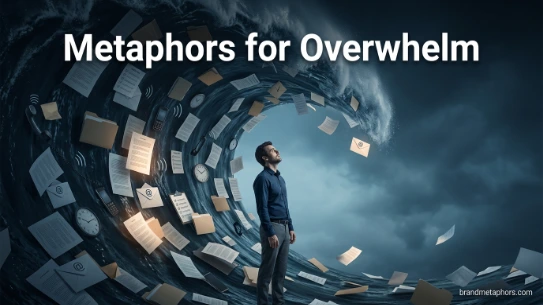
Some bad situations feel impossible to escape.
Quicksand and drowning metaphors symbolize:
- Stress
- Debt
- Emotional burnout
- Hopelessness
Example Metaphors
- “Work became quicksand.”
- “He was drowning in responsibilities.”
- “Panic pulled her underwater.”
Emotional Effect
These metaphors create urgency and helplessness.
Alternative Phrases
- Sinking ship
- Heavy waves
- Whirlpool
- Floodwaters
- Deep ocean
Real-Life Connection
People often use water metaphors naturally:
- “I’m barely staying afloat.”
- “Everything is flooding in at once.”
That familiarity makes them relatable.
Bonus Tip
Water metaphors work beautifully in poetry because they naturally create rhythm and movement.
Broken Glass and Cracks: Metaphors for Damage
Broken objects symbolize emotional wounds and fragility.
These metaphors represent:
- Heartbreak
- Trauma
- Broken trust
- Emotional instability
Example Metaphors
- “Her confidence shattered like glass.”
- “Their relationship cracked under pressure.”
- “His promises were broken mirrors.”
Why They Feel Emotional
Broken objects cannot easily return to their original form. That mirrors emotional pain.
Alternative Expressions
- Splintered wood
- Cracked ice
- Torn fabric
- Fractured stone
Storytelling Example
“After the betrayal, every conversation felt like walking barefoot across shattered glass.”
Readers instantly feel emotional discomfort.
How to Create Your Own Metaphors for Bad Things
The best metaphors feel personal and fresh.
Here are three simple strategies to create original metaphors.
1. Connect Emotion to Nature
Ask yourself:
“What does this feeling resemble in nature?”
Examples:
- Anxiety → buzzing bees
- Regret → rust
- Shame → mud
2. Use Sensory Details
Think about:
- Sound
- Texture
- Smell
- Temperature
- Movement
Example:
Instead of saying “The room felt tense,” write:
“The silence crackled like dry leaves near a flame.”
3. Avoid Overused Clichés
Try twisting familiar metaphors.
Instead of:
- “Broken heart”
Try:
- “A heart stitched together with weak thread.”
Fresh imagery keeps writing memorable.
Interactive Exercises to Practice Metaphors
Creative practice helps metaphors become natural.
Exercise 1: Emotion Mapping
Choose one emotion:
- Fear
- Anger
- Sadness
- Shame
Now compare it to:
- Weather
- Animals
- Objects
- Places
Example:
- Fear = an icy hallway
Exercise 2: Rewrite Plain Sentences
Turn this:
- “She was stressed.”
Into:
- “Stress buzzed through her mind like trapped flies.”
Exercise 3: Build a Scene
Write five sentences describing a bad day without directly naming emotions.
Use only imagery and metaphor.
Using Metaphors in Writing, Social Media, and Daily Conversation
Metaphors are not just for novels.
They also improve:
- Instagram captions
- Poetry
- Speeches
- Journaling
- Song lyrics
- Everyday storytelling
Example Social Media Captions
- “Some friendships fade like smoke.”
- “My thoughts were thunderstorms today.”
- “Burnout feels like carrying fire in your chest.”
Bonus Tip for Content Creators
Short metaphors often perform better online because they are emotional and shareable.
Keep them visual and relatable.
Common Mistakes When Using Metaphors
Even beautiful metaphors can fail if overused.
Avoid Mixing Metaphors
Incorrect:
“Her thoughts were a stormy wildfire drowning in darkness.”
Too many images create confusion.
Keep Tone Consistent
Dark metaphors fit emotional writing. They may not suit light comedy.
Do Not Overload Every Sentence
One strong metaphor is often enough.
Too many comparisons weaken impact.
Frequently Asked Questions
What are metaphors for bad things?
Metaphors for bad things are symbolic comparisons used to describe negative emotions, situations, or experiences in vivid ways. Examples include storms for chaos, poison for toxic relationships, and darkness for sadness.
Why do writers use dark metaphors?
Writers use dark metaphors because they create stronger emotion and imagery. They help readers feel experiences instead of simply understanding them logically.
What is a good metaphor for emotional pain?
A strong metaphor for emotional pain could be:
- “Grief was an anchor pulling him underwater.”
- “Her heartbreak felt like shattered glass.”
These images create emotional depth.
Can metaphors improve storytelling?
Yes. Metaphors add atmosphere, emotion, symbolism, and memorability. They make scenes more vivid and engaging for readers.
How can I create original metaphors?
Focus on sensory details and personal experiences. Compare emotions to nature, objects, weather, or movement. Try unexpected but meaningful combinations.
Conclusion
Bad things are part of life. Fear, heartbreak, disappointment, betrayal, grief, and failure eventually touch everyone. Yet language gives people a way to shape those experiences into something understandable.
That is the beauty of metaphor.
Storms become symbols of struggle. Fire becomes rage. Shadows become loneliness. Through imagery, painful emotions become stories people can share, understand, and survive.
Whether you are writing poetry, crafting fiction, posting online, or simply trying to describe a difficult moment, metaphors can turn ordinary words into emotional experiences. They help readers see pain, hear tension, and feel the weight behind a sentence.
And sometimes, in the middle of darkness, finding the right metaphor is its own kind of light.