
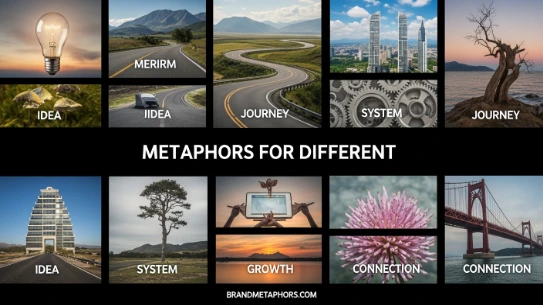
Imagine standing in a crowded market at sunset. A child laughs like a ringing bell. A tired worker moves like a machine running low on fuel. Nearby, a grandmother calls hope “a tiny candle in the storm.” None of these things are literal, yet each one paints a picture more powerful than plain words ever could. That is the magic of metaphors.
Metaphors help us explain feelings, ideas, people, and experiences in ways that feel alive and easy to understand. They turn ordinary language into something colorful and emotional. We use them every day without even noticing. We call time “money,” life “a journey,” and stress “a heavy weight.” These comparisons shape how we see the world and how we connect with others.
Learning metaphors for different situations is more than a writing skill. It improves communication, deepens emotional understanding, and helps people express thoughts that are often hard to explain directly. Whether you are writing stories, speaking with confidence, teaching children, or simply trying to describe life better, metaphors can make your words unforgettable.
What Are Metaphors and Why Do They Matter?
A metaphor compares one thing to another without using “like” or “as.” Instead of saying someone is like a lion, you simply say, “He is a lion.” This direct comparison creates a stronger image in the mind.
Metaphors matter because they make ideas easier to feel and remember. Imagine trying to explain sadness by only saying, “I feel unhappy.” Now compare that with saying, “A gray cloud hangs over me.” The second sentence creates emotion, mood, and imagery all at once.
People use metaphors in conversations, books, speeches, songs, and even business meetings. Teachers use them to explain hard lessons. Parents use them to comfort children. Leaders use them to inspire crowds. Metaphors simplify complex ideas while adding emotional depth.
Think about someone describing their busy week as “running on a hamster wheel.” Instantly, you understand the feeling of endless motion without progress. A few words carry an entire experience.
Metaphors also connect people across cultures and generations. Even when experiences differ, emotional images often feel universal. Fire may symbolize passion. Ice may suggest emotional distance. Roads may represent choices in life.
Without metaphors, language would feel flat and mechanical. With them, communication becomes vivid, memorable, and human.
Metaphors for Life
Life is one of the most common subjects for metaphors because it is full of change, emotion, and mystery.
Life as a Journey
Many people describe life as a road or journey. This metaphor works because life includes movement, direction, obstacles, and destinations. Someone may talk about “finding their path” or “reaching a crossroads.”
A college student leaving home for the first time may feel as though they are stepping onto an unknown road. Every decision becomes a turn in the journey.
Life as a Book
Others see life as a book filled with chapters. Some chapters are joyful, while others are painful. This metaphor reminds people that difficult moments are not the entire story.
A woman recovering from failure might say, “I’m starting a new chapter.” That phrase brings hope and renewal.
Life as a Garden
Life is also compared to a garden. Relationships, goals, and habits are like plants that need care. Neglect brings weeds, while patience brings growth.
This metaphor teaches responsibility. Just as flowers do not bloom overnight, meaningful success often takes time.
These metaphors help people understand personal growth and remind them that change is natural.
Metaphors for Love
Love can be difficult to explain directly, so people often turn to metaphors.
Love as Fire
Love is often called a flame or fire. It can warm, brighten, and energize people. But fire can also burn out or become dangerous when uncontrolled.
A new relationship may feel like “sparks flying everywhere.” An old romance may be described as “a fading ember.”
Love as a Journey
Couples often describe relationships as traveling together. They speak of rough roads, shared directions, and long-distance struggles.
Imagine two partners facing financial hardship together. One says, “We’ll get through this storm side by side.” The metaphor creates unity and hope.
Love as Music
Some people compare love to music because of rhythm, harmony, and emotion. Healthy relationships feel balanced, while unhealthy ones feel out of tune.
This metaphor works beautifully because music changes mood just as love changes emotional experiences.
Love metaphors make emotions easier to share. They allow people to express tenderness, heartbreak, excitement, and loyalty in memorable ways.
Metaphors for Fear
Fear is invisible, but metaphors make it easier to describe.
Fear as a Shadow
Fear often follows people quietly, just like a shadow. It may stay hidden during the day but grow larger in dark moments.
A teenager nervous about public speaking might say, “Fear stood behind me the whole time.”
Fear as a Prison
Some describe fear as a cage or prison. This metaphor shows how anxiety can trap people emotionally.
Someone avoiding opportunities because of self-doubt may feel locked behind invisible bars.
Fear as Ice
Fear can also freeze action. A person in danger may feel “frozen solid.” This metaphor captures how panic stops movement and thought.
These comparisons help people recognize fear rather than hide from it. When emotions gain language, they become easier to understand and manage.
Metaphors for Happiness
Happiness is often connected to light, movement, and warmth.
Happiness as Sunshine
People commonly say someone “lights up a room.” Sunshine represents joy because it brings warmth and visibility.
A cheerful friend who encourages everyone around them may feel like sunlight after rain.
Happiness as Flying
Excitement and happiness are often described as flying or floating. Someone receiving wonderful news might say, “I’m on cloud nine.”
This metaphor suggests freedom and emotional uplift.
Happiness as Music
Happy moments sometimes feel like favorite songs playing in the background of life. Weddings, reunions, and celebrations often carry this emotional rhythm.
These metaphors help positive emotions feel more vivid and memorable.
Metaphors for Sadness
Sadness is deeply emotional, and metaphors provide comfort by giving shape to pain.
Sadness as Rain
Rain often symbolizes tears, loneliness, or emotional heaviness. A difficult season in life may feel like “endless rain.”
Sadness as Darkness
People often describe grief as darkness because it limits clarity and hope.
After losing a loved one, someone may say, “The world went dark for a while.”
Sadness as Weight
Emotional pain is also compared to carrying heavy stones or burdens. This metaphor reflects exhaustion and emotional pressure.
A stressed parent managing many responsibilities might feel as though “the world rests on their shoulders.”
These metaphors allow people to express emotional struggles without needing complicated explanations.
Metaphors for Success
Success is more than achievement. It often represents growth, persistence, and overcoming obstacles.
Success as Climbing a Mountain
This metaphor works because success usually requires effort and endurance. The higher someone climbs, the harder the journey becomes.
A small business owner working day and night may feel as though they are climbing steep cliffs toward a dream.
Success as Building a House
Some people compare success to building a strong house brick by brick. Every skill, habit, and lesson becomes part of the foundation.
This metaphor teaches patience and consistency.
Success as a Marathon
Unlike a sprint, success often takes time. Students preparing for years to reach a career goal understand this deeply.
The metaphor reminds people that lasting achievement rarely happens overnight.
Metaphors for Failure
Failure can feel painful, but metaphors often help people see it differently.
Failure as Falling
People often say they “fell down” after making mistakes. But falling also suggests the possibility of standing again.
A young athlete losing an important game may feel crushed at first, yet the experience builds resilience.
Failure as a Detour
Some view failure as a wrong turn rather than the end of the road. This metaphor encourages learning instead of hopelessness.
A rejected job application may redirect someone toward a better opportunity later.
Failure as a Teacher
Many people describe failure as a strict teacher. Lessons learned through mistakes often stay longer than easy victories.
These metaphors transform failure from shame into growth.
Metaphors for Time
Time is invisible, yet metaphors help people understand its value.
Time as Money
People “save time,” “waste time,” or “spend time.” This metaphor reflects how valuable and limited time feels.
Time as Water
Time also flows like a river. It moves forward continuously and cannot be stopped.
A grandfather watching grandchildren grow may feel years “slipping through his fingers.”
Time as a Thief
Many people say time steals youth and opportunities. This metaphor reflects how quickly moments disappear.
Understanding these metaphors encourages people to value meaningful experiences instead of endless distractions.
Metaphors for Friendship
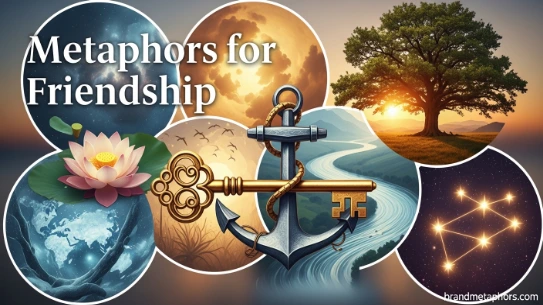
Friendship often brings support, comfort, and trust.
Friendship as an Anchor
True friends keep people steady during emotional storms.
A struggling student may survive difficult years because one loyal friend remained supportive.
Friendship as a Bridge
Friends connect people emotionally and socially. Bridges also help people cross difficult spaces safely.
Friendship as a Shelter
During painful seasons, good friends feel like safe shelter from heavy rain.
These metaphors remind people that strong relationships provide emotional strength and belonging.
Metaphors for Anger
Anger is powerful and intense, making metaphors especially useful.
Anger as Fire
Someone furious may “boil with rage” or “explode.” Fire represents heat, danger, and destruction.
Anger as a Storm
Arguments sometimes arrive suddenly like thunderstorms. Voices rise like thunder while emotions crash like waves.
Anger as a Wild Animal
Uncontrolled anger can feel dangerous and unpredictable.
These metaphors help people recognize emotional intensity before it causes harm.
Metaphors for Hope
Hope gives people strength during hard times.
Hope as a Candle
Even a tiny candle can brighten darkness. This metaphor shows how small hope can still matter greatly.
Hope as a Seed
Hope often begins small but grows with patience and care.
A person rebuilding life after hardship may carry only a tiny seed of belief at first.
Hope as Sunrise
After long emotional nights, hope feels like morning light returning slowly.
These metaphors encourage resilience and emotional endurance.
Metaphors in Everyday Conversations
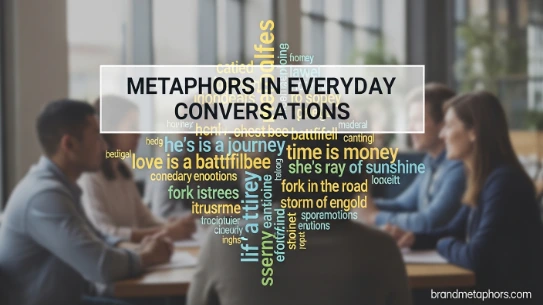
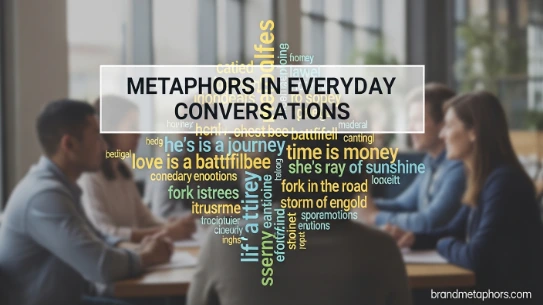
Many people use metaphors constantly without noticing.
Someone says they are “drowning in work.” Another person feels “burned out.” A child describes school as “a zoo.” These comparisons appear naturally because human minds think through images and experiences.
Metaphors also improve communication skills. A manager explaining teamwork as “rowing the same boat” creates unity faster than long instructions. Teachers comparing the brain to a muscle help students understand learning more clearly.
Parents often use metaphors with children because imagery feels easier to remember than abstract ideas. Saying “words can leave scars” teaches emotional responsibility more powerfully than simple warnings.
Everyday metaphors shape attitudes too. A person who views challenges as mountains may feel intimidated. Someone who sees them as puzzles may feel curious instead.
The metaphors people choose influence how they experience life itself.
Common Mistakes People Make With Metaphors
While metaphors are powerful, they can become confusing when used poorly.
Mixing Metaphors
Combining unrelated images creates awkward sentences. For example: “We need to climb the ladder before the ship sails.” The images clash instead of helping understanding.
Overusing Metaphors
Too many metaphors can overwhelm readers. If every sentence contains dramatic imagery, the writing loses clarity.
Using Clichés Without Meaning
Some metaphors become so common that they feel empty. Phrases like “busy as a bee” may no longer create strong images unless used creatively.
Good metaphors feel natural and connected to emotion or experience. The best ones simplify understanding instead of making language complicated.
How to Create Strong Personal Metaphors
Anyone can create meaningful metaphors by connecting emotions to familiar experiences.
Start by asking simple questions:
- What does this feeling resemble?
- What image comes to mind?
- What experience carries the same energy?
A nervous speaker may feel “like a drum beating too fast.” A peaceful morning may feel “like warm tea for the soul.”
Personal metaphors often become more powerful than common ones because they feel authentic.
Use the Senses
Strong metaphors include sound, texture, movement, or color. Instead of saying stress feels bad, describe it as “a buzzing swarm trapped inside the head.”
Keep It Simple
The clearest metaphors are often the strongest. Short comparisons create immediate understanding.
Connect Emotion to Experience
Think about memories, nature, weather, or objects people already know well. Familiar images help readers connect emotionally.
With practice, metaphors become a natural part of expressive communication.
Why Metaphors Stay With Us
Metaphors stay in memory because the human brain responds strongly to stories and imagery. Facts may fade quickly, but vivid comparisons linger for years.
A teacher once telling a student, “Your mind is a garden,” may shape that student’s thinking long into adulthood. The image carries meaning beyond plain instruction.
Metaphors also help people survive difficult experiences. During grief, fear, or uncertainty, emotional language offers comfort and understanding. Saying “I’m carrying a storm inside me” can feel easier than explaining every detail of pain.
Writers, speakers, musicians, and everyday people continue using metaphors because they turn invisible emotions into visible pictures. They help people feel seen and understood.
In many ways, metaphors are not just decorations for language. They are tools for human connection.
Conclusion
Metaphors shape the way people understand emotions, relationships, success, fear, hope, and everyday life. They turn simple words into vivid experiences that readers and listeners can instantly picture and feel. Whether describing life as a journey, love as fire, fear as a shadow, or hope as a candle, metaphors help people express ideas that plain language often cannot capture fully.
These comparisons do more than improve writing. They deepen communication, strengthen emotional understanding, and make conversations more memorable. They help people explain pain, celebrate joy, and connect through shared imagery. Even in ordinary speech, metaphors quietly guide how people think about the world around them.
By learning to recognize and create meaningful metaphors, anyone can communicate with greater clarity, creativity, and emotional power. Sometimes the right metaphor does not just describe life — it helps people understand it in an entirely new way.