
Introduction
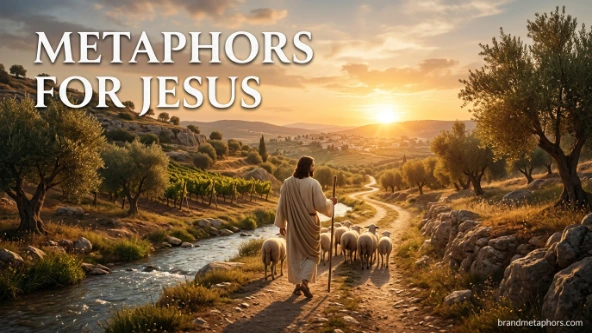
Imagine walking through a quiet field at dawn. The air is cool, the world still half-asleep, and the first light of the sun gently touches everything it sees. In that moment, the light feels more than physical—it feels like hope, guidance, even presence. Throughout history, people have reached for metaphors like this to describe something beyond simple words: the nature and identity of Jesus.
Why metaphors? Because some truths are too deep, too layered, or too personal to be captured in literal language alone. Metaphors help translate spiritual realities into images we can feel, understand, and live by. When people call Jesus “the light,” “the shepherd,” or “the bread,” they are not just describing—they are inviting reflection, connection, and transformation.
This article explores powerful metaphors for Jesus, unpacking what they mean, how they resonate emotionally and spiritually, and how they can be applied in real life. Each metaphor opens a new doorway, offering insight not just into faith, but into the human experience itself.
Jesus as the Light in Darkness
Light is one of the most universal metaphors for Jesus. It represents clarity, truth, and hope in a world often clouded by confusion and fear.
Picture walking through a dark room where nothing is visible. Then, suddenly, a small light flickers on. Everything changes. You can see where to step, what to avoid, and where to go next. This is how many understand Jesus—as a guiding presence that reveals truth and direction.
What This Metaphor Teaches
Light doesn’t force—it simply shines. In the same way, this metaphor suggests that Jesus offers guidance without coercion. It invites rather than compels.
Real-Life Reflection
In moments of uncertainty—career choices, relationships, personal struggles—people often look for “light.” This metaphor encourages turning toward clarity, honesty, and truth rather than avoidance or denial.
Jesus as the Good Shepherd
The image of a shepherd caring for sheep is rich with meaning: protection, guidance, patience, and responsibility.
A shepherd knows each sheep, watches over them, and seeks them when they wander. This metaphor emphasizes care that is both personal and attentive.
Deeper Meaning
Sheep are not known for independence. They rely on guidance. This metaphor suggests a relationship built on trust and dependence—not weakness, but connection.
Everyday Application
Think about times when you felt lost or unsure. The idea of a “shepherd” reminds us that guidance often comes through trust—trust in values, in purpose, or in a higher sense of direction.
Jesus as the Bread of Life
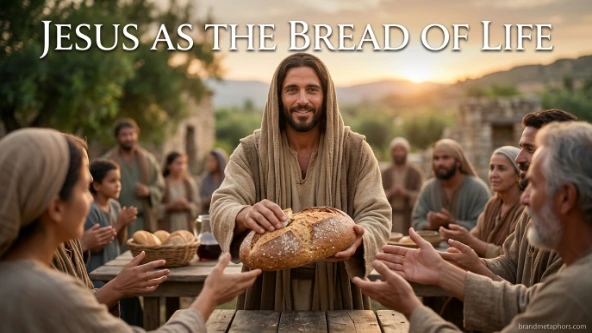
Bread is basic, essential, and sustaining. It represents nourishment—not luxury, but necessity.
When Jesus is described as “bread,” it points to spiritual sustenance. Just as the body needs food, the soul needs meaning, purpose, and connection.
Why Bread?
Bread is simple, accessible, and shared. It reflects humility and universality.
Practical Insight
In modern life, people often chase things that look fulfilling but feel empty. This metaphor challenges us to ask: what truly nourishes us?
Jesus as the Living Water
Water refreshes, cleanses, and sustains life. Without it, nothing survives.
The metaphor of “living water” suggests a source that not only satisfies temporarily but renews continuously.
Emotional Resonance
Imagine being deeply thirsty on a hot day and finally finding clean, cool water. That relief mirrors emotional and spiritual renewal.
Life Connection
This metaphor invites reflection on what truly satisfies us. Temporary pleasures may quench for a moment, but deeper fulfillment comes from lasting sources.
Jesus as the Door
A door represents access, opportunity, and transition.
Calling Jesus “the door” suggests an entry point into something greater—understanding, peace, or transformation.
Symbolic Meaning
Doors require choice. You must decide to walk through.
Practical Lesson
Life constantly presents doors—new paths, new perspectives. This metaphor encourages intentional decisions and awareness of where choices lead.
Jesus as the Vine
A vine connects branches, supplying them with life and nourishment.
This metaphor emphasizes connection and dependence.
H3: The Importance of Connection
Branches cannot survive disconnected from the vine. Similarly, this image highlights the importance of staying connected to purpose, values, or spiritual grounding.
H3: Growth Through Attachment
Growth is not independent—it comes through relationship.
Everyday Insight
Isolation often leads to emptiness. This metaphor encourages cultivating meaningful connections—with people, purpose, and inner truth.
Jesus as the Cornerstone
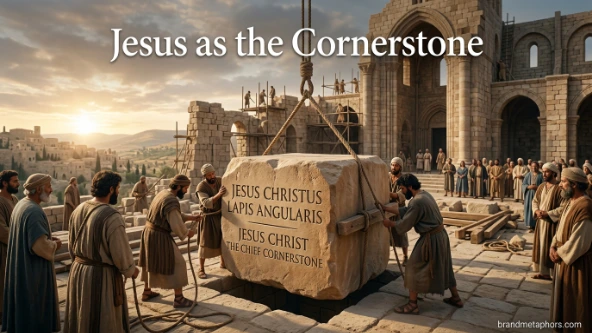
A cornerstone is the foundation upon which a structure is built. If it is strong, the entire building stands firm.
Deeper Understanding
This metaphor represents stability, reliability, and alignment.
Real-Life Scenario
When life feels unstable, people often look for something solid—beliefs, principles, or values. This metaphor encourages building life on something enduring rather than temporary.
Jesus as the Lamb
The lamb symbolizes innocence, sacrifice, and gentleness.
Emotional Meaning
This metaphor evokes compassion and humility rather than power or dominance.
Reflection
In a world that often values strength and control, this image offers a different perspective: that gentleness can also be powerful.
Jesus as the Teacher
A teacher guides, explains, and inspires growth.
H3: Beyond Information
This metaphor is not just about knowledge but transformation.
H3: Learning Through Experience
True teaching changes how we live, not just what we know.
Application
Think of the most impactful teacher you’ve had—they didn’t just inform you; they shaped your thinking. This metaphor reflects that deeper influence.
Jesus as the Healer
Healing goes beyond physical recovery—it includes emotional and spiritual restoration.
Meaning Behind the Metaphor
This image suggests renewal, wholeness, and compassion.
Real-Life Connection
Everyone carries some form of brokenness—stress, regret, loss. This metaphor speaks to the possibility of restoration and inner peace.
Jesus as the King

A king represents authority, leadership, and sovereignty.
Rethinking Power
Unlike traditional kings, this metaphor often emphasizes humility and service.
Insight
It challenges the idea that leadership is about control rather than care.
Jesus as the Friend
Friendship is personal, relational, and intimate.
Emotional Depth
This metaphor emphasizes closeness and trust rather than distance.
Everyday Meaning
It suggests that spiritual connection is not formal or distant but personal and accessible.
Jesus as the Way
A way is a path—a direction toward something meaningful.
Symbolic Insight
This metaphor suggests guidance not just in belief, but in action.
Application
Life is full of choices. This image encourages aligning actions with values and purpose.
Jesus as the Rock
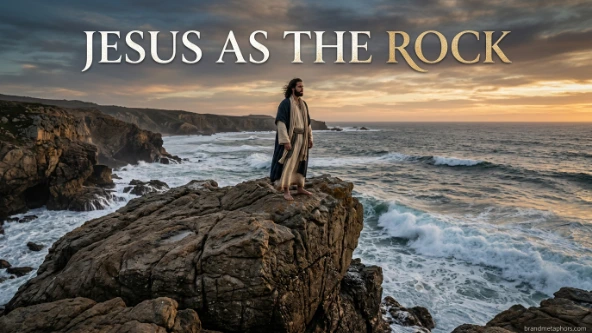
A rock represents strength, stability, and permanence.
Deeper Meaning
This metaphor speaks to reliability in uncertain times.
Real-Life Example
In moments of chaos—loss, failure, fear—people seek something unshakable. This metaphor reflects that need for stability.
Common Misunderstandings of These Metaphors
Metaphors are powerful, but they can also be misunderstood if taken too literally or too narrowly.
H3: Literal vs. Symbolic Interpretation
Calling Jesus a “door” or “vine” is not about physical identity but symbolic meaning.
H3: Limiting One Image
Focusing on only one metaphor can create an incomplete picture.
H3: Ignoring Personal Meaning
Metaphors are meant to be experienced, not just analyzed.
Insight
Each metaphor offers a different angle—together, they create a fuller understanding.
Conclusion
Metaphors for Jesus are more than poetic expressions—they are windows into deeper understanding. Each image, whether light, shepherd, bread, or rock, reveals something unique about guidance, connection, nourishment, and stability. Together, they form a mosaic of meaning that speaks to both the spiritual and everyday aspects of life.
What makes these metaphors powerful is not just their symbolism, but their relevance. They invite reflection, challenge assumptions, and offer practical insight into how we live, relate, and grow. Whether you approach them from a place of faith, curiosity, or personal exploration, these metaphors provide a language for understanding something profound and often difficult to express.
In the end, they are not just descriptions—they are invitations to see life, purpose, and connection in a new light.
FAQs
What are metaphors for Jesus?
Metaphors for Jesus are symbolic descriptions—like light, shepherd, or bread—that help explain his role, character, and significance in relatable ways.
Why are metaphors used to describe Jesus?
Metaphors make complex spiritual ideas easier to understand by connecting them to everyday experiences and emotions.
What is the most common metaphor for Jesus?
One of the most common metaphors is “the light,” representing truth, guidance, and hope.
Are these metaphors meant to be taken literally?
No, they are symbolic and meant to convey deeper meaning rather than physical description.
How can these metaphors be applied in daily life?
They can guide decision-making, encourage reflection, and help individuals find meaning, purpose, and direction.
Why are there so many different metaphors?
Each metaphor highlights a different aspect, offering a more complete understanding when viewed together.
Can these metaphors be meaningful outside of religion?
Yes, many people find value in them as philosophical or emotional insights into life, relationships, and personal growth.