Day Off vs Off Day

Day Off vs Off Day

Meta Title Day Off vs Off Day: Meaning, Differences, Examples, and Correct English Usage Meta Description Learn the difference between day off vs off day with meanings, grammar rules, examples, comparison tables, common mistakes, exercises, FAQs, and writing tips for students and English learners. Day Off vs Off Day Introduction Figurative language makes writing more … Read more

Some of Whom vs Some of Who

Some of Whom vs Some of Who

Meta Title: Some of Whom vs Some of Who: Meaning, Rules, Examples & Grammar Guide Meta Description: Learn the difference between some of whom and some of who with simple grammar rules, examples, common mistakes, and practical writing tips. Some of Whom vs Some of Who English grammar can be confusing, especially when choosing between … Read more

Hi There Meaning

Hi There Meaning

Introduction Figurative language makes writing more engaging, expressive, and memorable. Whether you are writing essays, stories, emails, speeches, or everyday conversations, choosing the right words helps you connect with readers and listeners. While greetings may seem simple, understanding their meanings, tone, and context is an important part of effective communication. One of the most common … Read more

Marquee vs Marquis

Marquee vs Marquis

Have you ever seen the words marquee and marquis and wondered whether they mean the same thing? Although they look and sound somewhat similar, they refer to completely different concepts. One belongs to architecture, entertainment, and design, while the other comes from European nobility. Because of their similar spelling and pronunciation, many English learners, writers, … Read more

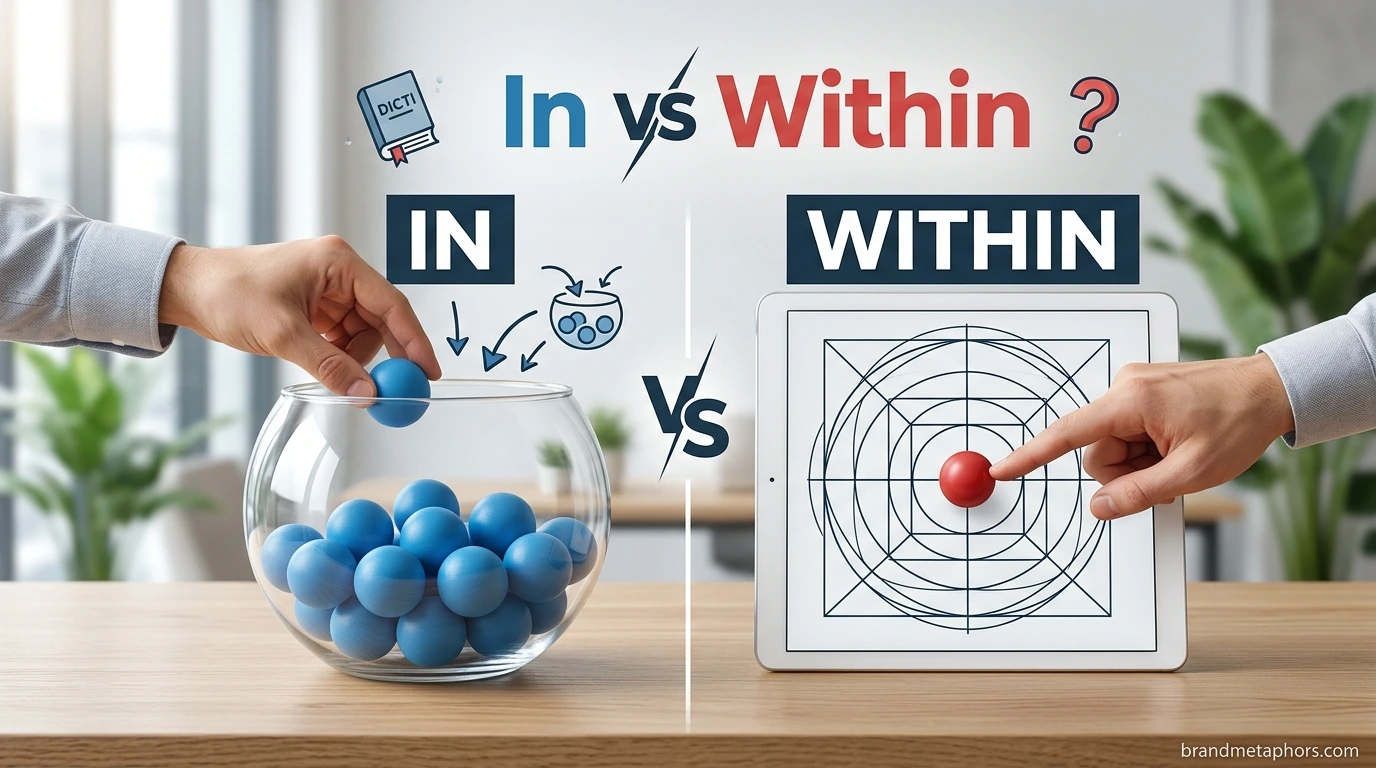
In vs Within

In vs Within

Introduction: Why Figurative Language and Precise Word Choice Matter Strong writing depends on choosing the right words for the right situation. Whether you are writing an academic essay, a business email, a creative story, or a social media post, your vocabulary shapes how readers understand your ideas. One of the most common areas of confusion … Read more

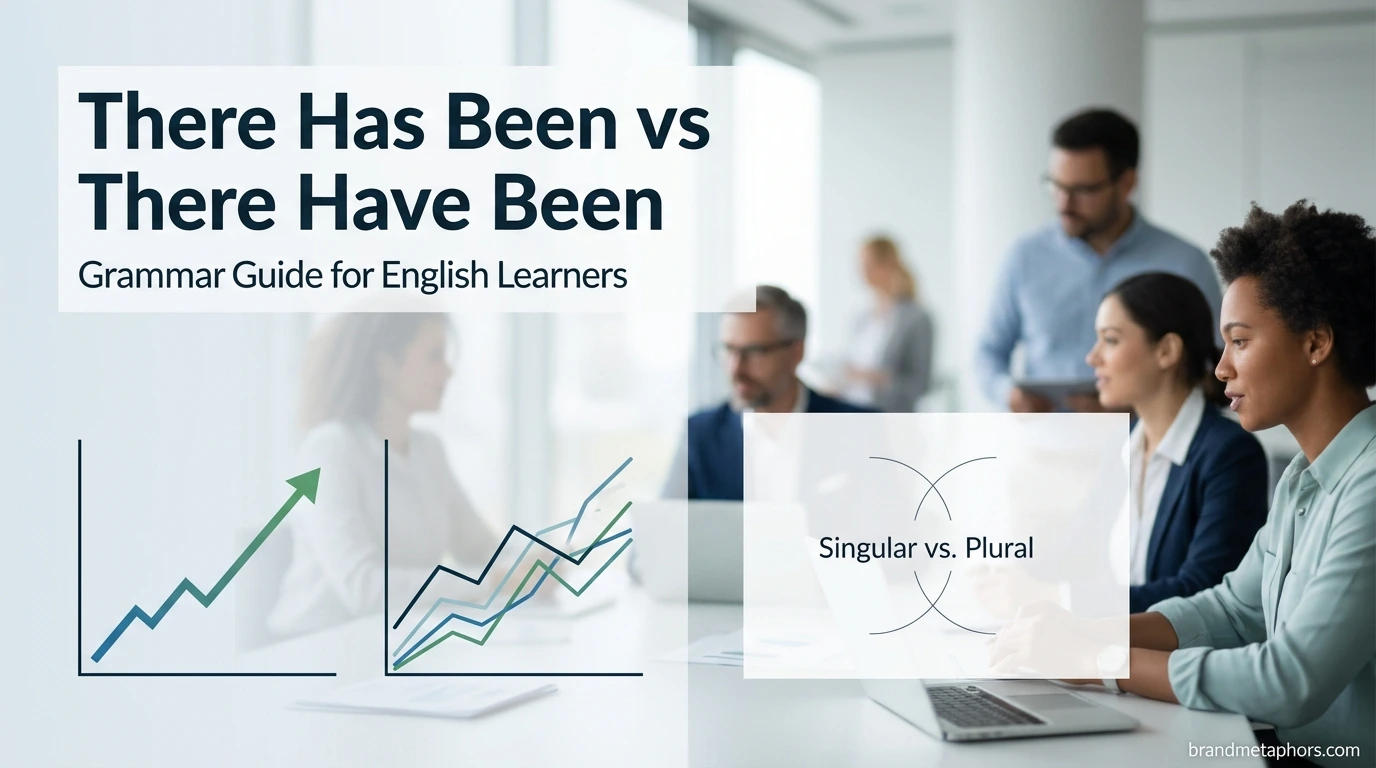
There Has Been vs There Have Been

There Has Been vs There Have Been

Introduction Good writing is more than using correct grammar. It is also about expressing ideas clearly and naturally. Writers often improve their communication by combining strong grammar with descriptive language, figurative language, literary devices, and creative writing techniques. Whether you are writing an essay, story, email, blog, or poem, understanding grammar helps your message become … Read more

Among Others

Among Others

Introduction English has many phrases that make writing and speaking more natural. One of the most useful expressions is among others. Although it looks simple, many learners do not know when or how to use it correctly. This phrase helps speakers mention a few examples without listing everything. It makes sentences shorter, smoother, and more … Read more

I am very much looking forward

I am very much looking forward

Introduction: Why Figurative Language and Strong Expressions Improve Writing Good writing is not only about grammar. It is also about expression, tone, feeling, and clarity. A simple sentence can share information, but a well-written sentence can create emotion, show personality, and make the reader stay interested. That is why students, writers, and English learners often … Read more

Timeslot vs Time Slot

Timeslot vs Time Slot

Introduction: Why Figurative Language and Word Choice Matter in Writing Good writing is not only about grammar. It is also about choosing the right words, using the correct spelling, and making your message clear for the reader. A small difference in wording can change how formal, natural, or professional your writing sounds. That is why … Read more