
Introduction: Why Figurative Language and Strong Expressions Improve Writing
Good writing is not only about grammar. It is also about expression, tone, feeling, and clarity. A simple sentence can share information, but a well-written sentence can create emotion, show personality, and make the reader stay interested. That is why students, writers, and English learners often study useful phrases, figurative language, and natural sentence patterns together.
One expression that appears often in spoken and written English is I am very much looking forward. It is a polite and expressive way to show excitement, hope, and positive expectation about something that will happen in the future. You may hear it in daily conversation, read it in emails, or use it in formal writing when you want to sound warm, respectful, and enthusiastic.
This phrase is useful because it does more than share a fact. It shows attitude. It helps the writer sound engaged and emotionally connected to the future event. In communication, this matters a lot. A student may use it when writing to a teacher. A professional may use it in an email before a meeting. A friend may use it when talking about a trip or celebration. In each case, the phrase carries tone, politeness, and meaning.
In this article, you will learn the full meaning of this expression, how it works in sentences, where to use it, where to avoid it, common mistakes, tone differences, comparison examples, and practice exercises. You will also see how this phrase connects with writing skills such as descriptive language, vocabulary enhancement, creative writing, poetic expression, and natural English sentence building.
What Does “I am very much looking forward” Mean?
The phrase I am very much looking forward expresses strong anticipation, pleasure, and excitement about a future event, action, meeting, experience, or result. It means that the speaker feels happy or eager about something that has not happened yet.
In simple words, it means:
- I am excited about it
- I cannot wait for it
- I feel happy that it is coming
- I expect it with pleasure
However, the phrase is more polite and often more natural in formal or semi-formal English than simply saying “I’m excited.”
Basic meaning
When someone says they are “looking forward” to something, they are mentally and emotionally waiting for it in a positive way. Adding very much increases the strength of the feeling. It makes the sentence sound warmer and more enthusiastic.
Simple examples
- I am very much looking forward to the school trip.
- I am very much looking forward to meeting you.
- I am very much looking forward to hearing your ideas.
- I am very much looking forward to the weekend.
In each example, the speaker is showing clear happiness about the future.
The Structure of the Phrase in English Grammar
To use this expression correctly, it is important to understand its structure. The full pattern is usually:
I am very much looking forward to + noun / pronoun / verb + ing
This is the most important grammar rule.
Correct structure
- I am very much looking forward to the event.
- I am very much looking forward to your reply.
- I am very much looking forward to meeting you.
- I am very much looking forward to working with the team.
Why “to” matters
In this phrase, to is a preposition, not part of an infinitive verb. That means the word after to should usually be:
- a noun
- a pronoun
- or a verb ending in -ing
Correct examples
- looking forward to the concert
- looking forward to it
- looking forward to seeing you
- looking forward to learning more
Incorrect examples
- looking forward to see you ❌
- looking forward to meet you ❌
- looking forward to hear from you ❌
Corrected forms
- looking forward to seeing you ✔
- looking forward to meeting you ✔
- looking forward to hearing from you ✔
This is one of the most common grammar mistakes English learners make, so it is worth practicing carefully.
Tone and Emotional Effect: What the Phrase Communicates
Language is not only about literal meaning. It is also about tone. Tone is the feeling or attitude behind the words. The phrase “I am very much looking forward” is effective because it creates a tone of warmth, politeness, and positive expectation.
Tone qualities in this phrase
This expression can sound:
- enthusiastic
- hopeful
- friendly
- respectful
- formal but warm
- professional yet personal
Compare the emotional effect
SentenceToneI will attend the meeting.Neutral, factualI am looking forward to the meeting.Positive and pleasantI am very much looking forward to the meeting.Strongly positive, warm, enthusiastic
The third sentence creates more connection. It tells the reader that the event matters to the speaker.
Why tone matters in writing
Tone affects how readers feel about your message. If you are writing an email, application, invitation response, thank-you note, or personal message, this phrase can make your writing sound more human and sincere.
For example:
- “I will meet you tomorrow” sounds direct and plain.
- “I am very much looking forward to meeting you tomorrow” sounds engaged and respectful.
This is why the phrase is common in professional communication and relationship-building language.
When to Use This Phrase in Real Life
This expression is flexible and useful in many situations. It works best when you want to express genuine positive expectation about a future action or event.
1) In emails and formal messages
It is very common in professional or academic communication.
Examples
- I am very much looking forward to discussing the project with you next week.
- I am very much looking forward to attending the workshop.
- I am very much looking forward to your feedback on my application.
2) In school and academic writing
Students can use it in emails to teachers, scholarship letters, event responses, or reflective writing.
Examples
- I am very much looking forward to joining the science club this year.
- I am very much looking forward to learning from this course.
3) In friendly conversation
It can also be used in normal daily speech, especially when you want to sound excited and sincere.
Examples
- I am very much looking forward to our family dinner.
- I am very much looking forward to seeing everyone again.
4) In travel and event writing
This phrase is natural when talking about plans, holidays, celebrations, and special occasions.
Examples
- I am very much looking forward to visiting the mountains this winter.
- I am very much looking forward to the wedding celebrations.
5) In creative and reflective writing
Writers may use the phrase in dialogue, journal writing, memoirs, or character narration to show emotional anticipation.
Example
- She smiled softly and said she was very much looking forward to the first rain of the season.
When to Avoid Using It
Although the phrase is useful, it is not suitable in every situation. Strong writing also means knowing when not to use a certain expression.
Avoid it when the feeling is not genuine
If you do not truly feel positive, the phrase may sound forced or fake.
Weak example
- I am very much looking forward to resolving this serious complaint.
In some difficult situations, a calmer phrase may sound better:
- I appreciate your attention to this matter.
- I hope we can resolve this issue soon.
Avoid overusing it in the same piece of writing
Repeating the phrase many times can make your writing sound unnatural and repetitive.
Repetitive
- I am very much looking forward to your response.
- I am very much looking forward to the meeting.
- I am very much looking forward to working together.
Instead, vary your wording:
- I appreciate the opportunity.
- I am excited to begin.
- I look forward to hearing from you.
- I am eager to learn more.
Avoid it in very casual texting if it sounds too formal
In informal chats, people may prefer:
- Can’t wait!
- So excited for it!
- Really looking forward to it!
Avoid it in highly serious, negative, or painful contexts
If the situation is about illness, loss, conflict, or legal difficulty, this phrase may sound emotionally inappropriate.
Formal vs Informal Usage: Choosing the Right Version
One of the best writing skills is knowing how to adjust language for audience and purpose. This phrase can be used in both formal and informal contexts, but small changes affect the tone.
Formal versions
These are suitable for work, academic writing, professional emails, and respectful communication.
- I am very much looking forward to meeting you.
- I am very much looking forward to discussing this opportunity.
- I am very much looking forward to your reply.
- I am very much looking forward to attending the conference.
Semi-formal versions
These work well in polite daily communication.
- I’m really looking forward to seeing you.
- I’m looking forward to the weekend.
- I’m very much looking forward to the event.
Informal versions
These sound lighter and more conversational.
- I can’t wait to see you.
- I’m so excited about it.
- Really looking forward to it.
- I’m counting down the days.
Quick comparison table
ExpressionFormalityToneI am very much looking forward to meeting you.Formal / politeWarm, respectfulI am looking forward to meeting you.Neutral formalPolite, naturalI’m really looking forward to meeting you.Semi-formalFriendly, livelyI can’t wait to meet you.InformalExcited, energetic
This table shows that similar meanings can create different effects. Choosing the right version depends on your audience.
Sentence Examples for Students, Writers, and English Learners
Learning through sentence examples is one of the fastest ways to improve vocabulary and grammar. Below are categorized examples to show how the phrase works in real contexts.
A. School and education examples
- I am very much looking forward to starting my new semester.
- I am very much looking forward to learning more about world history.
- I am very much looking forward to participating in the debate competition.
- I am very much looking forward to meeting my new classmates.
- I am very much looking forward to presenting my research project.
B. Work and professional examples
- I am very much looking forward to working with your team.
- I am very much looking forward to discussing the next steps.
- I am very much looking forward to attending the training session.
- I am very much looking forward to hearing your suggestions.
- I am very much looking forward to building a long-term partnership.
C. Family and social examples
- I am very much looking forward to celebrating Eid with my family.
- I am very much looking forward to seeing my cousins after many years.
- I am very much looking forward to our dinner together.
- I am very much looking forward to the wedding next month.
- I am very much looking forward to spending time with everyone.
D. Travel and leisure examples
- I am very much looking forward to visiting the northern areas.
- I am very much looking forward to watching the sunset at the beach.
- I am very much looking forward to trying local food during the trip.
- I am very much looking forward to a quiet holiday after exams.
- I am very much looking forward to exploring a new city.
E. Personal growth examples
- I am very much looking forward to improving my speaking skills.
- I am very much looking forward to reading more books this summer.
- I am very much looking forward to becoming more confident in English.
- I am very much looking forward to practicing creative writing.
- I am very much looking forward to learning how to express my ideas clearly.
These examples help learners understand how the phrase fits different themes and sentence patterns.
Comparison with Similar Expressions
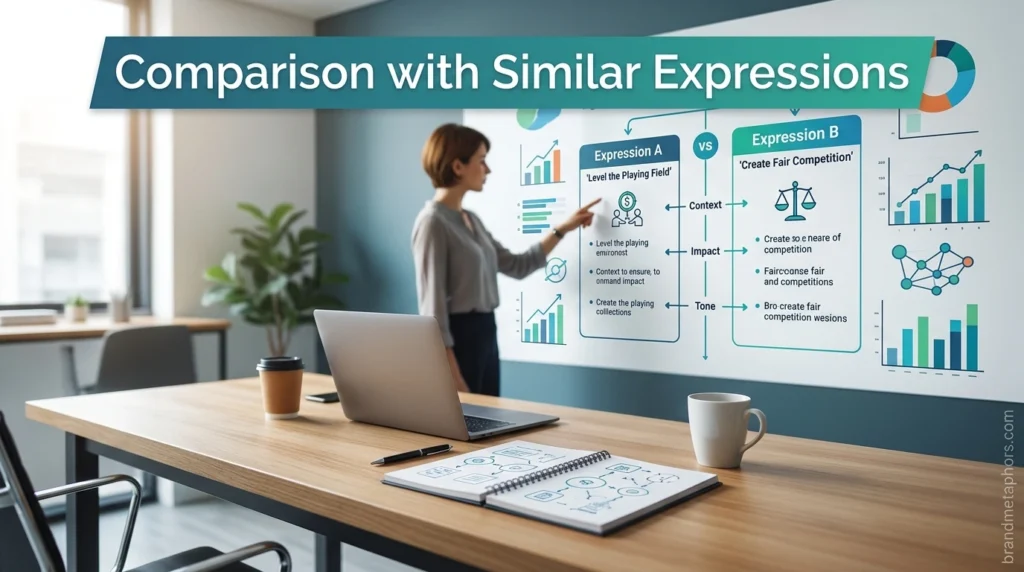
English offers many ways to express future excitement. Understanding the difference between similar expressions improves vocabulary enhancement and natural communication.
1) Looking forward to vs can’t wait
Looking forward to is often more polite and balanced. Can’t wait is more emotional and informal.
Examples
- I am looking forward to meeting your team.
- I can’t wait to meet your team.
The first works better in professional settings. The second works better with friends or in casual speech.
2) Looking forward to vs excited about
Excited about focuses more on emotion. Looking forward to focuses on pleasant expectation.
Examples
- I’m excited about the concert.
- I’m looking forward to the concert.
Both are correct, but “looking forward to” often sounds smoother in formal writing.
3) Very much looking forward vs eager to
Eager to can sound energetic and direct. Very much looking forward sounds warmer and more conversational.
Examples
- I am eager to begin the project.
- I am very much looking forward to beginning the project.
Quick comparison table
PhraseBest useToneLooking forward toGeneral formal and informal usePositive, naturalVery much looking forward toStronger enthusiasm, polite writingWarm, expressiveCan’t waitFriends, informal speechHighly excitedExcited aboutCasual and emotional expressionEnergeticEager toMotivated, goal-focused contextsStrong, direct
This kind of comparison is useful for students who want to improve descriptive language and choose the right phrase for the right moment.
Is It Figurative Language, Idiom, or Just a Common Expression?
Many learners ask whether this phrase is an idiom or simply normal English. The answer is interesting because it sits between literal and figurative use.
Is it an idiom?
“Look forward to” is often treated as an idiomatic expression because the meaning is not about physically looking in front of you. Instead, it means emotionally expecting something pleasant in the future.
So yes, in everyday teaching, it can be explained as an idiom-like expression or fixed phrase.
Literal meaning vs figurative meaning
- Literal meaning of look: to use your eyes
- Figurative meaning of look forward: to expect something positively in the future
This is where figurative language becomes important. The phrase uses the idea of direction and vision to express time and emotion. The future is imagined as something “ahead,” and the speaker is mentally turned toward it with hope and excitement.
Why this matters in writing
Understanding this figurative side helps learners read English more deeply. Many common expressions work this way. Writers use direction, light, movement, weather, and physical action to describe feelings and time.
For example:
- looking back on memories
- moving forward in life
- carrying hope
- holding onto dreams
These are not only grammar patterns. They are also examples of how language turns ideas into images.
Creative Writing and Poetic Expression: How Writers Can Use It Better
Although the phrase is common in everyday English, writers can use it in creative ways by adding context, imagery, and emotional detail. This is where writing skills, literary devices, and poetic expression become more powerful.
Plain sentence
- I am very much looking forward to the rain.
More descriptive version
- After weeks of heat and dust, I was very much looking forward to the first rain, as if the sky itself had promised relief.
Another creative version
- She was very much looking forward to dawn, the way a tired traveler waits for the first lamp in a distant village.
The second and third examples add imagery and feeling. They move from ordinary statement to expressive writing.
Using simile examples
A simile compares one thing to another using like or as.
- I was looking forward to the results like a child waiting for Eid morning.
- He was looking forward to the match as eagerly as a bird waiting for open skies.
Using metaphor examples
A metaphor describes one thing as another to create stronger imagery.
- The weekend was a lighthouse, and I was sailing toward it.
- Her graduation day was a sunrise she had waited years to see.
Using descriptive language
You can strengthen the phrase by adding:
- reason
- setting
- emotion
- sensory detail
- personal importance
Example
- I am very much looking forward to returning to my village, where the evening wind, the fields, and the old courtyard still carry the comfort of childhood.
This is how a simple expression can become part of beautiful creative writing.
Common Mistakes and How to Fix Them
Even simple phrases can cause mistakes if learners are not careful. Below are some of the most common errors.
Mistake 1: Using the base verb after “to”
Wrong: I am looking forward to meet you. Correct: I am looking forward to meeting you.
Why?
Because to here is a preposition, so use verb + ing.
Mistake 2: Forgetting the object
Weak: I am very much looking forward. Better: I am very much looking forward to the event.
The phrase usually needs a target: something you are waiting for.
Mistake 3: Overusing “very much”
Using “very much” in every sentence can make your writing heavy.
Too much repetition
- I am very much looking forward to your response.
- I am very much looking forward to our meeting.
- I am very much looking forward to your visit.
Better variation
- I look forward to your response.
- I’m excited about our meeting.
- I can’t wait for your visit.
Mistake 4: Using it in an unnatural context
Odd: I am very much looking forward to discussing the accident report.
In serious situations, choose a more neutral phrase:
- I would like to discuss the report.
- I appreciate your time regarding this matter.
Mistake 5: Confusing tense
If the event is in the past, this phrase is not suitable in its normal form.
Wrong for past context
- I was looking forward to the trip, and now it happens yesterday.
Better
- I was looking forward to the trip, and it finally happened yesterday.
- I had been looking forward to the trip for months.
Writing Tips to Make the Phrase Sound Natural and Strong
Using a phrase correctly is good. Using it naturally is better. Here are practical tips for students and writers.
1) Add the reason
Tell the reader why the event matters.
- I am very much looking forward to the workshop because it will help me improve my writing skills.
2) Add a time reference
This makes the sentence feel more real.
- I am very much looking forward to meeting you next Thursday.
3) Add emotional detail
This improves descriptive language.
- I am very much looking forward to the reunion, especially after so many years apart.
4) Match the tone to the audience
Use a formal version for teachers, employers, and professional contacts. Use a lighter version for friends.
5) Avoid empty enthusiasm
If you say you are looking forward to something, make sure the sentence feels believable and connected to the situation.
6) Use variety in longer writing
If your article, letter, or story repeats the same phrase many times, replace some instances with:
- eager to
- excited about
- hopeful about
- can’t wait for
- happy to
- delighted to
This helps vocabulary enhancement and improves style.
Practice Exercises for Learners
Practice is the best way to remember grammar and tone. Try these exercises.
Exercise 1: Fill in the blanks
Complete the sentences with a correct form.
- I am looking forward to ________ you next week.
- She is very much looking forward to ________ the results.
- We are looking forward to ________ our grandparents.
- He is very much looking forward to the school ________.
- They are looking forward to ________ in the competition.
Suggested answers
- seeing
- hearing
- visiting / meeting
- trip / event / ceremony
- participating / competing
Exercise 2: Correct the mistakes
Fix the grammar.
- I am looking forward to meet you.
- She is very much looking forward for the event.
- We are looking forward to hear from you.
- He very much looking forward to the match.
- I am looking forward to go home.
Correct versions
- I am looking forward to meeting you.
- She is very much looking forward to the event.
- We are looking forward to hearing from you.
- He is very much looking forward to the match.
- I am looking forward to going home.
Exercise 3: Rewrite for tone
Change the sentence to sound more formal.
Sentence
- Can’t wait to see you tomorrow.
Possible formal versions
- I am looking forward to seeing you tomorrow.
- I am very much looking forward to seeing you tomorrow.
Exercise 4: Add detail
Expand this sentence:
- I am looking forward to the trip.
Example expansion
- I am very much looking forward to the trip because it will be my first chance to visit the mountains with my closest friends.
This kind of exercise helps learners improve sentence examples, creative writing, and descriptive language at the same time.
Mini Comparison Table: Correct and Incorrect Usage
IncorrectCorrectWhylooking forward to meet youlooking forward to meeting youuse -ing after tolooking forward for your replylooking forward to your replythe phrase uses to, not forI very much looking forwardI am very much looking forwardthe helping verb am is neededlooking forward to hear from youlooking forward to hearing from youuse gerund after prepositionI look forward itI look forward to itto must be included
Tables like this are helpful for revision and fast learning.
How This Phrase Helps Vocabulary, Style, and Communication Skills
Learning one phrase deeply can improve much more than one sentence. It can strengthen several language skills at once.
1) Vocabulary enhancement
You learn related expressions such as:
- eager to
- excited about
- can’t wait
- hopeful about
- anticipating
- delighted by the thought of
2) Grammar control
You practice:
- prepositions
- gerunds
- formal sentence patterns
- subject + helping verb + expression structure
3) Writing skills
You learn how to:
- show tone
- sound polite
- express emotion clearly
- choose between formal and informal language
- add descriptive detail
4) Reading comprehension
When you understand expressions like this, you can understand characters, letters, speeches, and essays more naturally.
5) Creative expression
You can combine the phrase with figurative language, literary devices, simile examples, metaphor examples, and poetic expression to make your writing more vivid.
In this way, one small phrase becomes a doorway to better communication.
Frequently Asked Questions
1) Is “I am very much looking forward” grammatically correct?
Yes, it is grammatically correct when it is followed properly, usually with to + noun or to + verb-ing.
Correct examples
- I am very much looking forward to the event.
- I am very much looking forward to meeting you.
2) Is it formal or informal?
It can work in both, but it sounds especially good in formal and semi-formal communication such as emails, academic messages, and polite conversation.
3) Can I say “looking forward to see you”?
No. The correct form is looking forward to seeing you because to is a preposition here.
4) Is it an idiom?
It is often treated as an idiomatic or fixed expression because the meaning is not about physically looking forward with your eyes. It means expecting something happily in the future.
5) What is a simpler alternative?
Depending on context, you can say:
- I’m excited about it.
- I can’t wait.
- I’m eager to start.
- I’m happy about the plan.
- I’m looking forward to it.
Conclusion
The expression I am very much looking forward is a powerful and practical phrase for students, writers, and English learners. At first, it may seem like a simple sentence pattern, but it actually teaches many important parts of language at once: grammar, tone, emotional expression, politeness, and style. It helps people express future happiness in a natural and respectful way, whether they are writing an email, talking to a teacher, speaking to friends, or building a more expressive writing voice.
This phrase also opens the door to deeper language learning.