

H2: Introduction to the Idiom
English is full of colorful idioms that describe human behavior in creative ways. One such expression is “three sheets to the wind,” a phrase often used in informal speech to describe a person who is very drunk or heavily intoxicated.
This idiom does not literally refer to sheets or wind. Instead, it comes from old sailing language and has become a popular way to describe someone who has lost balance, control, or clear thinking due to alcohol.
In this article, we will explore its meaning, origin, usage in daily English, related expressions, examples, and cultural importance in simple language.
H2: Meaning of the Idiom in Simple Words
This phrase is used when a person is extremely drunk and unable to behave normally.
Simple explanation:
- A person cannot walk properly
- Speech becomes unclear
- Thinking becomes slow or confused
- Behavior becomes unstable or silly
In modern English:
It means someone is very intoxicated or completely out of control due to alcohol.
Other similar expressions include:
- Very drunk
- Wasted
- Plastered
- Smashed
- Completely intoxicated
H2: Origin and Historical Background
The expression comes from old sailing terminology.
Sailing meaning:
In sailing ships, “sheets” are ropes that control sails.
- If one sheet is loose → sail flaps → ship moves unsteadily
- If multiple sheets are loose → ship becomes hard to control
So:
- “One sheet loose” = slightly off balance
- “Two sheets loose” = very unstable
- “Three sheets to the wind” = completely out of control
Over time, sailors started using this phrase to describe drunk crew members who behaved just as unstable as a poorly controlled ship.
H2: How the Expression Is Used in Modern English
Today, this idiom is mostly used in informal situations like:
- Conversations with friends
- Storytelling
- Movies and TV shows
- Humorous writing
Example sentences:
- He came home completely out of control after the party.
- She was laughing loudly and could barely walk straight.
- They were so drunk they forgot where they parked the car.
The phrase is not used in formal writing like academic papers or business reports.
H2: Related Words and LSI Keywords
To understand this expression better, here are related terms commonly used in English learning and SEO contexts:
- Drunk idioms
- Intoxicated expressions
- Alcohol slang words
- English idioms for drunk
- Informal English phrases
- Slang for being wasted
- British nautical idioms
- Figurative language in English
- Descriptive vocabulary
- Casual English expressions
These words help learners understand how the expression fits into broader English usage.
H2: Levels of Intoxication (Simple Comparison Table)
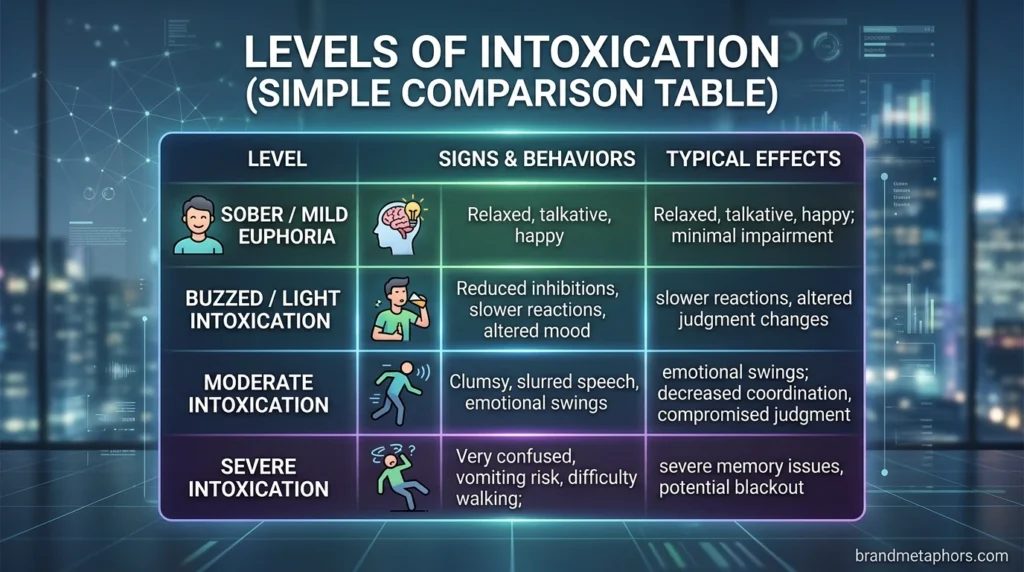
LevelDescriptionCommon ExpressionMildSlightly relaxed, happyLightly tipsyModerateLoss of balance, louder speechBuzzedHighClear confusion, poor walkingVery drunkExtremeNo control, unclear speechHeavily intoxicatedSevereComplete loss of awarenessBlackout drunk
The idiom we are discussing belongs to the extreme level category.
H2: Why Idioms Like This Are Important in English
Idioms are important because they:
- Make English more natural
- Help in creative writing
- Improve speaking fluency
- Add emotional expression
- Make conversations more interesting
Instead of saying “he is very drunk,” native speakers often prefer expressive phrases like this one.
H2: Real-Life Situations Where It Is Used
This expression often appears in real-life storytelling.
Example situations:
1. Party Scenario
Someone drinks too much at a wedding or party and behaves uncontrollably.
2. Movie Scenes
Comedy films often show characters in a confused, unstable state after drinking.
3. Casual Conversations
Friends may describe someone’s behavior after a night out.
4. Literature
Writers use it to describe sailors or characters in historical fiction.
H2: Common Misunderstandings About the Phrase
Many learners misunderstand this idiom because of its unusual wording.
Common mistakes:
- Thinking it relates to actual sheets of cloth
- Assuming it is about weather or wind
- Believing it is a modern phrase
Correct understanding:
It is a historical nautical idiom used figuratively.
H2: Similar Idioms and Expressions
English has many expressions with similar meanings:
- “Drunk as a skunk”
- “Hammered”
- “Wasted”
- “Smashed”
- “Three sheets to the wind”
- “Under the influence”
- “Out of it”
- “Off the rails”
Each expression has a slightly different tone:
- Some are humorous
- Some are serious
- Some are slang
H2: Cultural Usage in English-Speaking Countries
This phrase is mostly used in:
- United Kingdom English
- United States English
- Australia and Canada
Cultural notes:
- It is informal and slightly humorous
- Often used in storytelling or jokes
- Not suitable for formal communication
- Recognized widely in literature and media
In modern culture, younger speakers may prefer simpler slang like “wasted” or “drunk.”
H2: Psychological and Social Context (Simple View)
Although the phrase is humorous, it relates to serious real-life behavior.
Effects of heavy intoxication:
- Poor decision-making
- Memory loss
- Emotional instability
- Risky behavior
- Accidents or injuries
Social impact:
- Miscommunication
- Embarrassing situations
- Relationship issues
- Health risks
This is why responsible drinking is always emphasized in many cultures.
H2: Tips for Using Idioms in English Writing
If you are learning English, idioms can improve your writing style.
Helpful tips:
- Use them in stories or dialogues
- Avoid overuse in one paragraph
- Understand meaning before using
- Match tone with situation
- Practice with examples
Example improvement:
Instead of:
He was very drunk.
You can write:
He could barely stand and behaved like he had completely lost control.
H2: Common Examples in Sentences
Here are more natural examples of usage:
- After the celebration, he was completely out of control and laughing loudly.
- She stumbled out of the bar unable to walk straight.
- They returned from the party in a very unstable condition.
- The sailor behaved wildly after drinking too much on shore leave.
- He was speaking nonsense and could not focus on anything.
These examples show how the idea is used without repeating the idiom.
H2: Learning Benefits for English Students

Understanding idioms improves language skills in many ways:
- Better vocabulary range
- Improved listening comprehension
- More natural speaking style
- Strong storytelling ability
- Higher confidence in conversation
Students who learn idioms sound more fluent and natural.
H2: Quick Summary Table of Key Points
TopicExplanationMeaningVery drunk or out of controlOriginOld sailing terminologyUsageInformal speech and storytellingToneHumorous, descriptiveSimilar wordsWasted, drunk, smashedContextParties, stories, films
H2: Frequently Asked Questions (FAQs)
1. What does this idiom mean in simple English?
It means someone is extremely drunk and cannot control their behavior or movements.
2. Where did this expression come from?
It comes from sailing ships where loose ropes caused instability, similar to a drunk person’s movement.
3. Is it a formal or informal phrase?
It is an informal expression used in casual speech and storytelling.
4. Can I use it in academic writing?
No, it is not suitable for academic or professional writing.
5. What are similar slang words?
Words like “wasted,” “smashed,” and “hammered” have similar meanings.
6. Why do English speakers use idioms like this?
They make language more expressive, creative, and interesting.
7. Is it commonly used today?
It is still understood, but modern slang is more commonly used.
8. Can beginners learn this idiom easily?
Yes, but it should be learned with context and examples for better understanding.
Conclusion
This colorful English idiom has a strong historical background and is still widely understood today. It describes a state of extreme intoxication in a creative and memorable way. By learning expressions like this, English learners can improve their vocabulary, understand native speech better, and make their communication more natural.
Understanding idioms is not just about memorizing words—it is about understanding culture, history, and expression.