

Have you ever heard someone say, “You’re playing with fire,” after a risky decision? This common English expression doesn’t mean someone is literally touching flames. Instead, it describes a situation where a person is taking unnecessary risks that could lead to trouble.
This idiom is widely used in everyday conversations, books, movies, workplaces, schools, and even news reports. Understanding its meaning can improve your English vocabulary, help you recognize figurative language, and make your speaking and writing sound more natural.
In this guide, you’ll learn what this popular expression means, where it came from, when to use it, when not to use it, and how it compares with similar sayings. You’ll also find plenty of real-life examples, practical tips, a comparison table, and answers to common questions.
What Does This Idiom Mean?
This expression means doing something dangerous, risky, or likely to cause serious problems.
The danger may be physical, emotional, financial, social, or legal. A person may think everything is under control, but the situation can quickly become harmful.
Simple definition
Taking a risk that could have serious negative consequences.
Easy examples
- Driving too fast on a busy road is taking an unnecessary risk.
- Sharing private passwords with strangers can create major problems.
- Lying repeatedly may eventually destroy trust.
- Ignoring safety rules at work can lead to accidents.
The phrase reminds people that risky actions often have consequences.
Why Do People Use This Expression?
English uses many idioms because they make conversations more colorful and memorable.
Instead of saying:
“You are doing something dangerous.”
People often say:
“You’re playing with fire.”
The second sentence sounds stronger and paints a clear picture in the listener’s mind.
People use it to:
- Warn someone
- Give advice
- Express concern
- Describe risky behavior
- Predict possible trouble
Origin and History
This saying has been used for hundreds of years.
Fire has always been both useful and dangerous. People cook with it, stay warm because of it, and create light with it. At the same time, it can destroy homes, forests, and entire cities.
Because of this, fire became a symbol of danger in many cultures.
Over time, people began using the image of someone carelessly handling flames to describe anyone taking foolish risks.
Today, the expression is understood by English speakers around the world.
Situations Where It Is Commonly Used
This idiom fits many everyday situations.
Relationships
Examples include:
- Hiding important secrets
- Cheating
- Breaking someone’s trust
- Flirting while already in a relationship
Example:
If he keeps lying to his partner, he’s taking a dangerous emotional risk.
School
Students may hear it when someone:
- Cheats on exams
- Bullies classmates
- Skips important classes
- Breaks school rules
Example:
Copying homework every week may eventually get you caught.
Workplace
Managers often use it when employees:
- Ignore safety procedures
- Break company rules
- Share confidential information
- Take unnecessary business risks
Example:
Sharing customer data without permission could create serious legal problems.
Money
Financial risks also fit this expression.
Examples:
- Gambling all savings
- Investing without research
- Borrowing too much money
- Falling for online scams
Technology
Modern life offers many examples.
People may:
- Click suspicious links
- Download unknown software
- Share personal information publicly
- Ignore cybersecurity advice
These actions often create unnecessary danger.
Different Types of Risk
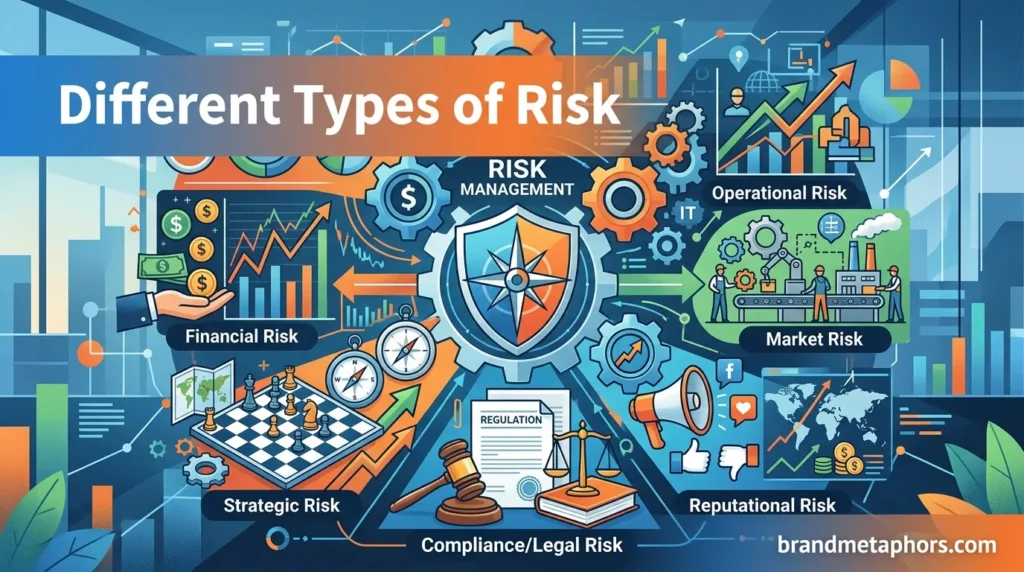
Not every dangerous situation looks the same.
Type of RiskExamplePossible ResultPhysicalIgnoring safety equipmentInjuryFinancialRisky investmentsLosing moneyEmotionalBreaking trustDamaged relationshipsLegalBreaking lawsFines or jailAcademicCheatingSuspensionDigitalSharing passwordsIdentity theftProfessionalIgnoring company rulesLosing a jobSocialSpreading rumorsLost friendships
This table shows that danger comes in many forms—not just physical harm.
Real-Life Examples
Understanding examples makes the meaning much easier.
Example 1
Sarah keeps texting while driving.
Her friends warn her because this behavior could easily cause an accident.
Example 2
Jake copies answers during every test.
Eventually, his teacher notices unusual patterns.
His risky choice leads to punishment.
Example 3
A company ignores product safety standards.
Months later, customers complain, and lawsuits begin.
Example 4
Someone shares banking information with strangers online.
Soon, money disappears from the account.
Example 5
A teenager joins friends in dangerous stunts just to gain followers on social media.
The attention may be temporary, but the consequences could last much longer.
How to Use It Correctly
This expression works best when someone is taking a serious risk.
Correct examples
- You’re taking a dangerous chance.
- She’s risking her career.
- They’re making a decision that could end badly.
- He keeps ignoring warnings.
In conversations
Friend: “I think I’ll drive home even though I’m extremely tired.”
Response: “That’s a risky decision.”
Parent: “If you keep breaking school rules, you’re taking a dangerous chance.”
Teacher: “Cheating may seem easy today, but it often creates much bigger problems.”
When You Should Not Use It
Sometimes this idiom does not fit.
Avoid using it for:
- Small mistakes
- Funny accidents
- Safe activities
- Normal daily choices
Not appropriate
- Choosing vanilla ice cream instead of chocolate
- Wearing blue shoes
- Reading a different book
- Trying a new recipe
These situations involve little or no real danger.
The expression works only when the consequences could be serious.
Similar Idioms and Expressions
English has many expressions about danger and risk.
Walking on thin ice
Meaning:
Being in a dangerous situation where one more mistake could cause trouble.
Example:
After missing work several times, she’s close to losing her job.
Opening a can of worms
Meaning:
Starting a problem that becomes much bigger.
Example:
Bringing up that old family argument may create new conflicts.
Taking a gamble
Meaning:
Accepting uncertainty in hopes of success.
Unlike reckless behavior, this phrase doesn’t always suggest a bad decision.
Risking everything
Meaning:
Putting something valuable in danger.
Example:
He invested all his savings in one business idea.
On dangerous ground
Meaning:
Entering a situation that may quickly become problematic.
Common Mistakes English Learners Make
Many learners misunderstand this idiom.
Mistake 1: Taking it literally
Incorrect understanding:
Someone is actually touching flames.
Correct understanding:
It describes risky behavior.
Mistake 2: Using it for tiny risks
Wrong:
“I’m taking a dangerous risk because I wore a green shirt.”
Correct:
Use it only when consequences are significant.
Mistake 3: Using it in formal reports
In academic or legal writing, direct language is often better.
Instead of using an idiom, write:
- The decision involves significant risk.
- The action may have serious consequences.
- The policy increases potential danger.
Mistake 4: Using it too often
Like all idioms, it becomes less effective if repeated many times.
Mix it with other expressions about risk.
Benefits of Learning This Idiom

Learning common expressions helps improve every part of English.
Better speaking
Native speakers use idioms naturally.
Understanding them makes conversations easier.
Better listening
Movies, TV shows, podcasts, and interviews often include figurative expressions.
Recognizing them improves comprehension.
Better writing
Essays, stories, blogs, and creative writing become more engaging.
Stronger vocabulary
Instead of repeating words like:
- dangerous
- risky
- unsafe
you gain another natural way to express the same idea.
Better exam performance
Many English proficiency tests include idioms and figurative language.
Knowing common expressions improves reading and listening scores.
Tips for Remembering the Meaning
Here are some simple memory tricks.
- Imagine someone carelessly reaching toward real flames.
- Think about danger before damage happens.
- Connect the phrase with risky decisions.
- Practice using it in daily conversations.
- Read stories that include figurative language.
- Watch English movies with subtitles.
- Create your own example sentences.
- Review idioms every week.
The stronger the mental picture, the easier the meaning becomes to remember.
Everyday Practice Sentences
Practice helps you remember new vocabulary.
Here are several examples.
- Ignoring the doctor’s advice could become dangerous.
- Spending all your savings on one investment is risky.
- Sharing your passwords online may lead to serious problems.
- Breaking safety rules at work can have severe consequences.
- Constantly lying to friends may destroy trust.
- Driving without enough sleep is extremely dangerous.
- Posting private information publicly may create future problems.
- Copying homework every day could eventually get you into trouble.
- Skipping important responsibilities often causes bigger issues later.
- Making promises you cannot keep can damage relationships.
Frequently Asked Questions
1. What does this idiom mean?
It means taking a dangerous risk that could lead to serious problems.
2. Is it used literally?
Usually no. It is a figurative expression rather than a literal statement.
3. Is it positive or negative?
It is almost always negative because it warns about possible harm.
4. Can it describe financial risks?
Yes. It is often used for money, business, and investment decisions.
5. Can children understand this expression?
Yes. Once they learn that it is figurative language, the meaning is simple and easy to remember.
6. Is it common in everyday English?
Yes. Native speakers frequently use it in conversations, movies, books, and news reports.
7. What is the opposite idea?
Being careful, acting wisely, following safety rules, or avoiding unnecessary risks.
8. How can I remember it easily?
Picture someone reaching toward real flames. That image reminds you that risky actions can quickly lead to harm.
Conclusion
This well-known English idiom reminds us that some actions may seem exciting or harmless at first but can quickly lead to serious consequences. Whether the risk involves relationships, money, school, work, technology, or personal safety, the message remains the same: think carefully before acting.
By understanding its meaning, history, correct usage, and common mistakes, you’ll be able to recognize it in conversations and use it naturally in your own English. Keep practicing with real-life examples, explore other figurative expressions, and build your vocabulary one idiom at a time. The more you understand these colorful phrases, the more confident and fluent your English will become.