

The wind arrived before the rain.
It slipped through the narrow alleyways, whispered through half-open windows, and brushed against skin like a secret you almost understood.
Curtains swayed like dancers without music, and trees leaned in quiet conversation. You couldn’t see it—but you felt it everywhere.
That’s the magic of wind. It is invisible, untouchable, and yet undeniably present. And that’s exactly why metaphors for wind are so powerful in writing and everyday language. They help us describe the intangible—emotions, change, freedom, chaos—through something we all instinctively understand.
In this article, we’ll explore how to use metaphors for wind creatively and effectively. You’ll discover vivid examples, storytelling techniques, and practical exercises to help you bring your words to life.
Why Metaphors for Wind Matter in Writing
Wind is more than just moving air—it’s a symbol. Across cultures and literature, it represents change, freedom, time, power, and even unseen forces like fate or emotion.
Using metaphors for wind can:
- Add emotional depth to your writing
- Create vivid imagery readers can feel
- Express abstract ideas in relatable ways
- Enhance storytelling and poetic tone
Whether you’re writing a story, a social media caption, or even a speech, wind metaphors can transform ordinary language into something memorable.
1. Wind as a Whisper: Subtlety, Secrets, and Soft Emotions
Meaning & Explanation
When you compare wind to a whisper, you emphasize its gentleness and intimacy. This metaphor often conveys quiet emotions, secrets, or fleeting thoughts.
Example Scenario
Imagine standing alone at dusk. A soft breeze brushes past you, carrying the faint scent of rain. It feels like the world is trying to tell you something—but only softly.
Example Sentence:
- The wind was a whisper, carrying forgotten stories through the trees.
Alternative Ways to Express It
- The wind murmured like a distant voice
- A soft breath moved through the air
- The breeze hummed a quiet lullaby
Sensory & Emotional Details
- Sound: rustling leaves, faint sighs
- Feeling: calm, reflective, slightly mysterious
- Mood: peaceful, nostalgic
Mini Storytelling Touch
In many poems, wind as a whisper represents memory. Think of a character remembering a lost loved one—the wind becomes their voice, brushing past like a ghost of the past.
When to Use This Metaphor
- Romantic or reflective writing
- Emotional scenes
- Nature descriptions with a calm tone
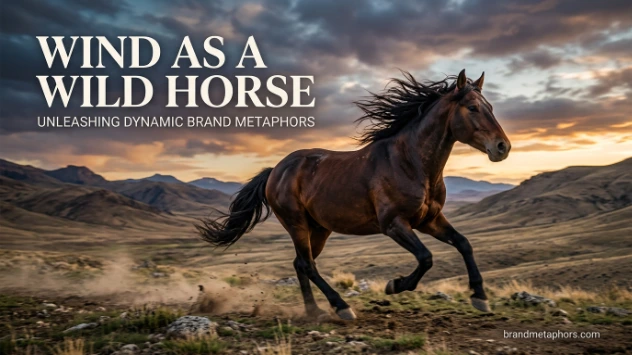
2. Wind as a Wild Horse: Power, Freedom, and Untamed Energy
Meaning & Explanation
Comparing wind to a wild horse emphasizes its strength, unpredictability, and untamed nature. It suggests movement, freedom, and sometimes chaos.
Example Scenario
A storm is rolling in. The wind howls, slamming doors and bending trees. It doesn’t ask for permission—it takes control.
Example Sentence:
- The wind was a wild horse, galloping across the plains with reckless freedom.
Alternative Ways to Express It
- The wind roared like a charging beast
- A storm of energy tore through the sky
- The air raced like an untamed spirit
Sensory & Emotional Details
- Sound: roaring, howling
- Feeling: intense, thrilling, sometimes frightening
- Mood: energetic, chaotic, alive
Mini Storytelling & Cultural Reference
In folklore and mythology, wind is often linked to powerful forces or deities—unpredictable and impossible to control. This metaphor taps into that ancient idea of nature as something wild and alive.
When to Use This Metaphor
- Action scenes
- Storm descriptions
- Writing about freedom or rebellion
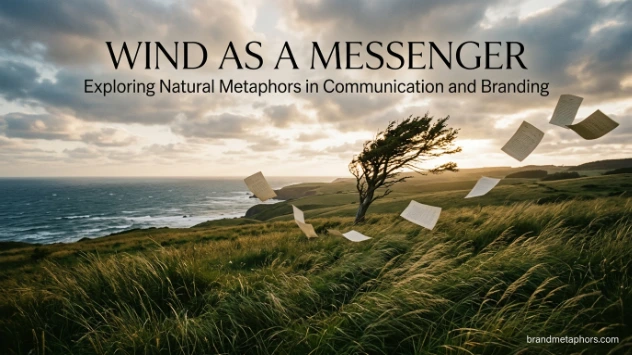
3. Wind as a Messenger: Change, Time, and Invisible Forces
Meaning & Explanation
Wind as a messenger suggests it carries something—news, change, or transformation. It’s often used to symbolize the arrival of something new or inevitable.
Example Scenario
The seasons are shifting. Leaves begin to fall, and the air turns cooler. The wind carries the promise of winter.
Example Sentence:
- The wind was a messenger, announcing the quiet arrival of change.
Alternative Ways to Express It
- The breeze carried whispers of tomorrow
- The wind delivered the scent of distant lands
- A silent courier moved through the air
Sensory & Emotional Details
- Smell: rain, earth, seasonal change
- Feeling: anticipation, curiosity
- Mood: thoughtful, transitional
Mini Storytelling Touch
In many cultures, wind is believed to carry messages from faraway places—sometimes even from the spiritual world. This metaphor connects to that timeless belief in unseen communication.
When to Use This Metaphor
- Writing about transitions or life changes
- Reflective essays
- Symbolic or philosophical pieces
Creative Exercises: Practice Using Metaphors for Wind
Ready to try it yourself? These exercises will help you master wind metaphors in a fun and creative way.
1. The Emotion Exercise
Pick an emotion and describe the wind as if it represents that feeling.
- Anger → The wind was a raging fire, tearing through everything in its path.
- Sadness → The wind sighed like a broken heart.
Your turn: Write 3 sentences where wind represents different emotions.
2. The Scene Builder
Imagine a setting:
- A quiet forest
- A busy city
- A lonely beach
Now describe the wind in that place using a metaphor.
3. The Transformation Challenge
Take a simple sentence:
- The wind was strong.
Turn it into something vivid:
- The wind was a wild drummer, beating against the walls of the night.
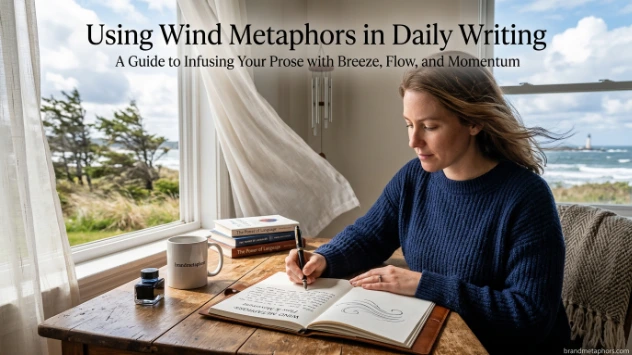
Bonus Tips: Using Wind Metaphors in Daily Writing
As Stories & Novels
- Use wind metaphors to reflect a character’s emotions
- Match the wind’s behavior to the mood of the scene
For Social Media
- Keep it short but vivid
- Example: “Chasing dreams like the wind—wild, free, and unstoppable.”
As Poetry
- Combine wind with other elements (rain, fire, sky)
- Play with rhythm and sound to mimic movement
For Everyday Language
- Add personality to descriptions
- Instead of “It’s windy,” say: “The wind is dancing through the streets today.”
SEO Keywords to Remember
When writing or publishing content, consider naturally including:
- metaphors for wind
- wind symbolism in writing
- examples of wind metaphors
- creative writing metaphors
- personification of wind
Common Mistakes to Avoid
- Overusing metaphors: Too many can overwhelm the reader
- Mixing metaphors: Keep imagery consistent
- Being too vague: Make sure your metaphor creates a clear image
Conclusion
The wind may be invisible, but through metaphors, it becomes alive—whispering secrets, racing with wild energy, or carrying messages across time.
When you learn to use metaphors for wind, you’re not just describing weather—you’re giving voice to emotions, movement to ideas, and depth to your writing.
So the next time the wind brushes past you, pause for a moment.
What is it saying?
And more importantly—how will you describe it?
FAQs About Metaphors for Wind
What is a metaphor for wind?
A metaphor for wind is a figurative expression that describes wind by comparing it to something else, such as a whisper, a wild horse, or a messenger.
Why are wind metaphors popular in writing?
Because wind is invisible yet powerful, it’s perfect for representing emotions, change, and unseen forces in a relatable and vivid way.
Can wind be personified instead of used as a metaphor?
Yes! Personification gives wind human traits, like “the wind danced” or “the wind sang.” It often overlaps with metaphorical language.
What are some simple wind metaphors for beginners?
- The wind is a whisper
- The wind is a dancer
- The wind is a traveler
How can I improve my metaphor writing skills?
Practice regularly, observe nature, read poetry, and experiment with different comparisons. Exercises like the ones above can help a lot.
Are wind metaphors useful in non-creative writing?
Absolutely. They can make blogs, speeches, and even marketing content more engaging and memorable when used appropriately.