
Introduction
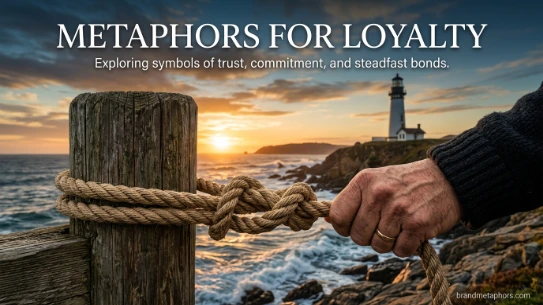
Imagine standing on a quiet harbor at dusk. The sea is calm, but the sky is heavy with drifting clouds. A small lighthouse stands at the edge, its light sweeping across the water in steady rhythm. Ships far away rely on it, not because it speaks or moves, but because it never stops guiding. Loyalty often feels like that lighthouse—silent, steady, and deeply dependable even when no one is watching.
We often talk about loyalty in simple terms: staying true, being faithful, or standing by someone. But these words don’t fully capture what loyalty feels like in real life. That is where metaphors help. They turn an invisible quality into something we can see, imagine, and understand more deeply. Loyalty is not just a concept; it is a lived experience found in relationships, friendships, families, and even personal values.
This article explores powerful metaphors for loyalty to help uncover its emotional depth. Each image—whether a tree, a bridge, or a flame—reveals a different layer of what it means to stay committed. By the end, you will not only understand loyalty better but also recognize how it quietly shapes everyday life and human connection.
Loyalty as a Living Idea: Understanding Through Metaphors
Loyalty is not a single action but a pattern of behavior built over time. Because it is abstract, we often rely on metaphors to understand it. A metaphor gives loyalty shape, color, and movement. It helps us feel what words alone cannot fully explain.
When we say loyalty is “like a rock,” we imagine something firm and unshaken. When we say it is “like water flowing through rivers,” we imagine something adaptable but always present. These comparisons help us understand that loyalty is both emotional and practical.
At its core, loyalty is about consistency in relationships and values. It is choosing to stay connected even when circumstances change. But this choice can take many forms—silent support, active protection, or long-term commitment. Metaphors allow us to see these forms more clearly.
Without metaphors, loyalty might feel like a vague idea. With them, it becomes something we can observe in nature, in objects, and in human behavior. That is why metaphors are not just poetic—they are educational tools that deepen emotional understanding.
Loyalty as a Lighthouse in the Dark
A lighthouse stands firm against storms, waves, and darkness. It does not move or chase ships. Instead, it waits and shines. This makes it a powerful metaphor for loyalty.
Loyalty, like a lighthouse, is about steady presence. It does not demand attention. It simply exists in the background, offering guidance when needed. In friendships or relationships, this kind of loyalty means being dependable even when life becomes unpredictable.
The Emotional Meaning
A loyal person does not disappear during difficult times. Instead, they become a point of reference, like a light in confusion. You may not always notice them, but you trust they are there.
Real-Life Reflection
Think of a friend who always answers your call during hard moments. They may not always be visible in your daily life, but when the storm arrives, they become your lighthouse. Their loyalty is not loud—it is consistent.
This metaphor shows that loyalty is not about constant presence but reliable presence. It shines most clearly when everything else feels uncertain.
Loyalty as a Deeply Rooted Tree
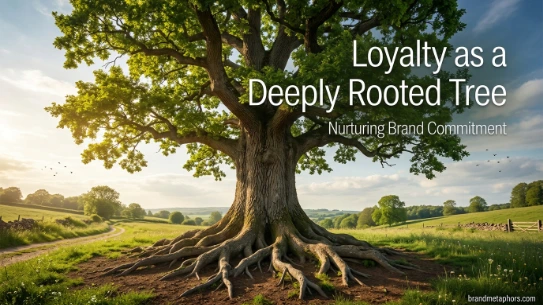
A tree does not grow tall overnight. It takes years of grounding roots into the soil. This makes it a perfect image of loyalty.
Loyalty, like a tree, is built slowly. It grows stronger with time, shared experiences, and mutual trust. The deeper the roots, the harder it is to break the bond.
Emotional Depth
A tree remains standing through seasons. Summer brings growth, autumn brings change, and winter brings silence. Yet the roots hold everything together. Similarly, loyal relationships survive emotional seasons.
Everyday Example
A family that has stayed connected through generations reflects this metaphor. Even when distance or disagreements arise, the bond remains grounded. It may bend in storms, but it does not break.
Loyalty as a tree teaches us that strength is not instant. It is built through patience, shared history, and emotional investment.
Loyalty as a Bridge Between People
A bridge connects two separate points. Without it, crossing would be difficult or impossible. Loyalty works in a similar way.
It connects hearts, ideas, and lives. Even when people are different, loyalty builds a path that keeps them connected. This connection requires maintenance, just like a physical bridge.
Emotional Function
Loyalty allows understanding to travel both ways. It carries support, trust, and forgiveness across emotional distance. Without it, relationships often collapse under misunderstanding.
Simple Scenario
Two friends may disagree or drift apart for a while, but loyalty acts like a bridge that allows them to reconnect. They may need effort to rebuild it, but the structure remains possible because loyalty once existed.
This metaphor shows that loyalty is not just emotional—it is structural. It holds relationships together across time and distance.
Loyalty as Emotional Glue
Glue binds things together that would otherwise fall apart. Loyalty functions in a similar way within relationships.
It keeps people emotionally attached through shared experiences. Even when challenges arise, loyalty prevents complete separation.
What It Represents
Loyalty as glue does not mean controlling or trapping someone. Instead, it represents emotional bonding. It is what makes relationships feel secure and lasting.
Everyday Example
In teams or friendships, loyalty creates unity. People stay committed to shared goals or memories. Even when disagreements happen, the “glue” of loyalty helps maintain connection.
Without this glue, relationships become fragile. Small problems can cause separation. With it, bonds become flexible but strong.
Loyalty as a Protective Guard Dog
A guard dog stays alert, watching over its home or owner. It protects without hesitation. This makes it a strong metaphor for loyalty.
Loyalty in this sense is active. It does not just stay; it defends. It stands against threats, whether emotional or physical.
Emotional Meaning
A loyal person often protects the dignity, reputation, or feelings of those they care about. They may speak up, step in, or stand firm when others are unfair.
Real-Life Example
In friendships, a loyal person defends you even when you are not present. They do not allow disrespect or harm easily. Like a guard dog, they are alert to danger in relationships.
This metaphor shows loyalty as both caring and protective, not passive or silent.
Loyalty as an Ever-Burning Flame

A flame that continues to burn represents warmth, energy, and persistence. Loyalty can be seen in the same way.
It is the emotional warmth that keeps relationships alive. Even when life becomes cold or distant, the flame of loyalty continues to glow.
Emotional Insight
Flames need care. Without attention, they weaken. Similarly, loyalty must be nurtured through communication and effort.
Simple Example
Long-distance relationships often rely on this kind of loyalty. Even when people are far apart, emotional warmth keeps the bond alive.
Loyalty as a flame teaches that connection is not static—it must be maintained with care and intention.
Loyalty as a Compass for Direction
A compass always points north, helping travelers stay on track. Loyalty functions in a similar way in life decisions.
It guides actions based on values and commitments. When confusion arises, loyalty helps people choose what aligns with their principles.
Inner Meaning
A loyal person often asks: “What is right for the bond I value?” This internal direction keeps them grounded.
Everyday Example
In workplaces, loyal employees remain aligned with team goals even when challenges arise. They do not lose direction easily because their commitment acts like a compass.
This metaphor highlights loyalty as a guiding force rather than just an emotional feeling.
Loyalty as an Unwritten Contract
Some agreements are not written on paper but are understood deeply. Loyalty often works like an invisible contract.
It is based on trust, respect, and shared understanding. Breaking it may not have legal consequences, but emotional consequences are strong.
Emotional Depth
This contract is built over time. It includes expectations like honesty, support, and presence during difficult times.
Simple Scenario
Friends who promise to always support each other are bound by this unseen agreement. Even without words, loyalty creates responsibility.
This metaphor shows that loyalty carries weight, even when unspoken.
Loyalty as a Shield in Difficult Times
A shield protects against harm. Loyalty can act in the same way emotionally.
It does not remove challenges, but it helps people face them without feeling alone.
Emotional Role
Loyalty as a shield means offering emotional safety. It is the reassurance that someone will stand with you during conflict or hardship.
Real-Life Example
During personal struggles, loyal friends or family members become a protective barrier against isolation. They do not solve everything but help you endure it.
This metaphor emphasizes emotional protection as a key part of loyalty.
Loyalty in Everyday Human Stories
Loyalty is not abstract—it appears in daily life in many forms.
H3: Friendship Loyalty
Friends who stay connected despite distance or time show loyalty like a bridge or flame. Their bond survives change.
H3: Family Loyalty
Family loyalty often feels like a tree—deep, rooted, and enduring. Even when disagreements happen, the connection remains.
H3: Self-Loyalty
Being loyal to oneself means staying true to personal values. This can be seen as a compass, guiding decisions even when pressure exists.
These examples show that loyalty is not one thing but many expressions of commitment in human life.
Misunderstandings About Loyalty Metaphors

Sometimes loyalty is misunderstood as blind obedience or emotional dependence. But metaphors help clarify its true nature.
A lighthouse does not chase ships. A tree does not cling to every storm. Loyalty is stable, not controlling.
Healthy loyalty allows space for growth and change. It does not demand self-sacrifice to the point of loss of identity.
Balanced Understanding
True loyalty supports, protects, and guides—but it also respects boundaries. It is strong without being restrictive.
Understanding these metaphors helps prevent unhealthy expectations in relationships.
Conclusion
Loyalty is not a single feeling or action—it is a collection of patterns that shape human connection. Through metaphors like the lighthouse, tree, bridge, flame, and compass, we begin to see its many dimensions more clearly. Each image reveals a different aspect: guidance, strength, warmth, protection, and direction.
In real life, loyalty is not always loud or obvious. It often exists in quiet support, steady presence, and consistent care. It grows over time and becomes stronger through shared experience. Understanding these metaphors helps us appreciate loyalty not as an abstract idea, but as something deeply human and practical. In the end, loyalty is what helps people stay connected even when life becomes uncertain, reminding us that true commitment is both powerful and quietly enduring.