
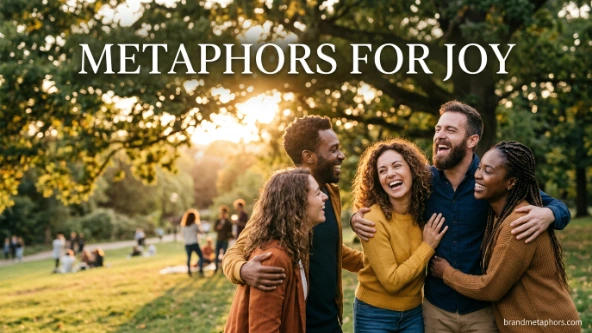
A Spark That Dances Through the Soul
The smell of warm bread drifts through the kitchen. A child bursts into laughter so bright it seems to shake the windows. Somewhere outside, sunlight spills across the grass like melted gold. In moments like these, joy feels almost alive—something larger than emotion, something impossible to hold with plain words.
That is why we turn to metaphors for joy.
Joy is not always easy to explain directly. Sometimes it rushes through us like a river after rain. Sometimes it glows softly like candlelight in a quiet room. Metaphors help us paint these feelings in vivid colors. They give shape to happiness, excitement, peace, gratitude, and wonder. Writers use them to deepen stories. Speakers use them to connect emotionally. Everyday people use them without even noticing.
In this article, you will explore powerful metaphors for joy, learn how they work, and discover creative ways to use them in writing, conversation, social media captions, journaling, and daily life. You will also find examples, storytelling ideas, exercises, and poetic inspiration to make your words shine with feeling.
Why Metaphors for Joy Matter
Joy Becomes Easier to Feel and Share
A simple sentence like “I was happy” tells the truth, but it does not create a picture. Compare it to:
“Joy bloomed inside her like spring flowers after a long winter.”
Suddenly, the feeling becomes visible.
Metaphors allow readers and listeners to experience emotion instead of merely hearing about it. They add warmth, rhythm, and imagination to language.
Joy matters because it connects people. A joyful metaphor can comfort someone, inspire hope, or brighten an ordinary conversation.
Metaphors Make Writing More Memorable
Think of famous lines from literature, films, or songs. Many stay in our minds because they use imagery.
Joy is often compared to:
- Sunshine
- Music
- Fireworks
- Wings
- Oceans
- Dancing light
These images linger because they touch the senses and emotions at once.
They Help Express Different Kinds of Happiness
Not all joy feels the same.
Some joy is loud and bursting. Other joy is quiet and deep. Metaphors help distinguish between them.
For example:
- “Joy was a thunderstorm of laughter” suggests excitement.
- “Joy rested in her heart like a sleeping cat” suggests calm peace.
Joy as Sunshine
Meaning and Emotional Effect
One of the oldest and most universal metaphors for joy is sunshine. Light naturally symbolizes warmth, hope, life, and emotional brightness.
When someone says:
“Her smile was sunshine in human form.”
they suggest that the person brings comfort and happiness to others.
Sunshine metaphors work because nearly everyone understands the feeling of stepping into warm sunlight after darkness or cold weather.
Example Sentences
- Joy poured through the room like morning sunlight.
- His laughter was a beam of gold on a difficult day.
- The news spread warmth through her chest like summer rays.
Alternative Ways to Express It
You can also compare joy to:
- Dawn breaking over mountains
- Golden light through curtains
- Sunlight after rain
- A bright horizon
Mini Storytelling Example
Imagine a grandmother opening the door to greet her grandchildren during the holidays. The house smells of cinnamon and tea. The children run inside, noisy and glowing with excitement.
You could write:
“Their arrival filled the house with sunshine.”
The metaphor instantly creates emotional warmth.
Bonus Tip for Writers
Use sunlight metaphors in:
- Romantic scenes
- Family stories
- Gratitude journals
- Inspirational social posts
They create emotional softness and hope.
Joy as a River

Meaning and Symbolism
A river symbolizes movement, freedom, energy, and life. Joy often behaves the same way. It flows through us unexpectedly and carries us forward.
When joy is compared to water, it feels alive and unstoppable.
Example Sentences
- Joy rushed through him like a wild river after rain.
- Her happiness flowed endlessly across the evening.
- Laughter streamed around the table like sparkling water.
Alternative Expressions
Try variations such as:
- Waterfall of delight
- Ocean tide of happiness
- Flowing current of excitement
- Rain of celebration
Cultural and Literary Connection
Many cultures connect water with renewal and emotional cleansing. Ancient poetry often used rivers to symbolize spiritual peace and emotional abundance.
In modern storytelling, rivers frequently represent freedom and emotional release.
Interactive Exercise
Write three sentences describing happiness using water imagery.
For example:
- “My joy bubbled like…”
- “Excitement crashed through…”
- “Hope drifted softly…”
Try changing calm water into stormy water to explore different emotional intensities.
Joy as Music
Why Music Fits Joy Perfectly
Music reaches emotion without explanation. Joy often feels rhythmic, energetic, and harmonious, making music one of the richest metaphors available.
Some happiness sings quietly. Other happiness explodes like drums at a festival.
Example Sentences
- Joy danced through her veins like a violin melody.
- Their reunion became a symphony of laughter.
- Happiness hummed softly inside him all day.
Alternative Musical Metaphors
You can compare joy to:
- A favorite song
- Church bells
- Festival drums
- A chorus of voices
- Piano notes floating through the air
Real-Life Inspiration
Think about concerts where crowds sing together. The emotional unity feels larger than words. That shared feeling often resembles joy itself.
Writers can use musical metaphors to create emotional movement and rhythm inside scenes.
Social Media Tip
Musical metaphors work beautifully in captions:
“Today felt like my favorite song playing on repeat.”
Short, emotional, and memorable.
Joy as Fireworks
Bright, Explosive Happiness
Some forms of joy arrive suddenly and dramatically. Fireworks capture excitement, celebration, surprise, and emotional energy.
This metaphor is especially useful for milestones:
- Weddings
- Birthdays
- Achievements
- Reunions
- Victories
Example Sentences
- Joy burst inside her chest like fireworks at midnight.
- The announcement sent sparks across the crowd.
- Excitement exploded through the room in brilliant colors.
Sensory Details
Firework imagery creates:
- Bright color
- Loud sound
- Sudden movement
- Celebration
Adding sensory detail strengthens emotional impact.
Mini Storytelling Scene
A student opens an acceptance email after months of waiting.
Instead of writing:
“She was happy.”
you might say:
“Fireworks erupted behind her eyes as she read the message.”
The scene immediately becomes vivid and cinematic.
Creative Writing Prompt
Describe a joyful memory using only imagery connected to light, sparks, or celebration.
Joy as Wings
Freedom and Emotional Lightness
Joy often makes people feel lighter. That is why wings and flight appear so frequently in poetry and storytelling.
This metaphor represents:
- Freedom
- Relief
- Possibility
- Emotional release
Example Sentences
- Joy lifted her like wings catching the wind.
- His spirit soared above worry.
- Happiness carried them across the day like birds in open skies.
Alternative Expressions
Try phrases like:
- Floating on air
- Flying above the clouds
- Riding the wind
- Feather-light happiness
Literary Connection
From ancient myths to modern novels, flight symbolizes transformation and hope. Birds often represent emotional liberation.
This metaphor works especially well after moments of struggle.
Daily Life Application
Use wing imagery when journaling about growth or recovery.
Example:
“For the first time in months, I felt light enough to fly.”
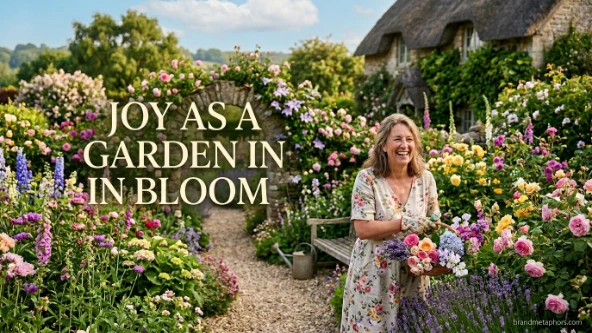
Joy as a Garden in Bloom
Growth, Beauty, and Renewal
Flowers blooming after winter create one of the most beautiful symbols of joy.
This metaphor suggests that joy can grow slowly, patiently, and naturally.
Example Sentences
- Joy bloomed inside her heart like spring roses.
- Their friendship became a garden of laughter.
- Happiness unfolded petal by petal across his life.
Alternative Nature Metaphors
You can compare joy to:
- Wildflowers after rain
- Cherry blossoms in spring
- Trees heavy with fruit
- A meadow filled with color
Emotional Impact
Flower imagery feels gentle and hopeful. It works beautifully in emotional essays, poetry, romance, and reflective writing.
Interactive Exercise
Choose a flower and connect it to a happy memory.
Ask yourself:
- What color was the joy?
- Did it arrive suddenly or slowly?
- Was it delicate or overwhelming?
Then write a short paragraph using floral imagery.
Joy as a Warm Fire
Comfort and Togetherness
Not all joy is loud. Some joy feels safe, peaceful, and deeply comforting.
A warm fire metaphor captures:
- Belonging
- Home
- Friendship
- Emotional warmth
Example Sentences
- Joy glowed inside the family like a winter fireplace.
- Her kindness warmed the room like crackling firewood.
- Happiness flickered softly through the evening.
Sensory Power
Fire metaphors involve:
- Warmth
- Light
- Sound
- Smell
- Movement
These details create immersive emotional scenes.
Real-Life Example
Think about sitting around a campfire with friends while stories drift into the night sky. The feeling is not explosive happiness. It is calm joy.
That softer emotional texture matters in writing.
Bonus Writing Tip
Use fire metaphors for:
- Cozy storytelling
- Holiday writing
- Family memories
- Romantic scenes
Joy as a Child’s Laughter
Pure and Honest Happiness
Children often symbolize unfiltered emotion. Their laughter feels spontaneous and real.
Comparing joy to a child’s laughter emphasizes innocence and authenticity.
Example Sentences
- Joy skipped through the house like children at play.
- Her happiness rang clear as playground laughter.
- The moment carried the bright honesty of childhood delight.
Why This Metaphor Works
Most people connect childhood with wonder, discovery, and emotional openness. This metaphor awakens nostalgia.
Storytelling Example
A father teaches his daughter to ride a bicycle. She wobbles, then suddenly balances on her own.
You could write:
“Joy burst from her like playground laughter.”
The emotional image feels immediate and alive.
Creative Prompt
Think about a joyful childhood memory. Rewrite it using sensory imagery:
- Sounds
- Smells
- Colors
- Weather
- Movement
This creates emotionally rich writing.
Joy as Stars in the Night Sky

Quiet Wonder and Deep Happiness
Some joy is not loud at all. It arrives quietly, like standing beneath a sky filled with stars.
This metaphor suggests:
- Awe
- Peace
- Wonder
- Spiritual beauty
Example Sentences
- Joy shimmered softly between them like starlight.
- Her happiness twinkled through the darkness.
- Hope scattered across his thoughts like constellations.
Emotional Tone
Star imagery feels reflective and poetic. It works especially well in:
- Poetry
- Journaling
- Inspirational writing
- Emotional storytelling
Literary Reference
Writers throughout history have used stars to symbolize dreams, guidance, and emotional meaning. They often appear during moments of transformation or realization.
Social Caption Idea
“Tiny joys can still light up an entire night.”
Short but emotionally powerful.
Joy as a Feast
Abundance and Celebration
Food often symbolizes comfort, connection, and celebration. Joy compared to a feast suggests richness and emotional fullness.
Example Sentences
- Their celebration became a feast of laughter and music.
- Joy filled the room like the smell of fresh bread.
- Happiness sat at the table beside them all night.
Sensory Layers
Food metaphors activate:
- Taste
- Smell
- Texture
- Warmth
This makes emotional writing more immersive.
Cultural Connection
Across cultures, celebrations center around shared meals. Weddings, holidays, birthdays, and festivals all connect joy with food and togetherness.
Interactive Writing Exercise
Describe happiness as a meal.
Ask:
- What flavor would joy have?
- Would it be sweet, spicy, warm, or comforting?
- Who would sit at the table?
This exercise strengthens creative thinking.
How to Create Your Own Metaphors for Joy
Start With Emotion
Ask yourself:
- What kind of joy is this?
- Loud or quiet?
- Temporary or lasting?
- Personal or shared?
The emotional tone shapes the metaphor.
Use the Senses
Strong metaphors often involve:
- Light
- Sound
- Texture
- Movement
- Smell
Instead of abstract emotion, focus on physical experience.
Compare Joy to Everyday Things
Beautiful metaphors do not need to be complicated.
Joy can be:
- Fresh coffee at sunrise
- Shoes kicked off after a long day
- Rain tapping softly on windows
- Music drifting from another room
Simple images often feel most relatable.
Practice Exercise
Complete these prompts:
- Joy is a ________
- Happiness feels like ________
- Laughter sounds like ________
- Hope shines like ________
Try writing five different answers for each.
Bonus Tips for Using Metaphors for Joy
In Creative Writing
Use metaphors sparingly but intentionally. Too many can overwhelm readers.
Choose images that match the emotional mood of the scene.
In Social Media Captions
Short metaphors work best.
Examples:
- “Joy tasted like summer today.”
- “Happiness bloomed quietly.”
- “Sunlight found me again.”
In Journaling
Metaphors help uncover deeper feelings.
Instead of writing:
“I felt good.”
Try:
“Today felt like standing in warm sunlight after months of rain.”
In Everyday Speech
Metaphors make conversations more memorable and emotional.
Saying:
“You light up the room.”
feels warmer than simply saying:
“You make people happy.”
Common Mistakes When Using Joy Metaphors
Overcomplicating the Image
Simple metaphors often work best. Avoid mixing too many unrelated images.
Using Clichés Without Fresh Detail
Phrases like “walking on sunshine” are familiar, but adding sensory detail makes them feel new.
Example:
“She walked through the day like sunlight slipping across water.”
Forgetting Emotional Consistency
A metaphor should match the mood.
Quiet emotional scenes need softer imagery. Big celebrations can handle dramatic comparisons.
Ignoring Personal Voice
The best metaphors feel natural to the speaker or writer. Choose images connected to your own experiences and memories.
Conclusion
Joy is one of the most beautiful emotions humans experience, yet it often escapes ordinary language. Metaphors help us capture its color, warmth, movement, and music. They transform simple feelings into vivid emotional experiences readers can see, hear, and feel.
Whether joy arrives like sunshine through curtains, fireworks in the night sky, or a river rushing after rain, metaphors allow us to share happiness with greater depth and creativity.
The next time you feel a moment of delight—a laugh with friends, a peaceful evening, a dream finally reached—pause and ask yourself:
What does this joy resemble?
You may discover images powerful enough to light someone else’s heart too.
FAQs About Metaphors for Joy
What is a metaphor for joy?
A metaphor for joy is a figurative comparison that describes happiness using vivid imagery, such as sunshine, music, rivers, or blooming flowers.
Why are metaphors for joy useful in writing?
They make emotions feel more vivid, emotional, and memorable. Readers can experience the feeling instead of simply reading about it.
What are common symbols of joy?
Common symbols include sunlight, birds, stars, music, flowers, laughter, rivers, and fireworks.
How can I create original metaphors for joy?
Focus on sensory details and personal experiences. Compare happiness to something visual, emotional, or physical that feels meaningful to you.
Can metaphors for joy improve social media captions?
Yes. Short emotional metaphors often feel more engaging, poetic, and relatable than plain statements about happiness.