
Introduction: When Heat Becomes More Than Temperature
The road shimmered like melted glass. Air rose from the pavement in twisting waves. A child pressed a hand against a car door and yanked it back with a sharp gasp. Summer was not simply warm that day—it was fierce, alive, almost angry.
That is the power of metaphor.
When we describe heat with ordinary words like “very hot,” the feeling stays flat. But when we say “the sun was a blowtorch” or “the room felt like a boiling kettle,” readers instantly feel the temperature in their bones. Metaphors turn plain description into vivid experience. They help writers create emotion, humor, tension, and sensory depth.
Learning metaphors for hot is useful for storytelling, poetry, blogging, speeches, social media captions, and everyday conversation. Heat can symbolize passion, danger, exhaustion, excitement, embarrassment, anger, or even romance. A strong metaphor paints all those feelings with a single image.
In this article, you will explore creative metaphors for hot, practical writing tips, mini storytelling examples, interactive exercises, and fresh ways to use heat imagery in daily life. Whether you are a student, writer, poet, or curious language lover, these fiery comparisons will help your words glow.
What Are Metaphors for Hot?
Understanding Heat Beyond Temperature
A metaphor compares one thing to another without using “like” or “as.” Instead of saying something is “very hot,” you transform the feeling into an image.
For example:
- “The desert was an oven.”
- “Her cheeks became burning coals.”
- “The classroom turned into a sauna.”
These phrases create sensory experiences. Readers can almost feel sweat on their skin.
Metaphors for hot can describe:
- Weather
- Food
- Emotions
- Attraction
- Anger
- Pressure
- Energy
- Fashion trends
Heat is deeply connected to human emotion. That is why fiery language appears in songs, novels, myths, and movies across cultures.
Why Heat Metaphors Feel Powerful
Humans naturally connect heat with intensity. Fire can comfort or destroy. Sunlight can nourish or scorch. Because heat affects the body so strongly, metaphors about hot conditions instantly feel emotional and memorable.
A sentence such as “The meeting became heated” carries emotional weight even though no actual fire exists.
Common Metaphors for Hot in Everyday Language
The Oven Metaphor
“The room was an oven.”
This is one of the most common heat metaphors. Ovens trap heat, making the image instantly relatable.
Meaning
Extreme, suffocating warmth.
Example Scenario
After the electricity failed during summer, the apartment became an oven by noon.
Alternative Expressions
- Furnace
- Boiler room
- Steam chamber
Emotional Detail
This metaphor often suggests discomfort and exhaustion.
The Sun as Fire
“The sun was a raging torch.”
This metaphor turns the sun into an aggressive object.
Meaning
Intense sunlight that feels dangerous or relentless.
Example Sentence
The hikers walked beneath a blazing torch in the sky.
Alternative Ways to Say It
- The sun was molten gold
- The sky burned overhead
- Daylight poured like lava
Boiling Heat
“The city was boiling.”
Meaning
Heat feels so extreme it resembles bubbling water.
Example Scenario
Cars crawled through the boiling streets while people searched for shade.
Sensory Image
Sweat dripping, air trembling, skin sticky with humidity.
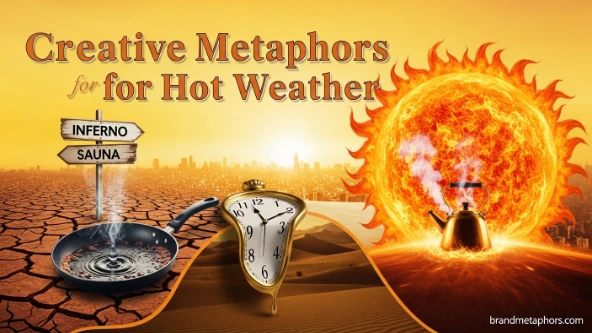
Creative Metaphors for Hot Weather
Heat as a Living Creature
“Summer wrapped its fiery claws around the town.”
This metaphor gives heat a personality.
Why It Works
Readers imagine heat attacking or gripping everything.
Example
By afternoon, the desert had tightened its burning claws around travelers.
Cultural Reference
Many ancient cultures described the sun as a powerful god or beast because of its overwhelming force.
Heat as Melted Metal
“The air felt poured from liquid steel.”
Meaning
The atmosphere feels heavy, metallic, and dangerous.
Example Sentence
At the factory site, the air seemed forged from liquid steel.
Alternative Expressions
- Molten silver
- Melted copper
- Flowing iron
Heat as a Blanket
“The humidity lay over the city like a wet blanket.”
Meaning
Heat feels thick and impossible to escape.
Emotional Effect
Creates a sense of trapped discomfort.
Metaphors for Hot Emotions and Passion
Burning Love
“Her heart was a wildfire.”
Meaning
Passion spreading quickly and uncontrollably.
Example Scenario
One glance from him and her heart became a wildfire racing through dry woods.
Alternative Expressions
- Flames of desire
- Sparks flying
- A heart on fire
Literary Connection
Romantic poetry often uses fire imagery to describe intense attraction.
Anger as Heat
“His temper boiled over.”
Meaning
Anger growing until it explodes.
Example Sentence
After hours of arguing, his temper boiled over in the crowded room.
Emotional Detail
This metaphor suggests pressure building beneath the surface.
Embarrassment as Heat
“Her face became a burning sunset.”
Meaning
Blushing intensely.
Example Scenario
When her secret was revealed, her cheeks turned into burning sunsets.
Funny and Playful Metaphors for Hot
Hot Enough to Fry an Egg
“The sidewalk could fry breakfast.”
Meaning
The ground is dangerously hot.
Example
By midday, the parking lot could fry breakfast without a stove.
Why It Feels Funny
It exaggerates heat in a playful way.
Hot as Dragon Breath
“The wind carried dragon breath.”
Meaning
The air feels scorching and wild.
Mini Storytelling Example
The children ran from the playground as dragon breath swept across the swings and slides.
Human Popsicle Metaphors
“I melted faster than ice cream.”
Meaning
Someone feels overwhelmed by heat.
Social Media Style Example
“Five minutes outside and I became human soup.”
Three Powerful Metaphor Techniques for Better Writing
Technique 1: Use Sensory Details
Make Readers Feel the Heat
Good metaphors use touch, smell, sight, and sound.
Basic Sentence
“It was hot.”
Improved Version
“The heat clung to my skin like sticky syrup.”
Why It Works
Readers experience texture and discomfort.
Practice Prompt
Describe a summer afternoon using taste or smell.
Technique 2: Match the Mood
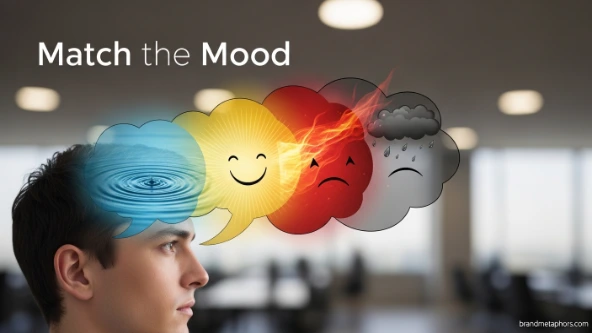
Different Heat Creates Different Feelings
Not all heat feels the same.
Romantic Heat
“Her smile was candlelight.”
Soft and warm.
Dangerous Heat
“The forest burned with hungry jaws.”
Threatening and destructive.
Energetic Heat
“The crowd pulsed like lava.”
Excited and alive.
Bonus Tip
Choose metaphors that match the emotional tone of your scene.
Technique 3: Avoid Overused Comparisons
Create Fresh Images
Some heat metaphors are common. Fresh imagery feels more memorable.
Overused
“Hot as fire.”
More Creative
“The afternoon dripped molten sunlight onto the streets.”
Writing Challenge
Turn ordinary weather into something magical or surprising.
Heat Metaphors in Literature and Culture
Fire in Mythology
Ancient stories often connected fire with power.
In Greek myths, Prometheus stole fire for humanity. Fire represented knowledge, danger, and transformation.
In many cultures, deserts symbolize both punishment and spiritual growth.
Heat in Poetry
Poets frequently use heat metaphors for love and longing.
Example themes include:
- Burning desire
- Smoldering heartbreak
- Fiery ambition
Heat creates emotional intensity without long explanations.
Modern Pop Culture References
Movies and music constantly use heat imagery:
- “This song is fire.”
- “A hot trend.”
- “Burning up the charts.”
These expressions keep heat metaphors alive in everyday language.
Interactive Exercises to Practice Metaphors for Hot
Exercise 1: Finish the Sentence
Complete these creatively:
- The summer air was __________.
- Her anger spread like __________.
- The kitchen became __________.
Try unusual answers instead of obvious ones.
Exercise 2: Create Emotion Through Heat
Write one metaphor for:
- Romantic excitement
- Embarrassment
- Competition
- Fear
Example:
“Fear crawled through him like sparks in dry grass.”
Exercise 3: Observation Walk
Go outside on a warm day and notice:
- What does the sunlight resemble?
- How does the air feel on skin?
- What colors remind you of heat?
Write down vivid comparisons.
Using Hot Metaphors in Social Media and Daily Life
Instagram Captions
Heat metaphors make captions more vivid.
Examples:
- “Sunlight poured gold across the afternoon.”
- “Today felt like walking through soup.”
- “Summer arrived breathing fire.”
Creative Text Messages
Instead of saying “It’s hot outside,” try:
- “The pavement is melting.”
- “The air feels grilled.”
- “I’m roasting alive.”
Storytelling and Blogging Tips
Heat metaphors improve:
- Travel blogs
- Summer articles
- Romance scenes
- Adventure stories
- Food reviews
A spicy meal can become:
“Each bite exploded like fireworks on the tongue.”
Mistakes to Avoid When Using Heat Metaphors
Using Too Many at Once
Too many metaphors can overwhelm readers.
Weak Example
“The sun was lava, fire, molten gold, and dragon breath.”
Better Example
“The sun hung overhead like molten gold.”
Keep imagery focused.
Mixing Confusing Images
Stay consistent.
Confusing Sentence
“The heat barked like thunder.”
Heat and barking do not naturally connect.
Stronger Sentence
“The heat pressed down like heavy iron.”
Forgetting the Context
A metaphor should fit the mood.
Funny metaphors work in casual writing. Dramatic metaphors work better in fiction or poetry.
Real-Life Inspiration for Hot Metaphors

Summer Childhood Memories
Think about moments from your own life.
Maybe:
- Car seats burned your legs
- Ice cream melted instantly
- Fans hummed through sleepless nights
Real memories create authentic metaphors.
Nature as Inspiration
Observe:
- Volcanoes
- Campfires
- Sunsets
- Dry deserts
- Steam rising from roads
Nature provides endless heat imagery.
Food and Kitchen Imagery
Cooking language creates excellent metaphors.
Examples:
- Simmering tension
- Boiling rage
- Smoking hot
- Roasted alive
These feel vivid because people understand heat through food experiences.
Bonus Tips for Writing Better Metaphors
Read Poetry Often
Poets are masters of imagery. Reading poetry expands your metaphor skills naturally.
Keep a Metaphor Notebook
Whenever you hear an interesting phrase, save it.
Example entries:
- “The sun hammered the rooftops.”
- “Humidity swallowed the street.”
- “Heat shimmered like invisible flames.”
Combine Emotion With Setting
The best metaphors connect physical heat with emotional heat.
Example:
“The courtroom simmered with tension beneath the summer sun.”
This creates atmosphere and emotion together.
Turning Simple Sentences Into Vivid Heat Metaphors
Plain Sentence
“It was a hot day.”
Better Version
“The afternoon baked the town until even the trees seemed thirsty.”
Plain Sentence
“She was embarrassed.”
Better Version
“Heat rushed into her cheeks like sunrise spilling across clouds.”
Plain Sentence
“He was angry.”
Better Version
“Anger crackled inside him like dry wood catching fire.”
Why Metaphors for Hot Matter in Writing
They Create Strong Visuals
Readers remember images more than plain facts.
They Trigger Emotion
Heat metaphors help readers feel:
- Passion
- Stress
- Joy
- Fear
- Excitement
They Improve Creativity
Fresh comparisons make writing sound original and expressive.
Even simple conversation becomes more engaging with colorful language.
Conclusion
Metaphors for hot do far more than describe temperature. They transform ordinary moments into vivid emotional experiences. A blazing sun becomes molten gold. Anger becomes boiling water. Passion becomes wildfire. Through these comparisons, language feels alive.
Whether you are writing poetry, fiction, captions, essays, or casual messages, heat metaphors add energy and color. They help readers smell the smoke, feel the sweat, and sense the emotional intensity behind your words.
The best metaphors come from observation, emotion, and imagination. Watch the world carefully. Notice how sunlight falls on buildings, how heat changes moods, how summer sounds and smells. Then turn those sensations into language that burns brightly in the reader’s mind.
Great writing is not only seen. It is felt.
And sometimes, the strongest words arrive glowing with heat.
FAQs
What are metaphors for hot?
Metaphors for hot are creative comparisons that describe heat, passion, anger, or intensity without using literal language. Examples include “the room was an oven” or “her heart was a wildfire.”
Why are heat metaphors important in writing?
They make descriptions more vivid, emotional, and memorable. Readers can better imagine and feel the scene.
Can metaphors for hot describe emotions?
Yes. Heat often symbolizes passion, embarrassment, excitement, anger, or attraction.
What is an example of a funny heat metaphor?
“The sidewalk could fry an egg” is a playful metaphor for extremely hot weather.
How can I create original metaphors for hot?
Observe real-life experiences, use sensory details, and connect heat to emotions, objects, or nature in creative ways.