
Introduction: The Invisible Storm Beneath the Surface
Imagine standing on a quiet shoreline at dusk. The waves seem calm at first. The wind is soft. The world looks ordinary. But beneath the water, a violent current pulls with silent force. No one on the beach can fully see it. Yet for the person caught inside, every second feels like a battle between sinking and survival.
That is often what drug addiction feels like.
People describe addiction in many ways because plain language sometimes fails to capture its emotional weight. Facts explain the science, but metaphors explain the human experience. They help writers, speakers, counselors, students, and everyday people express pain, struggle, recovery, temptation, and hope in ways that feel vivid and real.
Metaphors for drug addiction can turn abstract emotions into images readers instantly understand. They can deepen storytelling, strengthen poetry, improve essays, and create empathy in conversations about recovery and mental health. A carefully chosen comparison can illuminate what statistics cannot.
In this article, you will explore powerful metaphors for drug addiction, learn their meanings, discover creative examples, and practice using them in your own writing or reflections. Along the way, you’ll also find storytelling prompts, literary inspiration, and practical tips for expressing difficult emotions with honesty and compassion.
Why Metaphors Matter When Talking About Addiction
Addiction is complex. It affects the mind, body, relationships, and identity. Because of that complexity, people often reach for symbolic language to describe it.
A metaphor transforms an emotional experience into something visible and relatable. Instead of saying:
“He struggled with addiction.”
Someone might say:
“He was trapped in a maze with no clear exit.”
That image instantly creates emotion and understanding.
Metaphors for drug addiction are important because they:
- Help people communicate emotional pain
- Encourage empathy and understanding
- Make writing more memorable
- Reduce clinical coldness in discussion
- Support storytelling and recovery narratives
- Create emotional connection in poetry and literature
Writers, therapists, educators, and recovering individuals often use metaphors because addiction rarely feels simple. It can feel like drowning, burning, falling, wandering, or fighting invisible enemies.
Language becomes a bridge between inner chaos and outer understanding.
Addiction as a Prison: Trapped Behind Invisible Bars
One of the most common metaphors for drug addiction compares it to a prison.
The person may appear free physically, but mentally and emotionally, they feel confined. Every decision revolves around cravings, fear, secrecy, or survival.
Meaning and Symbolism
This metaphor emphasizes:
- Loss of control
- Emotional confinement
- Isolation
- Repetition and hopelessness
The “bars” are invisible, yet powerful.
Example Sentence
“Addiction became a prison whose doors were locked from the inside.”
Alternative Ways to Express It
- A cage with no key
- Chains around the mind
- A locked room growing smaller
- Shackles hidden beneath the skin
Emotional Details
This metaphor often carries feelings of:
- Claustrophobia
- Shame
- Loneliness
- Desperation
Mini Storytelling Example
A young musician hides bottles beneath the sink and pills inside guitar cases. Friends still hear laughter at parties, but each night he lies awake feeling trapped in routines he no longer controls. His life resembles a beautifully decorated prison cell.
Bonus Writing Tip
When using the prison metaphor, add sensory details:
- rusted bars
- echoing footsteps
- dim hallways
- locked doors
These details intensify emotional imagery.
Drug Addiction as a Storm at Sea
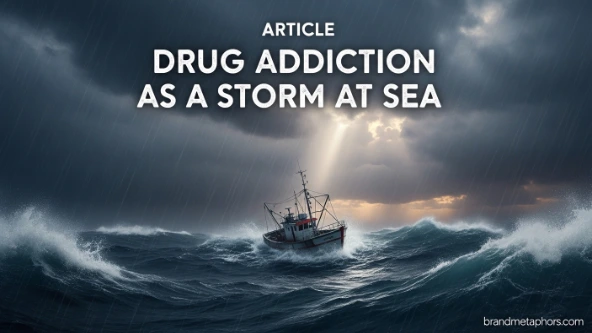
Another powerful metaphor compares addiction to a violent ocean storm.
At first, the sea may seem calm. Then the waves rise unexpectedly. Soon the person struggles just to stay afloat.
Meaning and Explanation
This metaphor highlights:
- Emotional instability
- Unpredictability
- Loss of direction
- Fear and survival
The storm represents cravings, relapse, or emotional chaos.
Example Sentence
“Her addiction was a hurricane tearing through every harbor she tried to call home.”
Alternative Expressions
- Drowning in dark waters
- Lost at sea
- Swept away by waves
- A sinking ship
Sensory Imagery
This metaphor works beautifully because it appeals to sound and motion:
- crashing waves
- icy water
- thunder
- endless rain
- violent currents
Literary Connection
Many classic stories use storms to symbolize internal struggle. In literature, turbulent seas often represent emotional battles, guilt, or psychological conflict.
Interactive Exercise
Write three sentences describing addiction as weather.
For example:
- Is it a tornado?
- A drought?
- A thunderstorm?
- A blizzard?
Think about how each weather image changes the emotional tone.
The Fire Metaphor: Addiction as a Flame That Consumes
Fire is both beautiful and destructive. That dual nature makes it a powerful metaphor for addiction.
At first, the flame provides warmth or escape. Eventually, it spreads beyond control.
Meaning
This metaphor captures:
- Destruction
- Temptation
- Escalation
- Loss of control
Example Sentence
“What began as a spark of escape became a wildfire that consumed his entire life.”
Alternative Ways to Say It
- Playing with fire
- Burning from the inside out
- Feeding the flames
- Reduced to ashes
Emotional Layers
Fire metaphors can express:
- Passion
- Rage
- Regret
- Self-destruction
Real-Life Reflection
Many recovering individuals describe addiction as something that “burned bridges” between them and loved ones.
That phrase itself is metaphorical.
Writing Prompt
Describe addiction as a fire in a house.
Which room catches first? What survives the flames? Who tries to escape? Who rebuilds afterward?
Addiction as a Monster in the Shadows
Sometimes addiction feels like an enemy with its own personality.
People describe it as a beast, demon, monster, or predator lurking nearby.
Meaning and Purpose
This metaphor externalizes addiction. It separates the individual from the illness.
Instead of:
“I am weak.”
The metaphor becomes:
“I am fighting something dangerous.”
That distinction can reduce shame and support recovery.
Example Sentence
“The monster whispered promises before revealing its teeth.”
Alternative Phrases
- Feeding the beast
- Wrestling demons
- A predator stalking quietly
- Shadows with claws
Emotional Effect
Monster metaphors create tension and fear. They work especially well in:
- memoirs
- poetry
- emotional essays
- spoken word performances
Cultural References
Stories across cultures feature monsters tempting or deceiving humans. These myths mirror the seductive yet destructive nature of addiction.
Bonus Tip for Writers
Avoid overusing horror imagery. Balance darkness with humanity and hope.
Too much intensity can overwhelm readers emotionally.
The Maze Metaphor: Searching for an Exit
Addiction often feels confusing and repetitive. That is why many people compare it to a maze.
Meaning
This metaphor emphasizes:
- confusion
- repetition
- frustration
- emotional exhaustion
Every turn feels uncertain.
Example Sentence
“He wandered through addiction like someone trapped in a maze that rearranged itself every night.”
Alternative Comparisons
- A labyrinth without light
- Endless corridors
- Circular paths
- Dead ends everywhere
Sensory Possibilities
Add details like:
- echoing footsteps
- flickering lights
- narrow walls
- distant voices
These deepen immersion.
Interactive Exercise
Draw a small maze on paper. Label different sections with emotions connected to addiction:
- denial
- fear
- cravings
- relapse
- hope
- recovery
This exercise can help visualize emotional cycles.
Chains and Shackles: The Weight of Dependency
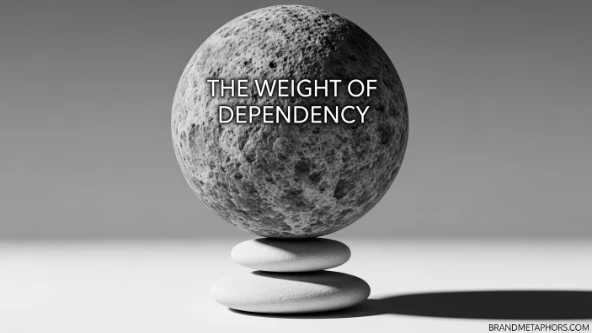
Few metaphors express helplessness more clearly than chains.
This comparison focuses on dependency and burden.
Meaning
Chains symbolize:
- captivity
- restriction
- emotional weight
- forced repetition
Example Sentence
“Every craving tightened the chains around his future.”
Alternative Expressions
- Carrying heavy shackles
- Bound by invisible ropes
- Dragging iron behind you
- Tied to destructive habits
Emotional Texture
This metaphor often feels:
- heavy
- exhausting
- sorrowful
- oppressive
Mini Storytelling Scene
A woman deletes dealer numbers every morning and searches for them again each night. The cycle feels like dragging chains uphill barefoot.
Writing Tip
Pair chain metaphors with movement imagery:
- stumbling
- dragging
- collapsing
- climbing
Movement creates emotional momentum.
Addiction as a Parasite Feeding on Life
Parasite metaphors are unsettling but powerful.
A parasite survives by draining its host. Addiction often operates similarly, consuming health, energy, finances, trust, and peace.
Meaning
This metaphor highlights:
- emotional draining
- gradual destruction
- dependency
- invasion
Example Sentence
“Addiction clung to him like a parasite feeding on every joyful moment.”
Alternative Ways to Phrase It
- Draining the spirit
- Feeding off pain
- Hollowing someone out
- Consuming from within
Emotional Impact
This metaphor feels deeply invasive. It suggests something unwelcome taking control.
Literary Tone
Parasite imagery works well in darker or reflective writing styles, especially in memoirs or emotional fiction.
Creative Exercise
Write two paragraphs:
- Describe addiction as a parasite.
- Describe recovery as healing the body afterward.
Compare the emotional tone between them.
The Roller Coaster Metaphor: Highs, Crashes, and Fear
Drug addiction often includes emotional extremes. That makes the roller coaster metaphor especially relatable.
Meaning
This comparison represents:
- temporary highs
- emotional crashes
- instability
- unpredictability
Example Sentence
“His addiction kept him strapped to a roller coaster that never truly stopped.”
Alternative Expressions
- Emotional freefall
- Sudden drops
- Endless loops
- Whiplash between hope and despair
Sensory Details
Imagine:
- rattling tracks
- screams
- dizzy heights
- stomach-dropping falls
These sensations mirror emotional chaos.
Real-Life Application
Many people in recovery describe the exhausting cycle of:
- temporary relief
- guilt
- cravings
- relapse
- regret
The roller coaster metaphor captures this repetitive intensity well.
Recovery Metaphors: Light After Darkness
Not all addiction metaphors must focus on suffering.
Recovery deserves powerful imagery too.
Common Recovery Metaphors
Recovery can be described as:
- sunrise after a long night
- rebuilding a broken house
- planting seeds in burned soil
- learning to breathe again
- climbing out of a valley
Example Sentence
“Recovery felt like opening the curtains after years spent in darkness.”
Why Hopeful Metaphors Matter
Hope-centered imagery:
- encourages healing
- inspires readers
- reduces stigma
- balances emotional weight
Mini Storytelling Example
After months in recovery, a father cooks breakfast while sunlight spills across the kitchen table. Ordinary moments suddenly feel sacred. The metaphorical storm has not vanished entirely, but the sky is finally clearing.
Writing Prompt
Complete this sentence five different ways:
“Recovery felt like…”
Try using nature, weather, architecture, or travel imagery.
How to Use Metaphors for Drug Addiction in Writing and Daily Life
Metaphors become most powerful when used intentionally.
In Creative Writing
Use metaphors to:
- deepen emotional scenes
- reveal internal conflict
- strengthen poetry
- create memorable dialogue
In Essays or Speeches
Metaphors help simplify complex emotional experiences for audiences.
For example:
“Addiction is not a moral failure. It is a storm many people struggle to survive.”
On Social Media
Short metaphorical phrases often create emotional impact.
Examples:
- “Recovery is learning to walk after years of drowning.”
- “Not every cage has bars.”
- “Healing begins where silence ends.”
In Personal Reflection
Journaling with metaphors can help process emotions safely.
Ask yourself:
- What shape does addiction take in my imagination?
- What does recovery look like?
- What colors, sounds, or places represent healing?
Bonus Tip
Avoid glorifying addiction with overly romantic imagery. Aim for honesty, empathy, and balance.
Creative Exercises for Practicing Addiction Metaphors
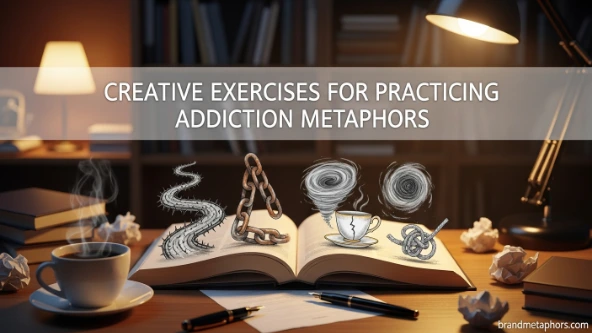
Exercise 1: Finish the Sentence
Complete these prompts:
- Addiction felt like…
- Recovery sounded like…
- Temptation looked like…
- Hope resembled…
Write without overthinking.
Exercise 2: Compare Opposites
Choose two contrasting metaphors:
- storm vs sunrise
- prison vs open road
- fire vs water
Explore how they change emotional meaning.
Exercise 3: Create a Character
Invent a fictional person struggling with addiction.
Describe their experience using only metaphorical language for one paragraph.
Exercise 4: Rewrite Plain Sentences
Plain sentence:
“She struggled with addiction.”
Metaphorical rewrite:
“She carried invisible chains that grew heavier every year.”
Practice transforming literal language into vivid imagery.
Common Mistakes When Using Addiction Metaphors
Metaphors are powerful, but careless use can weaken writing.
Avoid Overdramatic Language
Too many intense metaphors can feel exaggerated.
Balance emotion with realism.
Avoid Repetition
If every paragraph uses storms, readers may lose interest.
Mix imagery styles:
- nature
- architecture
- darkness
- travel
- sound
- seasons
Avoid Stigmatizing Comparisons
Some metaphors unintentionally shame people struggling with addiction.
Focus on compassion rather than judgment.
Keep Clarity First
A metaphor should illuminate meaning, not confuse readers.
If readers struggle to understand the comparison, simplify it.
FAQs About Metaphors for Drug Addiction
1. What is a metaphor for drug addiction?
A metaphor for drug addiction is a symbolic comparison that helps describe the emotional or psychological experience of addiction. Examples include prisons, storms, fires, monsters, or chains.
2. Why are metaphors important in addiction writing?
Metaphors help readers emotionally understand complex experiences. They create empathy, vivid imagery, and deeper emotional connection.
3. Can metaphors help in recovery?
Yes. Many people use metaphors during therapy, journaling, or recovery storytelling because symbolic language can make emotions easier to process and express.
4. What are some hopeful metaphors for recovery?
Common recovery metaphors include sunrise after darkness, rebuilding a house, healing wounds, planting seeds, or climbing out of a valley.
5. How can I create original metaphors about addiction?
Think about emotions connected to addiction, then compare those emotions to physical experiences like storms, cages, fires, or journeys. Focus on sensory details and emotional honesty.
Conclusion
Drug addiction is often difficult to describe directly. The emotions are tangled. The experiences are deeply personal. Sometimes ordinary words simply cannot hold the weight of what someone feels.
That is where metaphors become powerful.
A prison can symbolize emotional confinement. A storm can express chaos. A fire can reveal destruction. A maze can capture confusion. And a sunrise can remind us that recovery remains possible even after the darkest night.
Metaphors for drug addiction do more than decorate language. They build empathy. They transform silence into expression, help writers tell deeper stories and help readers feel less alone.
Whether you are writing poetry, creating content, journaling your thoughts, or simply trying to understand someone’s experience, metaphorical language can illuminate difficult truths with compassion and clarity.
Sometimes healing begins the moment pain finally finds the right words.