
Introduction: When the World Turns Golden
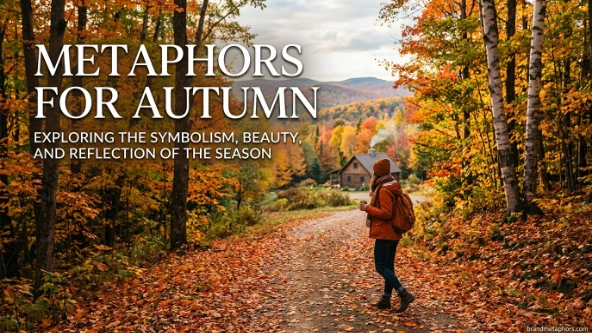
The first cool breeze arrives quietly. One morning, the trees no longer look fully green. A few amber leaves drift across the sidewalk like forgotten letters. The scent of smoke and cinnamon hangs in the air, and suddenly the world feels softer, slower, deeper. Autumn does not burst onto the scene the way summer does. It whispers its arrival.
That quiet transformation is exactly why writers, poets, and storytellers have always loved metaphors for autumn. Fall is more than a season. It represents change, maturity, endings, comfort, memory, and even hope. A single autumn metaphor can turn ordinary writing into something emotional and unforgettable.
Whether you are crafting poetry, improving your storytelling, writing Instagram captions, journaling, or simply trying to describe the feeling of fall, the right metaphor can make your words glow like October leaves in late sunlight.
In this article, you will explore powerful metaphors for autumn, creative comparisons, sensory descriptions, and imaginative writing ideas. You will also discover practical ways to use autumn metaphors in daily life, social media, fiction, and personal reflection. By the end, you will have a rich collection of expressions that capture the magic, melancholy, and beauty of the season.
Why Metaphors for Autumn Feel So Powerful
Autumn naturally invites symbolism. Unlike spring, which feels like a beginning, or summer, which radiates energy, autumn sits in the middle of transition. It carries both beauty and farewell at once.
That emotional complexity makes fall perfect for metaphorical language.
Writers often use autumn to symbolize:
- Aging and wisdom
- Letting go
- Transformation
- Reflection and nostalgia
- Preparation for change
- Quiet beauty
- Emotional warmth
When someone says, “Autumn is the earth’s final dance before sleep,” we immediately feel something deeper than a weather report. The metaphor paints emotion into the season.
Autumn metaphors also connect strongly to human experiences. We all understand change. We all experience moments of release, endings, and renewal. That is why fall imagery feels universal.
Autumn as a Golden Goodbye
One of the most common metaphors for autumn is the idea of a beautiful farewell.
Meaning and Explanation
Autumn represents the graceful ending of a cycle. Leaves do not simply die. They blaze with color before falling. This makes autumn a metaphor for endings filled with dignity and beauty.
Example Sentence
“Autumn was the year’s golden goodbye, waving softly from every tree.”
Alternative Expressions
- Nature’s farewell letter
- The sunset of the year
- A slow-burning goodbye
- The earth’s final bow
Sensory and Emotional Details
Imagine crimson leaves spinning through cool air while the smell of rain and woodsmoke drifts nearby. The scene feels peaceful instead of tragic.
Mini Storytelling Example
An elderly grandfather sits on a porch wrapped in a wool blanket, watching leaves fall into the yard he once filled with children’s laughter. Autumn becomes a mirror for memory and acceptance.
This metaphor works beautifully in reflective essays, poetry, and emotional storytelling.
Autumn as a Painter with a Burning Brush
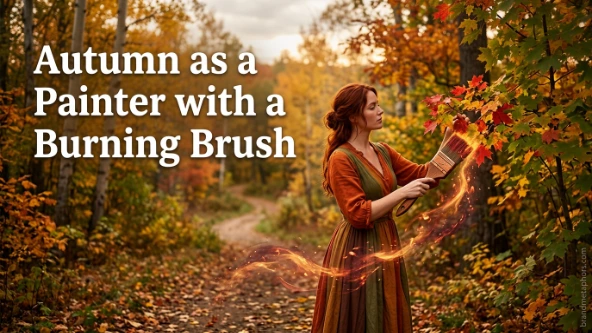
Fall transforms landscapes dramatically, making artistic metaphors especially effective.
Meaning and Explanation
This metaphor compares autumn to an artist painting forests with bold colors.
Example Sentence
“Autumn swept through the valley like a painter carrying a brush dipped in fire.”
Alternative Ways to Express It
- Autumn painted the hills in amber and gold
- The season splashed color across the trees
- Fall colored the world like a living canvas
Sensory Details
Picture orange maples glowing under pale sunlight while crunchy leaves crackle beneath your shoes.
Cultural Reference
Many classic painters, including the artists of the Romantic movement, used autumn landscapes to symbolize emotion, impermanence, and natural beauty.
This metaphor is perfect for descriptive writing and scenic storytelling.
Autumn as a Cozy Blanket
Not all autumn metaphors focus on endings. Some celebrate comfort and warmth.
Meaning and Explanation
This comparison highlights the emotional coziness associated with fall traditions like sweaters, tea, candles, and fireplaces.
Example Sentence
“Autumn wrapped the town in a soft blanket of cinnamon air and golden light.”
Alternative Expressions
- A sweater for the soul
- Nature’s comfort quilt
- The warm sigh before winter
Emotional Details
Autumn often creates feelings of safety and nostalgia. Even rainy afternoons feel intimate and calming.
Real-Life Example
Think about sitting near a window during a storm with a warm drink while leaves blow outside. The season feels protective instead of cold.
Writers often use this metaphor in lifestyle blogs, romantic fiction, and social media captions.
Metaphors for Autumn Leaves
Leaves are one of fall’s most iconic symbols. They offer endless metaphorical possibilities.
Leaves as Falling Memories
Meaning
Leaves drifting from trees resemble old memories floating away.
Example Sentence
“The leaves fell like forgotten memories slipping through time.”
Alternative Comparisons
- Paper memories in the wind
- Pieces of the past
- Nature’s scattered photographs
Emotional Layer
This metaphor works especially well when writing about nostalgia or personal growth.
Leaves as Flames
Meaning
Bright orange and red foliage resembles fire.
Example Sentence
“The trees burned with silent flames across the hillside.”
Alternative Phrases
- Forest fire without smoke
- Ember-colored branches
- Burning crowns of gold
Sensory Detail
Sunlight hitting red leaves can make entire streets appear glowing and alive.
Leaves as Letters from Nature
Meaning
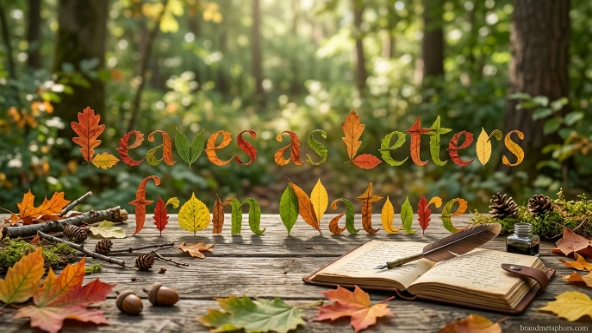
Each leaf becomes a message announcing change.
Example Sentence
“Autumn dropped letters of gold onto every doorstep.”
Creative Writing Prompt
Imagine each autumn leaf contains a secret message. What would the trees say before winter arrives?
This metaphor works beautifully in children’s stories and poetic writing.
Autumn as a Season of Wisdom
Many cultures associate autumn with maturity and reflection.
Meaning and Explanation
Spring symbolizes youth, while autumn often represents experience and wisdom gained through time.
Example Sentence
“She had entered the autumn of her life, calm and full of quiet understanding.”
Alternative Expressions
- The wise season
- Nature’s elder years
- The harvest of experience
Literary Reference
Poets frequently compare aging to autumn because both contain beauty mixed with change.
Emotional Tone
Unlike harsh metaphors about aging, autumn imagery feels respectful and graceful.
This metaphor is powerful in memoirs, speeches, and reflective essays.
Autumn as Nature’s Harvest Festival
Autumn is deeply connected to abundance and reward.
Meaning and Explanation
The season represents gathering the results of hard work, both physically and emotionally.
Example Sentence
“Autumn arrived like a farmer collecting the rewards of patience.”
Alternative Ways to Say It
- The season of gathering
- Nature’s reward ceremony
- The golden harvest of effort
Real-Life Connection
Farmers historically depended on autumn harvests for survival, which is why fall often symbolizes gratitude and completion.
Sensory Imagery
Think of apple orchards, pumpkins, warm pies, and baskets overflowing with crops.
This metaphor works wonderfully in motivational writing and personal development themes.
Creative Ways to Use Autumn Metaphors in Writing
Beautiful metaphors become even stronger when used intentionally.
Focus on Sensory Details
Do not only describe what autumn looks like. Include:
- Smells of cinnamon, rain, or smoke
- Sounds of crunching leaves
- Feelings of cool wind
- Warm textures like scarves or blankets
Example
“The wind tasted like apples and distant rain.”
That single sensory detail creates atmosphere immediately.
Mix Emotion with Nature
The best autumn metaphors connect external scenery to internal feelings.
Example
“The empty park mirrored her loneliness as leaves spun silently around her feet.”
Nature reflects emotion, making scenes more powerful.
Avoid Overused Phrases
Instead of repeating clichés like “fall is beautiful,” create fresh comparisons.
Better Alternatives
- “The trees wore crowns of rusted gold.”
- “October stitched copper into every branch.”
- “Autumn walked softly through the streets carrying cold perfume.”
Originality makes writing memorable.
3 Powerful Autumn Metaphor Examples with Deep Meaning
Here are three especially vivid metaphor ideas you can adapt creatively.
1. Autumn Is a Fading Song
Meaning
The season becomes music slowly coming to an end.
Example Sentence
“Autumn hummed like a fading song before winter’s silence.”
Why It Works
Music naturally carries emotion, memory, and rhythm. This metaphor feels melancholic yet beautiful.
Alternative Expressions
- The year’s final melody
- A violin fading into silence
- Nature’s closing chorus
2. Autumn Is a Lantern in the Dark
Meaning
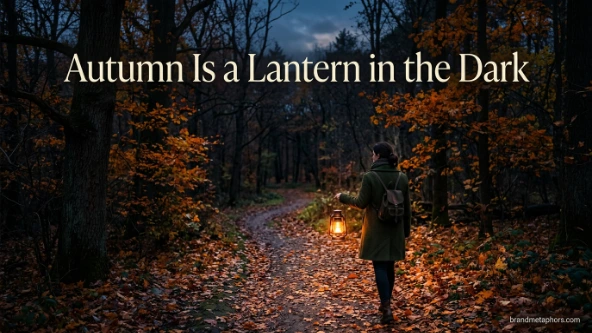
Fall brings warmth and light before winter’s coldness arrives.
Example Sentence
“Autumn glowed like a lantern against the coming dark.”
Emotional Detail
This metaphor emphasizes hope, comfort, and resilience.
Best Uses
- Inspirational writing
- Social media captions
- Cozy storytelling
3. Autumn Is a Bridge Between Worlds
Meaning
The season connects warmth and cold, growth and rest, life and stillness.
Example Sentence
“Autumn stood like a bridge between sunlight and snow.”
Why Readers Love It
Transition is deeply relatable. Everyone experiences moments between one chapter and another.
Writing Prompt
Describe a moment in your life that felt like autumn. What were you leaving behind? What waited ahead?
Interactive Exercises to Practice Autumn Metaphors
Creativity grows stronger through practice.
Exercise 1: Finish the Metaphor
Complete these sentences in your own way:
- “Autumn drifted through the city like…”
- “The leaves fell as softly as…”
- “October felt like…”
Try to avoid predictable answers.
Exercise 2: Use All Five Senses
Write one sentence for each sense:
- What does autumn smell like?
- What does it sound like?
- What textures define it?
- What colors dominate it?
- What flavors remind you of fall?
This improves descriptive writing quickly.
Exercise 3: Turn Emotions into Autumn Images
Match emotions with fall imagery.
Examples:
- Loneliness = empty branches
- Hope = golden sunrise through fog
- Peace = smoke curling from chimneys
This technique strengthens poetry and fiction.
Autumn Metaphors in Poetry and Literature
Autumn has inspired writers for centuries.
Poets often use fall to explore mortality, beauty, and time.
Famous Literary Themes
- Falling leaves representing mortality
- Harvest symbolizing achievement
- Bare trees reflecting vulnerability
- Migration symbolizing change
Example of Poetic Style
“The woods whispered their final prayers beneath the amber sky.”
Even simple imagery becomes emotional when connected to autumn.
Why Literature Loves Fall
Autumn contains contrast:
- Beauty and decay
- Warmth and cold
- Life and ending
Those tensions create emotional richness.
Using Autumn Metaphors for Social Media Captions

Fall captions become more engaging with metaphorical language.
Caption Ideas
- “Autumn is poetry written in leaves.”
- “October wrapped the world in gold.”
- “Sweater weather feels like a hug from the season itself.”
- “The trees are telling stories in color.”
Bonus Tip
Combine metaphors with sensory words for stronger engagement.
Example: “Crisp wind, cinnamon skies, and trees glowing like fire.”
This style performs well on Instagram, Pinterest, and lifestyle blogs.
Bonus Tips for Creating Original Metaphors for Autumn
Great metaphors often come from observation.
Watch Small Details
Notice:
- The sound of leaves scraping pavement
- Fog moving through fields
- Steam rising from coffee in cold air
Tiny details create vivid imagery.
Combine Unrelated Ideas
Unexpected comparisons feel fresh.
Examples:
- “Autumn was a librarian quietly closing the year’s final chapters.”
- “The forest looked like a cathedral built from fire.”
Unique combinations make readers pause.
Use Personal Memories
Your experiences make metaphors authentic.
Maybe autumn reminds you of:
- School mornings
- Family dinners
- Rain against windows
- Long walks at sunset
Personal imagery creates emotional depth.
Frequently Asked Questions About Metaphors for Autumn
1. What is a metaphor for autumn?
A metaphor for autumn is a figurative comparison that gives deeper meaning to the season. Examples include “Autumn is a golden goodbye” or “Fall is nature’s fading song.”
2. Why is autumn often used symbolically?
Autumn symbolizes change, maturity, endings, reflection, and preparation because it represents transition between vibrant summer and quiet winter.
3. How can I create my own autumn metaphors?
Observe sensory details, connect emotions to nature, and compare autumn to unexpected ideas like music, fire, letters, or memories.
4. What are good autumn metaphors for poetry?
Popular poetic metaphors include:
- Leaves as flames
- Autumn as a bridge
- Fall as a fading melody
- Trees wearing crowns of gold
These create emotional and visual depth.
5. Can autumn metaphors improve creative writing?
Yes. Strong metaphors make writing more vivid, emotional, memorable, and engaging. They help readers feel scenes instead of simply reading descriptions.
Conclusion
Autumn teaches us that change can be beautiful. The season does not cling desperately to what was. Instead, it transforms boldly, turning ordinary landscapes into glowing masterpieces before resting quietly for winter.
That is why metaphors for autumn resonate so deeply. They help us express emotions that are difficult to explain directly. Through falling leaves, fading sunlight, harvest fields, and cool evening winds, we discover symbols for memory, growth, transition, comfort, and hope.
Whether you are writing poetry, creating social media captions, crafting fiction, or simply reflecting on your own life, autumn metaphors can bring warmth and richness to your words. The next time you walk beneath trees painted in gold and crimson, pause for a moment. Listen to the leaves. There may be a metaphor waiting there for you.