

The roar of a crowd. The squeak of shoes on a polished court. The sharp crack of a bat meeting a ball. Sports are full of movement, energy, and emotion. Yet their influence reaches far beyond stadiums and scoreboards. We often use sports language to describe life itself. A difficult project becomes an uphill climb. A fresh opportunity becomes a new game. A challenge becomes a race against time.
This is where metaphors become powerful. They help us understand complex ideas through familiar images. Sports metaphors are especially effective because they connect with competition, teamwork, discipline, victory, and resilience. They paint vivid pictures that readers instantly understand.
Whether you are a writer, student, speaker, marketer, or simply someone who loves expressive language, sports-inspired comparisons can make your communication more memorable. They add excitement, clarity, and emotion to everyday conversations and creative writing.
In this guide, you’ll explore meaningful sports metaphors, learn how to use them effectively, discover creative examples, and practice crafting your own. By the end, you’ll see how the world of athletics can become a rich source of inspiration for storytelling and self-expression.
Understanding Sports Metaphors
What Are Sports Metaphors?
A sports metaphor compares a person, situation, or experience to a sporting event without using words such as “like” or “as.”
Instead of saying someone works hard, you might say:
“She is running a marathon, not a sprint.”
This comparison instantly conveys endurance, patience, and long-term effort.
Sports metaphors help readers visualize concepts. They turn abstract ideas into memorable images.
Why They Matter
These metaphors:
- Create strong mental pictures
- Make writing more engaging
- Add emotional impact
- Connect with broad audiences
- Simplify complex ideas
Because sports involve goals, rules, setbacks, and triumphs, they naturally mirror many parts of life.
Sports as the Game of Life
Meaning and Symbolism
One of the oldest and most common sports metaphors is viewing life as a game.
Life contains winners and losers, strategies and mistakes, opportunities and risks. Like athletes, people prepare, compete, adapt, and grow.
Example Scenario
Imagine a college graduate entering the workforce.
The graduate studies the field, develops skills, and searches for opportunities.
In metaphorical language:
“Life handed her a new game, and she stepped onto the field ready to play.”
Alternative Expressions
- Life is a playing field
- Life is a tournament
- Life is a championship season
- Life is a competitive arena
Emotional Impact
This metaphor inspires action. It reminds people that participation matters as much as victory.
Success as Crossing the Finish Line
Meaning and Explanation
Races provide powerful imagery for achievement.
A finish line represents a goal reached after effort and persistence.
When people complete major milestones, they often describe the experience through racing metaphors.
Example Sentence
“After years of study, graduating felt like crossing the finish line.”
Mini Storytelling Example
A young entrepreneur spends years building a business.
There are setbacks, sleepless nights, and financial worries.
Then one day, the company becomes profitable.
That moment feels less like earning money and more like seeing a finish line appear after miles of struggle.
Alternative Ways to Express It
- Reaching the final lap
- Completing the race
- Breaking the tape
- Finishing strong
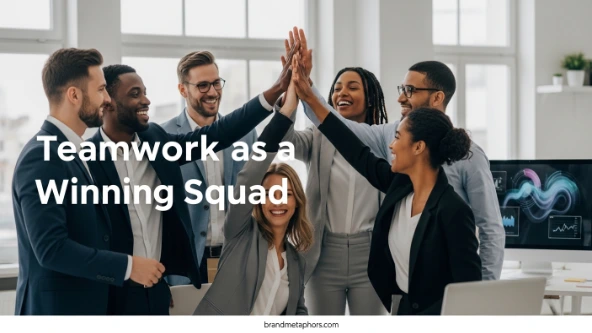
Teamwork as a Winning Squad
Meaning and Importance
Few sports succeed through individual effort alone.
Basketball, soccer, football, and volleyball all depend on cooperation.
This makes team-based metaphors ideal for discussing collaboration.
Example Sentence
“Our department became a championship team once everyone shared responsibility.”
Cultural Connection
Great teams often become symbols of unity.
From local school teams to international competitions, people admire groups that work together toward a common goal.
Alternative Expressions
- A well-oiled team
- A winning lineup
- An all-star crew
- A championship squad
Sensory Detail
Imagine teammates exchanging quick glances before executing a perfect play. That silent understanding captures the essence of teamwork.
Challenges as Uphill Climbs
Meaning and Symbolism
Athletes often face steep hills during training.
These climbs require strength, endurance, and determination.
As a metaphor, an uphill climb represents difficult circumstances.
Example Sentence
“Starting a business during a recession was an uphill climb.”
Real-Life Example
Learning a new language can feel overwhelming.
New vocabulary, unfamiliar grammar, and pronunciation challenges create obstacles.
Yet each lesson moves you closer to the summit.
Alternative Expressions
- Climbing the mountain
- Facing a steep hill
- Grinding through the course
- Tackling difficult terrain
Resilience as Getting Back in the Game
Meaning and Explanation
Athletes lose games, suffer injuries, and make mistakes.
What defines them is often their ability to return stronger.
This makes “getting back in the game” a powerful metaphor for resilience.
Example Sentence
“After losing her job, she got back in the game by learning new skills.”
Mini Story
A writer receives multiple rejection letters.
Disappointed but determined, he continues writing.
Months later, a publisher accepts his manuscript.
His comeback mirrors an athlete returning after defeat.
Alternative Expressions
- Making a comeback
- Returning to the field
- Entering the match again
- Rejoining the competition
Opportunity as a Home Run
Meaning and Symbolism
In baseball, a home run is a major success.
In everyday language, it symbolizes a great opportunity or achievement.
Example Sentence
“That partnership was a home run for the company.”
Why It Works
People immediately associate home runs with excitement, celebration, and exceptional performance.
Alternative Expressions
- Hitting it out of the park
- Scoring big
- Landing a winner
- Delivering a game-changing play
Emotional Detail
The crowd rises. The ball soars. The excitement explodes. That’s the emotional power this metaphor carries.
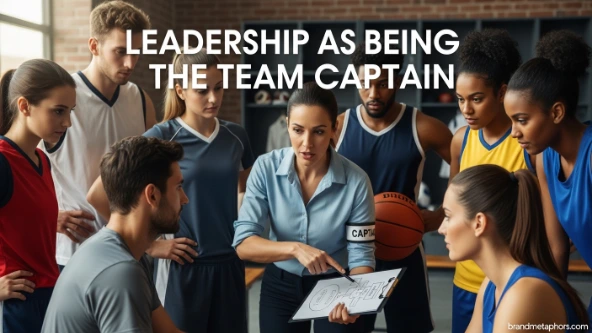
Leadership as Being the Team Captain
Meaning and Explanation
Captains guide, motivate, and support teammates.
This role makes an excellent metaphor for leadership.
Example Sentence
“She became the captain of the project during a difficult transition.”
Leadership Lessons
Captains:
- Communicate clearly
- Encourage others
- Stay calm under pressure
- Lead by example
Alternative Expressions
- Steering the team
- Calling the plays
- Leading the lineup
- Guiding the squad
Preparation as Training for the Big Match
Meaning and Importance
Athletes spend countless hours preparing for important events.
Likewise, success in life often depends on preparation.
Example Sentence
“The interview wasn’t the game; it was the championship match after weeks of training.”
Real-Life Example
A student studies consistently for months before final exams.
The exam day becomes the big match.
Alternative Expressions
- Training camp
- Practice session
- Conditioning phase
- Pre-game preparation
Sensory Detail
Early morning alarms, tired muscles, and repeated drills all symbolize commitment and readiness.
Competition as a Race Against Time
Meaning and Explanation
Many situations involve deadlines and urgency.
Sports races provide an ideal metaphor for these moments.
Example Sentence
“Launching the product became a race against time.”
Why This Metaphor Works
Time is invisible.
A race makes urgency visible and easy to understand.
Alternative Expressions
- Sprinting toward a deadline
- Racing the clock
- Final lap pressure
- Beating the buzzer
Mini Storytelling Example
A team works late nights before a product launch.
Every hour counts.
The experience feels exactly like athletes pushing through the final moments of a close race.
Personal Growth as Becoming a Champion
Meaning and Symbolism
Champions are not born overnight.
They develop through discipline, practice, and perseverance.
This makes championship imagery ideal for discussing self-improvement.
Example Sentence
“Every healthy habit helped him become a champion of his own life.”
Lessons from the Champion Metaphor
Growth requires:
- Patience
- Consistency
- Learning from mistakes
- Mental toughness
Alternative Expressions
- Reaching elite status
- Becoming a winner
- Earning the title
- Standing on the podium
Emotional Impact
This metaphor creates feelings of pride, confidence, and achievement.
How to Create Powerful Sports Metaphors
Start With a Clear Emotion
Ask yourself:
- Is the situation exciting?
- Is it difficult?
- Is it competitive?
- Is it collaborative?
Choose a sport that reflects that emotion.
Match the Sport to the Message
Examples:
- Marathon = endurance
- Boxing = conflict
- Soccer = teamwork
- Racing = urgency
- Baseball = opportunity
Keep It Simple
The strongest metaphors are easy to understand.
Avoid overly complex comparisons.
Make It Visual
Readers should immediately see the image in their minds.
Vivid imagery creates stronger engagement.
Interactive Exercises for Practicing Sports Metaphors
Exercise 1: Rewrite Everyday Situations
Turn these situations into sports metaphors:
- Starting a new job
- Learning a skill
- Moving to a new city
- Saving money
Try creating three different comparisons for each.
Exercise 2: Finish the Sentence
Complete these prompts:
- My biggest goal is a ______.
- This challenge feels like ______.
- Success looks like ______.
- My team is ______.
Exercise 3: Story Challenge
Write a short paragraph about a difficult experience.
Describe it entirely through sports imagery.
Use:
- One race metaphor
- One teamwork metaphor
- One victory metaphor
Bonus Tips for Writing and Social Media

Use Sports Metaphors in Blog Posts
They make articles:
- More relatable
- More memorable
- Easier to visualize
Improve Social Media Captions
Examples:
“New week. New game. Time to bring your best.”
“Every setback is halftime, not the final whistle.”
Strengthen Speeches
Sports imagery creates emotional connections and helps audiences remember key messages.
Enhance Storytelling
Characters become more dynamic when their struggles and victories are framed through athletic imagery.
Conclusion
Sports metaphors do more than decorate language. They transform ordinary ideas into vivid experiences. Whether life feels like a marathon, a championship game, an uphill climb, or a race against time, athletic imagery helps readers connect with emotions, challenges, and achievements in meaningful ways.
These comparisons resonate because sports reflect universal experiences. Everyone understands effort, teamwork, setbacks, and triumphs. By weaving these images into your writing, speaking, and daily communication, you create stronger connections and more memorable messages.
The next time you face a challenge, think of it as a game still being played. The final whistle has not blown, the finish line may be closer than it seems, and every step forward brings you nearer to victory.
FAQs
What are sports metaphors?
Sports metaphors compare life situations, emotions, or experiences to athletic events without using “like” or “as.” They create vivid and memorable imagery.
Why are sports metaphors effective in writing?
They make ideas easier to understand, create emotional connections, and help readers visualize concepts quickly.
Can sports metaphors be used in professional communication?
Yes. They are commonly used in business, leadership, education, marketing, and motivational speaking.
What is an example of a sports metaphor?
“She is running a marathon, not a sprint” is a sports metaphor that represents patience and long-term effort.
How can I create my own sports metaphors?
Identify the emotion or situation you want to describe, choose a sport that reflects it, and connect the two through clear and vivid imagery.