
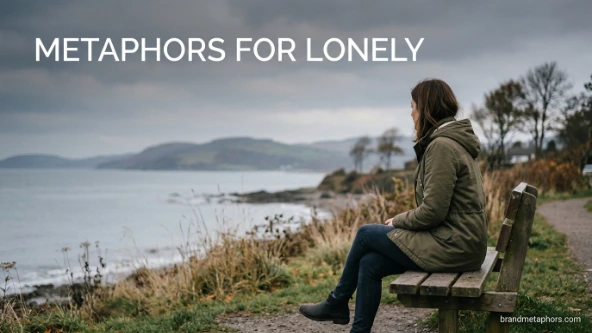
Loneliness has a sound. It can be the ticking of a clock in a quiet room, the distant hum of traffic outside a window, or the echo of your own footsteps in an empty hallway. Almost everyone experiences loneliness at some point. It arrives unexpectedly, sits beside us in crowded places, and sometimes lingers longer than we wish.
Because loneliness is such a deep emotion, writers, poets, speakers, and everyday people often use metaphors to describe it. A metaphor helps transform an invisible feeling into something we can see, touch, hear, or imagine. It gives shape to emotions that are otherwise difficult to explain.
Whether you are a student, writer, content creator, teacher, or simply someone looking for the right words, understanding metaphors for loneliness can enrich your communication. These comparisons add color, depth, and emotional power to writing and conversation.
In this guide, you’ll discover vivid metaphorical expressions, practical examples, creative exercises, and useful tips to help you describe solitude in memorable ways.
Why Metaphors for Lonely Matter
Understanding Emotional Language
Loneliness is abstract. Unlike a tree or a river, it cannot be physically seen. Metaphors bridge that gap by turning feelings into images.
For example, saying “I felt lonely” communicates information. Saying “I felt like a lighthouse standing alone in a storm” creates an emotional experience.
Metaphors help readers:
- Visualize emotions
- Connect with experiences
- Remember messages
- Create stronger stories
They make writing more powerful and relatable.
The Empty House Metaphor
Loneliness as an Abandoned Home
One of the most common ways to describe loneliness is through the image of an empty house.
An abandoned house suggests silence, stillness, and absence. Rooms once filled with life now sit untouched.
Meaning:
The metaphor represents emotional emptiness and a lack of connection.
Example Sentence:
“My heart was an empty house where laughter no longer lived.”
Alternative Expressions:
- A deserted mansion
- A vacant apartment
- An abandoned cabin
Sensory Details:
Imagine creaking floorboards, dusty windows, and quiet hallways. These details deepen the emotional impact.
Mini Story Example
After moving to a new city, Emma spent evenings alone. Every night felt like wandering through an empty house, opening doors and finding no familiar faces behind them.
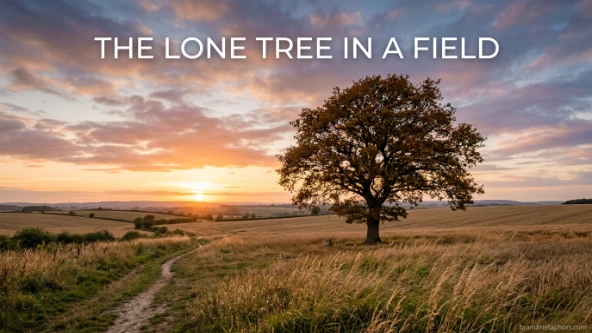
The Lone Tree in a Field
Standing Alone Against the World
A solitary tree growing in a vast field creates a powerful image.
Meaning:
This metaphor suggests isolation while also hinting at resilience and strength.
Example Sentence:
“He stood among strangers like a lone tree in an endless field.”
Alternative Expressions:
- A single flower in a desert
- A mountain standing alone
- One star in the night sky
Emotional Impact:
This comparison often conveys both sadness and quiet dignity.
Literary Connection
Nature imagery has long appeared in poetry. Many poets use solitary trees to symbolize emotional distance and human isolation.
The Lighthouse Without Ships
Waiting for Connection
A lighthouse exists to guide ships. Without ships, it serves its purpose but receives no visitors.
Meaning:
This metaphor captures the feeling of wanting companionship but not finding it.
Example Sentence:
“I felt like a lighthouse shining into darkness with no ships in sight.”
Alternative Expressions:
- A radio with no signal
- A bell no one hears
- A letter never opened
Real-Life Example
Someone who reaches out repeatedly to friends without receiving responses may relate strongly to this image.
The Desert of Silence
When Loneliness Feels Endless
Deserts stretch far beyond the horizon. They can symbolize emotional distance and isolation.
Meaning:
The metaphor suggests a prolonged period without meaningful connection.
Example Sentence:
“After the breakup, she wandered through a desert of silence.”
Alternative Expressions:
- A frozen wasteland
- An endless road
- A barren landscape
Cultural Reference
Throughout literature and mythology, deserts often represent emotional and spiritual challenges.
The image remains powerful because many people understand the feeling of being emotionally stranded.
The Last Star in the Sky
Feeling Different and Isolated
Imagine being the final star visible before dawn.
Meaning:
This metaphor reflects uniqueness, separation, and vulnerability.
Example Sentence:
“He felt like the last star in the sky after all his friends moved away.”
Alternative Expressions:
- The final leaf on a branch
- The last candle burning
- The final note of a song
Emotional Details
This comparison carries both beauty and sadness. It suggests isolation without complete hopelessness.
The Island in a Vast Ocean
Separation from Others
Perhaps one of the most famous loneliness metaphors is an island surrounded by water.
Meaning:
The island represents a person disconnected from others.
Example Sentence:
“During the pandemic, many people felt like islands in a vast ocean.”
Alternative Expressions:
- A boat adrift at sea
- A remote shore
- A distant planet
Mini Story
An elderly man living alone spent days without conversation. Though surrounded by millions of people in the city, he felt like an island drifting farther away from the mainland.
The Echo in an Empty Cave
Speaking Without Being Heard
An echo repeats words but offers no real conversation.
Meaning:
This metaphor captures one-sided communication and emotional disconnection.
Example Sentence:
“My thoughts echoed through my mind like voices in an empty cave.”
Alternative Expressions:
- A conversation with shadows
- A song without listeners
- A whisper in the wind
Writing Tip
This metaphor works especially well in reflective essays and emotional storytelling.
The Unopened Letter

Longing for Attention
A letter contains thoughts, feelings, and messages. When unopened, it remains unseen.
Meaning:
The metaphor symbolizes feeling ignored or overlooked.
Example Sentence:
“She felt like an unopened letter sitting forgotten on a shelf.”
Alternative Expressions:
- An unread book
- A locked diary
- A hidden painting
Why It Works
Most people understand the disappointment of being ignored, making this metaphor highly relatable.
The Winter Without Snow
Emptiness Where Something Should Be
Winter is often associated with snow. A snowless winter can feel incomplete.
Meaning:
This metaphor suggests missing companionship or emotional warmth.
Example Sentence:
“Without his family nearby, the holidays felt like a winter without snow.”
Alternative Expressions:
- A song without music
- A garden without flowers
- A sky without clouds
Emotional Layer
The image emphasizes absence rather than total isolation, making it subtle and powerful.
Creative Ways to Use Metaphors for Lonely
In Fiction Writing
Characters become more memorable when emotions are shown through imagery.
Instead of:
“Sarah felt lonely.”
Try:
“Sarah drifted through the crowd like an island surrounded by moving waves.”
In Poetry
Metaphors create rhythm and emotional depth.
Example:
“My heart became a lighthouse, waiting through storms, searching for distant sails.”
In Social Media
Short metaphors can make posts more engaging.
Examples:
- “Feeling like the last star before sunrise.”
- “Today feels like an empty house.”
- “Just a lighthouse waiting for ships.”
Interactive Exercises to Practice Loneliness Metaphors
Exercise 1: Complete the Comparison
Finish these sentences:
- My loneliness felt like __________.
- I walked through the day like __________.
- My thoughts echoed like __________.
Exercise 2: Nature Challenge
Choose one object from nature:
- Tree
- River
- Cloud
- Mountain
- Star
Describe loneliness using that object.
Exercise 3: Story Creation
Write five sentences about a lonely character.
Use at least three metaphors from this article.
Exercise 4: Emotional Journal
Think about a time you felt isolated.
Ask yourself:
- What did it look like?
- What did it sound like?
- What object best represents it?
Turn those answers into a metaphor.
Bonus Tips for Writers and Content Creators

Use Specific Images
Strong metaphors rely on vivid imagery.
Instead of:
“Loneliness was difficult.”
Try:
“Loneliness was a train station after midnight.”
Avoid Overused Comparisons
Create fresh images whenever possible.
Examples:
- A phone with no notifications
- A stage after the audience leaves
- A kite without wind
Match Tone and Audience
A poetic metaphor may suit a novel, while a simple comparison works better in social media posts.
Blend Senses
Combine sight, sound, and touch.
Example:
“Loneliness wrapped around him like a cold fog muffling every sound.”
Keep It Relatable
The best metaphors connect with experiences people already understand.
Conclusion
Loneliness is one of humanity’s most universal emotions, yet it can be difficult to describe. Metaphors provide a bridge between feelings and language, transforming invisible emotions into vivid images. Whether loneliness becomes an empty house, a lighthouse without ships, a lone tree in a field, or an island in a vast ocean, these comparisons help readers see and feel what words alone may struggle to express.
By exploring these metaphorical images, practicing creative exercises, and applying the bonus writing tips, you can develop richer, more memorable descriptions. The next time you need to express solitude, remember that the right metaphor can turn a simple sentence into a powerful emotional experience.
FAQs
What is a metaphor for loneliness?
A metaphor for loneliness is a comparison that describes feeling isolated through imagery, such as an island in the ocean or an empty house.
Why do writers use loneliness metaphors?
Writers use them to create emotional depth, help readers visualize feelings, and make descriptions more memorable.
What is the most common metaphor for being lonely?
The island metaphor is among the most common because it clearly represents separation and isolation.
Can loneliness metaphors be positive?
Yes. Some metaphors, such as a lone tree or a lighthouse, suggest strength, resilience, and self-discovery alongside isolation.
How can I create my own loneliness metaphor?
Think about an object, place, or experience that reflects how loneliness feels to you. Then compare your emotion to that image using vivid sensory details.