
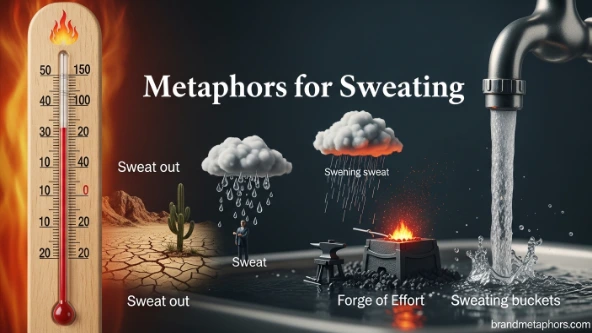
Sweat dripped from the runner’s forehead like tiny beads of silver sliding down a windowpane. The summer sun blazed overhead, turning the air into a shimmering blanket of heat. Across the field, athletes pushed forward, workers wiped their brows, and nervous speakers backstage felt moisture gathering in their palms. Sweating is a universal human experience. It appears during hard work, intense exercise, stressful moments, and scorching weather.
Yet writers rarely want to say “he was sweating” over and over again. Repetition can make descriptions feel dull. This is where metaphors become powerful. They transform an ordinary physical reaction into vivid imagery that readers can see, feel, and remember.
Metaphors for sweating can help writers describe effort, anxiety, determination, fear, heat, or excitement in creative ways. They add emotion, color, and movement to storytelling. Whether you are writing fiction, poetry, social media captions, speeches, or personal reflections, these figurative expressions can make your words more engaging.
In this guide, you’ll discover creative ways to describe perspiration, learn how to use them effectively, explore examples, and practice building your own memorable comparisons.
What Are Metaphors for Sweating?
Understanding Figurative Descriptions of Sweat
A metaphor compares one thing to another without using “like” or “as.” Instead of simply stating that someone is sweating, a metaphor turns sweat into something more vivid and meaningful.
For example:
“His forehead was a leaking faucet.”
The person is not literally a faucet. The comparison creates a clear picture of sweat flowing continuously.
Metaphors help readers:
- Visualize scenes more clearly
- Feel emotional intensity
- Connect with characters
- Remember descriptions longer
When used well, they turn simple moments into memorable ones.
Why Writers Use Metaphors for Sweating
Adding Emotion and Depth
Sweating often represents more than physical moisture. It can symbolize:
- Hard work
- Anxiety
- Fear
- Pressure
- Determination
- Heat
- Excitement
Consider these examples:
- A boxer sweating before a fight.
- A student sweating during an exam.
- A worker sweating through a long day.
- A performer sweating before stepping on stage.
Each situation carries different emotions. Metaphors allow writers to capture those feelings.
A single creative comparison can reveal more than several plain sentences.
Sweat as a River
A Flowing Symbol of Effort
One popular metaphor describes sweat as a river.
Meaning: Continuous perspiration caused by effort, heat, or stress.
Example Sentence:
“A river ran down his face as he carried bricks beneath the afternoon sun.”
Alternative Expressions:
- Streams of determination
- A flowing current
- Cascading trails
Sensory Details:
Readers can almost feel the warm droplets moving down skin.
Mini Story Example
Imagine a farmer harvesting crops during a heat wave. The sun hangs overhead like molten gold. Sweat becomes a river carving paths through dust on his face. The image instantly communicates exhaustion and persistence.
This metaphor works especially well in stories about hard work and endurance.
Sweat as a Leaking Faucet
Showing Constant Perspiration
This metaphor emphasizes steady and uncontrollable sweating.
Meaning: Sweat pouring out continuously.
Example Sentence:
“His forehead became a leaking faucet during the championship game.”
Alternative Expressions:
- A broken pipe
- A dripping tap
- A faulty valve
Emotional Effect
This image often creates humor or exaggeration. It is useful when describing awkward situations, public speaking, or nervousness.
Readers immediately picture droplets falling again and again.
Writing Tip
Use this metaphor in lighthearted scenes where a character’s discomfort is obvious and relatable.
Sweat as Liquid Courage
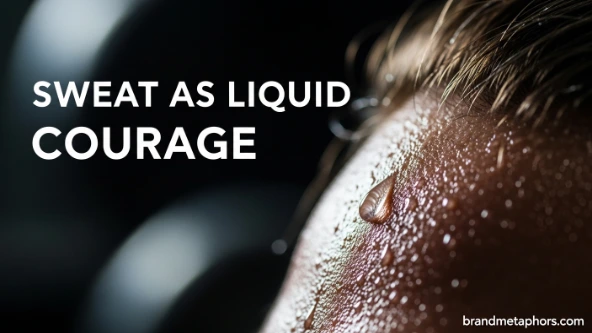
Turning Perspiration into Determination
Not all sweat symbolizes discomfort. Sometimes it represents bravery.
Meaning: Sweat produced while facing challenges.
Example Sentence:
“Every drop of sweat was liquid courage as she climbed the mountain.”
Alternative Expressions:
- Drops of determination
- Evidence of resilience
- Pearls of persistence
Real-Life Connection
Athletes, firefighters, soldiers, and performers often experience sweat while overcoming fear. In these situations, perspiration becomes a badge of honor rather than a sign of weakness.
This metaphor inspires readers because it links physical effort to personal growth.
Sweat as Pearls
Creating Elegant Imagery
Many writers compare sweat droplets to pearls.
Meaning: Small, shining drops of perspiration.
Example Sentence:
“Pearls decorated her forehead after the long dance rehearsal.”
Alternative Expressions:
- Tiny jewels
- Crystal beads
- Shimmering gems
Literary Appeal
This metaphor appears in poetry and descriptive prose because it transforms something ordinary into something beautiful.
A writer might describe a dancer, athlete, or laborer using this image to highlight grace within effort.
Cultural Reflection
Throughout history, pearls have symbolized value and beauty. Comparing sweat to pearls suggests that hard work itself is valuable.
Sweat as a Storm
Capturing Intense Physical or Emotional Pressure
Sometimes sweat arrives suddenly and heavily.
Meaning: Overwhelming perspiration caused by stress or exertion.
Example Sentence:
“A storm broke across his brow during the difficult interview.”
Alternative Expressions:
- A weather front of nerves
- A personal thunderstorm
- A downpour of tension
Storytelling Example
Picture a young musician standing before a huge audience. The lights blaze. The crowd waits. Sweat gathers quickly.
Describing it as a storm helps readers feel the pressure and anticipation.
This metaphor is especially effective in dramatic scenes.
How Metaphors for Sweating Improve Creative Writing
Making Scenes More Memorable
Strong imagery helps readers stay immersed in a story.
Compare:
Plain Description:
“He was sweating a lot.”
Metaphorical Description:
“Rivers escaped his forehead and raced down his neck.”
The second version creates movement, texture, and emotion.
Benefits include:
- Better visualization
- Stronger emotional connection
- Richer storytelling
- More engaging language
Creative descriptions help readers remember scenes long after finishing them.
Using Sweat Metaphors in Social Media and Everyday Speech
Bringing Life to Casual Communication
Metaphors are not limited to novels and poems.
They can enhance:
- Social media posts
- Speeches
- Conversations
- Presentations
- Blogs
Examples:
“After leg day, I was basically a walking waterfall.”
“My palms turned into tiny rivers before the interview.”
“That presentation had me sweating oceans.”
These expressions add personality and humor.
Bonus Tip
Use playful metaphors on social media to make captions more relatable and memorable.
Readers often engage more with vivid language than plain descriptions.
Interactive Practice Exercises

Create Your Own Sweat Metaphors
Try these creative exercises.
Exercise 1: Finish the Sentence
Complete the metaphor:
“His forehead was a __________.”
Possible answers:
- Waterfall
- Fountain
- Rain cloud
- Riverbank
Exercise 2: Match the Emotion
Choose a metaphor for each feeling:
- Nervousness
- Hard work
- Fear
- Excitement
Example:
“A storm gathered across her forehead.”
Which emotion does it best represent?
Exercise 3: Rewrite Plain Sentences
Original:
“She was sweating during the race.”
Creative Version:
“Liquid determination flowed from her brow.”
Practice transforming ordinary descriptions into memorable imagery.
Tips for Creating Original Metaphors for Sweating
Building Strong Comparisons
Creating fresh metaphors is easier than many writers think.
Look at Movement
Ask yourself:
How does sweat move?
Possible answers:
- Flowing river
- Rolling marbles
- Falling rain
- Trickling stream
Focus on Appearance
What does sweat resemble?
Ideas:
- Pearls
- Crystals
- Diamonds
- Glass beads
Think About Emotion
What feeling causes the sweat?
Examples:
- Fear becomes a storm.
- Effort becomes fuel.
- Anxiety becomes an ocean.
- Courage becomes liquid determination.
Keep It Relevant
Match the metaphor to the scene.
A dramatic metaphor suits a tense moment. A humorous metaphor works better in a casual situation.
Common Mistakes When Using Sweat Metaphors
Keeping Descriptions Effective
Even creative language can become distracting when overused.
Avoid:
Overcomplicated Comparisons
Readers should understand the image immediately.
Weak Example:
“His sweat resembled an intergalactic fluid migration system.”
Stronger Example:
“His forehead became a waterfall.”
Mixed Metaphors
Stay consistent.
Confusing Example:
“A river of sweat exploded like fireworks across his desert forehead.”
Too many competing images can distract readers.
Excessive Repetition
Using the same metaphor repeatedly reduces its impact.
Rotate between different images to keep writing fresh.
The Power of Sweat Imagery in Storytelling
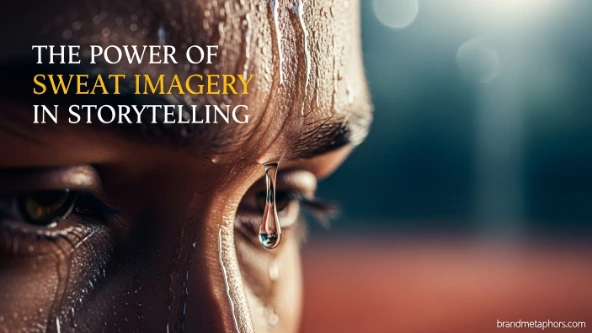
Turning Ordinary Moments into Memorable Scenes
Sweating may seem like a simple bodily function, but it reveals powerful human experiences. It appears during moments of effort, fear, passion, determination, and triumph.
A boxer preparing for a title fight.
A student waiting for exam results.
A parent rushing to help a child.
A performer stepping onto a stage.
In each case, sweat tells a story.
Metaphors transform those droplets into rivers, storms, pearls, fountains, and symbols of courage. They help readers experience emotions instead of merely observing them.
The next time you write about perspiration, look beyond the physical act. Ask what the sweat represents. Is it fear? Hope? Hard work? Excitement?
The answer can lead to imagery that feels vivid, meaningful, and unforgettable.
Conclusion
Metaphors for sweating bring life to writing by transforming an everyday experience into vivid imagery. Whether sweat becomes a river, a storm, a leaking faucet, liquid courage, or a collection of shining pearls, these comparisons help readers feel the emotion behind the moment. They add depth to stories, strengthen descriptions, and make ordinary scenes memorable. By practicing creative comparisons and matching metaphors to the right emotions, writers can turn simple perspiration into powerful storytelling. The next time you describe someone sweating, think beyond the droplets and discover the story hidden inside them.
FAQs
What is a metaphor for sweating?
A metaphor for sweating is a figurative comparison that describes perspiration as something else, such as a river, storm, waterfall, or pearls, to create vivid imagery.
Why are metaphors for sweating useful in writing?
They help readers visualize scenes, connect with emotions, and engage more deeply with characters and stories.
What emotions can sweat metaphors represent?
They can symbolize fear, anxiety, determination, excitement, hard work, pressure, or courage depending on the context.
Can sweat metaphors be used outside creative writing?
Yes. They work well in speeches, blogs, social media posts, presentations, and everyday conversation.
How can I create my own metaphor for sweating?
Observe how sweat looks, moves, and feels. Then compare it to familiar objects, natural elements, or emotional experiences that fit the situation.