
Introduction (150–200 words)
Imagine a moment when words fail you. You stand in front of someone important—maybe a loved one, maybe a stranger—and nothing comes out clearly. But then your hands move. A small gesture. A soft touch. A quiet wave. Suddenly, meaning appears without a single spoken sentence. Hands often carry what language cannot hold.
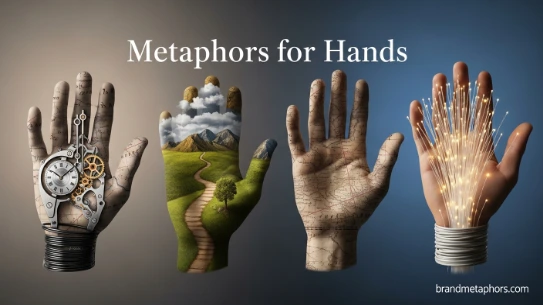
Across cultures, literature, and daily life, hands are more than body parts. They are symbols of creation, emotion, labor, healing, and connection. We use them to build homes, express love, defend ourselves, and even show kindness without speaking. Because of this, hands often become powerful metaphors that help us understand human life itself.
This article explores “metaphors for hands” in depth. It explains how hands represent ideas far beyond their physical function. You will see how they reflect emotions, relationships, personality, time, and even destiny. By the end, you will start noticing how often hands silently shape meaning in everyday life—and how deeply they connect us to the world and to each other.
Hands as Tools of Creation
Hands are often seen as the first tools of creation. They shape raw materials into something meaningful—wood into furniture, clay into pottery, or ideas into written words. In this metaphor, hands represent human creativity and the power to transform imagination into reality.
Think of a carpenter shaping a simple piece of wood. Without saying anything, the hands speak through action. They measure, cut, smooth, and join. The final product carries the memory of those movements. In the same way, artists, writers, and builders all “think through their hands.”
H3: Everyday creation
Even in small daily actions, this metaphor holds true. Cooking a meal, planting a flower, or fixing a broken object all show how hands bring ideas into the physical world.
Hands remind us that creativity is not only mental—it is physical. They show that humans are not just dreamers but makers. Every object around us carries the invisible trace of human hands that shaped it.
Hands as Language Without Words
Hands often act as a silent language. When people cannot speak the same verbal language, hand gestures become a bridge. A thumbs-up, a wave, or a pointing finger can express clear meaning without sound.
This metaphor shows that hands are speakers of emotion and intention. They communicate honesty in a way words sometimes cannot. For example, a gentle hand on the shoulder can say “I understand” more deeply than a sentence.
H3: Emotional signals
Hands also reveal emotions unconsciously. Nervous tapping, clenched fists, or open palms all signal inner feelings. Even when a person is silent, their hands continue speaking.
In this way, hands are like a second voice—one that never stops expressing what the heart feels.
Hands as Bridges Between People
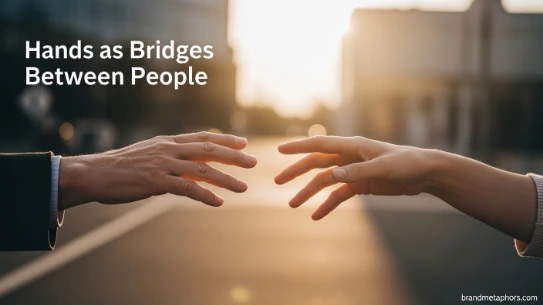
Hands are powerful symbols of connection. A handshake, a hug, or holding someone’s hand creates a bridge between two individuals. This metaphor highlights how hands reduce distance and build trust.
When two people shake hands, they are not just greeting each other—they are forming a moment of mutual respect. The physical touch becomes a symbol of agreement, friendship, or peace.
H3: Human closeness
Holding hands is one of the simplest yet strongest human actions. It creates comfort during fear, joy during celebration, and support during sadness. In relationships, hands often become the first point of emotional contact.
Hands remind us that humans are not isolated beings. They are meant to connect, and hands make that connection real.
Hands as Anchors of Emotion
Hands often hold emotional weight. When someone grips an object tightly or covers their face with their hands, it reflects deep internal feelings. In this metaphor, hands become anchors that hold emotions in place.
For example, a person holding their chest or squeezing their hands together may be dealing with anxiety or stress. On the other hand, relaxed, open hands often signal peace and calmness.
H3: Silent emotional expression
Hands sometimes reveal what words hide. A trembling hand can show fear. A soft touch can show love. A firm grip can show determination.
They act like emotional mirrors, showing the inner state of a person even when the face tries to stay neutral.
Hands as Weapons or Protection
In some contexts, hands become symbols of defense or strength. They can protect, fight, or shield. This metaphor shows the dual nature of hands—they can create peace but also defend against harm.
In sports like boxing or martial arts, hands are trained for protection and controlled power. Even in everyday life, raising hands can signal defense or caution.
H3: Protective strength
A parent shielding a child with their hands shows this metaphor clearly. The hands become a barrier between danger and safety.
This idea reminds us that strength is not always violent. Sometimes, it is protective, careful, and controlled.
Hands as Workers of Survival
Hands are deeply tied to survival. From farming and construction to cleaning and caregiving, hands perform the labor that keeps life running. This metaphor represents human effort and endurance.
Without hands, many basic tasks of life would be impossible. They carry the weight of daily responsibility and physical effort.
H3: Daily labor
A farmer planting seeds, a worker building a wall, or a nurse caring for a patient—all rely on their hands. These actions show discipline, patience, and resilience.
Hands in this sense represent dignity. They show that survival is built through consistent effort, not luck.
Hands as Timekeepers of Life
Hands also reflect the passage of time. Aging hands tell stories of years lived, struggles faced, and experiences gathered. This metaphor connects hands with time itself.
Wrinkles, marks, and lines on hands are like a personal timeline. They show growth, change, and endurance.
H3: Life written on skin
A young hand may look smooth and soft, while an older hand carries visible history. Each mark is like a chapter of life.
Hands remind us that time does not only pass—it leaves visible traces on us.
Hands as Instruments of Healing
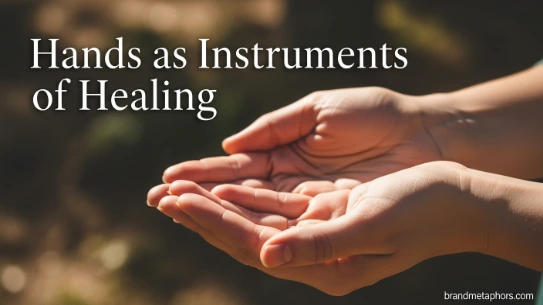
Arm are often associated with healing. Doctors, nurses, and caregivers use their hands to treat, comfort, and restore health. This metaphor shows hands as sources of care and recovery.
A simple touch can calm pain or fear. A bandage applied carefully can bring relief. Healing hands represent compassion in action.
H3: Comfort through touch
Even outside medicine, human touch has healing power. Holding someone’s hand during sadness can reduce emotional pain.
Arm show that healing is not only physical—it is emotional and human.
Hands as Storytellers of Gesture
Hands often tell stories through movement. Gestures like pointing, waving, or clapping carry meaning in different situations. This metaphor sees hands as storytellers without words.
Every gesture has a message. A raised hand can signal greeting, permission, or attention. A closed fist can show strength or resistance.
H3: Cultural meaning
Different cultures assign different meanings to hand gestures. What is polite in one place may be offensive in another.
This shows that hands also carry cultural memory and shared human understanding.
Hands as Mirrors of Personality
Hands can reflect personality traits. Careful, steady hands may suggest patience. Fast, restless movements may show energy or anxiety. In this metaphor, hands become mirrors of inner character.
People often “read” hands unconsciously when forming impressions of others.
H3: Behavior patterns
Someone who uses expressive hand movements may appear open and communicative. Someone with controlled gestures may seem calm and reserved.
Arm silently express who we are, even before we speak.
Hands in Love and Relationships
Hands play a major role in emotional relationships. Holding hands, touching gently, or simply resting a hand on someone shows care and affection. This metaphor links hands with love and emotional bonding.
H3: Physical connection
In romantic relationships, hand-holding often symbolizes trust and closeness. In families, a parent’s hand holding a child represents safety and guidance.
Hands become emotional anchors in relationships, keeping people connected even in silence.
Hands and Destiny or Fate
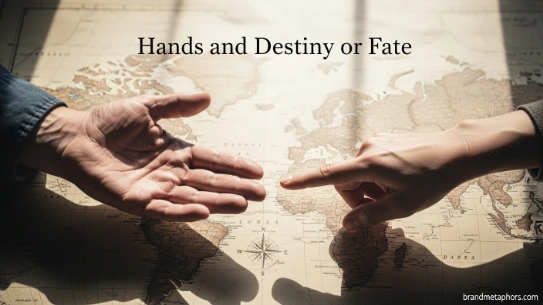
In many traditions, hands are linked to destiny. Palm lines are believed to represent life paths and future possibilities. Even metaphorically, hands symbolize the idea that people shape their own destiny.
This metaphor suggests that life is partly in our control—because we act with our hands.
H3: Choice and action
Every decision we make involves action. Hands represent those actions. They remind us that fate is influenced by what we do, not just what we think.
Hands symbolize responsibility over our own life journey.
Conclusion
Hands are more than physical tools. They are symbols filled with meaning, emotion, and human experience. Through metaphors, we see hands as creators, communicators, protectors, healers, and storytellers. They express what words often cannot and carry both personal and shared human history.
From building structures to holding loved ones, hands shape nearly every part of life. They reveal emotions, show personality, and even reflect the passage of time. More importantly, they remind us that human life is not only thought or speech—it is action.
When we understand the deeper meanings behind hands, we begin to see everyday gestures in a new light. A simple touch, wave, or grip becomes something far more meaningful. Hands quietly tell the story of what it means to be human.
FAQs
What do hands symbolize in literature?
Hands often symbolize action, emotion, creation, and human connection in literature.
Why are hands used as metaphors so often?
Because hands are deeply involved in daily life and express both physical and emotional meaning.
What do shaking hands represent?
It usually represents greeting, agreement, trust, or mutual respect.
What does it mean when hands are open in symbolism?
Open hands often represent honesty, peace, acceptance, and openness.
Why are hands linked to emotions?
Because hand movements often reveal feelings like stress, love, fear, or confidence.
What do hands symbolize in relationships?
They symbolize care, support, trust, and emotional connection between people.
Can hands reflect personality?
Yes, gestures and movements can often reflect traits like confidence, calmness, or nervousness.