
Introduction
Have you ever stepped outside on a scorching afternoon and felt the air itself pressing against your skin, as if the sun had turned the world into a glowing oven? Or maybe you’ve been in a heated conversation where emotions rose so quickly that every word felt like it could spark a fire? The idea of “hot” goes far beyond weather reports or thermometer readings. It is a powerful metaphor that humans use to describe intensity in almost every part of life—emotions, situations, success, anger, and even danger.
In language and thought, “hot” becomes a symbol of energy, pressure, and transformation. We say someone has a “hot temper,” a “hot streak,” or is “hot under the collar.” These expressions help us understand complex feelings in simple, relatable ways. This article explores the many metaphors for “hot,” revealing how heat shapes our understanding of passion, conflict, success, and stress. By the end, you will see how deeply this simple word influences the way we think, speak, and experience the world.
1. Hot as a Symbol of Intensity
“Hot” often represents anything that is intense or powerful. It is not limited to physical heat but extends to emotions, situations, and experiences that feel overwhelming or strong. When something is “hot,” it grabs attention and demands response.
For example, a “hot topic” in discussion is one that sparks debate and strong opinions. Similarly, a “hot trend” spreads quickly because it captures collective interest. The metaphor works because heat naturally draws focus—it is impossible to ignore.
Everyday Meaning
In daily life, we use “hot” to describe urgency. A “hot opportunity” suggests something time-sensitive and valuable. Missing it feels like letting something slip through your fingers while it is still glowing.
Emotional Connection
Emotionally, intensity can feel like heat rising in the body—fast heartbeat, flushed skin, and mental pressure. This physical connection makes the metaphor feel natural and universal across cultures.
In essence, “hot” becomes a shortcut for describing anything that burns with energy or urgency, whether positive or negative.
2. Fire as a Metaphor for Passion
Fire is one of the strongest metaphors linked to “hot.” When someone is described as passionate, we often say they “burn with passion.” Fire represents desire, ambition, and inner drive.
A person with strong motivation may be said to have a “fire inside them.” This fire pushes them forward, even through obstacles. It is not calm or steady—it is active and alive.
H3: Passion in Action
Think of an artist working late into the night, fully absorbed in creativity. Their focus feels like a flame that refuses to go out.
H3: Risk of Burning Out
However, fire also has a warning side. Too much passion without rest can lead to burnout. The same flame that lights a path can also consume energy too quickly.
Fire as a metaphor teaches balance: passion is powerful, but it must be controlled to remain sustainable.
3. The Sun and Overwhelming Energy
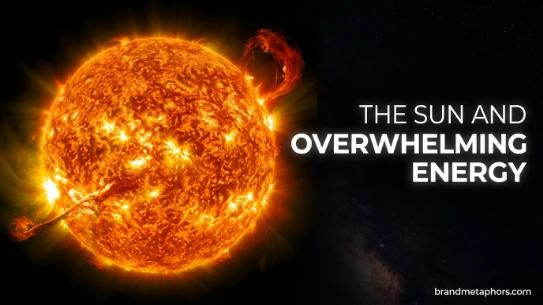
The sun is another natural metaphor for “hot.” It represents constant energy, brightness, and power. When we describe someone as “sunny” or a situation as “blazing,” we are drawing from solar imagery.
Heat of Exposure
Standing under the sun for too long can feel overwhelming, just like being under pressure in life. The sun becomes a symbol of forces that are too strong to ignore.
Life and Growth
At the same time, the sun also brings life. Crops grow under its warmth, and energy systems depend on it. This dual nature makes it a perfect metaphor for both support and pressure.
In human terms, “sun-like” energy can represent leadership or influence—someone whose presence is strong enough to affect everyone around them.
4. Boiling Water and Emotional Overflow
Boiling water is a clear image of emotions reaching their limit. When water boils, it becomes unstable, active, and unpredictable—just like a person under emotional stress.
H3: Rising Anger
We often say someone is “boiling with anger.” This suggests emotions rising slowly but surely until they overflow.
H3: Loss of Control
Once water boils over, it cannot be easily contained. Similarly, when emotions become too strong, people may react impulsively or say things they regret.
This metaphor helps us understand emotional buildup. It shows that feelings do not appear suddenly—they accumulate over time until they reach a breaking point.
5. Desert Heat and Emotional Isolation
Desert heat is not just about temperature—it symbolizes loneliness, dryness, and emotional distance. A desert is vast, silent, and harsh, making it a powerful metaphor for isolation.
When someone says a relationship feels “like a desert,” they mean it lacks emotional connection or warmth.
H3: Emotional Dryness
In such situations, communication may feel empty, like walking through endless sand without relief.
H3: Survival Mode
Just as survival in a desert requires endurance, emotional deserts require resilience. People must find inner strength to continue moving forward despite difficulty.
This metaphor highlights how “hot” can also represent absence of comfort, not just presence of energy.
6. Spicy Heat and Excitement
Spicy food creates a burning sensation that many people associate with excitement. This physical heat becomes a metaphor for stimulating experiences.
A “hot” experience might be thrilling, unpredictable, or full of energy.
H3: Life with Flavor
Just like spicy food adds flavor, exciting experiences add meaning to life. Without them, life may feel bland.
H3: Controlled Risk
Spice also teaches moderation. Too much heat becomes overwhelming, just like too much excitement can lead to stress.
This metaphor shows that “hot” can be enjoyable when balanced correctly.
7. Red as a Visual Metaphor for Heat
The color red is often linked with heat, passion, and urgency. It visually represents “hot” in emotional and symbolic ways.
Red signals danger, love, and intensity. It appears in stop signs, warning lights, and romantic symbols like roses.
H3: Emotional Signal
When we see red, our mind quickly interprets it as something important or urgent.
H3: Psychological Impact
Red increases attention and even heart rate, reinforcing its connection to heat and energy.
Thus, color becomes a silent but powerful metaphor for “hot” emotions.
8. Burning Bridges and Irreversible Actions
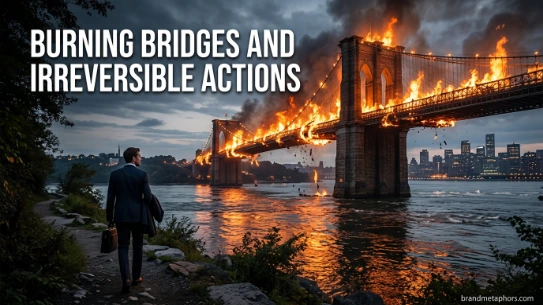
The phrase “burning bridges” refers to making decisions that cannot be undone. Once a bridge is burned, there is no easy way back.
H3: Final Decisions
This metaphor is often used when people leave jobs, relationships, or situations permanently.
H3: Emotional Consequences
Like fire, such actions can feel intense and final. They may bring relief or regret depending on the situation.
The metaphor teaches caution—some actions create permanent change.
9. Heated Arguments and Conflict
A “heated argument” describes a discussion filled with strong emotions and raised voices. Heat here represents emotional intensity and lack of calm.
H3: Rising Tension
Arguments often start calmly but gradually become more intense, like heat building in a closed space.
H3: Cooling Down
After conflict, people often “cool off,” showing how heat and calm are opposites in emotional language.
This metaphor helps us understand communication breakdowns and emotional escalation.
10. Hot Streaks and Success
A “hot streak” refers to a period of repeated success. Athletes, students, and professionals often experience this phase.
H3: Momentum Effect
When someone is “hot,” everything seems to work in their favor. Confidence increases, and performance improves.
H3: Temporary Nature
However, hot streaks do not last forever. Just like heat fades, success cycles change over time.
This metaphor highlights the importance of timing and momentum in achievement.
11. Lava as Slow-Burning Emotion
Lava represents slow, powerful emotional buildup. Unlike fire, lava moves slowly but with unstoppable force.
H3: Hidden Anger
Some emotions do not explode immediately—they build quietly like molten rock beneath the surface.
H3: Long-Term Impact
When released, lava reshapes everything in its path. Similarly, long-suppressed emotions can cause major life changes.
This metaphor shows the danger of ignoring inner feelings.
12. Overheating and Burnout

Overheating is a modern metaphor for stress and exhaustion. Just like machines, humans can “overheat” when pushed too hard.
H3: Mental Pressure
Work, responsibilities, and emotional stress can raise mental “temperature.”
H3: Need for Cooling
Rest, balance, and recovery act as cooling systems for the mind.
This metaphor reminds us that even strong systems need breaks to function properly.
Conclusion
Metaphors for “hot” reveal how deeply heat shapes human thinking. From fire and sun to boiling water and lava, each image helps us understand emotions, success, conflict, and stress in relatable ways. Heat represents intensity—sometimes creative, sometimes destructive, but always powerful. It shows passion in action, anger in motion, and success in momentum.
At the same time, these metaphors remind us of balance. Too much heat leads to burnout, while controlled heat creates growth and energy. Whether describing emotions, relationships, or achievements, “hot” gives language to experiences that are otherwise difficult to explain. By understanding these metaphors, we gain clearer insight into ourselves and the world around us.
FAQs
What does “hot” mean as a metaphor?
It refers to intensity, strong emotion, urgency, or high energy in situations, not just temperature.
Why is fire used as a metaphor for passion?
Because fire symbolizes energy, movement, and strong inner desire that drives action.
What does a “hot topic” mean?
It means a subject that is widely discussed and emotionally or socially important.
Why is anger described as “hot”?
Because anger feels like rising internal heat, similar to pressure building up.
What is a “hot streak”?
It is a period of repeated success or good performance.
What does “burnout” mean in this context?
It means emotional or physical exhaustion caused by too much stress or effort.
Why are metaphors for heat so common?
Because humans physically experience heat, making it an easy way to describe strong emotions and situations.