
Introduction
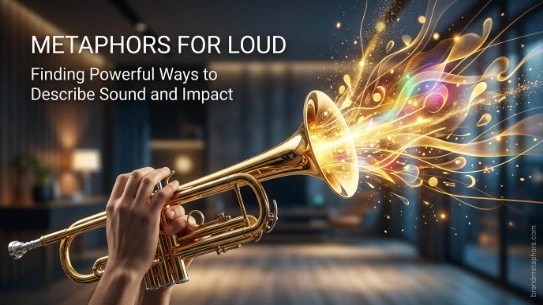
There are moments in life when things are not just heard—they are felt. A slammed door that shakes the room. A crowd erupting in sudden cheers. Thunder rolling across the sky like it owns the world. “Loud” is more than sound; it is presence, energy, and emotion spilling beyond limits.
When we think about metaphors for loud, we are really trying to understand how intensity shows up in everyday life. Loudness can describe noise, but it can also describe feelings, personalities, cities, and even thoughts that refuse to stay quiet. It can be joyful like fireworks or overwhelming like a storm breaking loose.
These metaphors help us explain what ordinary words cannot. They give shape to energy that feels too big to describe directly. In real life, we use these comparisons without even noticing—when we say someone has a “loud personality” or a “voice like thunder,” we are translating experience into imagination.
This article explores the many layers of loudness through vivid metaphors, real-life meanings, and emotional insight. By the end, you will see how “loud” is not just something we hear—it is something we live through, inside and outside ourselves.
Loud as Thunder Rolling Across the Sky
One of the most powerful metaphors for loud is thunder. Thunder is not just noise; it feels like the sky itself is speaking. It arrives after lightning, slow and heavy, as if the world is reminding us of its power.
When people describe a loud voice or sound as thunder, they are pointing to its strength and authority. Thunder cannot be ignored. It fills space completely, leaving no room for silence.
Emotional Meaning of Thunder
Thunder metaphors often describe moments of fear, surprise, or deep respect. A teacher’s strict voice in a quiet classroom might be called thunderous. A warning shouted in danger feels the same way—strong, urgent, impossible to miss.
Everyday Connection
In daily life, thunder-like loudness appears in arguments, celebrations, or sudden announcements. It is the kind of sound that stops everything else. Like real thunder, it demands attention, whether we are ready or not.
Thunder teaches us that loudness is not just volume—it is impact.
Fireworks as a Celebration of Loudness
Fireworks are another beautiful metaphor for loud. They are not just noisy explosions; they are bursts of joy painted across the sky. Each sound carries excitement, surprise, and celebration.
When we use fireworks as a metaphor, we describe moments that are bright, energetic, and unforgettable. A loud party, a victory, or a major announcement can all feel like fireworks going off in the mind.
Why Fireworks Represent Joyful Loudness
Fireworks are loud, but they are not frightening. Instead, they are controlled chaos—planned, beautiful, and brief. This makes them perfect for describing happy loud moments.
Real-Life Examples
A wedding celebration with music and laughter can feel like fireworks. A sports win with cheering crowds also matches this image. Even emotional breakthroughs, like achieving a dream, can feel internally explosive.
Fireworks remind us that loudness is not always overwhelming—it can also be joyful, colorful, and full of life.
Ocean Waves Crashing as Emotional Loudness
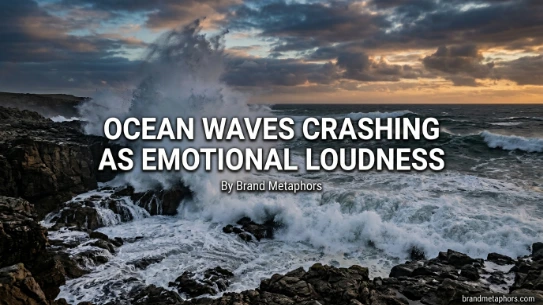
The ocean is never truly silent. Its waves crash with a steady, powerful rhythm that can be heard from far away. As a metaphor, ocean waves represent emotional loudness that comes in waves—strong, repeated, and impossible to ignore.
Unlike sudden sounds, waves build up. They rise, fall, and return again. This makes them perfect for describing emotions that feel overwhelming but come in cycles.
Emotional Depth of Waves
Sadness, anger, or deep love often behave like ocean waves. They do not arrive once and disappear. Instead, they return again and again, sometimes gently, sometimes forcefully.
Life Situations
Someone going through heartbreak might describe their feelings as crashing waves. A stressful period at work can also feel like being pulled under constant emotional tides.
Ocean waves teach us that loudness is not always sharp—it can also be deep, rhythmic, and emotional.
A Crowded Marketplace Full of Noise and Life
A busy marketplace is one of the most relatable metaphors for loud. It is filled with voices, movement, bargaining, laughter, and chaos—all blending into a living soundscape.
Unlike natural sounds, marketplace loudness is human-made. It represents energy, survival, and connection.
What It Represents
A marketplace symbolizes social noise—ideas, opinions, and emotions coming from all directions. Nothing is quiet or still. Everything competes for attention.
Everyday Interpretation
When people say a situation is “like a marketplace,” they often mean it is confusing or overwhelming. Too many voices, many choices. Too much happening at once.
Yet, this loudness is not negative. It shows life in motion. It shows people interacting, trying, and expressing themselves.
A marketplace reminds us that loudness can also mean community and activity.
Alarm Systems and Warning Sounds
Alarms are designed to be loud on purpose. They are meant to interrupt, alert, and protect. As metaphors, alarms represent urgency and importance.
When something is described as “alarmingly loud,” it suggests that it cannot be ignored safely.
Types of Alarm Loudness
1. Physical Alarms
Fire alarms, car horns, and sirens all fall into this category. They demand immediate attention.
2. Emotional Alarms
Sometimes our emotions act like alarms. Anxiety, fear, or stress can feel loud inside the mind.
Meaning in Life
Alarm metaphors teach us that loudness can be a signal. It is not just noise—it is information. It tells us something needs attention right away.
In this way, loudness becomes protective, not just disruptive.
Inner Emotions That Feel Loud
Not all loudness comes from the outside. Some of the loudest experiences happen inside the mind. Thoughts, memories, and emotions can feel overwhelming, even in silence.
When Feelings Become Loud
Grief can feel loud even in a quiet room. Anxiety can echo in the mind like constant noise. Excitement can also feel loud, like energy trying to escape.
Personal Experience
Someone sitting alone might still feel surrounded by loud thoughts. This inner noise is invisible but powerful. It can affect focus, sleep, and peace of mind.
Understanding Emotional Loudness
This metaphor helps us understand mental health better. It shows that loudness is not always physical—it can be emotional pressure that needs expression or release.
Inner loudness reminds us that silence outside does not always mean silence within.
Social Media as Digital Loudness
In today’s world, social media is one of the strongest examples of loudness. It is a constant flow of posts, messages, videos, and opinions competing for attention.
Why It Feels Loud
Even without sound, social media feels loud because of information overload. Every notification is like a small shout. Every trending topic adds to the noise.
Digital Overwhelm
People often describe social media as “too loud” when it becomes mentally tiring. This is because the brain is always processing new input.
Modern Meaning
This metaphor shows how loudness has evolved. It is no longer just about sound—it is about information, speed, and constant presence.
Social media teaches us that modern loudness is invisible but powerful.
Silence as the Opposite of Loud
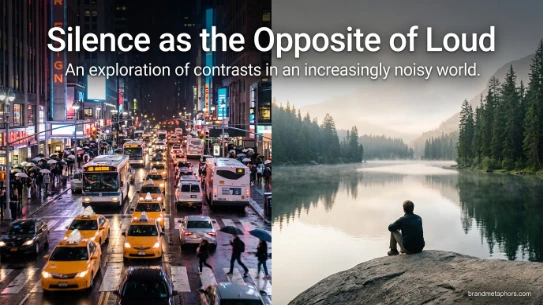
To understand loudness, we must also understand silence. Silence is not empty; it is contrast. Without silence, loudness would lose meaning.
The Power of Contrast
A loud sound after silence feels stronger. That is why quiet moments make noise more dramatic.
Emotional Balance
People often seek silence after loud environments. It helps the mind reset and recover.
Life Insight
Silence and loudness work together. One defines the other. Without silence, loudness becomes meaningless background noise.
This contrast teaches us balance in life—knowing when to speak and when to pause.
Loud Personalities as Energy in Human Form
Some people are described as having “loud personalities.” This does not always mean they speak loudly. It means their presence is strong, expressive, and noticeable.
Characteristics of Loud Personalities
- Expressive speech
- High energy in social settings
- Strong opinions
- Emotional openness
Social Interpretation
A loud personality can be inspiring or overwhelming depending on context. In social gatherings, they often become the center of attention.
Deeper Meaning
This metaphor shows that loudness is not just sound—it is visibility. Some people naturally take up more space in conversations and emotions.
Loud personalities remind us that human energy itself can be a form of soundless noise.
Cities as Constant Loud Machines
Cities are often described as loud, even without specific sounds in mind. This metaphor reflects constant movement and activity.
What City Loudness Means
Traffic, construction, crowds, and commerce all blend into one continuous background energy.
Emotional Effect
Living in a city can feel stimulating but also tiring. The mind rarely gets complete rest.
Symbolic Meaning
Cities represent ambition, progress, and human activity. Their loudness shows growth but also pressure.
A city never truly sleeps, and that is what makes it powerful and overwhelming at the same time.
Storms as Nature’s Loud Expression
Storms combine thunder, wind, rain, and chaos. As metaphors, they represent extreme emotional or life situations.
Storm Symbolism
Storms often symbolize conflict, change, or transformation. They are loud, uncontrollable, and temporary.
Life Connection
People going through difficult times often say they are “in a storm.” This means everything feels intense but will eventually pass.
Storms remind us that loudness can be temporary, but its impact can reshape everything.
Practical Lessons from Loud Metaphors
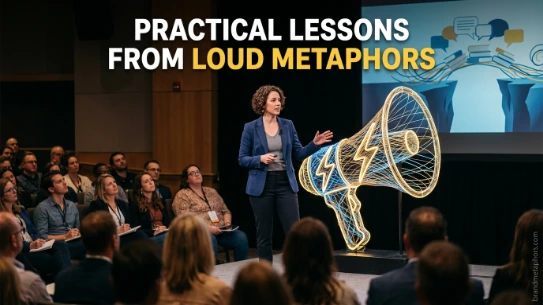
Metaphors for loud are not just poetic—they teach us real-life lessons.
1. Loudness Demands Attention
Whether emotional or physical, loud moments signal importance.
2. Not All Loudness is Negative
Some loudness brings joy, like fireworks or celebrations.
3. Inner Loudness Matters
Emotional noise can be just as powerful as external sound.
4. Balance is Essential
Silence and loudness must coexist for mental peace.
These lessons help us understand how to manage both external noise and internal emotions in daily life.
Conclusion
Loudness is more than volume—it is experience, emotion, and meaning expressed through intensity. Through metaphors for loud, we see thunder, fireworks, waves, markets, storms, and even inner thoughts as different forms of powerful expression.
Each metaphor reveals something deeper: joy, chaos, warning, or emotion. Some loudness is beautiful, some is overwhelming, and some is necessary for communication and growth.
By understanding these metaphors, we learn to interpret the world more clearly. We begin to notice when loudness is calling for attention, when it is expressing emotion, and when it simply reflects life in motion. In the end, loudness is not something to avoid—it is something to understand.