Eventhough or Even Though

Eventhough or Even Though

Good writing is more than correct grammar. It also uses clear words, descriptive language, and creative techniques to help readers understand ideas. Writers often improve their work with figurative language, similes, metaphors, idioms, and vivid expressions. These tools make stories more interesting, essays more persuasive, and conversations easier to follow. However, even the most creative … Read more

By the Skin of My Teeth

By the Skin of My Teeth

Have you ever escaped a difficult situation at the very last second? Maybe you reached the airport just before the gate closed, passed an exam by one point, or avoided a car accident by reacting instantly. English has a colorful expression for moments like these. It paints a vivid picture of surviving or succeeding when … Read more

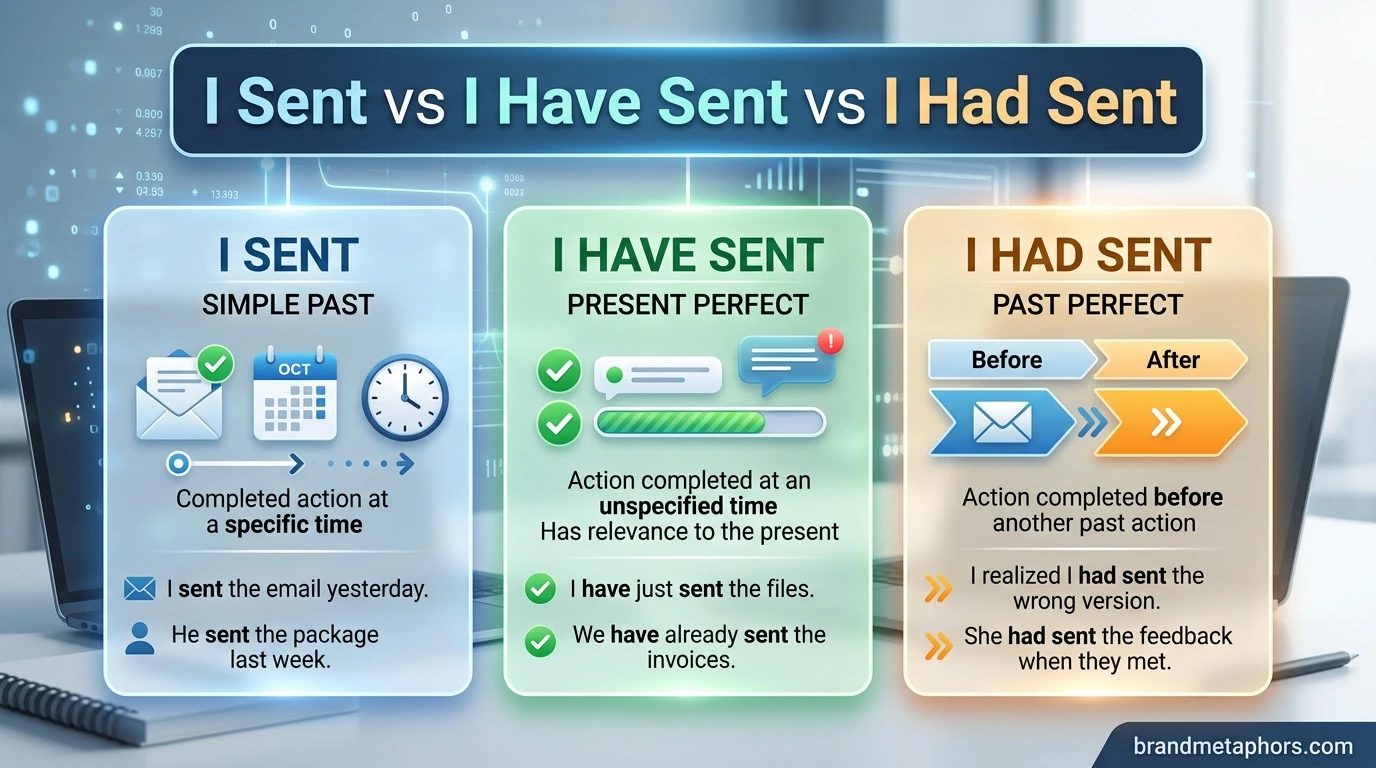
I Sent vs I Have Sent vs I Had Sent

I Sent vs I Have Sent vs I Had Sent

Introduction Good writing is not only about using the right words—it is also about using the right grammar at the right time. Whether you are writing a school essay, sending an email, creating a story, or speaking in everyday conversations, choosing the correct verb tense helps your message become clear and professional. Figurative language, such … Read more

Drivers vs Driver’s License

Drivers vs Driver's License

Introduction Good writing is more than using correct grammar. It is also about choosing the right words for the right situation. Figurative language, descriptive language, metaphors, similes, and other literary devices make writing more interesting, while clear vocabulary helps readers understand your message without confusion. One common mistake in English is mixing up drivers and … Read more

Substantive vs Substantial

Substantive vs Substantial

Writing becomes stronger when you choose the right words. Whether you are writing an essay, a story, an email, or a poem, vocabulary plays a big role in making your ideas clear. Figurative language, descriptive language, literary devices, simile examples, metaphor examples, and poetic expression all help bring writing to life. However, even the best … Read more

Give It a Rest

Give It a Rest

Have you ever heard someone say, “Enough already!” without actually using those words? In everyday English, there is a common expression people use when they want someone to stop talking, complaining, arguing, or repeating the same thing. This popular phrase appears in conversations, TV shows, movies, workplaces, schools, and family discussions. Understanding this expression helps … Read more

Klutz Meaning

Klutz Meaning

Have you ever watched someone accidentally drop their phone, spill a drink, trip over nothing, and then laugh at themselves? Chances are, someone jokingly called that person a certain informal name. This popular English word is commonly used to describe people who seem unusually clumsy or accident-prone. Many English learners come across this expression in … Read more

Anyone Else, Someone Else, Everyone Else

Anyone Else, Someone Else, Everyone Else

English has many words that look similar but have different meanings. Three of the most commonly confused expressions are anyone else, someone else, and everyone else. Although they all include the word else, each one is used in different situations. Understanding these expressions helps you communicate clearly in conversations, emails, school assignments, and professional writing. … Read more

Copywritten vs Copyrighted

Copywritten vs Copyrighted

Introduction Good writing is more than using correct grammar and spelling. It also includes choosing the right words, using figurative language, and expressing ideas in a clear and creative way. Writers often improve their work with metaphor examples, simile examples, idioms, descriptive language, poetic expression, and literary devices. These techniques make stories, essays, and articles … Read more

No Difference vs No Different

No Difference vs No Different

Good writing is not only about grammar. It is also about choosing the right words to express ideas clearly and naturally. Writers often use figurative language, descriptive language, similes, metaphors, and other literary devices to make their writing more interesting. These techniques help readers picture ideas, understand emotions, and stay engaged. However, even the most … Read more