

English is full of phrases that help us describe time, progress, and achievements. One of the most useful expressions is thus far. You may hear it in conversations, business meetings, news reports, academic writing, or books. Although it sounds formal, understanding this expression can greatly improve your vocabulary and writing skills.
Many English learners wonder whether this phrase means “until now,” “so far,” or something different. The good news is that all of these ideas are closely connected. Once you understand its meaning and how native speakers use it, you’ll be able to use it naturally in both speaking and writing.
This guide explains everything you need to know. You’ll learn the definition, grammar, common situations, examples, mistakes to avoid, alternatives, and practical tips. By the end, you’ll know exactly when this expression fits and when another phrase is a better choice.
What Does This Expression Mean?
This expression simply means up to this point in time or until now.
It refers to everything that has happened from the beginning of a period until the present moment.
Simple definition
- Up to now
- Until this point
- As of now
- So far
- Up to the present
Example
- The project has been successful up to this point.
- We have received over 500 applications until now.
- No major problems have occurred so far.
In all of these examples, the speaker is talking about events that started in the past and continue to the present.
Why People Use This Phrase
People choose this expression because it sounds slightly more formal than “so far.”
It is common in:
- Academic writing
- News articles
- Business reports
- Research papers
- Government documents
- Professional emails
- Formal speeches
In casual conversation, people usually prefer simpler alternatives.
For example:
Casual:
So far, everything is going well.
Formal:
Everything has gone well up to this point.
Both have the same meaning.
Grammar Rules and Sentence Structure
This expression usually appears with the present perfect tense because it connects the past with the present.
Common structure
Subject + has/have + past participle + expression
Examples:
- The company has expanded rapidly.
- Scientists have discovered several new species.
- The team has completed every task successfully.
It can also appear:
- At the beginning
- In the middle
- At the end
Examples
Beginning
- Up to this point, sales have exceeded expectations.
Middle
- The experiment has, up to this point, produced consistent results.
End
- Our plan has worked successfully until now.
Common Situations Where It Is Used
This phrase appears in many real-life situations.
1. Business
Managers often discuss company progress.
Example:
- Revenue has increased significantly this year.
2. Education
Teachers evaluate student progress.
Example:
- Students have completed most of the course material.
3. Research
Researchers summarise findings.
Example:
- The results have supported our original theory.
4. News Reports
Journalists discuss ongoing events.
Example:
- Authorities have identified several witnesses.
5. Personal Achievements
People talk about accomplishments.
Example:
- My learning journey has been enjoyable.
Similar Words and Alternative Expressions

English offers several alternatives with nearly the same meaning.
ExpressionFormalityBest Used InSo farInformalDaily conversationUp to nowNeutralSpeaking and writingUntil nowNeutralGeneral EnglishTo dateFormalReports and businessAs of nowFormalOfficial communicationUp to the presentVery formalAcademic writingAt this pointNeutralConversations and reports
Each one expresses progress from the past to the present.
Real-Life Examples
Here are examples from everyday situations.
School
- Our class has finished six chapters.
- Everyone has improved their reading skills.
Office
- The marketing campaign has attracted thousands of visitors.
- Customer satisfaction has remained high.
Sports
- The team has won eight matches.
- The coach has praised every player’s effort.
Health
- The patient has responded well to treatment.
- Doctors have seen positive improvements.
Family
- We have visited five countries together.
- Our children have learned many new skills.
Common Mistakes to Avoid
Many learners confuse this expression with similar phrases.
Mistake 1: Using the wrong tense
Incorrect
- I finish my homework until now.
Correct
- I have finished my homework.
Mistake 2: Using it for future events
Incorrect
- I will finish everything until now.
Correct
- I will finish everything by tomorrow.
Mistake 3: Overusing formal language
In casual conversations, saying “so far” often sounds more natural.
Instead of
- Everything has gone well up to this point.
Many native speakers simply say
- Everything is going well so far.
Mistake 4: Mixing time expressions
Avoid combining conflicting time phrases.
Incorrect
- Yesterday until now I completed the work.
Better
- I have completed the work since yesterday.
Benefits of Learning This Expression
Understanding formal time expressions improves your English in many ways.
Better writing
Your essays become more professional.
Stronger vocabulary
You gain alternatives to common phrases.
Improved speaking
You sound more confident during presentations.
Better reading
You’ll understand books, newspapers, and articles more easily.
Professional communication
Business emails become clearer and more polished.
Tips for Using It Naturally
These simple tips make your English sound more fluent.
Use it with ongoing situations
✔ The project has made steady progress.
Pair it with present perfect
✔ Scientists have collected valuable information.
Keep formal writing consistent
Business reports, research papers, and essays often benefit from this expression.
Choose simple alternatives in conversation
Friends usually prefer:
- So far
- Up to now
- Until now
Read professional articles
Notice how newspapers and journals use formal time expressions.
Practice Sentences
Complete these examples with an appropriate expression.
- The weather has been pleasant ______.
- Our company has hired twenty new employees ______.
- We have raised £10,000 ______.
- The investigation has revealed no evidence ______.
- Students have completed three projects ______.
Sample Answers
- so far
- up to now
- until now
- to date
- as of now
Difference Between Similar Time Expressions
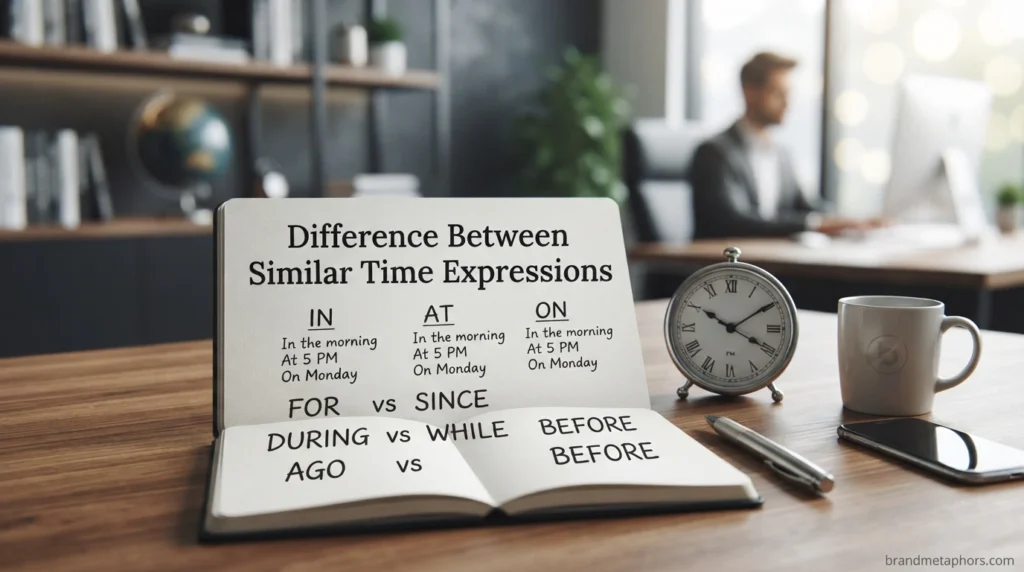
Many learners confuse these phrases.
So Far
Most common in daily speech.
Example
- Everything is fine so far.
Up to Now
Works in both speaking and writing.
Example
- Up to now, nobody has complained.
To Date
Common in reports and research.
Example
- To date, researchers have interviewed 300 participants.
As of Now
Used in official announcements.
Example
- As of now, the policy remains unchanged.
When You Should Avoid Using It
Sometimes another phrase is more suitable.
Avoid it when:
- Talking about the future
- Giving exact dates
- Describing completed historical events
- Writing very casual text messages
- Speaking with young children
Instead, choose expressions that better match the situation.
Quick Summary
Here are the key points to remember.
- It means up to the present time.
- It usually works with the present perfect tense.
- It is more formal than “so far.”
- It appears frequently in business, education, research, and news.
- Several alternatives exist depending on the level of formality.
- Using it correctly improves writing and speaking.
Frequently Asked Questions
1. What does this expression mean?
It means up to the present time or until now.
2. Is it the same as “so far”?
Almost. Both express progress until the present, but this expression sounds more formal.
3. Which tense is usually used with it?
The present perfect tense is the most common choice.
4. Can I use it in everyday conversation?
Yes, but “so far” is usually more natural in casual speech.
5. Is it suitable for academic writing?
Yes. It is commonly used in essays, research papers, and reports.
6. Can it describe future events?
No. It refers only to events that have happened up to the present.
7. Where is it usually placed in a sentence?
It can appear at the beginning, middle, or end, depending on the sentence structure.
8. What are the best alternatives?
Common alternatives include:
- So far
- Up to now
- Until now
- To date
- As of now
- Up to the present
Conclusion
Understanding formal time expressions helps you communicate clearly and confidently in English. Whether you’re writing an essay, preparing a business report, giving a presentation, or simply expanding your vocabulary, knowing how to express progress from the past to the present is an important language skill.
While casual conversations often use simpler alternatives, more formal situations benefit from precise wording that sounds polished and professional. By practising the grammar patterns, studying real-life examples, and avoiding common mistakes, you’ll be able to choose the right expression naturally and improve both your spoken and written English.